(7% discount is applied at checkout)
Cart is empty
Your go-to destination for cutting-edge server products
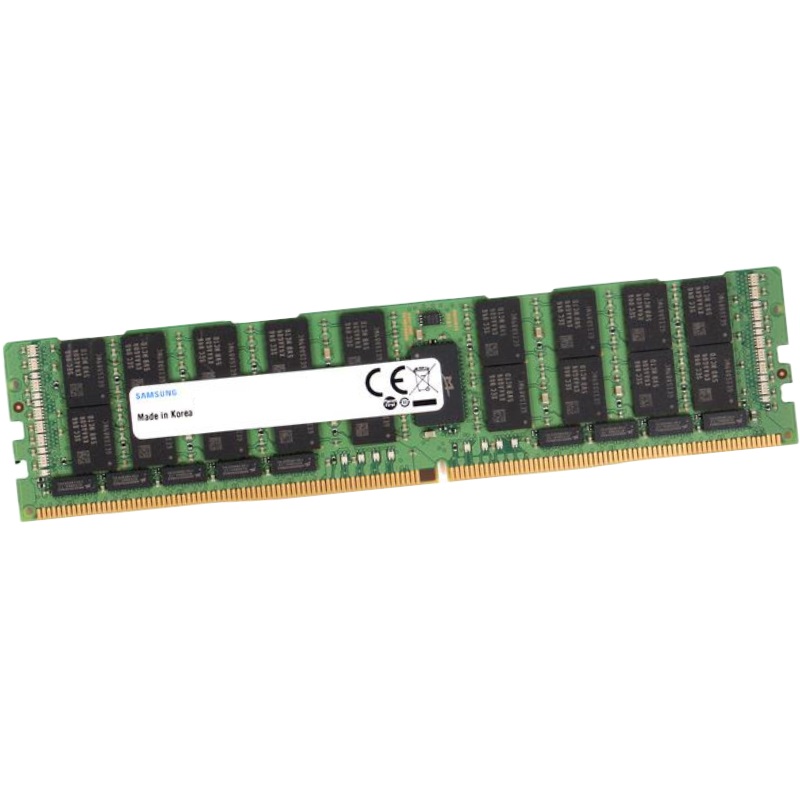


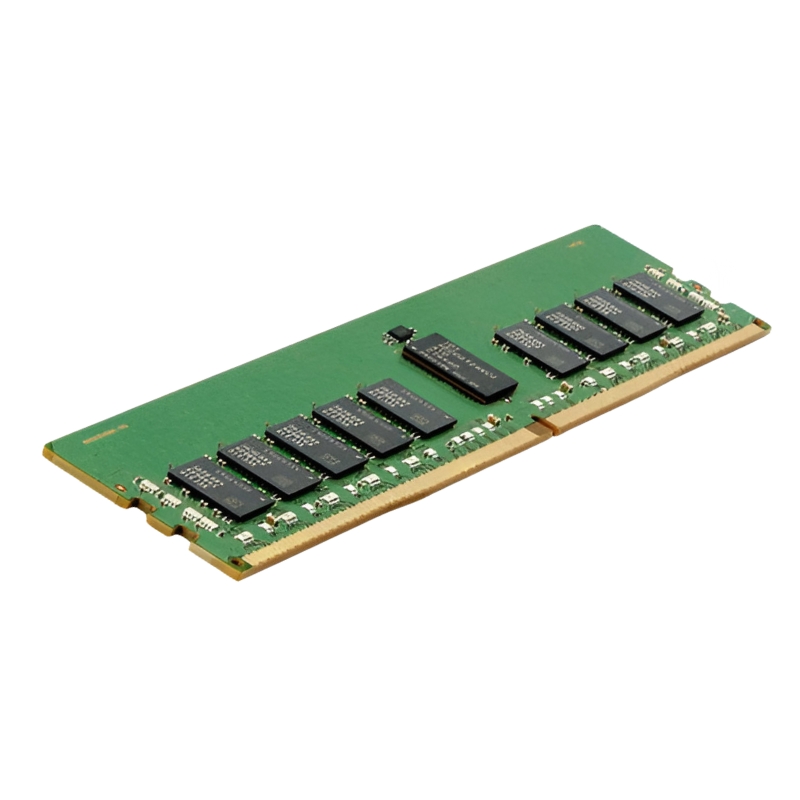
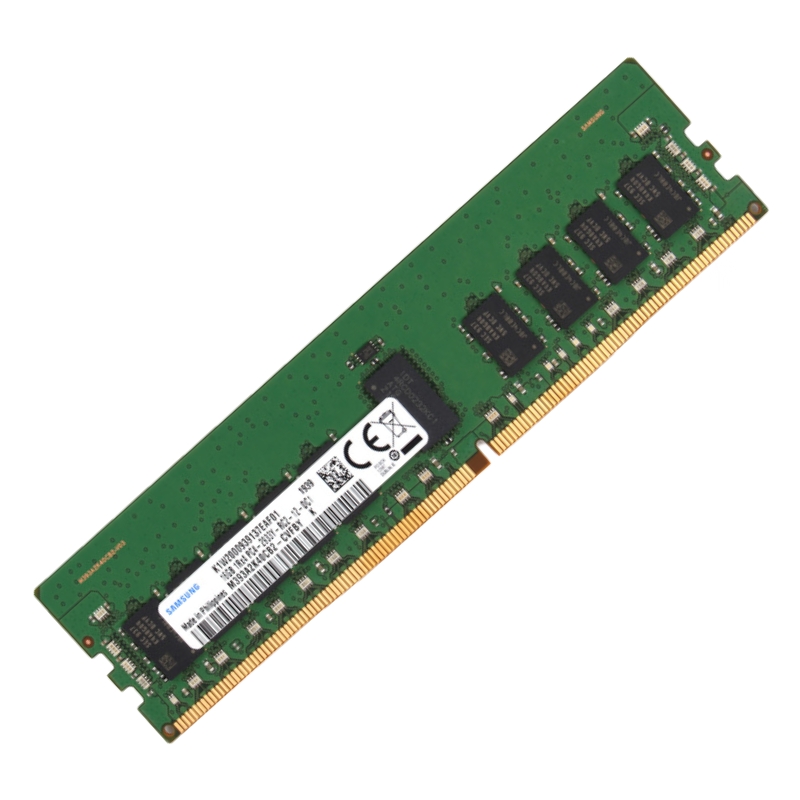
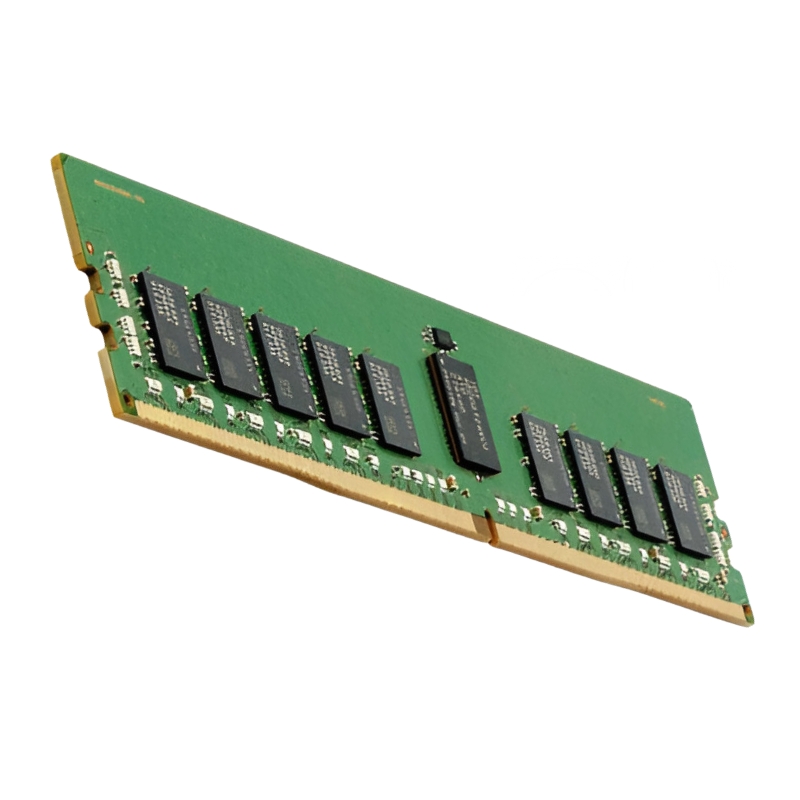
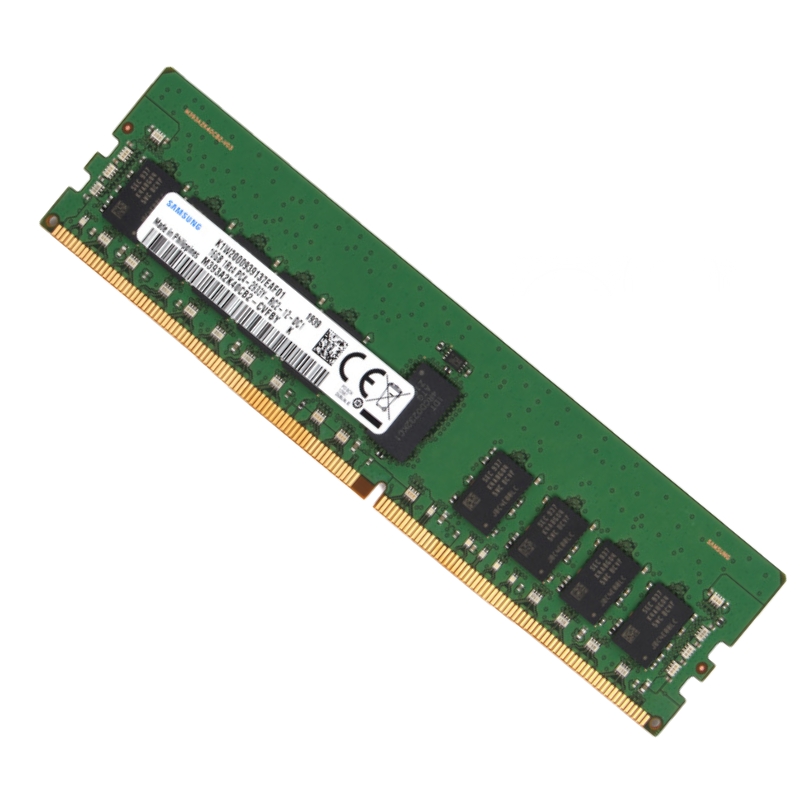
Samsung M393A2K40CB2-CVFBQ 16GB DDR4-2933MT/s PC4-23400 ECC 1RX4 Memory. New Sealed in Box (NIB) with 3 Years Warranty
The Samsung M393A2K40CB2-CVFBQ memory module delivers reliable performance with advanced DDR4 SDRAM technology, ensuring stability and speed for enterprise-grade systems.
The Samsung M393A2K40CB2-CVFBQ 16GB 2933MHz PC4-23400 ECC RDIMM memory module represents a specialized category of enterprise-grade DDR4 registered memory designed for mission-critical computing environments. This category encompasses high-reliability memory solutions engineered for servers, workstations, virtualization hosts, and data center infrastructures where data integrity, stability, and sustained performance are mandatory requirements. Unlike consumer-oriented unbuffered DIMMs, registered DIMMs introduce a register between the memory controller and DRAM chips, reducing electrical load and enabling greater memory capacity scalability across multi-DIMM configurations. This design philosophy allows enterprise systems to maintain signal integrity even under heavy workloads and extended uptime scenarios. Within this category, DDR4 RDIMM modules such as the Samsung M393A2K40CB2-CVFBQ are widely deployed in rack servers, blade servers, and enterprise workstations that rely on Intel Xeon and AMD EPYC platforms. The focus of this memory class is not only raw speed but predictable performance under sustained load, thermal stability, and strict adherence to JEDEC standards. This makes the category particularly relevant to database servers, virtualization clusters, cloud service providers, enterprise resource planning systems, and high-performance computing environments where memory errors or instability can have significant operational consequences.
The DDR4 SDRAM category marks a significant advancement over previous DDR3 generations, delivering higher bandwidth, lower operating voltage, and improved power efficiency. Operating at 1.2 volts, DDR4 memory reduces overall system power consumption while enabling higher frequencies, such as the 2933MHz data rate associated with PC4-23400 specifications. DDR4 technology also introduces architectural improvements such as bank group organization, which enhances parallelism and throughput. In registered DIMM implementations, these architectural features are paired with buffering to stabilize command and address signals. The result is a memory subsystem capable of sustaining high transaction rates while maintaining consistency and reliability. This category is therefore aligned with workloads that demand predictable latency and high memory bandwidth, including in-memory databases, analytics engines, and virtualization platforms.
Registered DIMM memory modules incorporate a register chip that buffers control signals before they reach the DRAM devices. This category-level design decision significantly improves signal integrity, especially in systems populated with multiple memory modules per channel. By isolating the memory controller from direct electrical load, RDIMMs allow for higher density configurations without compromising stability. This characteristic is fundamental to enterprise servers that require large memory footprints for virtualization, containerization, and memory-intensive applications. The registered DIMM category is therefore distinguished by its scalability advantages. Systems equipped with RDIMM memory can support higher total memory capacities compared to unbuffered alternatives, making this category essential for workloads that scale horizontally and vertically. The Samsung M393A2K40CB2-CVFBQ fits squarely within this design paradigm, offering compatibility with server-class chipsets and firmware that are optimized for registered memory operation.
ECC memory represents a critical subcategory within enterprise DDR4 RDIMM solutions. Error Correction Code technology enables the detection and correction of single-bit memory errors, as well as the detection of multi-bit errors, thereby safeguarding data integrity during processing and storage operations. This category is indispensable in environments where silent data corruption is unacceptable, such as financial systems, scientific research platforms, healthcare databases, and cloud infrastructure services. ECC RDIMM memory modules like those in this category work in conjunction with compatible processors and chipsets to continuously monitor memory operations. When a correctable error occurs, the system transparently fixes the issue without interrupting workloads.
The single rank architecture found within this category refers to the organization of DRAM chips that present one logical rank to the memory controller. Single rank RDIMMs are often favored in certain server configurations due to their predictable performance characteristics and compatibility with specific platform memory population guidelines. While multi-rank modules can offer higher density, single rank designs may provide advantages in terms of latency and stability when populating multiple channels. In the context of this category, single rank ECC RDIMM modules are frequently deployed in balanced memory configurations that optimize bandwidth across channels. The predictable electrical and timing behavior of single rank modules contributes to overall system reliability, making them a preferred choice for enterprise administrators who prioritize consistency and validated configurations.
X4 DRAM organization is a defining attribute within this memory category, referring to the data width of individual DRAM chips. X4-based ECC RDIMM modules distribute data across a greater number of chips compared to x8 configurations, enhancing fault tolerance and enabling advanced error correction capabilities such as chip kill support on compatible platforms. This architectural choice is particularly valuable in enterprise systems where resilience against component-level failures is critical. The use of x4 DRAM organization aligns this category with high-availability computing environments. By spreading data across more chips, the memory subsystem can better isolate and manage faults, contributing to longer system uptime and reduced maintenance intervention. This makes x4 ECC RDIMM modules a preferred option for mission-critical servers operating under strict service-level agreements.
The PC4-23400 classification defines the theoretical maximum bandwidth of DDR4 memory operating at 2933MHz. This category-level specification translates to approximately 23.4 GB/s of data throughput per module under optimal conditions. Such bandwidth capabilities are essential for modern server workloads that rely heavily on memory access, including virtualization hosts supporting numerous virtual machines and data analytics platforms processing large datasets in memory. Memory modules within this category are validated to operate at their rated frequency and timings under server-grade operating conditions. The 2933MHz frequency standard is commonly supported by contemporary enterprise processors, enabling systems to fully leverage the bandwidth potential of PC4-23400 memory. This alignment between memory and processor capabilities ensures that bottlenecks are minimized and that applications can scale effectively.
CAS latency, indicated as CL21 in this category, represents the delay between a memory read command and the availability of data. While lower CAS latency values are often associated with higher performance, enterprise memory categories prioritize balanced timing profiles that ensure stability across a wide range of operating conditions. CL21 at 2933MHz reflects a carefully engineered compromise that supports high data rates while maintaining signal integrity and error-free operation. In server environments, consistent latency behavior is often more important than marginal reductions in access time. Memory modules in this category are tuned to deliver predictable performance under sustained load, which is crucial for applications that rely on consistent response times. This focus on reliability over aggressive timing optimization distinguishes enterprise DDR4 RDIMM categories from consumer-oriented memory solutions.
The 288-pin RDIMM form factor is a defining physical characteristic of this category, ensuring compatibility with modern server and workstation motherboards designed for DDR4 memory. The increased pin count compared to earlier DDR generations supports higher data rates and additional signaling requirements, enabling advanced features such as ECC and registered buffering. This category is tightly aligned with platform compatibility standards established by leading processor manufacturers. Memory modules conforming to the 288-pin RDIMM specification are validated for use with enterprise chipsets and firmware that support registered memory operation. This ensures seamless integration into server platforms and reduces the risk of compatibility issues during system deployment or upgrades.
Enterprise memory categories such as DDR4 ECC RDIMM require adherence to specific memory population guidelines to achieve optimal performance and stability. These guidelines dictate how modules should be installed across memory channels and slots, taking into account rank configuration, capacity, and frequency support. Single rank modules within this category often provide greater flexibility in population strategies, allowing administrators to maximize channel utilization. System integrators and IT professionals rely on validated memory categories to streamline deployment and maintenance processes. By selecting memory modules that conform to established standards, organizations can reduce downtime, simplify troubleshooting, and ensure consistent performance across their server fleets. This category-level consistency is a key factor in enterprise infrastructure planning.
The DDR4 ECC RDIMM memory category is foundational to data center and virtualization environments. Virtualized workloads place significant demands on system memory, requiring high capacity, bandwidth, and reliability to support multiple concurrent virtual machines. ECC RDIMM modules address these requirements by providing scalable memory configurations with built-in error correction. In cloud computing and virtualization scenarios, memory oversubscription and dynamic allocation are common practices. Memory modules within this category are engineered to handle such dynamic workloads without compromising stability. This makes them an essential component of modern data center architectures that prioritize flexibility and high availability.


 Contact Us
 Information
 Catalog
 Solid State Drives (SSD)
 Network Switches
 Hard Disk Drives
 HBA & Controllers
 PC & Servers
 PC & Server Memory
 CPU & Processors
 Network Routers
 Power Supplies
 Tape Drives & Libraries
 Network Devices
 Computer & Network Cables