(7% discount is applied at checkout)
Cart is empty
Your go-to destination for cutting-edge server products
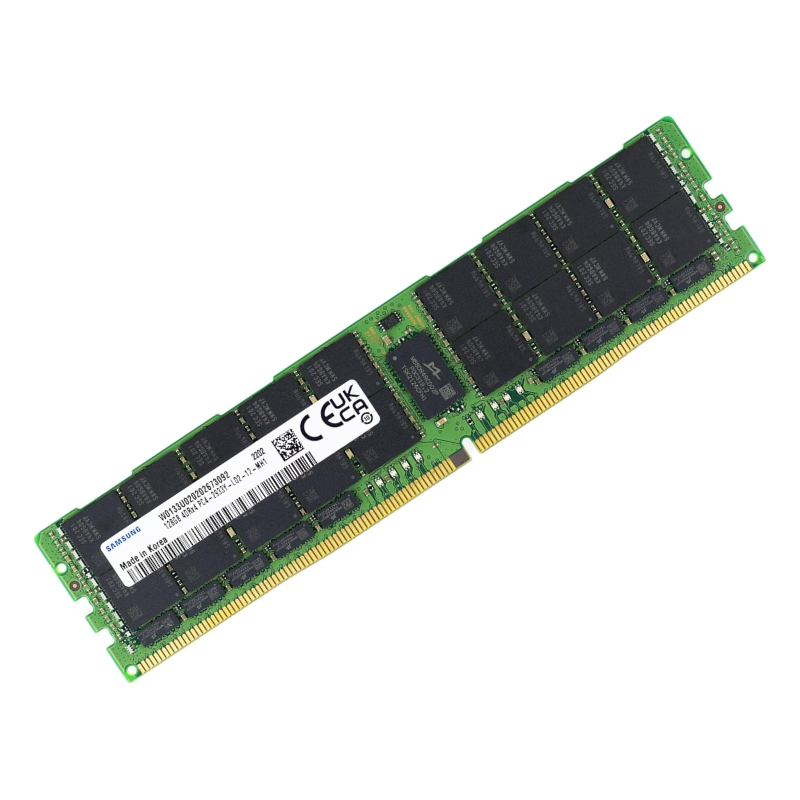


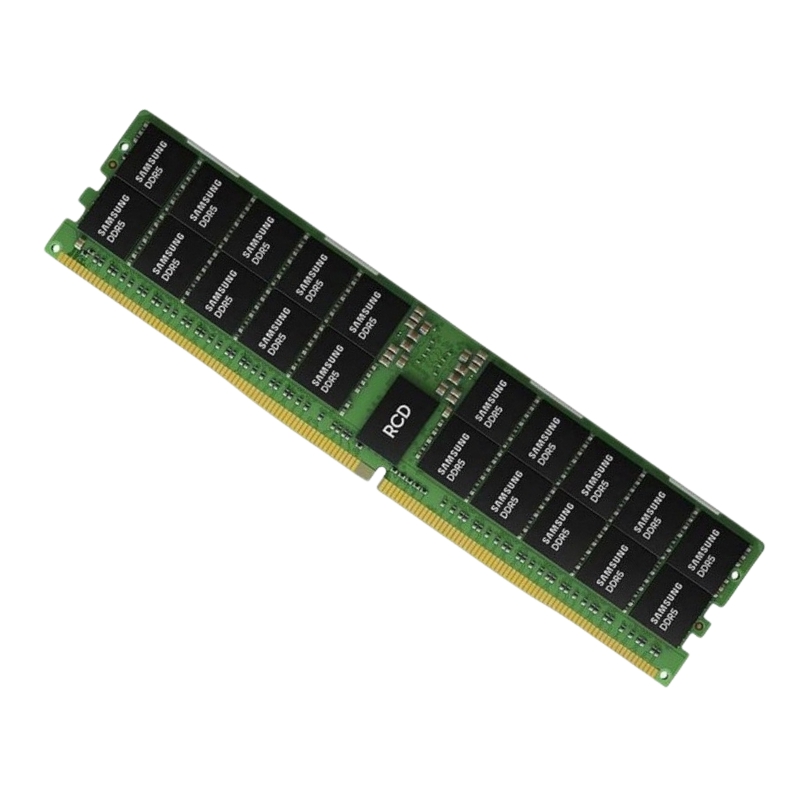
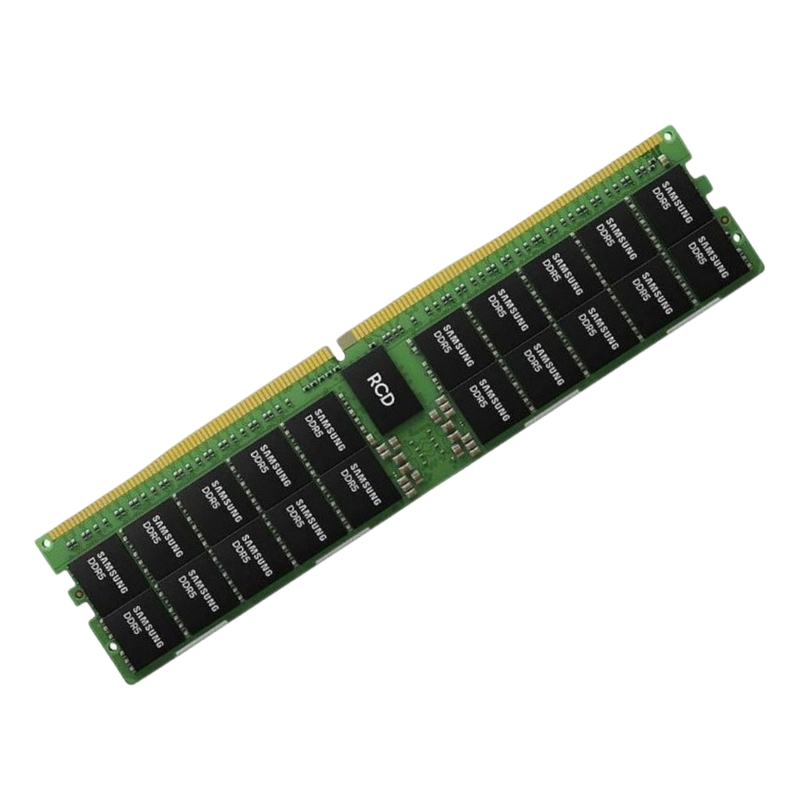
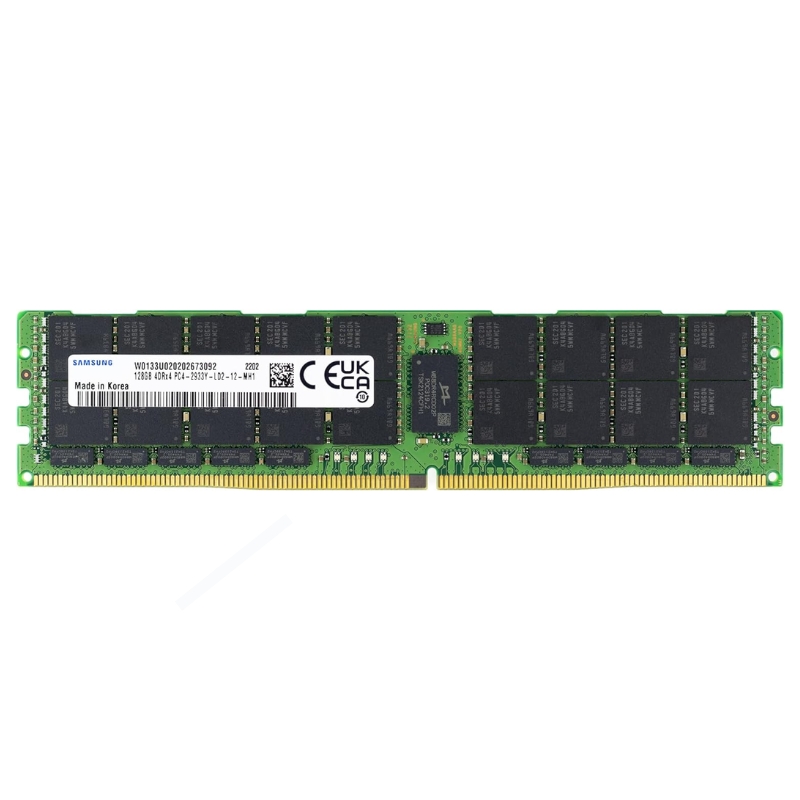
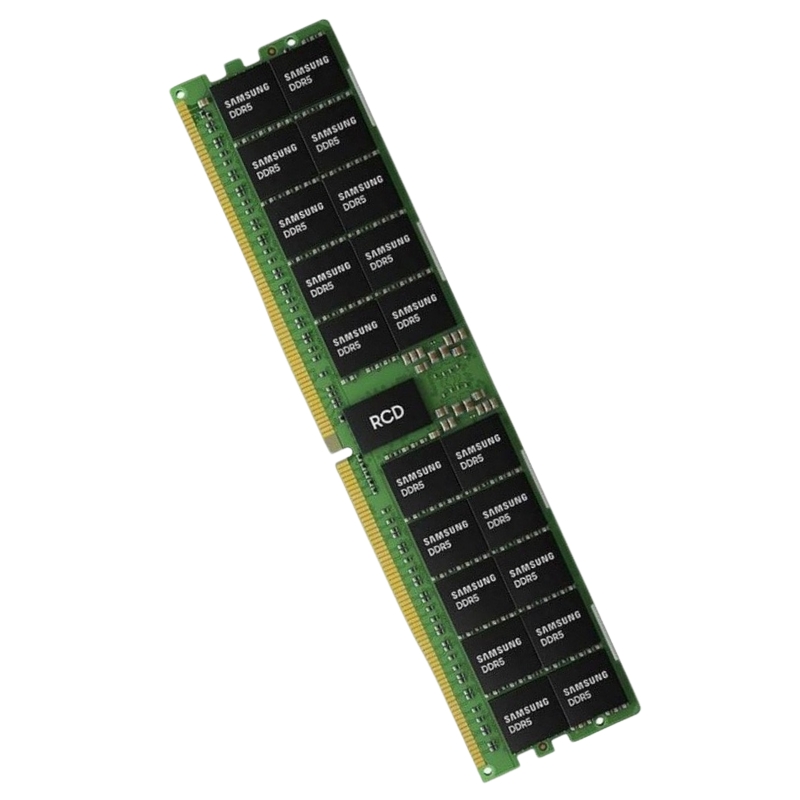
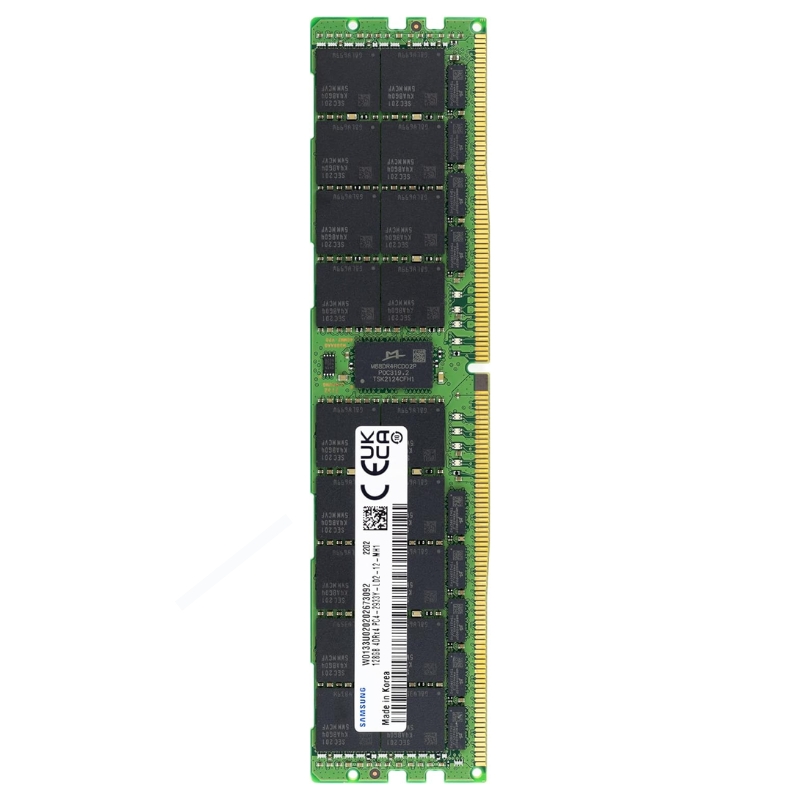
Samsung M393AAG40M3B-CYF 128GB 1X128GB 2933MHZ PC4-23400 Cl24 Ecc Registered Quad Rank X4 1.2v DDR4 SDRAM 288-Pin Rdimm Memory Module For Server. New (System) Pull with 1 year replacement warranty
| SKU/MPN | Warranty | Price | Condition | You save |
|---|---|---|---|---|
| M393AAG40M3B-CYF | 1 Year Warranty | $1,056.00 | New (System) Pull | You save: $369.60 (26%) |
| M393AAG40M3B-CYF | 1 Year Warranty | $1,440.00 | New Sealed in Box (NIB) | You save: $504.00 (26%) |
High-capacity enterprise-grade module engineered for reliability, speed, and seamless compatibility across advanced server platforms.
Within the critical ecosystem of enterprise servers and high-performance computing systems, memory is not merely an accessory—it is the lifeblood that dictates stability, capacity, and throughput. The category encompassing the Samsung M393AAG40M3B-CYF represents the pinnacle of specialized server memory: ECC Registered RDIMMs (Registered Dual In-Line Memory Modules). This specific product is a meticulously engineered 128GB module designed for mission-critical environments where data integrity, large-scale data handling, and relentless uptime are non-negotiable. This detailed exploration delves into the technical specifications, architectural benefits, and ideal deployment scenarios for this class of server memory.
To fully appreciate the capabilities of this module, a thorough examination of its core technical parameters is essential. Each alphanumeric code in its model name signifies a critical attribute, culminating in a component built for server-grade reliability.
With a formidable capacity of 128GB on a single module, the M393AAG40M3B-CYF allows for massive memory configurations. In a multi-socket server platform supporting numerous memory channels, populating all DIMM slots with these modules can lead to terabyte-scale total system memory. This is indispensable for memory-intensive applications such as in-memory databases (like SAP HANA), large virtualization hosts running dozens of virtual machines, high-performance computing (HPC) simulations, and big data analytics platforms where dataset sizes are colossal.
One of the primary advantages of ECC Registered memory is its ability to guarantee data integrity. The error-correcting code feature detects and corrects single-bit memory errors, preventing data corruption. This is particularly crucial in environments where data accuracy and reliability are paramount, such as servers or workstations used for critical tasks.
Operating at a lower voltage of 1.2V, this memory module consumes less power compared to modules that operate at higher voltages. This leads to improved energy efficiency, resulting in reduced power consumption and lower electricity bills. Additionally, it contributes to a greener environment by minimizing the carbon footprint associated with power usage.
The 288-pin design ensures a stable and secure connection between the memory module and the motherboard. This reduces the likelihood of connection issues, such as loose connections or intermittent contacts, which can lead to system instability and data loss. The stable connection ensures consistent performance and reliability.
The "Quad Rank" designation is a key factor in achieving this high density. A "rank" is a set of DRAM chips on the module that are accessed simultaneously by the memory controller. Quad Rank means the module is organized into four independent sets. This architecture allows for the stacking of more memory chips on a single PCB, enabling high capacities like 128GB. However, it also introduces greater electrical load on the memory channel, which is precisely why the "Registered" (RDIMM) component is crucial for signal integrity and system stability at this scale.
Lower-density modules might be Single Rank (SR), Dual Rank (DR), or Quad Rank (QR). While SR and DR modules are less electrically demanding and can sometimes support higher ultimate speeds, QR modules like this Samsung model excel at maximizing the total memory capacity per slot and per channel, which is often the primary goal in data center expansion.
The module operates at a data rate of 2933 Megatransfers per second (MT/s), often expressed as 2933 Mbps. This is also classified under the industry-standard designation PC4-23400. The "PC4" denotes DDR4, and the "23400" refers to the theoretical peak bandwidth in megabytes per second (approximately 23,400 MB/s) for the module. This high bandwidth is critical for reducing bottlenecks in data movement between the CPU and memory, accelerating application response times, and improving overall server throughput for computationally heavy tasks.
Alongside raw speed, latency is a vital performance metric. The CAS Latency (CL) of this module is 24 (CL24). This figure represents the number of clock cycles between a read command and the moment data is available. While higher-speed modules often have higher CL numbers, the true measure is in absolute latency (nanoseconds). At 2933 MT/s with CL24, the module provides an optimal balance of high bandwidth and responsive latency suitable for mixed server workloads.
This is where server memory categorically diverges from standard desktop memory. The features of ECC and Registered buffering are foundational to enterprise-grade stability.
ECC is a non-negotiable feature for any server handling valuable or critical data. It goes beyond simple parity checking. ECC memory can detect and, most importantly, correct single-bit errors on the fly without any operating system or application intervention. It can also detect (but not correct) multi-bit errors, allowing the system to gracefully halt to prevent data corruption. In a server with hundreds of gigabytes of RAM running 24/7, the probability of minor memory errors increases; ECC silently and continuously safeguards data integrity.
The "Registered" in RDIMM indicates the presence of a register, or buffer, on the module itself. This register sits between the server's memory controller and the DRAM chips. Its primary function is to buffer the command and address signals, reducing the electrical load on the controller. This enables the system to support more memory modules per channel—and crucially, higher-density, quad-rank modules like this one—without overloading the controller, thereby enhancing system stability and supporting maximum capacity configurations.
It is important to distinguish this from Unbuffered DIMMs (UDIMMs, common in desktops) and Load Reduced DIMMs (LRDIMMs). UDIMMs lack a register, limiting capacity per channel. LRDIMMs use a more advanced buffer that reduces load even further than RDIMMs, often used for the very highest capacity modules. The Samsung M393AAG40M3B-CYF, as an RDIMM, offers the perfect balance of capacity, performance, and cost for mainstream enterprise servers.
The module's physical construction is standardized yet robust to meet server environmental demands.
The module uses the 288-pin interface standard for all DDR4 RDIMMs. The pin layout and the single key notch in the connector are specifically designed to prevent insertion into incompatible motherboards (e.g., those designed for UDIMMs or DDR3). The printed circuit board (PCB) is typically constructed with multiple layers and high-quality substrates to ensure signal integrity at high speeds.
Operating at the standard DDR4 voltage of 1.2V, this module is more energy-efficient than previous-generation DDR3 modules (which typically used 1.5V or 1.35V). This reduced power consumption is a critical consideration in data centers where every watt counts, impacting both operational electricity costs and thermal management within dense server chassis. The efficient design helps in maintaining lower operating temperatures, contributing to long-term reliability.
The specific combination of high density, ECC protection, and registered architecture makes this memory module suited for well-defined server-class applications.
Modern enterprise servers from vendors like Dell EMC, HPE, Lenovo, and Cisco routinely require such modules. They are the building blocks for virtualization hosts (using VMware vSphere, Microsoft Hyper-V, or KVM) where large, consolidated pools of reliable RAM are needed to allocate to multiple virtual machines simultaneously. The 128GB capacity allows for significant VM density per host.
Platforms like SAP HANA, Oracle Database In-Memory, and Microsoft SQL Server Hekaton fundamentally rely on storing entire working datasets in system RAM to eliminate storage I/O bottlenecks. For these systems, memory capacity, speed, and uncompromising data integrity (via ECC) are paramount. A server configured with multiple 128GB RDIMMs is an ideal foundation for such databases.
In scientific computing, financial modeling, and genomic sequencing, workloads often involve processing enormous datasets through complex calculations. These applications benefit directly from the high bandwidth of 2933 MT/s memory and the large capacity that allows more data to reside closer to the CPU, drastically reducing computation times.


 Contact Us
 Information
 Catalog
 Solid State Drives (SSD)
 Network Switches
 Hard Disk Drives
 HBA & Controllers
 PC & Servers
 PC & Server Memory
 CPU & Processors
 Network Routers
 Power Supplies
 Tape Drives & Libraries
 Network Devices
 Computer & Network Cables