(7% discount is applied at checkout)
Cart is empty
Your go-to destination for cutting-edge server products
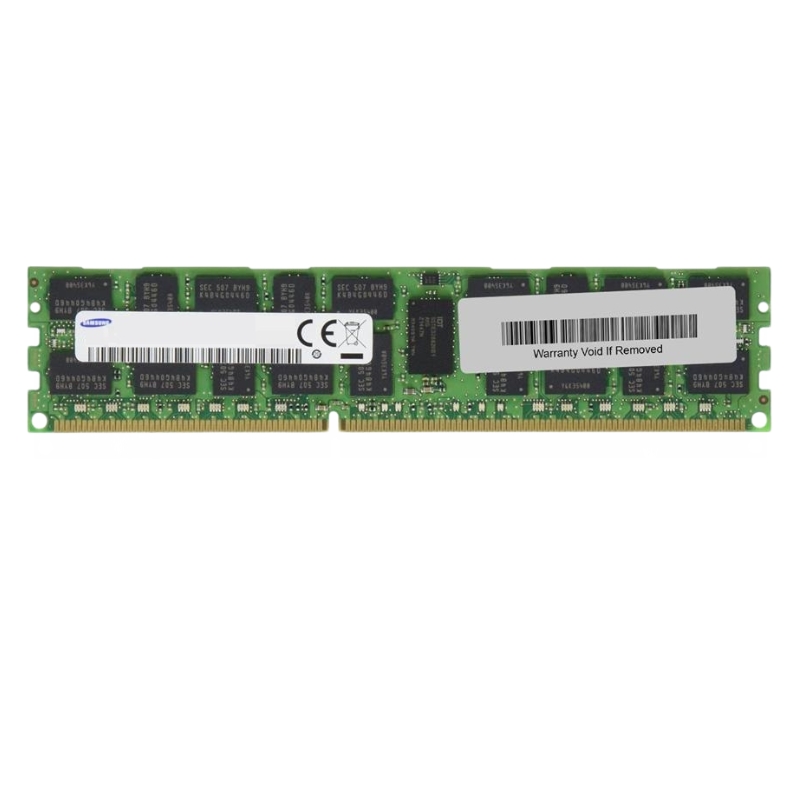


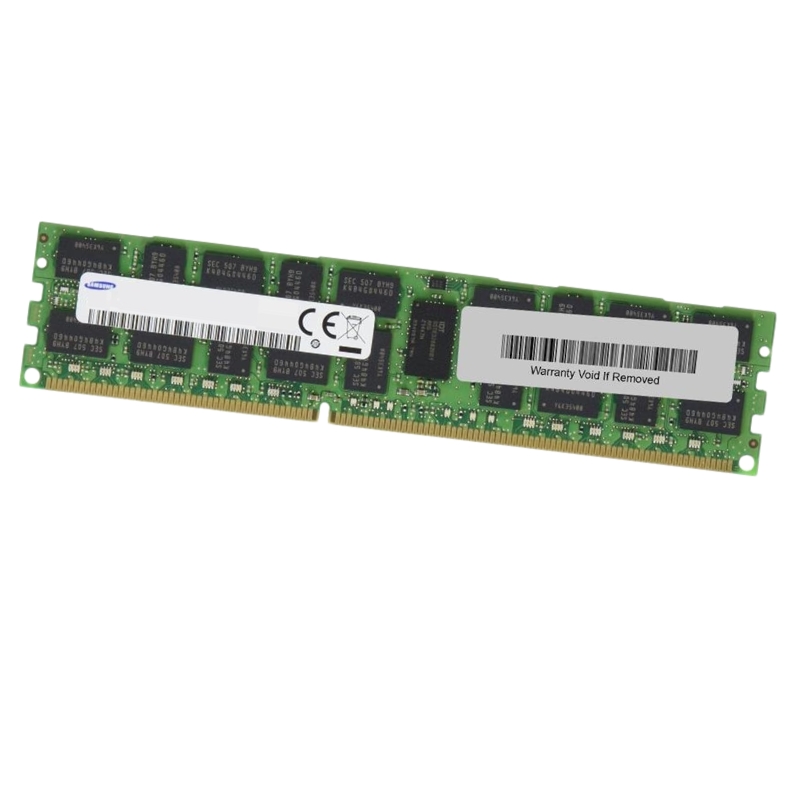
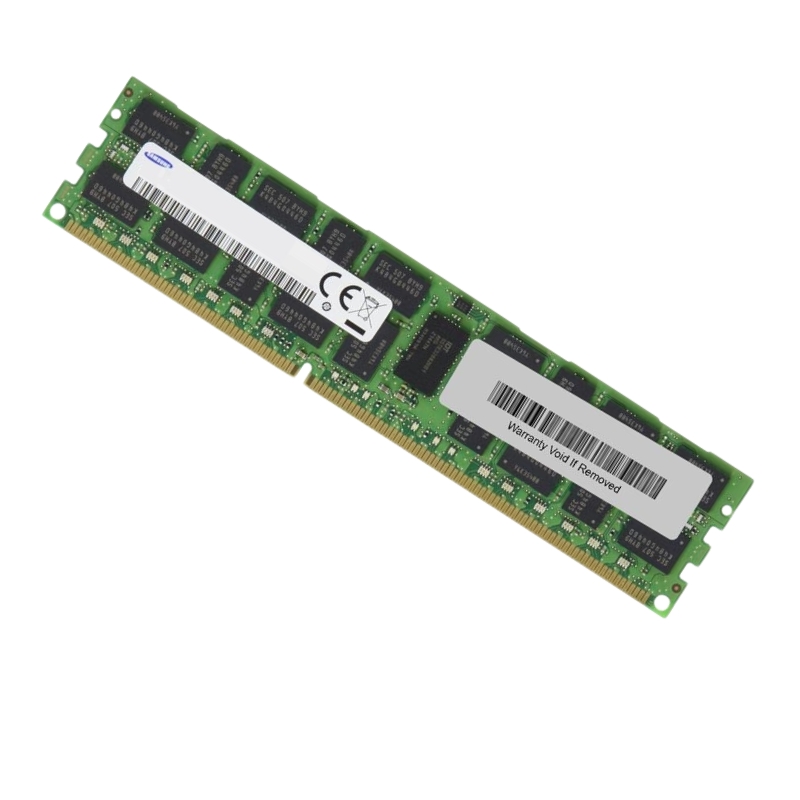
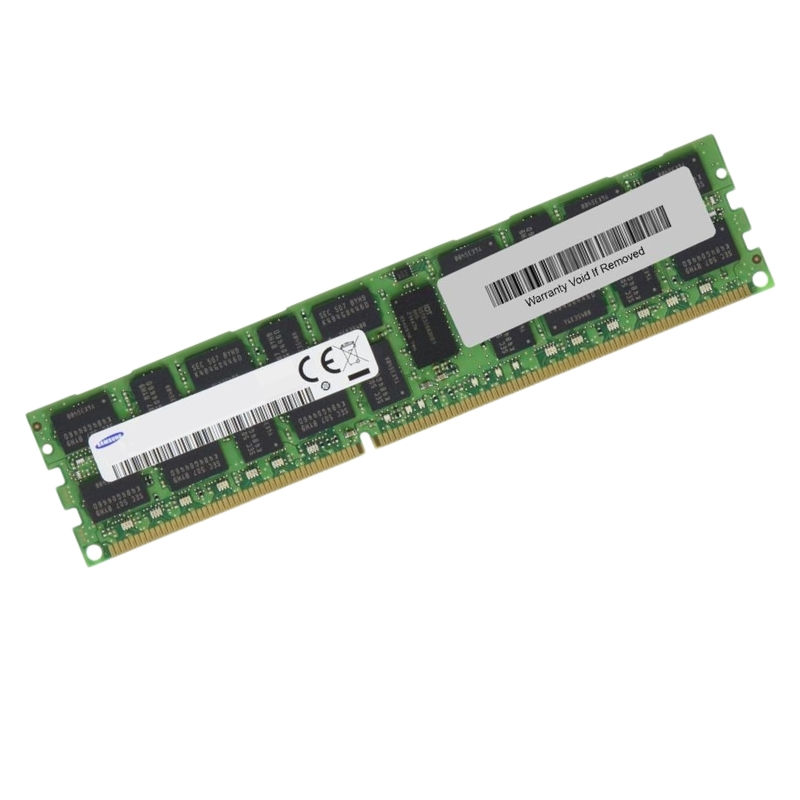
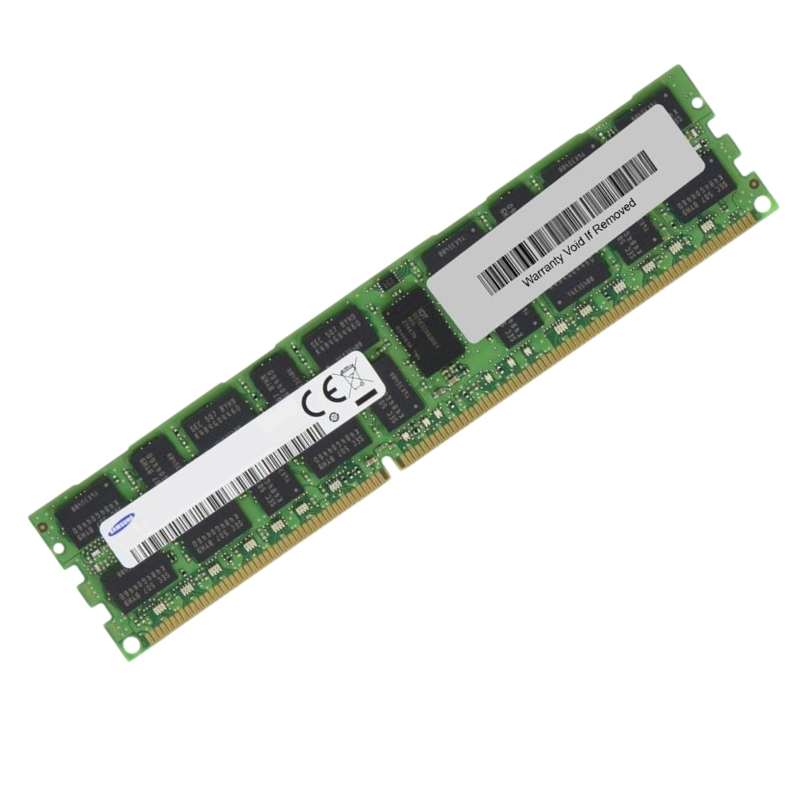
Samsung M393B4G70DM0-YH9 32GB 1333MHz PC3-10600 Quad Rank Ecc Registered CL9 1.35V DDR3 SDRAM 240-Pin RDIMM Memory Kit. New (System) Pull with 1 Year Replacement Warranty
The Samsung M393B4G70DM0-YH9 is a high-performance 32GB DDR3 SDRAM memory module designed for servers and workstations that require reliable and fast memory solutions. With advanced features like ECC and registered signaling, it ensures stable performance under heavy workloads.
This Samsung 32GB DDR3 RDIMM memory module is compatible with a wide range of servers and workstations. It is optimized for enterprise systems that support DDR3-1333 PC3-10600 memory, ECC, and registered configurations.
The Samsung M393B4G70DM0-YH9 32GB 1333MHz PC3-10600 Quad Rank ECC Registered DDR3 SDRAM RDIMM memory kit belongs to a specialized category of enterprise-class server memory modules designed for reliability, stability, and consistent performance in data centers, enterprise servers, and workstation environments. This category focuses on Registered DIMMs (RDIMMs) that integrate buffering and error correction technologies, making them suitable for systems where uptime and data integrity are essential.
Unlike consumer-grade memory, this category emphasizes fault tolerance, scalability, and compatibility with professional server platforms from major vendors such as Dell, HP, IBM, Lenovo, and Supermicro. These modules are widely used in virtualization clusters, cloud infrastructure, database servers, and enterprise applications that demand predictable memory behavior under continuous workloads.
Modules in this category feature a large 32GB capacity per stick, enabling system builders to achieve high total memory capacities even with limited DIMM slots. This is particularly valuable for servers and workstations that support large in-memory datasets, virtualization with multiple virtual machines, or memory-intensive applications such as big data analytics and scientific computing.
DDR3 SDRAM (Double Data Rate 3 Synchronous Dynamic Random Access Memory) represents a mature and widely deployed memory technology. This category benefits from DDR3’s balance of bandwidth, power efficiency, and cost-effectiveness, making it suitable for organizations maintaining legacy platforms or seeking reliable memory upgrades for existing systems.
The 1333MHz operating frequency (PC3-10600) provides a theoretical bandwidth of up to 10.6 GB/s per module. In enterprise scenarios, this speed is well-matched to the memory controllers of Intel Xeon and AMD Opteron processors from the DDR3 era, ensuring stable throughput for multi-threaded server workloads without introducing unnecessary latency or power overhead.
ECC memory is a defining feature of this category. It can automatically detect and correct single-bit memory errors and detect multi-bit errors. This is crucial in server environments where silent data corruption could lead to system crashes, corrupted databases, or inaccurate calculations. ECC ensures long-term reliability, making this memory ideal for financial systems, healthcare databases, and enterprise resource planning platforms.
Registered DIMMs include a register between the DRAM modules and the memory controller. This register reduces the electrical load on the memory controller, enabling systems to support more memory modules and higher total capacities. This category is therefore suited for servers with multiple DIMM slots and multi-channel memory architectures.
Compared to unbuffered DIMMs (UDIMMs), RDIMMs provide improved signal integrity and scalability. This makes them the standard choice for enterprise servers, where stability under heavy memory loads is far more important than minimal latency differences found in consumer systems.
Quad rank memory modules are built using four logical ranks of memory chips. Each rank operates as an independent set of DRAM devices that share the same data bus. This design allows higher memory density on a single module, making 32GB capacity possible with DDR3 technology.
Quad rank modules are typically supported only by server-grade memory controllers. While they provide higher density, system builders must ensure their motherboard and CPU support quad rank RDIMMs. This category is targeted specifically at enterprise hardware that can take full advantage of such high-density modules.
This category emphasizes low-voltage operation at 1.35V, compared to traditional 1.5V DDR3 modules. Lower voltage results in reduced power consumption and heat output, which is especially important in large data centers with thousands of memory modules operating continuously.
Most enterprise motherboards designed for DDR3 support both 1.5V and 1.35V memory, allowing low-voltage modules to operate seamlessly without sacrificing compatibility.
CAS Latency (CL) refers to the delay between a memory controller requesting data and the data becoming available. CL9 is a balanced latency specification for DDR3-1333 memory, offering a reliable compromise between speed and stability.
In server environments, consistent response time and reliability are more important than minimal latency differences. CL9 ensures predictable performance across a wide range of workloads without stressing the memory controller.
This category prioritizes throughput and stability over ultra-low latency, making CL9 an optimal choice for applications like virtualization, file serving, and database management.
The 240-pin RDIMM form factor is the standard for DDR3 server memory. This ensures compatibility with a wide array of enterprise motherboards and server platforms designed for DDR3 technology.
High-capacity RDIMM modules are essential in virtualization environments, where multiple virtual machines compete for system memory. This category allows servers to host more VMs while maintaining consistent performance.
Databases benefit greatly from large memory pools for caching and query optimization. ECC RDIMM memory ensures that data remains accurate and available even under heavy transactional loads.
Scientific simulations, financial modeling, and engineering workloads often require both high memory capacity and reliability. This category supports such tasks by delivering stable performance over extended computation periods.
This memory category is designed primarily for Intel Xeon and AMD Opteron processors that feature integrated memory controllers supporting DDR3 ECC Registered modules. These CPUs are widely used in enterprise servers and workstations.
Registered DIMMs are designed for scalability and reliability, while UDIMMs are targeted at desktops and entry-level systems. This category clearly serves enterprise use cases where memory density and error correction are critical.
Although DDR4 and DDR5 offer higher speeds and efficiencies, DDR3 RDIMM memory remains relevant for existing infrastructures. This category focuses on maximizing the value and performance of DDR3-based systems.
Quad rank modules offer higher capacity per slot, while dual rank modules may offer slightly better compatibility in some systems. This category emphasizes capacity and density, making quad rank ideal for memory-constrained environments.


 Contact Us
 Information
 Catalog
 Solid State Drives (SSD)
 Network Switches
 Hard Disk Drives
 HBA & Controllers
 PC & Servers
 PC & Server Memory
 CPU & Processors
 Network Routers
 Power Supplies
 Tape Drives & Libraries
 Network Devices
 Computer & Network Cables