(7% discount is applied at checkout)
Cart is empty
Your go-to destination for cutting-edge server products
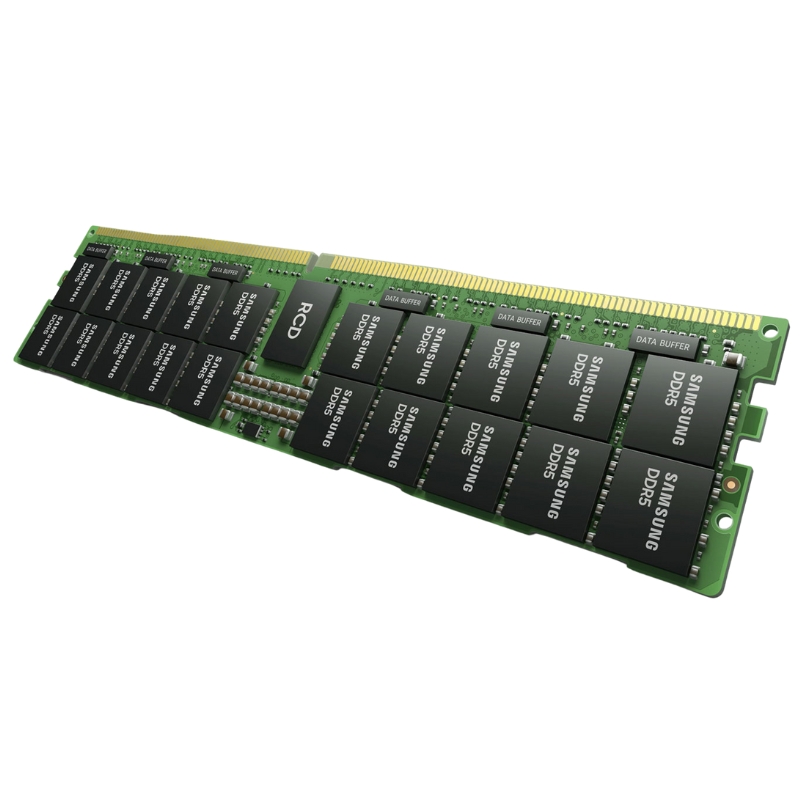


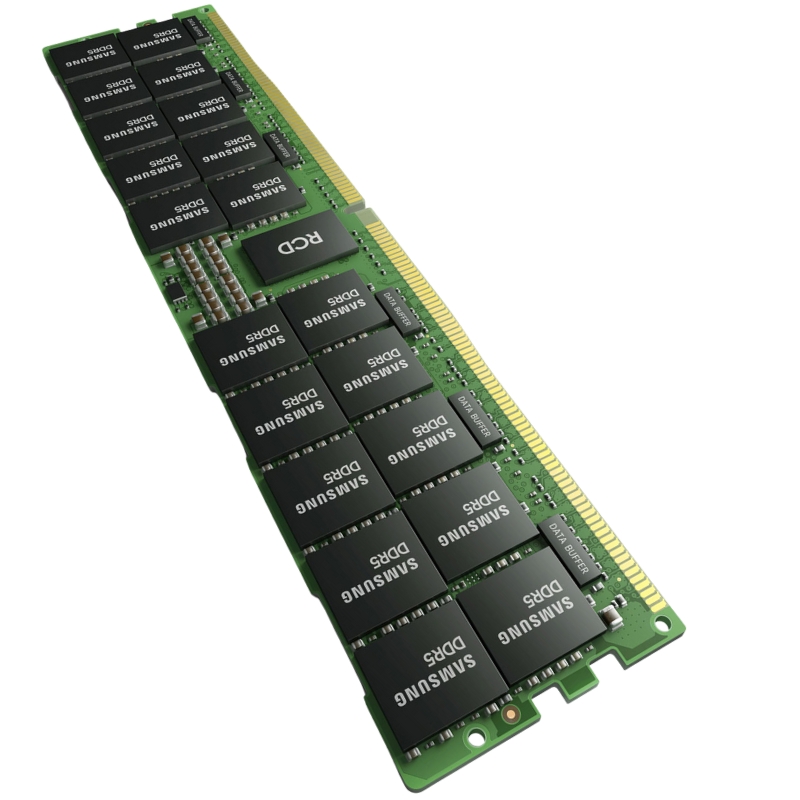
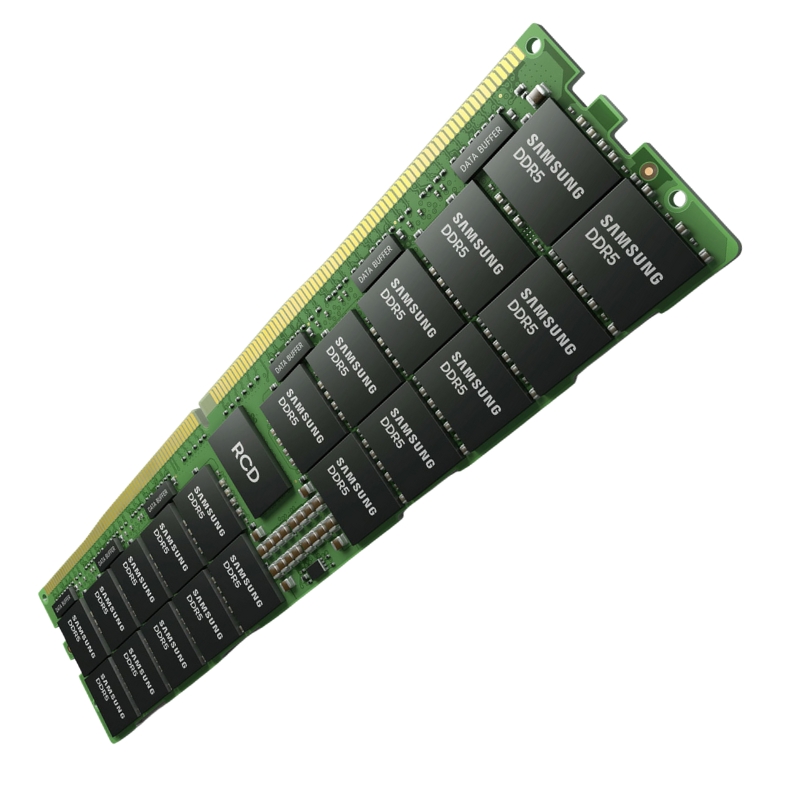
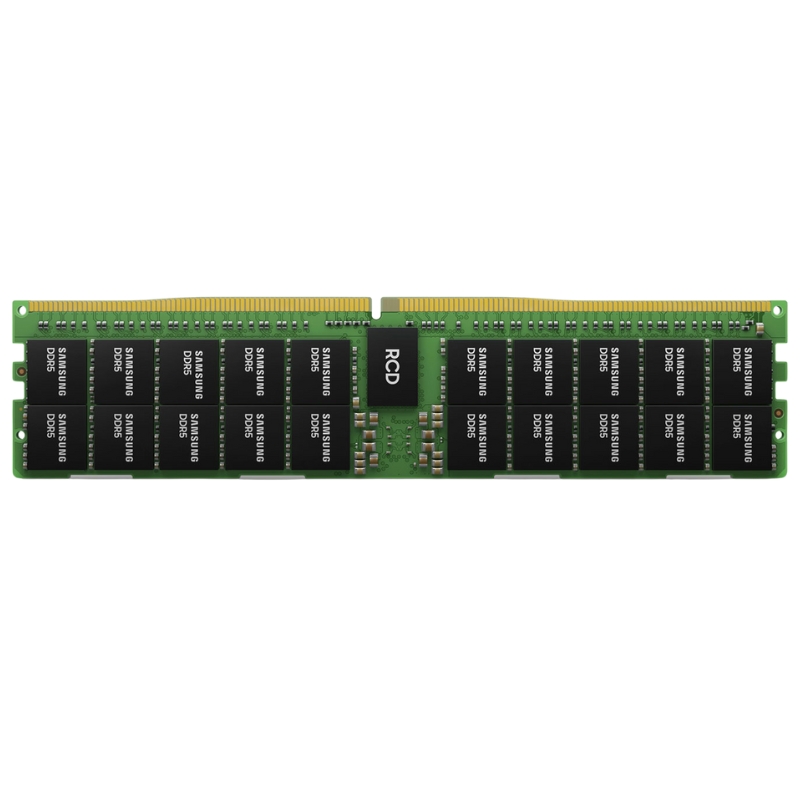
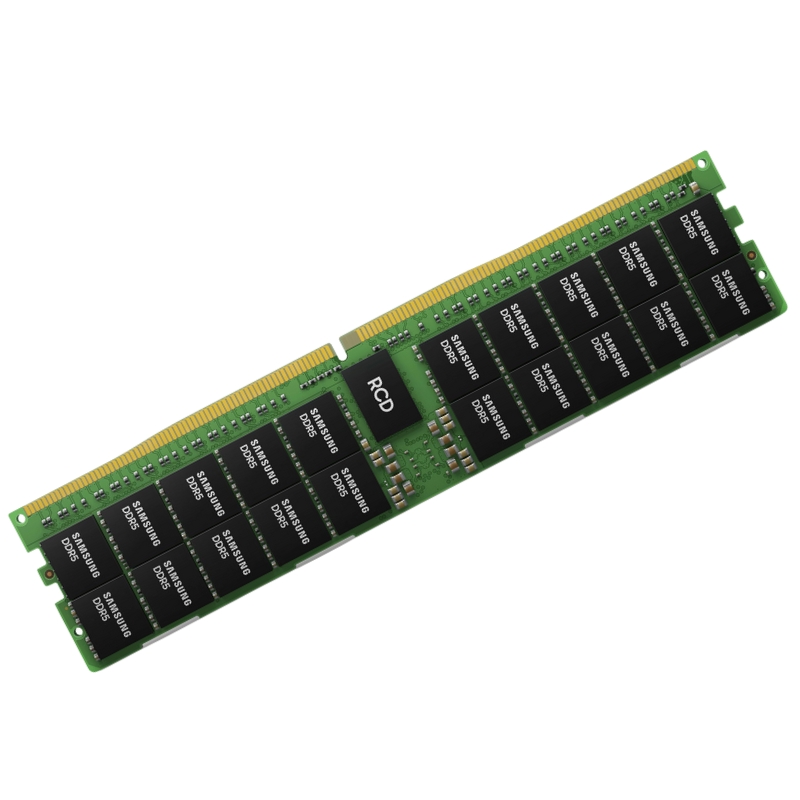
Samsung M426R4GA3BB0-CQK 32GB 4800MHz PC5-38400 1.1V DDR5 SDRAM 262-Pin Sodimm CL46 ECC 2rx8 Memory Module. New Sealed in Box (NIB) with 3 Year Warranty
The Samsung M426R4GA3BB0-CQK is a high-performance 32GB PC5-38400 DDR5-4800Mbps 2Rx8 SDRAM module designed to deliver exceptional speed, reliability, and efficiency for modern computing systems.
The Samsung M426R4GA3BB0-CQK 32GB PC5-38400 DDR5-4800Mbps 2Rx8 Memory belongs to the advanced DDR5 memory module category designed to support modern computing platforms that demand higher bandwidth, improved efficiency, and greater scalability. This category encompasses high-capacity memory solutions engineered for next-generation systems, including enterprise servers, professional workstations, and advanced computing environments where stability, performance consistency, and data integrity are essential. As part of Samsung’s DDR5 ecosystem, this memory module represents a transition from legacy standards toward a more intelligent and power-efficient memory architecture.
The category focuses on high-density DDR5 memory modules that leverage architectural improvements to deliver measurable gains in throughput while maintaining reliable operation under sustained workloads. The Samsung M426R4GA3BB0-CQK fits within this scope by offering a 32GB capacity paired with a PC5-38400 rating, aligning with DDR5-4800 specifications. This places the product firmly within the performance tier required for systems that process large datasets, operate multiple virtual machines, or run memory-intensive applications continuously.
DDR5 memory represents a significant evolution over previous DDR generations, introducing a redesigned architecture that prioritizes bandwidth scaling and energy efficiency. The Samsung M426R4GA3BB0-CQK category benefits from these changes by utilizing higher base frequencies and an improved channel structure. DDR5 modules feature dual independent 32-bit channels per DIMM, compared to the single 64-bit channel architecture found in DDR4. This structural change allows for more efficient memory access and reduced latency penalties under parallel workloads.
Within this category, memory modules such as the Samsung M426R4GA3BB0-CQK take advantage of higher burst lengths and improved bank group organization. These enhancements help minimize bottlenecks when multiple cores request data simultaneously. The DDR5 platform also introduces on-die error management and improved signal integrity, which contribute to overall system stability. These architectural improvements make this category particularly suitable for systems that operate at scale or require consistent performance over long operational cycles.
The PC5-38400 classification indicates a theoretical peak bandwidth of 38.4GB/s per module. This bandwidth level is a defining characteristic of the category and directly influences application responsiveness and data throughput. In practical terms, higher bandwidth enables faster data transfers between the processor and memory, reducing wait times for compute-intensive tasks. For professional workloads such as data analytics, simulation, and content creation, this category offers tangible performance benefits.
The Samsung M426R4GA3BB0-CQK operates at a DDR5-4800 data rate, which aligns with industry-standard JEDEC specifications for early DDR5 implementations. This ensures broad compatibility with supported platforms while delivering a balanced approach to speed and stability. The category emphasizes reliable sustained performance rather than extreme overclocking, making it well-suited for environments where predictability is more valuable than peak benchmark scores.
A defining attribute of this category is the 32GB module capacity, which provides ample memory resources for demanding systems. Higher capacity modules reduce the need for populating all available DIMM slots, allowing for improved airflow, simplified system configuration, and future scalability. The Samsung M426R4GA3BB0-CQK exemplifies this approach by offering substantial capacity in a single module, making it easier to design balanced memory configurations.
In server and workstation environments, memory capacity directly affects the ability to handle concurrent processes and large datasets. This category is optimized for scenarios where applications require significant in-memory data storage, such as database management systems, virtualization platforms, and scientific computing. The 32GB capacity allows systems to maintain high performance even as workloads grow more complex.
The 2Rx8 configuration refers to a dual-rank module built with x8 memory chips. This configuration is common in higher-capacity memory modules and offers specific performance and compatibility benefits. Dual-rank designs can improve memory interleaving, allowing the memory controller to alternate access between ranks and improve effective throughput under certain workloads.
Within this category, the 2Rx8 design also contributes to compatibility with a wide range of enterprise-grade platforms. Many server and workstation motherboards are optimized for x8-based memory modules due to their balance of density and performance. The Samsung M426R4GA3BB0-CQK fits seamlessly into these environments, supporting stable operation and predictable performance behavior.
DDR5 memory introduces a new approach to power management by integrating voltage regulation directly onto the memory module. This category benefits from on-module power management integrated circuits that provide more precise voltage control compared to earlier generations. By shifting voltage regulation closer to the memory chips, DDR5 modules achieve improved power efficiency and reduced electrical noise.
The Samsung M426R4GA3BB0-CQK category is designed to operate at lower nominal voltages than DDR4 while delivering higher performance. This efficiency is particularly valuable in data center and enterprise environments where power consumption and thermal output directly impact operational costs. Improved power efficiency also contributes to system stability, as consistent voltage delivery helps maintain signal integrity at higher data rates.
Reliability is a core focus of the category that includes the Samsung M426R4GA3BB0-CQK. Memory modules in this class are designed for continuous operation in environments where downtime is not acceptable. Enhanced error management features and rigorous validation processes ensure that these modules meet the expectations of enterprise and professional users.
DDR5 technology incorporates on-die error correction mechanisms that help improve manufacturing yields and operational reliability. While system-level error correction capabilities depend on platform support, the category emphasizes data integrity and stability. This makes it suitable for mission-critical applications where data accuracy is paramount.
The Samsung M426R4GA3BB0-CQK category is aligned with modern processor architectures and chipsets that support DDR5 memory. Compatibility extends to a range of server and workstation platforms designed to leverage the increased bandwidth and efficiency of DDR5. Adherence to JEDEC standards ensures that these modules can be deployed with confidence in supported systems.
System integrators and IT professionals benefit from predictable compatibility behavior, as standardized specifications reduce the risk of configuration issues. This category supports scalable memory configurations, allowing systems to grow in capacity as requirements evolve without sacrificing stability.
Scalability is a central theme within this category, as DDR5 memory is designed to support higher capacities and data rates over its lifecycle. The Samsung M426R4GA3BB0-CQK fits into this forward-looking approach by providing a foundation for systems that may be expanded or upgraded in the future. Higher per-module capacities reduce the need for frequent hardware changes as memory requirements grow.
The category supports emerging processor architectures that rely on increased memory bandwidth to deliver performance gains. By adopting DDR5 memory solutions, systems can remain relevant as software and workloads evolve. This future-proofing aspect is particularly important for enterprise deployments where hardware investments are expected to deliver value over multiple years.
Advanced computing technologies such as artificial intelligence, machine learning, and high-performance computing place significant demands on memory subsystems. The Samsung M426R4GA3BB0-CQK category supports these technologies by providing the bandwidth and capacity required to handle large models and datasets. Efficient memory access helps accelerate training and inference workloads.
As these technologies continue to mature, the importance of a robust memory foundation becomes increasingly evident. This category is positioned to support such advancements by aligning with the performance and efficiency requirements of modern computing paradigms.
The value proposition of the Samsung M426R4GA3BB0-CQK category lies in its combination of capacity, bandwidth, and reliability. By adhering to DDR5 standards and leveraging Samsung’s manufacturing expertise, this category offers a dependable solution for demanding computing environments. The emphasis on stability and compatibility makes it a practical choice for organizations seeking predictable performance.
In the broader memory market, this category occupies a space that prioritizes professional and enterprise needs over consumer-focused features. While gaming and enthusiast markets often emphasize overclocking potential, this category focuses on sustained operation and data integrity. This positioning aligns with the expectations of users who value consistency and reliability above all else.


 Contact Us
 Information
 Catalog
 Solid State Drives (SSD)
 Network Switches
 Hard Disk Drives
 HBA & Controllers
 PC & Servers
 PC & Server Memory
 CPU & Processors
 Network Routers
 Power Supplies
 Tape Drives & Libraries
 Network Devices
 Computer & Network Cables