(7% discount is applied at checkout)
Cart is empty
Your go-to destination for cutting-edge server products
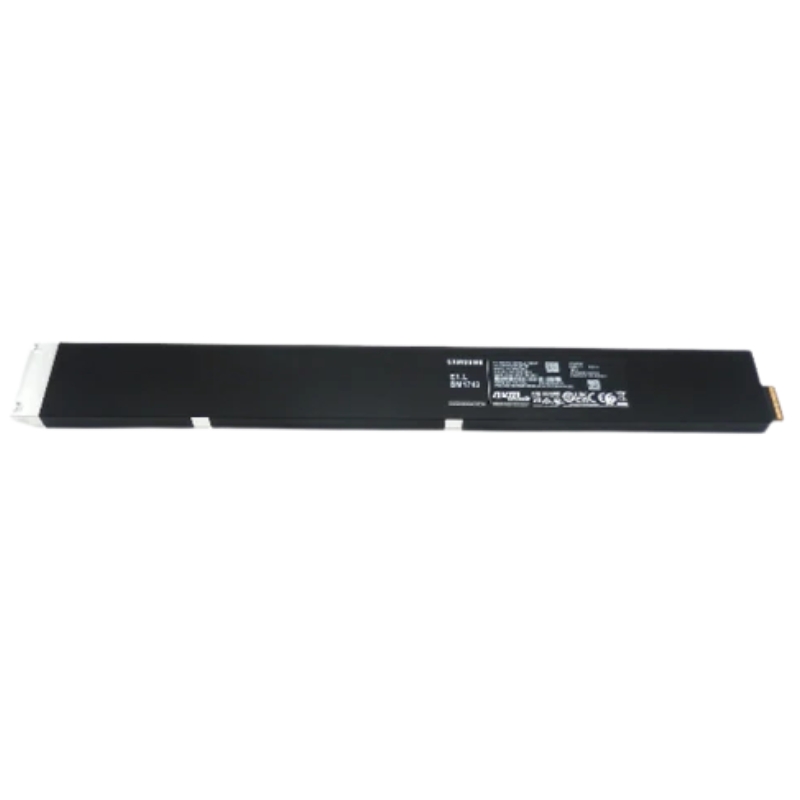


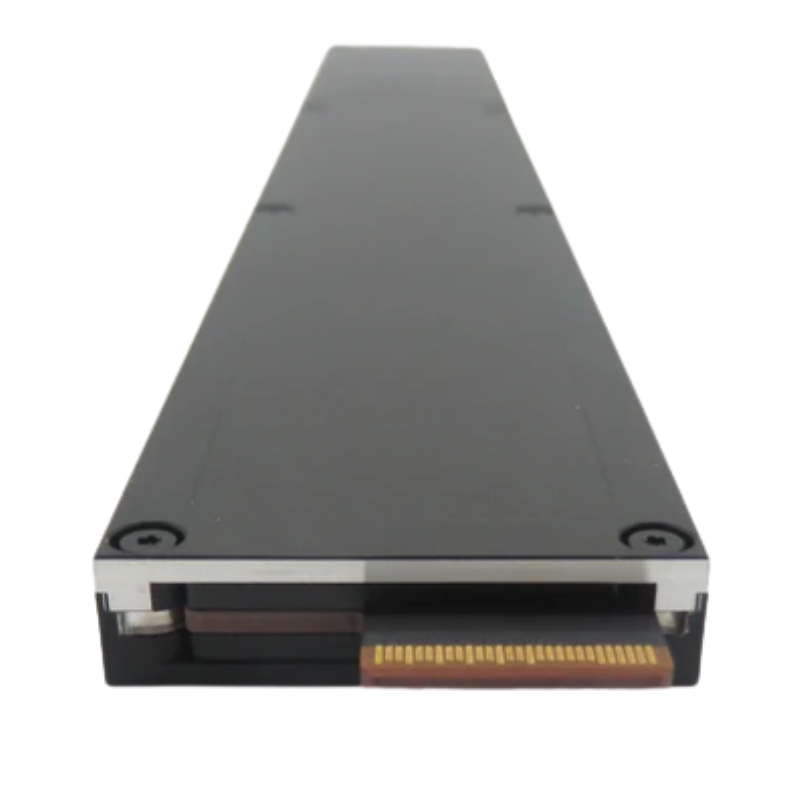
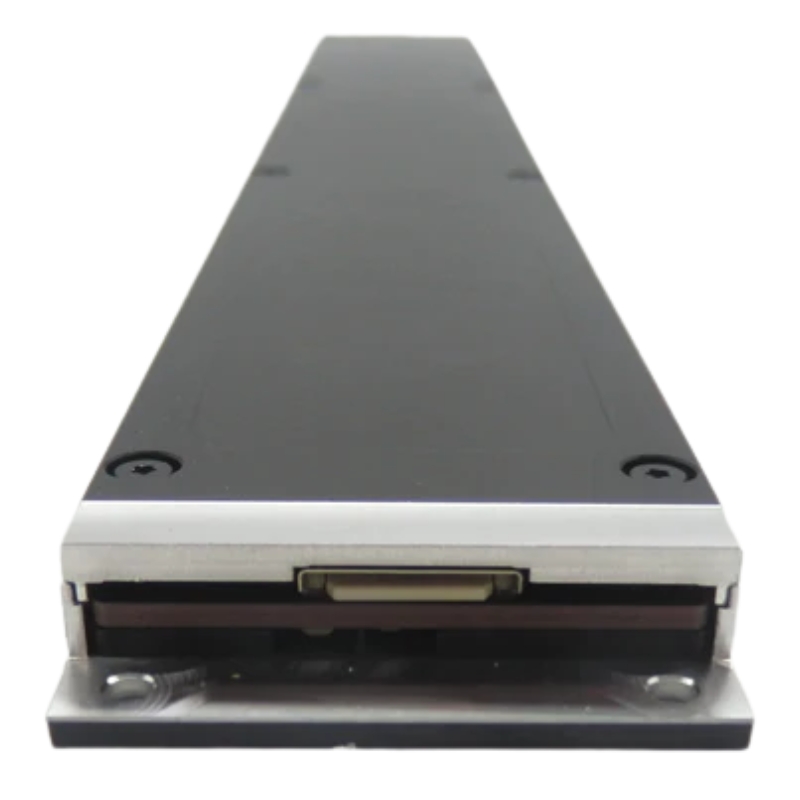
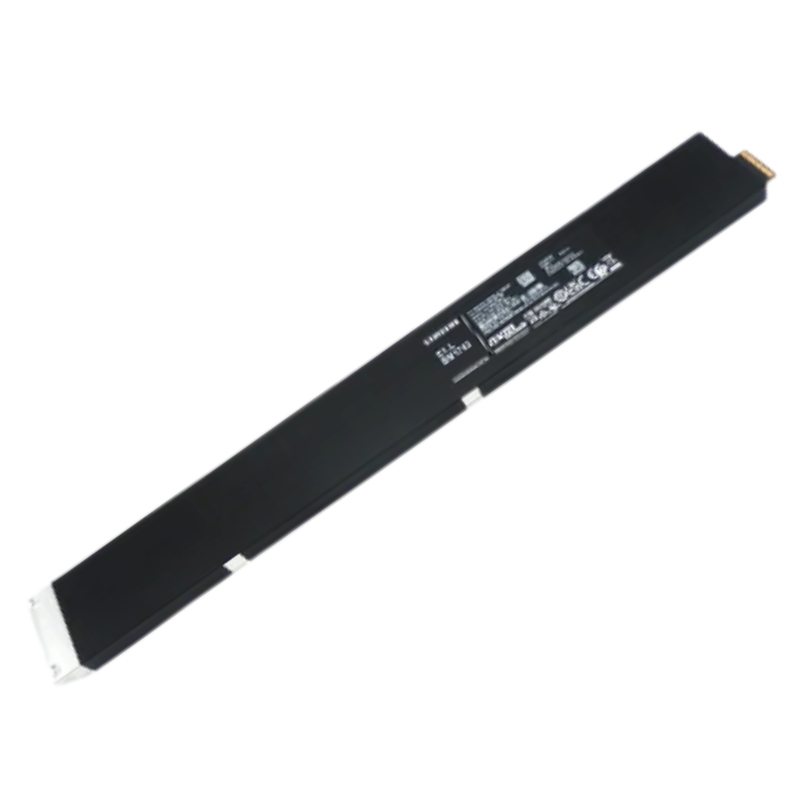
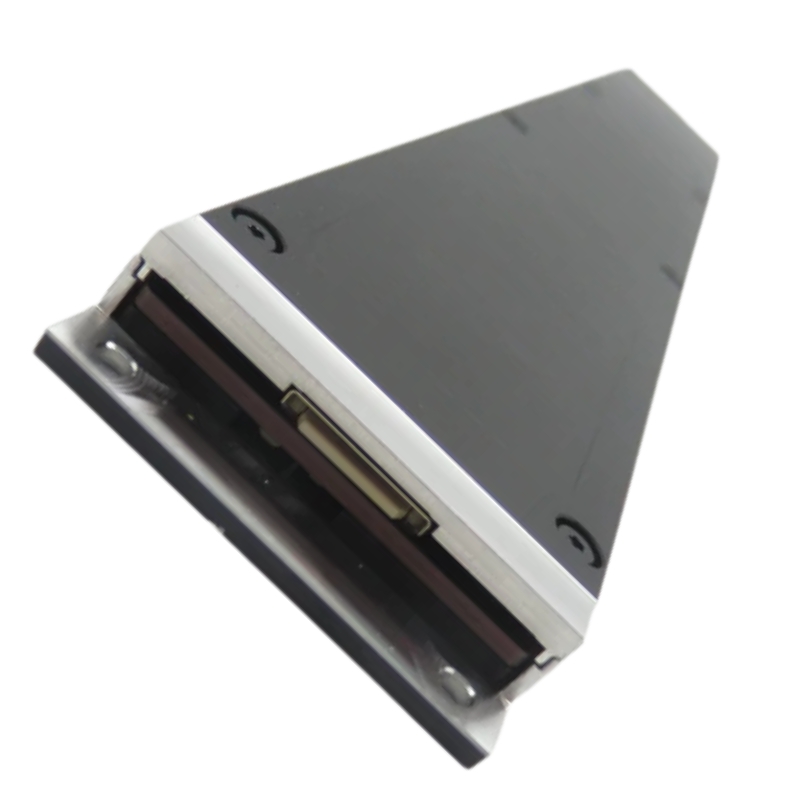
Samsung MZ-EMO15TA 15.36TB NVMe BM1743 E1.l Solid State Drive. Excellent Refurbished with 1 Year Replacement Warranty
The Samsung BM1743 delivers exceptional solid-state performance with a massive 15.36TB of ultra-fast NVMe storage, tailored for data-intensive environments and scalable infrastructure.
Engineered for enterprise-grade reliability and speed, this SSD offers:
Designed to meet the demands of modern data centers, the BM1743 excels in:
This SSD is ideal for:
The E1.L design ensures:
The Samsung 15.36TB NVMe MZ-EMO15TA BM1743 E1.l is a high-capacity, enterprise-grade solid state drive designed for modern data center workloads that demand sustained throughput, low latency, and robust endurance. Built on Samsung’s proven NVMe architecture and advanced flash memory engineering, this drive targets hyperscale storage deployments, cloud platforms, virtualization hosts, and AI/ML inference and training nodes where density, performance, and availability are paramount. The MZ-EMO15TA combines a large 15.36TB capacity in a single E1.L form-factor device with consistent I/O characteristics, power optimized behavior, and the manageability features required by enterprise storage teams.
The core strengths of the MZ-EMO15TA center on three pillars: capacity density, NVMe performance, and enterprise resiliency. For organizations that prioritize maximizing usable terabytes per rack unit and minimizing storage cost per usable TB, this model delivers a compelling balance of raw capacity and enterprise endurance. NVMe protocol support ensures that latency-sensitive applications — from distributed databases to NVMe-oF (NVMe over Fabrics) storage grids — can benefit from direct PCIe/NVMe class performance characteristics. Samsung’s firmware, quality controls, and service ecosystem further position this SSD as a top-tier option for mission-critical production deployments.
The 15.36TB nominal capacity is implemented using Samsung’s latest high-density TLC or QLC-based NAND configurations (model and NAND generation may vary by production batch). The E1.L form factor offers a long, low-profile NVMe module designed for sled-style or edge card designs in dense server platforms. This allows data centers to pack more raw terabytes per unit of rack space while keeping power and thermal constraints manageable.
The drive uses PCIe Gen3/Gen4-compatible NVMe interface (implementation specifics depend on SKU), exposing one or more NVMe namespaces to host operating systems and storage controllers. NVMe brings several advantages: low queue depths with high effective IOPS, high parallelism with multiple submission and completion queues, and secure firmware update pathways. For large-scale deployments, the drive’s NVMe compliance ensures compatibility with NVMe-oF gateways and modern storage orchestrators.
At the heart of the MZ-EMO15TA is a Samsung-designed controller tuned for enterprise multi-TB workloads. The controller coordinates error correction, wear-leveling, garbage collection, and background maintenance tasks in a way that prioritizes predictable latency. Samsung firmware versions often include telemetry hooks and power-fail protection logic designed to prevent data loss during unexpected interruptions. Error correction capabilities (ECC strength) are sized to match the high-density flash to preserve data integrity over the device’s rated lifespan.
Performance for this category is defined not only by peak sequential read/write numbers, but by sustainable throughput under mixed workloads and consistent tail latency at scale. Expect high sequential read performance suitable for large-file streaming and snapshots, strong sequential write behavior for bulk ingest, and sustained random read/write IOPS optimized for multi-tenant virtualized environments. Real-world performance depends on host platform PCIe lane availability, cooling, and firmware tuning; nevertheless, the drive is engineered to deliver datacenter-grade performance curves.
Endurance is one of the most critical metrics for enterprise SSD selection. The 15.36TB class of Samsung NVMe drives typically comes with an endurance rating expressed in Drive Writes Per Day (DWPD) or total terabytes written (TBW) across the warranty period. These ratings reflect realistic enterprise workload assumptions and are backed by Samsung’s quality validation. Administrators planning heavy logging, database, or caching workloads should map expected writes per day to the drive’s DWPD to ensure lifecycle alignment.
Enterprise-grade features such as power-loss protection capacitors and firmware flush mechanisms help protect in-flight data during sudden outages. The drive’s firmware implements commit and rollback strategies for metadata and block mapping tables to ensure file system consistency. For distributed storage systems that rely on synchronous writes, the hardware-level safeguards in the MZ-EMO15TA reduce the risk of corruption and accelerate recovery after unplanned shutdowns.
Samsung provides MTBF figures and limited warranties tailored to this product class — usually aligning with three to five-year enterprise warranties depending on the SKU and purchase channel. Warranty coverage commonly includes defects in materials and workmanship and may incorporate TBW thresholds. Enterprises should review warranty terms carefully to understand RMA processes and replacement timelines, especially in environments where redundancy is measured in minutes.
Dense NVMe modules can generate significant heat under sustained load. The MZ-EMO15TA is designed with thermal management features such as heat spreaders, optimized PCB layout, and firmware-assisted thermal monitoring. To avoid thermal throttling that can reduce throughput and increase latency, system integrators should plan for adequate airflow, proper rack arrangement, and continuous monitoring. Server BIOS/firmware settings and vendor-supplied telemetry tools enable administrators to set thermal thresholds and enforce graceful workload migration before throttling occurs.
Power per terabyte is a vital metric in hyperscale data centers. Samsung’s enterprise NVMe drives are tuned to balance high throughput with reasonable power draw, offering idle and active power states that align with NVMe power management specifications. Smart power management — including low-power idle states and rapid transition back to active states — helps optimize total cost of ownership (TCO) and cooling budgets.
The large capacity of this drive makes it an excellent candidate for object storage backend nodes where each drive contributes many terabytes to the storage pool. With appropriate erasure coding or replication, the MZ-EMO15TA enables lower rack unit counts for a given capacity footprint — a big win for capacity-optimized tiers in cloud and large distributed storage systems.
Virtual Desktop Infrastructure (VDI) workloads and densely packed hypervisor hosts benefit from high IOPS and low latency across many concurrent threads. High-capacity drives reduce the number of spindles or devices required for large VM estates, simplifying management and decreasing failure domain counts. When used in combination with tiering or caching strategies, the MZ-EMO15TA can be the bulk storage tier while smaller NVMe drives handle hot data.
For transactional databases and analytics workloads, predictable latencies and endurance are critical. Samsung’s enterprise NVMe SSDs support checkpointing and fast recovery workflows, making them suitable for both primary database storage and fast analytic staging areas. Enterprises considering compression, deduplication, or inline data services should evaluate how those features interact with the drive’s wear patterns and capacity utilization.
Large model training and inference often require high-throughput data pipelines. The drive’s sequential throughput supports streaming large datasets into GPUs and compute pools. For inference platforms with large model artifacts, housing model weights on high-capacity NVMe can reduce remote fetch overhead and accelerate cold-start times for model loading.
NVMe is widely supported across modern server operating systems, hypervisors, and orchestrators. Ensuring the latest NVMe drivers and firmware compatibility matrices is essential for predictable behavior. Samsung typically publishes firmware release notes and compatibility guidelines; system integrators should track these when performing large-scale firmware rollouts to avoid compatibility regressions.
The drive can be used in direct-attach storage (DAS) configurations, inside storage servers that present local NVMe namespaces, or in disaggregated NVMe-oF topologies where remote PCIe access is presented across fabrics. For disaggregated architectures, considerations include network latency, fabric reliability, and QoS controls to ensure that remote NVMe volumes meet application SLAs.
Enterprise administrators should integrate SSD telemetry into existing monitoring stacks. SMART/NVMe telemetry exposes key metrics such as media and controller temperature, percentage lifetime used, total bytes written, and error counts. This data supports predictive replacement, capacity planning, and anomaly detection when drives deviate from expected behavior.


 Contact Us
 Information
 Catalog
 Solid State Drives (SSD)
 Network Switches
 Hard Disk Drives
 HBA & Controllers
 PC & Servers
 PC & Server Memory
 CPU & Processors
 Network Routers
 Power Supplies
 Tape Drives & Libraries
 Network Devices
 Computer & Network Cables