(7% discount is applied at checkout)
Cart is empty
Your go-to destination for cutting-edge server products
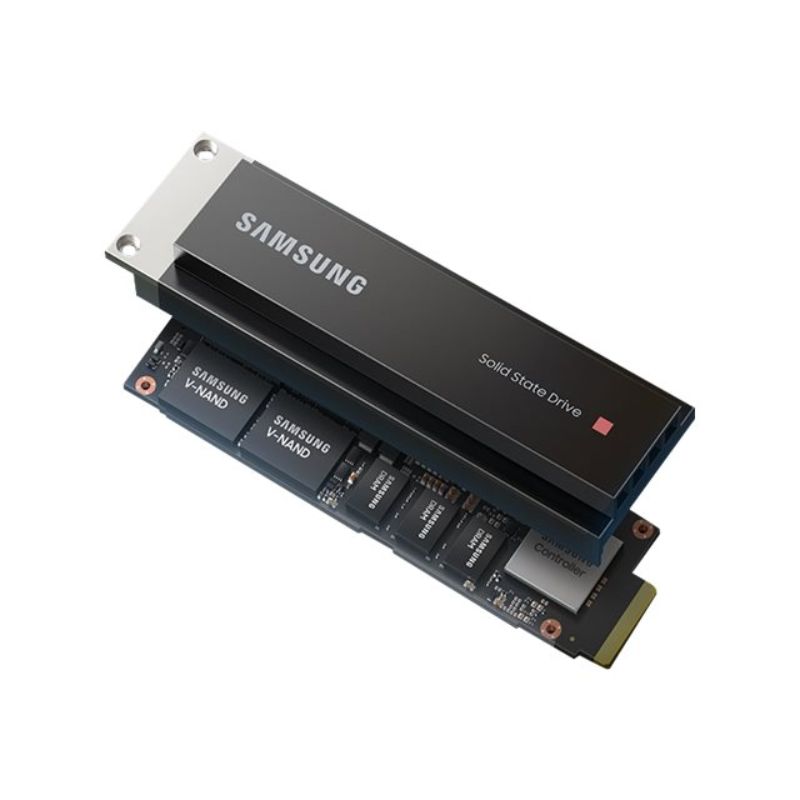


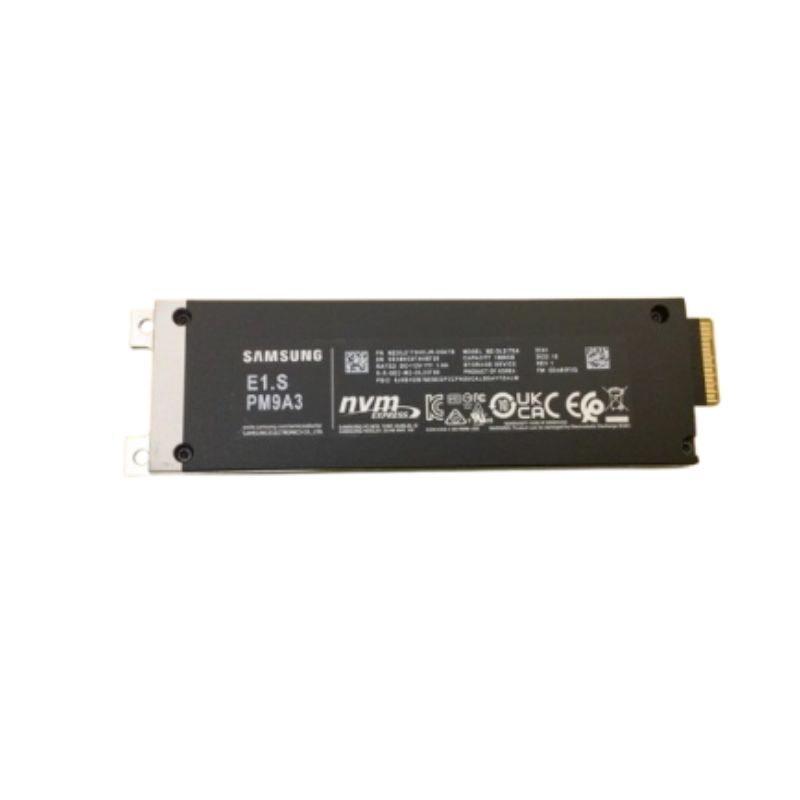
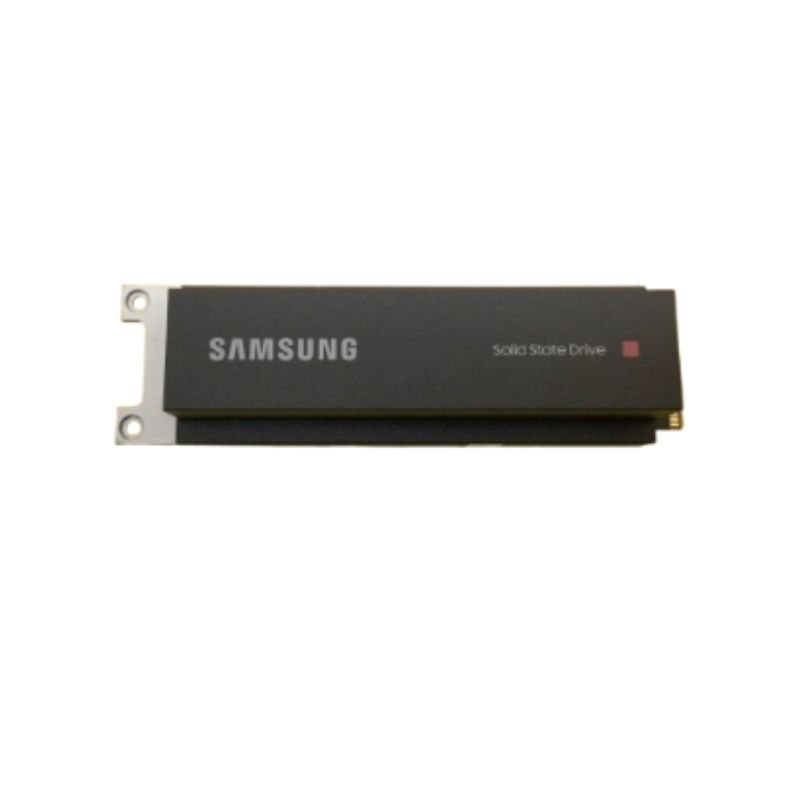
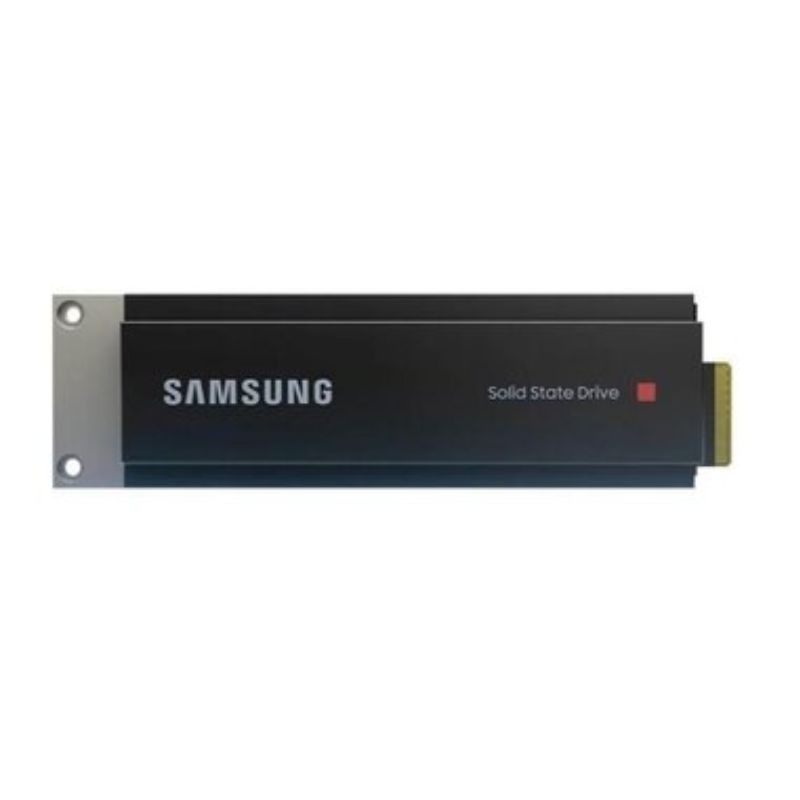
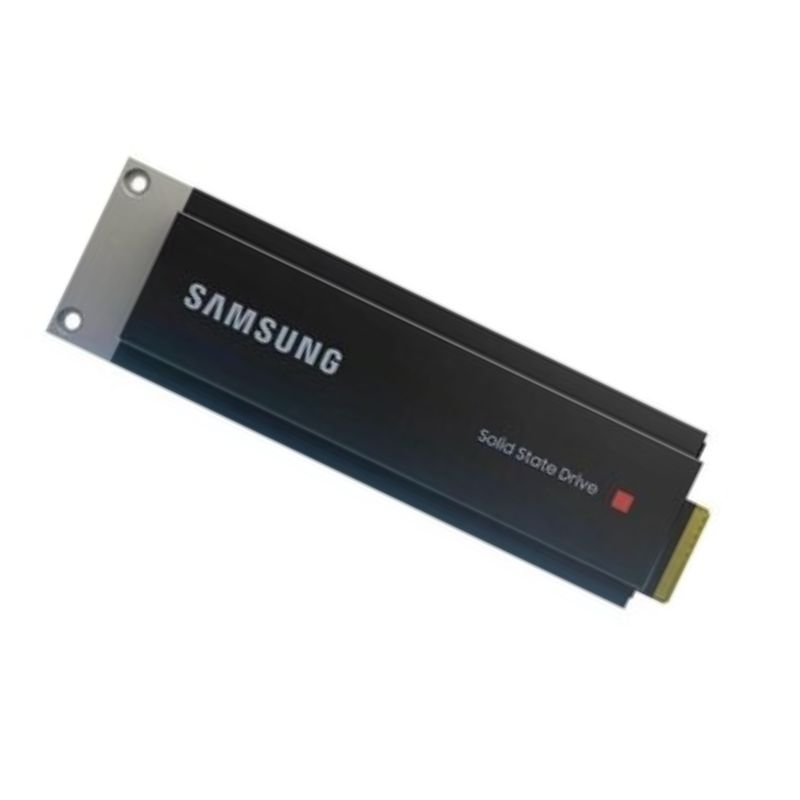
Samsung MZ-OL21T9A 1.92TB PM9A3 NVMe PCIe 4.0 X4 E1.S SSD. New Sealed in Box (NIB) with 3 Years Warranty
The Samsung MZ-OL21T9A PM9A3 1.92TB NVMe SSD is an enterprise-grade storage solution engineered for modern data centers, virtualization environments, high-performance computing platforms, and cloud infrastructure deployments. Built with advanced PCIe 4.0 x4 NVMe architecture, this E1.S solid state drive delivers outstanding throughput, accelerated response times, and reliable endurance for demanding workloads. Designed to support mission-critical operations, the Samsung PM9A3 SSD combines exceptional speed, low latency, and optimized power efficiency in a compact E1.S form factor suitable for next-generation servers and enterprise storage systems.
The Samsung MZ-OL21T9A 1.92TB PM9A3 NVMe PCIe 4.0 X4 E1.S SSD is engineered for enterprise-class environments where performance consistency, low latency, reliability, and power efficiency are essential for continuous workloads. Designed with PCIe Gen4 technology and NVMe architecture, this solid-state drive enables accelerated storage performance for modern servers, virtualization clusters, cloud deployments, edge computing infrastructure, and high-density data center platforms.
Built with advanced NAND flash memory technology, the PM9A3 E1.S SSD delivers outstanding sequential throughput and random access performance that supports mission-critical enterprise operations. The PCIe 4.0 X4 interface doubles the bandwidth capabilities available in previous-generation PCIe environments, allowing enterprise applications to benefit from improved data movement, reduced bottlenecks, and enhanced transactional responsiveness.
The E1.S form factor provides a compact and thermally optimized design that supports higher storage density in modern rack-scale architectures. This enables system integrators and IT administrators to deploy more storage capacity in limited server space while maintaining efficient airflow and thermal stability. The slim profile of the E1.S design is especially suitable for next-generation cloud-native systems and hyperscale deployments that demand scalable storage efficiency.
Enterprise organizations operating large databases, analytics platforms, artificial intelligence workloads, machine learning environments, and virtual desktop infrastructure can leverage the PM9A3 SSD to improve operational efficiency and application responsiveness. The drive supports high-speed data processing requirements while maintaining endurance characteristics suitable for sustained enterprise usage patterns.
NVMe technology significantly reduces protocol overhead compared to traditional SATA and SAS interfaces. By communicating directly with the CPU through PCIe lanes, the PM9A3 minimizes latency and maximizes throughput for intensive workloads. This architecture is particularly valuable in enterprise environments where real-time responsiveness and rapid access to critical information are required for operational continuity.
Samsung enterprise SSD engineering emphasizes workload optimization, firmware stability, advanced error correction mechanisms, and enterprise-grade quality validation. The PM9A3 series reflects these priorities through consistent performance delivery under demanding workloads and continuous operation cycles commonly found in modern data centers.
The E1.S storage form factor represents an important evolution in enterprise SSD physical design. The Samsung MZ-OL21T9A PM9A3 utilizes this compact architecture to support modern server environments that require optimized thermal management, improved serviceability, and higher drive density within constrained chassis dimensions.
Traditional storage form factors often present airflow and space limitations in high-density server configurations. The E1.S specification addresses these concerns by enabling slimmer drive profiles that integrate efficiently into modern server ecosystems. This allows data center architects to maximize storage deployment without sacrificing cooling efficiency or maintenance accessibility.
The PM9A3 E1.S SSD is ideal for hyperscale cloud providers, enterprise virtualization platforms, software-defined storage environments, and edge infrastructure systems that rely on scalable hardware architecture. The compact design allows more drives to be installed within rack infrastructure, increasing overall storage scalability while maintaining power efficiency.
Thermal optimization is a major advantage of the E1.S platform. Enterprise storage devices operating under sustained workloads generate heat that can affect system reliability and performance consistency. The E1.S layout improves airflow distribution and thermal dissipation characteristics, helping maintain stable operating temperatures during intensive application usage.
Hot-swappable server designs also benefit from E1.S deployment. IT administrators can simplify maintenance procedures, improve hardware serviceability, and reduce downtime during upgrades or replacements. In mission-critical infrastructure environments, these capabilities contribute to improved operational continuity and reduced maintenance complexity.
The lightweight and compact structure of the PM9A3 E1.S SSD makes it particularly suitable for composable infrastructure systems and modular server platforms where flexibility and efficient resource allocation are priorities. Organizations modernizing data center infrastructure can utilize E1.S storage solutions to align with future-ready architecture strategies focused on scalability and efficiency.
As enterprise infrastructure continues transitioning toward cloud-native technologies and distributed computing models, the E1.S form factor becomes increasingly valuable for enabling dense, power-efficient storage deployments. Samsung leverages this design philosophy within the PM9A3 family to support evolving enterprise storage demands across diverse operational environments.
The PCIe 4.0 X4 interface integrated into the Samsung PM9A3 SSD provides substantial bandwidth improvements compared to earlier PCIe generations. This enhanced connectivity allows enterprise systems to process significantly larger volumes of data while reducing latency and improving overall application responsiveness.
Modern enterprise workloads generate massive amounts of structured and unstructured data that require rapid processing and efficient storage access. Applications such as artificial intelligence inference, real-time analytics, cloud orchestration, virtualization management, and transactional databases depend on high-speed storage interfaces to eliminate performance bottlenecks.
The PM9A3 SSD delivers enterprise-class throughput that supports intensive read and write operations across continuous workloads. Sequential performance enhancements accelerate large file transfers, backup operations, content delivery systems, and streaming data applications. Random input and output capabilities improve responsiveness for virtual machines, databases, and multi-user enterprise software platforms.
PCIe Gen4 bandwidth advantages are especially important in environments using multicore processors and high-performance memory architectures. Storage devices must keep pace with processor capabilities to prevent system inefficiencies. The PM9A3 helps maintain balanced infrastructure performance by enabling rapid communication between storage resources and computational platforms.
Cloud service providers and enterprise data centers managing large-scale storage clusters benefit from the scalability enabled by PCIe 4.0 technology. Faster storage access contributes to reduced application loading times, improved transaction handling, lower latency in virtualized environments, and enhanced operational productivity across enterprise systems.
NVMe command queues further improve storage efficiency by supporting parallel processing operations. Unlike legacy storage protocols with limited queue depth capabilities, NVMe architecture allows thousands of simultaneous command queues and commands per queue. This design maximizes the advantages of modern multicore CPU environments and improves performance scalability under heavy concurrent workloads.
Organizations implementing high-performance computing infrastructure can use the PM9A3 SSD to support simulation workloads, engineering analysis, financial modeling, and scientific computing operations that require low-latency access to large datasets. The drive helps maintain application responsiveness while supporting continuous enterprise operations.
Samsung enterprise firmware optimization contributes to sustained throughput consistency under demanding conditions. Many enterprise workloads involve prolonged read and write cycles that can challenge storage stability. The PM9A3 is engineered to maintain dependable performance characteristics during continuous operation, supporting reliability requirements in mission-critical infrastructure.
Enterprise storage infrastructure must deliver not only speed but also reliability and endurance capable of supporting continuous operational demands. The Samsung PM9A3 SSD is engineered with enterprise-grade durability technologies that enhance data integrity, workload consistency, and long-term operational stability.
Data centers frequently operate twenty-four hours a day with minimal tolerance for downtime or performance degradation. Enterprise SSDs deployed in these environments must handle intensive workloads while maintaining dependable performance throughout their operational lifecycle. The PM9A3 addresses these requirements through advanced NAND management technologies and firmware-level optimization.
Error correction technologies play an essential role in enterprise storage reliability. The PM9A3 incorporates advanced error correction mechanisms designed to protect data integrity during high-volume transfer operations and continuous workload execution. These technologies help maintain accurate data storage and retrieval across enterprise applications.
Wear-leveling algorithms distribute write operations evenly across NAND flash memory cells, reducing localized wear and extending drive lifespan. This is particularly important for enterprise systems managing frequent transactional workloads, virtual machine operations, database indexing, and continuous analytics processing.
Power loss protection mechanisms help preserve critical data integrity during unexpected power interruptions. Enterprise infrastructure environments often require storage devices capable of maintaining consistent operation even during unstable power conditions. The PM9A3 integrates technologies that minimize the risk of data corruption during sudden power-related events.
Samsung enterprise SSD firmware undergoes extensive validation testing to ensure compatibility and stability across diverse server ecosystems. Enterprise organizations deploying storage solutions across multiple hardware platforms benefit from this validation process because it supports consistent integration and operational reliability.
Endurance optimization is especially important for write-intensive applications. Workloads such as transactional databases, logging systems, content management platforms, and virtualization clusters generate sustained write activity that can impact storage longevity. The PM9A3 is engineered to support enterprise endurance requirements while maintaining predictable performance characteristics.
Operational consistency under heavy workloads differentiates enterprise SSDs from consumer-grade storage products. The PM9A3 maintains stable latency profiles and sustained throughput performance during continuous enterprise operations, helping organizations maintain service-level expectations across mission-critical infrastructure.
Monitoring and management capabilities further support enterprise reliability objectives. Administrators can track storage health metrics, endurance status, thermal conditions, and operational parameters to maintain proactive infrastructure management practices and optimize long-term storage deployment strategies.
The Samsung PM9A3 1.92TB SSD is highly optimized for virtualization platforms and cloud computing environments where storage responsiveness directly impacts infrastructure efficiency and user experience. Modern enterprise organizations increasingly rely on virtualized workloads and scalable cloud services that demand low-latency storage architectures.
Virtual machines generate highly dynamic and unpredictable input and output patterns that can stress storage infrastructure. The PM9A3 NVMe SSD supports these environments through high random performance capabilities and low latency operation, enabling improved responsiveness for virtual desktops, application servers, and cloud-hosted services.
Cloud-native applications often involve containerized environments, distributed storage frameworks, and microservices architecture that require rapid storage access and scalable infrastructure performance. The PCIe Gen4 interface of the PM9A3 enables efficient handling of concurrent storage requests across distributed workloads.
Hyperconverged infrastructure platforms combine compute, storage, and networking resources into unified systems designed for simplified scalability and operational efficiency. Storage performance plays a critical role in maintaining the effectiveness of these platforms. The PM9A3 contributes to improved application responsiveness and infrastructure density within hyperconverged deployments.
Enterprise virtualization software platforms depend heavily on storage consistency during migration operations, backup procedures, disaster recovery tasks, and workload balancing activities. The PM9A3 supports these requirements through reliable throughput and enterprise-grade operational stability.
Multi-tenant cloud environments require storage solutions capable of maintaining consistent performance under varying workload intensities. The PM9A3 is engineered to deliver predictable latency and throughput characteristics even during periods of elevated demand, helping service providers maintain stable customer experiences.
Rapid provisioning and scalable storage allocation are essential capabilities within modern cloud infrastructure. The high-speed architecture of the PM9A3 supports faster deployment of virtual resources and more responsive storage allocation processes across enterprise environments.
Data reduction technologies, caching systems, and software-defined storage frameworks can also benefit from the PM9A3 performance profile. Faster access to cached data and metadata improves overall storage system responsiveness and enhances operational efficiency for enterprise storage administrators.
As organizations continue expanding hybrid cloud strategies and distributed computing initiatives, enterprise NVMe SSD solutions such as the PM9A3 provide the storage foundation required to support scalable digital transformation objectives and evolving enterprise infrastructure requirements.
Organizations managing large-scale data environments require storage solutions capable of supporting rapidly expanding workloads and evolving infrastructure demands. The Samsung PM9A3 1.92TB SSD provides scalable enterprise storage performance suitable for modern data-intensive operations.
Applications such as machine learning, predictive analytics, enterprise resource planning, customer relationship management, and business intelligence platforms depend on rapid access to large datasets. The PM9A3 enables accelerated data retrieval and processing efficiency that supports improved application responsiveness and productivity.
Artificial intelligence environments frequently involve large-scale model training, inference processing, and continuous dataset analysis. Storage performance significantly impacts overall computational efficiency within these workflows. The PM9A3 contributes to faster data accessibility and reduced processing delays across AI-driven operations.
Big data analytics platforms generate substantial storage traffic as organizations collect, process, and analyze operational information from diverse sources. Enterprise NVMe SSD technology helps minimize bottlenecks and improve analytical processing speed within these environments.
Media streaming services, content delivery platforms, and digital asset management systems also benefit from high-speed enterprise SSD infrastructure. The PM9A3 supports rapid content retrieval and improved user experience through enhanced storage responsiveness and throughput capabilities.
Financial institutions managing transactional systems and real-time processing operations require storage platforms capable of maintaining low latency under intensive workloads. The PM9A3 enterprise architecture supports these requirements while providing operational stability for continuous transaction handling.
Healthcare environments processing imaging data, patient records, and analytical applications benefit from enterprise-grade storage reliability and performance consistency. Rapid data accessibility can improve operational workflows and support responsive application performance across healthcare infrastructure.
Scientific research institutions and engineering organizations frequently utilize high-performance storage systems for simulation modeling, computational analysis, and experimental data management. The PM9A3 provides storage capabilities suitable for these demanding environments while supporting scalability objectives.
As enterprise workloads continue evolving toward increasingly data-intensive operational models, scalable NVMe storage solutions become critical components of modern digital infrastructure. The Samsung PM9A3 SSD provides the performance foundation necessary to support expanding enterprise storage demands across diverse industries and application environments.


 Contact Us
 Information
 Catalog
 Solid State Drives (SSD)
 Network Switches
 Hard Disk Drives
 HBA & Controllers
 PC & Servers
 PC & Server Memory
 CPU & Processors
 Network Routers
 Power Supplies
 Tape Drives & Libraries
 Network Devices
 Computer & Network Cables