(7% discount is applied at checkout)
Cart is empty
Your go-to destination for cutting-edge server products
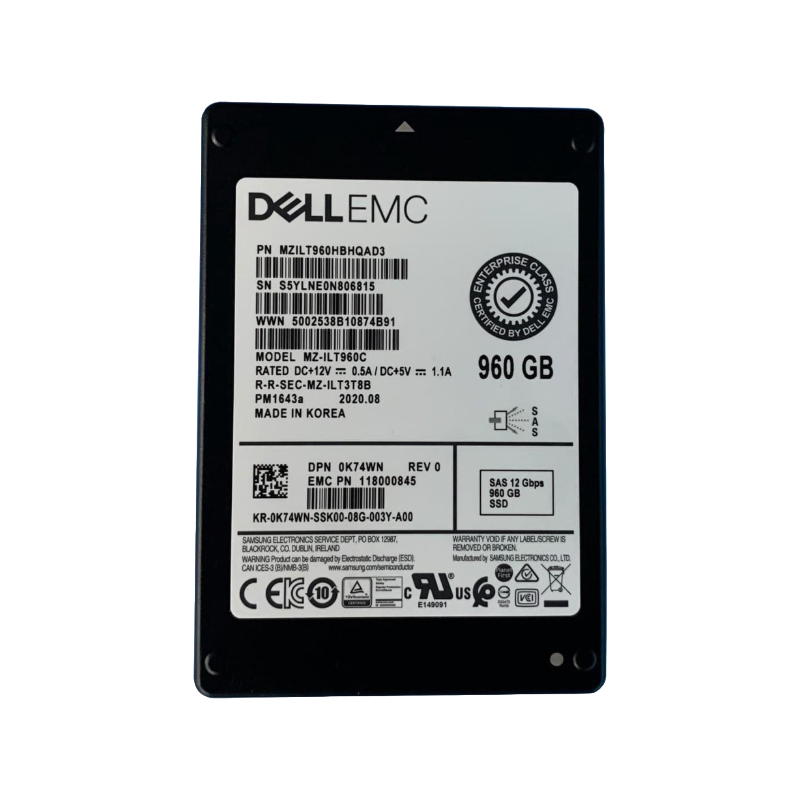


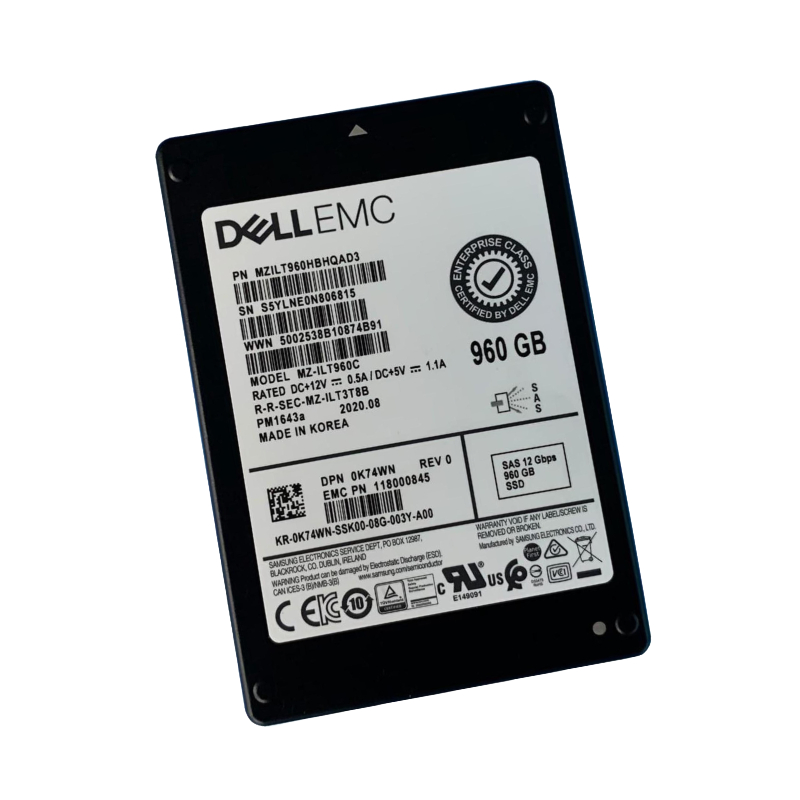
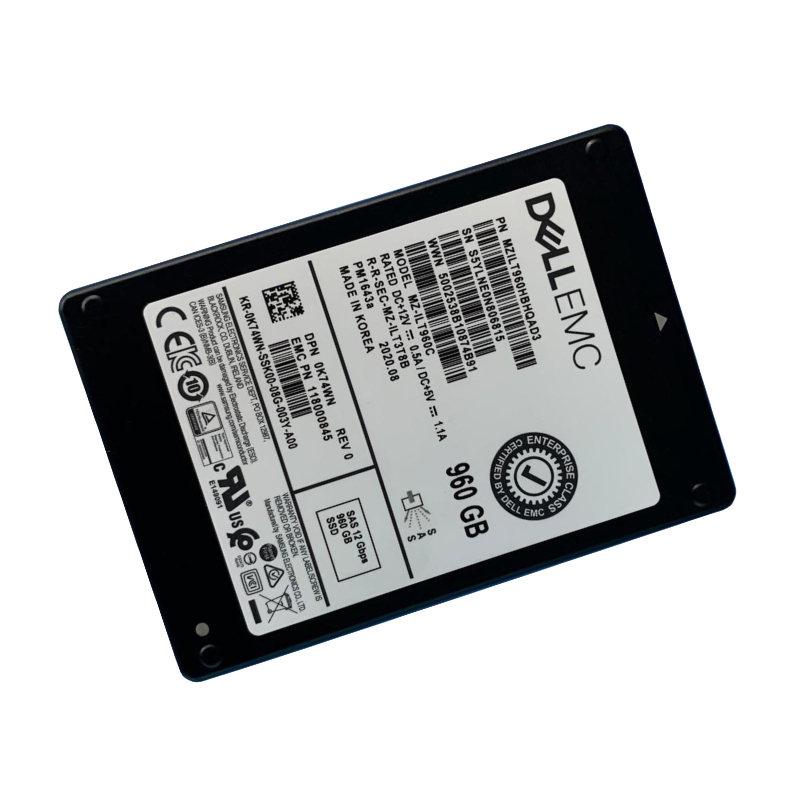
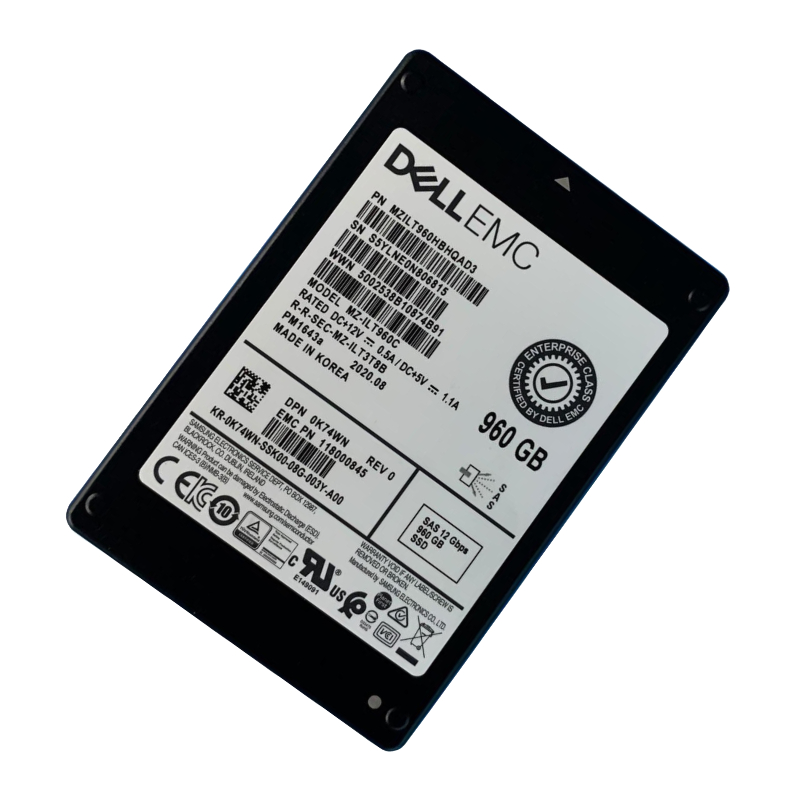
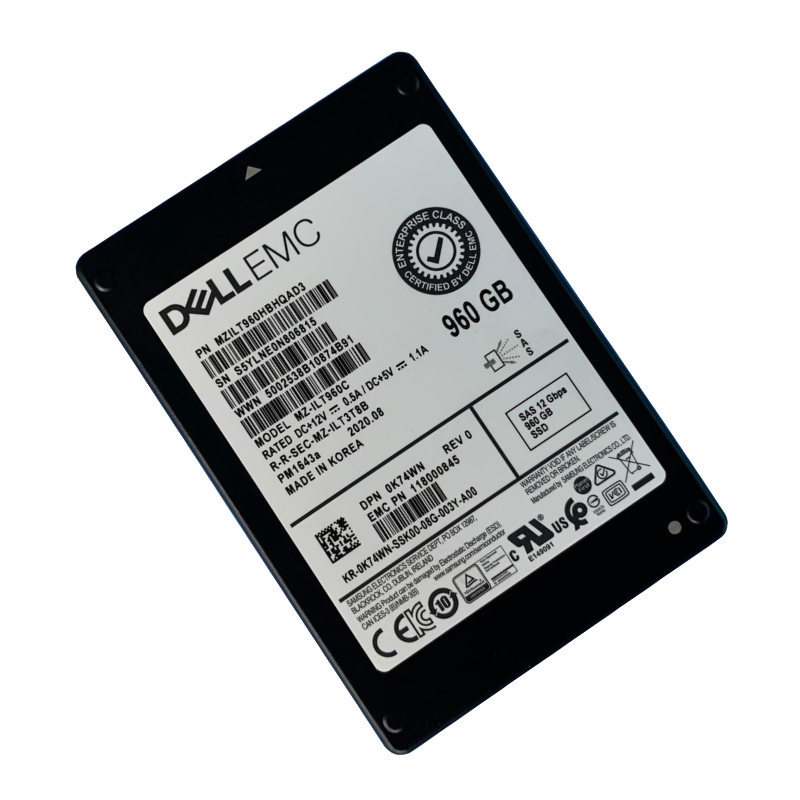
Samsung MZILT960HBHQAD3 960GB PM1643a SAS-12GBPS Read Intensive TLC Enterprise Internal Solid State Drive. Excellent Refurbished with 1 year replacement warranty - Dell Version
Samsung PM1643a MZILT960HBHQAD3 960GB SAS SSD
Boost enterprise storage with the Samsung PM1643a MZILT960HBHQAD3, a high-reliability 2.5-inch SAS 12Gb/s solid-state drive engineered for data centers, mission-critical applications, and consistent throughput. This enterprise-grade SSD blends endurance with rapid I/O performance for databases, virtualization, and high-volume transaction workloads.
Performance metrics
The Samsung MZILT960HBHQAD3 960GB PM1643a SAS-12GBPS Read Intensive TLC Enterprise Internal Solid State Drive belongs to a high-performance enterprise SSD category engineered for data center read-intensive workloads. This category emphasizes reliability, high IOPS for random reads, consistent low-latency response under sustained loads, and enterprise-grade manageability features. Drives in this class are designed for database query acceleration, large-scale content delivery, boot/storage tiers in hyperconverged infrastructures, and read-heavy virtualization use cases.
Drives in this category deliver strong sequential read throughput to move large files quickly, while the architecture is tuned to provide consistent random read IOPS critical for transactional systems and metadata-heavy workloads. Expect optimized firmware that prioritizes read-path latency, with advanced caching strategies and background garbage collection tuned for low-latency reads even during extended write activity.
Enterprise SSD categories emphasize QoS: maximum response times are constrained to ensure predictable behavior for SLAs. The Samsung PM1643a family implements firmware-level QoS prioritization to prevent latency spikes during background reclaim or thermal events. For read-intensive deployments, this translates to measurable improvements for end-user query times and caching-layer responsiveness.
Read-intensive TLC drives trade some write endurance for cost and capacity; however, enterprise-grade implementations—like the PM1643a class—compensate with strong over-provisioning, robust wear-leveling algorithms, and optimized write amplification controls. The 960GB SKU provides a balance of endurance sufficient for read-centric server roles: content serving, analytics reads, OLAP queries, and virtual desktop read caches.
Data integrity protections include end-to-end data path protection, CRC checks, ECC (error-correcting codes), and firmware safeguards against silent data corruption. The category also frequently includes optional power-loss protection capacitors or capacitive backup to commit in-flight data to NAND, ensuring transactional consistency during unexpected outages.
The SAS 12Gb/s interface ensures broad compatibility with enterprise HBA/SAS controllers, RAID controllers, and backplanes commonly found in 1U–4U rack servers and storage arrays. When integrating the Samsung PM1643a-class 960GB drive, validate controller firmware and driver support for SAS 12Gb/s, dual-port failover if required, and any vendor-specific device ID whitelists.
The 2.5-inch form factor with enterprise connectors typically supports hot-swap operation. Confirm your server backplane and drive carrier support the drive's height (7mm, 9.5mm, or other enterprise variants) and that the enclosure supports SAS dual-port cabling where redundancy is desired.
Because sustained performance can generate heat, enterprise SSDs in this category include thermal sensors and firmware throttling to prevent damage and preserve data integrity. When populating dense server chassis, provide adequate airflow and monitor drive temperatures in platform management interfaces to avoid thermal throttling that can impact throughput and latency.
Read-intensive TLC enterprise drives are optimized for efficient read paths; they deliver lower average power draw under read-dominant loads compared with write-optimized alternatives. In scale-out deployments, lower power can translate to measurable operational savings across racks while preserving high read throughput.
Standard SMART reporting and vendor-specific attributes provide telemetry for remaining life, media wear indicators, rebuild counts, and error events. Category drives typically expose detailed SMART attributes that integrate with datacenter monitoring suites and allow proactive replacement planning.
Firmware for enterprise drives is periodically updated to improve stability, performance, and compatibility. When considering PM1643a-class drives, plan for controlled firmware rollouts across production clusters, including staged validation and rollback procedures. Always obtain firmware from the vendor or authorized channels and follow vendor advisories for known issues or performance optimizations.
Security features commonly include secure erase commands compliant with standards (e.g., NVMe Secure Erase analogs or vendor-specific SAS secure erase). Data center operators can securely sanitize drives before redeployment or decommissioning, ensuring compliance with data-handling policies.
Select read-intensive TLC models when your workload is predominantly read-dominant and you require cost-effective capacity per dollar. If your workload includes heavy sustained writes—logging, heavy ingest, or intense transactional OLTP workloads—consider higher-endurance or write-optimized SSDs (MLC or enterprise TLC with higher DWPD ratings) for longer life and better write performance.
SAS 12Gb/s SSDs remain attractive for environments where existing SAS infrastructure, dual-port redundancy, and broad controller compatibility are priorities. NVMe offers higher raw bandwidth and lower protocol overhead, but SAS SSDs like the PM1643a deliver excellent read performance with familiar management and redundancy options. Migration considerations include controller availability, driver support, and expected gains in latency and throughput.
Read-intensive models prioritize capacity and cost-efficiency for read-heavy workloads, while mixed-use or write-intensive models allocate more NAND over-provisioning and provide higher DWPD ratings. When architecting storage tiers, use read-intensive drives for the read tier and reserve higher-endurance models for write-heavy tiers to maximize cost-effectiveness without compromising reliability.


 Contact Us
 Information
 Catalog
 Solid State Drives (SSD)
 Network Switches
 Hard Disk Drives
 HBA & Controllers
 PC & Servers
 PC & Server Memory
 CPU & Processors
 Network Routers
 Power Supplies
 Tape Drives & Libraries
 Network Devices
 Computer & Network Cables