(7% discount is applied at checkout)
Cart is empty
Your go-to destination for cutting-edge server products
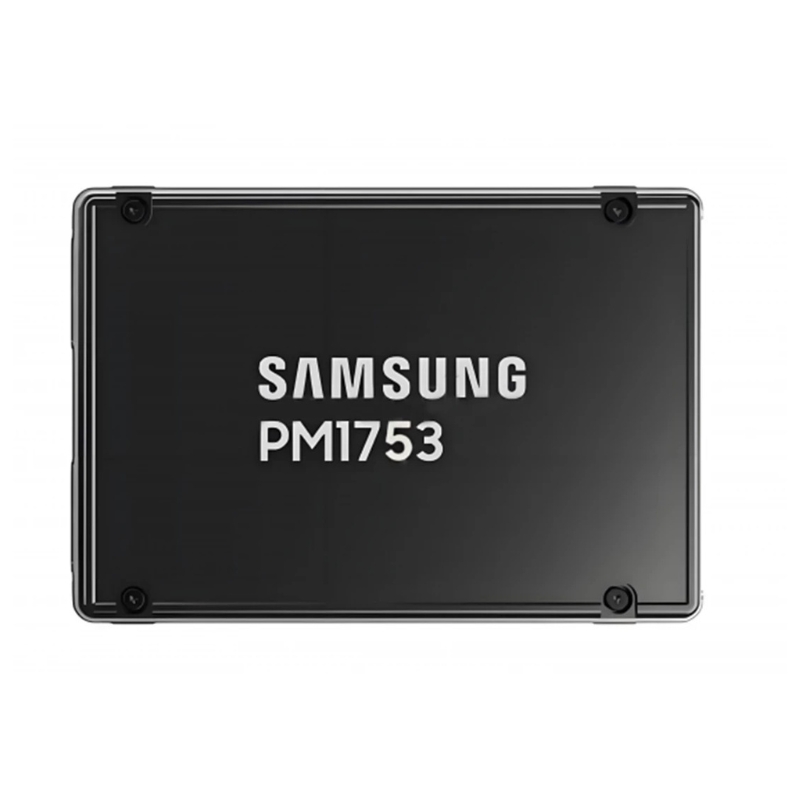


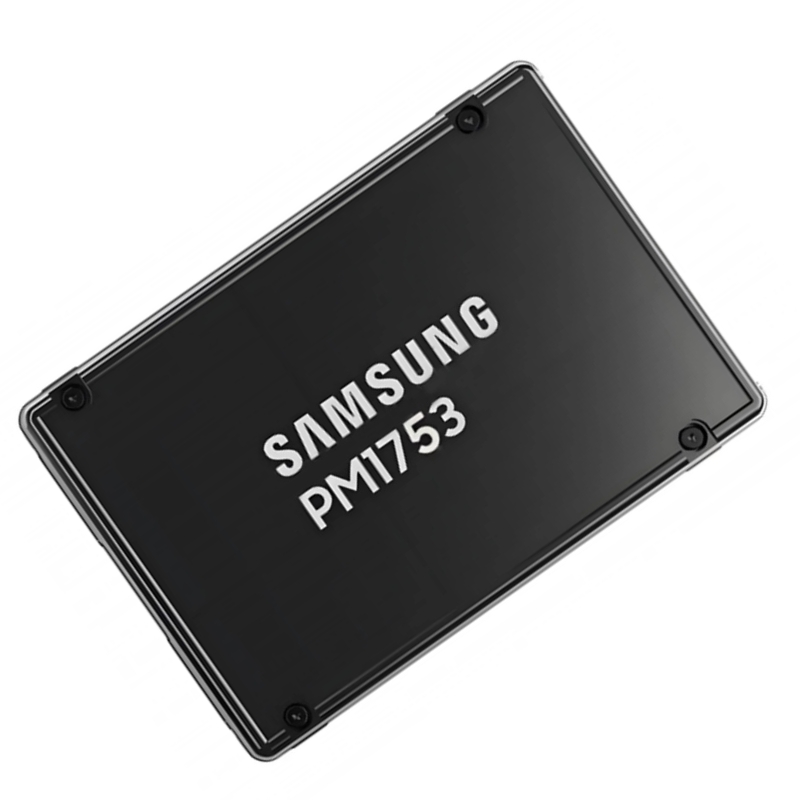
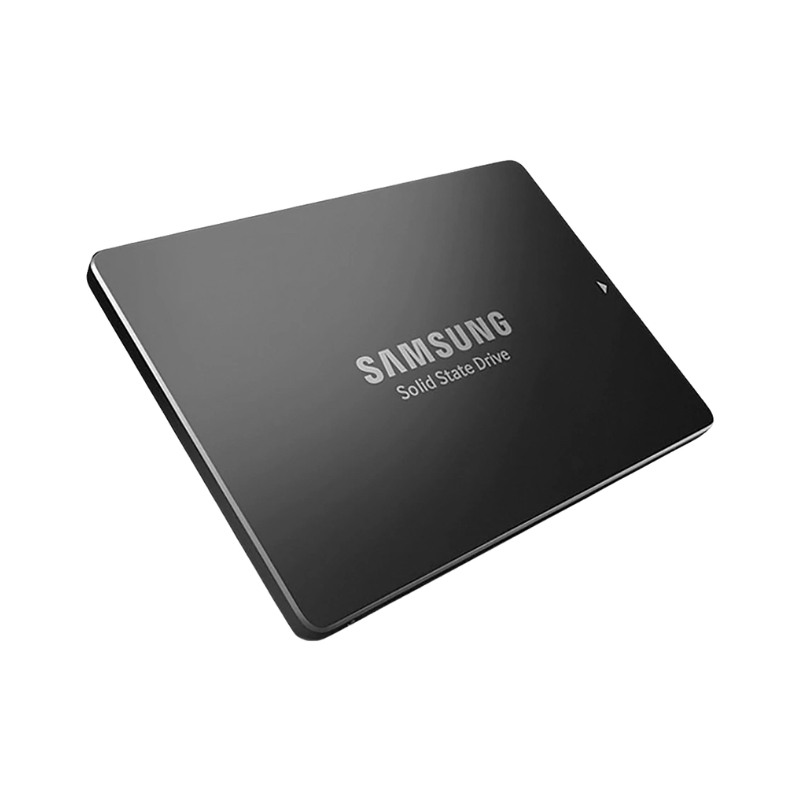
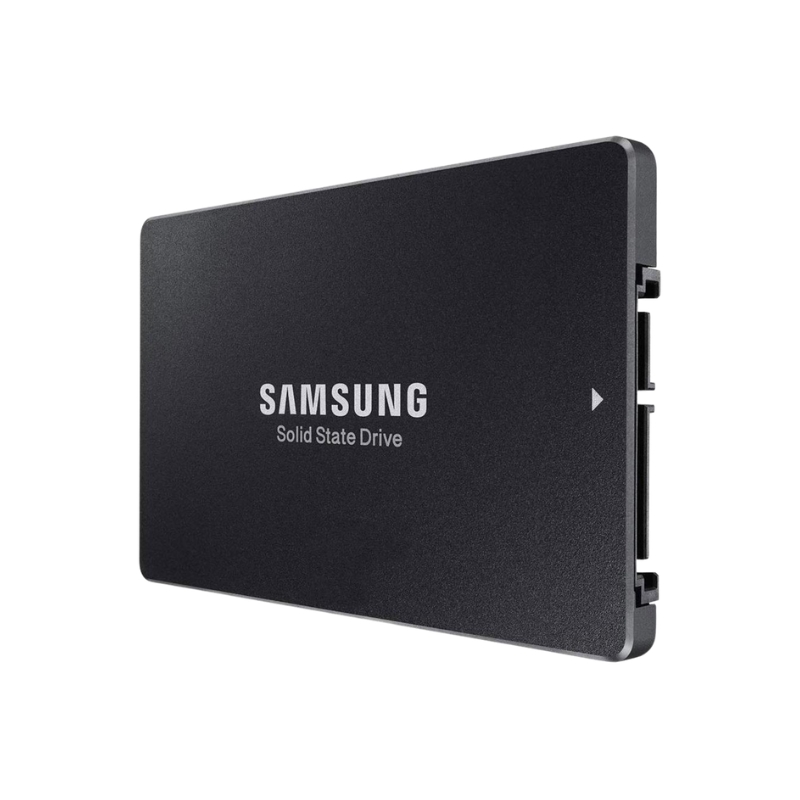
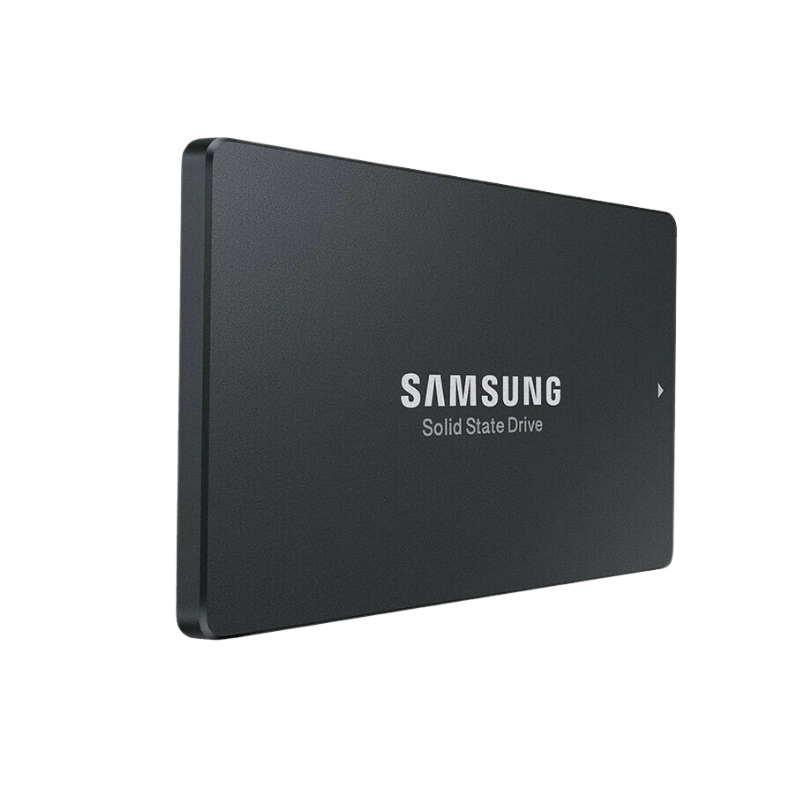
Samsung MZWL91T9HFJA-00AW7 1.92TB U.2 SFF PCIE Enterprise Solid State Drive. New Sealed in Box (NIB) with 3 Years Warranty
Overview of Samsung 1.92TB PCI-E Gen5 Enterprise SSD
The Samsung MZWL91T9HFJA-00AW7 PM1753 enterprise solid state drive is engineered for next-generation server infrastructure, virtualization platforms, cloud computing environments, and mission-critical enterprise applications. Featuring a PCIe 5.0 x4 interface and high-capacity 1.92TB storage, this advanced U.2 NVMe SSD delivers ultra-fast responsiveness, dependable endurance, and exceptional throughput for modern data centers.
Built with enterprise-class architecture, the Samsung PM1753 1.92TB SSD combines low latency, optimized random access performance, and superior reliability for demanding storage operations. Its compact 2.5-inch U.2 form factor allows seamless integration into high-density rack servers, enterprise workstations, and scalable storage arrays.
The Samsung MZWL91T9HFJA-00AW7 PM1753 1.92TB U.2 2.5 inch PCIe 5.0 x4 Enterprise SSD is engineered to meet the demanding storage requirements of modern enterprise computing environments. Built with advanced NAND flash architecture and optimized for high-speed server workloads, this enterprise-grade solid state drive delivers exceptional throughput, low latency performance, and dependable endurance for mission-critical applications. Organizations deploying large-scale virtualization, cloud computing platforms, database clusters, edge infrastructure, and AI-powered analytics environments can benefit significantly from the robust capabilities integrated into the Samsung PM1753 series.
The PM1753 enterprise SSD series represents a major advancement in storage technology by leveraging the power of PCIe Gen5 connectivity. Compared to earlier PCIe Gen4 and PCIe Gen3 enterprise drives, the PM1753 introduces dramatically improved bandwidth capabilities that help reduce bottlenecks in high-performance data center environments. The U.2 2.5-inch form factor ensures broad compatibility with enterprise servers, storage arrays, and high-density rackmount systems commonly deployed across modern IT infrastructures.
Enterprise environments demand consistent and reliable storage performance under sustained workloads. The Samsung PM1753 1.92TB SSD is optimized specifically for enterprise applications where uninterrupted access to data is essential. High transaction databases, virtualization clusters, financial applications, and enterprise resource planning systems require rapid data retrieval and stable write performance to maintain operational efficiency. The PM1753 delivers enterprise-class responsiveness through advanced controller technology and intelligent flash management architecture.
PCIe 5.0 x4 connectivity enables extremely high sequential read and write speeds, helping servers process large data sets faster than traditional SATA SSDs or hard drives. The reduced latency characteristics of NVMe enterprise storage allow enterprise applications to execute with improved responsiveness even under demanding workloads. This becomes particularly important in environments running thousands of concurrent transactions or virtual machine instances simultaneously.
The 1.92TB storage capacity provides an ideal balance between storage density and high-speed data accessibility. Organizations deploying scalable server infrastructures can utilize this capacity tier for operating systems, virtual machine storage, application acceleration, caching layers, or mission-critical databases without sacrificing performance consistency.
The transition from PCIe Gen4 to PCIe Gen5 introduces a significant leap in bandwidth capabilities for enterprise storage solutions. Samsung PM1753 PCIe 5.0 SSD technology enables enterprise servers to achieve substantially higher throughput compared to previous-generation storage devices. This increased bandwidth is especially valuable for data-intensive enterprise environments where rapid access to large volumes of information is required.
PCIe Gen5 enterprise SSDs are increasingly becoming essential in modern server deployments due to rising computational demands from artificial intelligence, machine learning, high-frequency trading, scientific simulations, and cloud-native applications. The Samsung PM1753 utilizes PCIe 5.0 x4 lanes to provide optimized communication between the storage subsystem and the server processor, minimizing latency while maximizing data transfer efficiency.
NVMe protocol optimization further enhances storage responsiveness by streamlining command processing and enabling parallel data operations. Unlike older AHCI-based storage architectures, NVMe is specifically designed for flash storage technology and multicore processing environments. This allows the PM1753 to handle intensive workloads more efficiently while maintaining consistent IOPS performance across mixed read and write operations.
Latency reduction is one of the most important factors in enterprise data center performance. The Samsung PM1753 enterprise SSD minimizes response times through advanced controller algorithms and optimized NAND management technologies. Lower latency allows enterprise applications to process transactions more rapidly while improving overall system responsiveness.
Real-time analytics platforms, online transaction processing systems, and virtual desktop infrastructure environments benefit significantly from reduced storage latency. Faster data retrieval directly impacts application responsiveness, enabling organizations to maintain high productivity levels across demanding computing environments.
The NVMe architecture used in the Samsung PM1753 enterprise SSD provides substantial advantages for enterprise-grade server deployments. NVMe allows parallel command queues and optimized communication pathways that traditional storage protocols cannot efficiently support. This architecture becomes especially beneficial in high-core-count server environments where multiple simultaneous storage requests occur continuously.
Modern enterprise applications rely heavily on scalable storage architectures capable of supporting increasing data demands. The PM1753 is designed to integrate seamlessly into high-performance server platforms supporting PCIe Gen5 infrastructure. This compatibility helps organizations future-proof their storage investments while improving workload scalability.
The U.2 2.5-inch form factor remains one of the most widely adopted enterprise SSD standards within modern data centers. Samsung designed the PM1753 with enterprise deployment flexibility in mind, allowing compatibility with numerous rack servers, blade systems, hyperconverged platforms, and enterprise storage appliances.
The 2.5-inch enterprise SSD design supports hot-swappable server configurations, enabling IT administrators to replace or upgrade storage devices without shutting down entire systems. This feature is critical in enterprise environments where uptime requirements are extremely stringent. Organizations operating mission-critical applications require maintenance procedures that minimize downtime while preserving operational continuity.
Compared to consumer-oriented M.2 SSDs, U.2 enterprise SSDs offer improved thermal characteristics and enhanced durability for sustained workloads. The PM1753 utilizes enterprise-grade thermal management technologies that help maintain stable operating temperatures during continuous high-speed data operations.
Thermal management plays a vital role in enterprise SSD reliability and performance consistency. The Samsung PM1753 is engineered to maintain stable operation under intensive workloads commonly found in enterprise data centers. Efficient heat dissipation helps preserve NAND endurance while preventing thermal throttling that could negatively impact application performance.
Enterprise servers frequently operate under continuous heavy workloads for extended periods. Sustained storage activity generates heat that must be carefully managed to ensure optimal reliability. Samsung incorporates advanced thermal optimization techniques within the PM1753 architecture to support long-term enterprise deployment stability.
Hot-swappable storage functionality is essential for modern enterprise environments. The U.2 interface allows administrators to perform maintenance, upgrades, or replacements without interrupting business operations. This capability is particularly valuable in hyperscale data centers, cloud hosting platforms, and mission-critical enterprise infrastructures where downtime can result in significant operational disruption.
The PM1753 enterprise SSD supports enterprise maintenance workflows by enabling efficient drive replacement procedures while maintaining server availability. This contributes to improved operational efficiency and simplified infrastructure management.
Samsung is widely recognized for its advanced NAND flash manufacturing expertise, and the PM1753 enterprise SSD benefits from this technological leadership. Enterprise SSD endurance is critical for workloads involving constant data writes, transactional processing, and intensive caching operations. The PM1753 incorporates enterprise-grade NAND flash engineered for reliability and sustained write performance.
Data centers handling large-scale analytics, virtualization, and enterprise applications require storage devices capable of enduring continuous heavy usage patterns. Samsung enterprise SSD technology helps maintain stable performance levels while supporting extended operational lifecycles. The PM1753 is designed to deliver consistent reliability across demanding enterprise workloads where storage failures can have substantial operational consequences.
Advanced wear leveling, bad block management, and error correction technologies contribute to the long-term durability of the PM1753 SSD. These enterprise reliability features help ensure data integrity while extending usable drive lifespan in high-write environments.
Enterprise storage reliability is fundamental to maintaining business continuity. Samsung integrates advanced data protection technologies into the PM1753 to safeguard enterprise workloads against corruption, unexpected interruptions, and storage-related failures. Enterprise SSDs must deliver consistent data integrity to support databases, financial systems, and critical applications.
Power loss protection mechanisms help reduce the risk of data corruption during unexpected shutdown events. Enterprise-grade firmware optimization further enhances operational stability by improving error handling and workload balancing. These features contribute to dependable long-term performance across enterprise deployment scenarios.
Consumer SSDs often experience performance degradation under prolonged workloads, whereas enterprise SSDs such as the Samsung PM1753 are specifically engineered to sustain high throughput during continuous operation. This distinction is critical for enterprise applications involving nonstop transactional activity, virtualization, and real-time processing.
The PM1753 maintains stable performance through intelligent caching algorithms, thermal optimization, and enterprise firmware enhancements. Organizations deploying storage-intensive applications can benefit from predictable and reliable performance characteristics even during peak operational periods.
Cloud service providers require scalable and high-performance storage solutions capable of supporting large numbers of simultaneous users and applications. The Samsung PM1753 1.92TB PCIe Gen5 enterprise SSD is highly suitable for cloud computing infrastructure due to its high throughput capabilities, low latency response times, and enterprise-grade reliability.
Public cloud environments, private cloud deployments, and hybrid cloud architectures rely heavily on NVMe enterprise storage to deliver responsive application performance. Faster storage infrastructure improves virtual machine responsiveness, accelerates containerized workloads, and enhances overall platform scalability.
Cloud environments frequently experience dynamic workload fluctuations that require consistent storage responsiveness. The PM1753 enterprise SSD helps organizations maintain efficient workload distribution and rapid data accessibility across scalable cloud infrastructures.
Virtualized server environments generate substantial storage demands because multiple operating systems and applications share the same physical infrastructure. Enterprise NVMe SSDs play a critical role in maintaining performance consistency across virtual machine clusters. The Samsung PM1753 helps reduce storage bottlenecks commonly encountered in heavily virtualized environments.
Hypervisors such as VMware, Microsoft Hyper-V, and other enterprise virtualization platforms benefit from high-speed PCIe Gen5 storage due to faster virtual disk access and improved workload isolation. Faster storage response times contribute directly to improved virtual machine performance and greater infrastructure scalability.
High IOPS capabilities are particularly important for virtualization environments hosting databases, application servers, and virtual desktops. The PM1753 enterprise SSD provides the storage responsiveness required to support large-scale virtual infrastructure deployments.
Enterprise databases require storage systems capable of handling extremely high transactional activity with minimal latency. The Samsung PM1753 enterprise SSD provides performance characteristics suitable for SQL databases, NoSQL environments, and distributed data processing systems. High-speed NVMe storage improves query execution times and accelerates transaction processing operations.
Databases handling financial transactions, customer records, analytics workloads, and enterprise applications depend on rapid storage responsiveness to maintain operational efficiency. PCIe Gen5 SSD technology helps reduce query latency while supporting higher throughput under concurrent workloads.
Large-scale database clusters benefit from enterprise SSD reliability features designed to preserve data integrity during continuous write-intensive operations. The PM1753 supports demanding database environments requiring consistent performance under heavy transactional activity.
Modern analytics environments generate enormous quantities of information that must be processed quickly to derive actionable insights. Enterprise PCIe Gen5 SSDs help organizations accelerate analytics pipelines by reducing storage-related processing delays. The Samsung PM1753 delivers high-speed data access capabilities that support real-time analytics applications and large-scale data warehousing environments.
Big data platforms frequently involve simultaneous read and write operations across massive datasets. Enterprise NVMe SSD technology helps improve processing efficiency by minimizing storage access latency while maximizing throughput capacity. Faster analytics processing contributes to improved decision-making capabilities and enhanced operational responsiveness.
Enterprise SSD security is an essential consideration for organizations managing sensitive information and mission-critical applications. The Samsung PM1753 enterprise SSD incorporates firmware-level protection technologies designed to improve data security and operational stability within enterprise environments.
Secure firmware architecture helps reduce the risk of unauthorized modifications while enhancing system reliability. Enterprise storage environments often require strict security policies to protect confidential business information, financial records, healthcare data, and customer information. The PM1753 contributes to secure enterprise infrastructure deployment through advanced reliability and protection mechanisms.
Unexpected power interruptions can create serious risks for enterprise storage systems. The Samsung PM1753 integrates enterprise-grade power loss protection technologies that help preserve in-flight data during sudden shutdown events. This capability is especially important for transactional databases and mission-critical applications where incomplete write operations could result in data corruption.
Power protection mechanisms improve enterprise storage reliability by ensuring that critical data operations are safely completed or preserved during unexpected disruptions. Organizations relying on continuous data integrity can benefit significantly from these enterprise reliability features.
Modern data centers prioritize storage density, energy efficiency, and scalable performance. The Samsung PM1753 1.92TB U.2 enterprise SSD is optimized for high-density deployment environments where multiple high-performance storage devices operate simultaneously within rack-scale infrastructures.
Enterprise servers equipped with PCIe Gen5 NVMe SSDs can support greater workload consolidation while reducing infrastructure bottlenecks. The compact 2.5-inch U.2 design enables efficient storage scaling within limited rack space, helping organizations maximize data center efficiency.
Scalable enterprise storage infrastructure is increasingly important as organizations expand digital transformation initiatives, cloud deployments, and AI-driven applications. The PM1753 contributes to flexible infrastructure growth strategies by providing high-speed storage performance suitable for evolving enterprise demands.
Power efficiency remains a critical consideration in enterprise data centers due to rising operational costs and sustainability objectives. Enterprise SSDs generally consume less power compared to traditional spinning hard drives while delivering dramatically higher performance levels. The Samsung PM1753 helps organizations improve infrastructure efficiency through optimized energy utilization.
Reduced power consumption contributes to lower cooling requirements and improved overall data center sustainability. Organizations operating large-scale server environments can benefit from the efficiency advantages provided by modern NVMe enterprise SSD technology.
SATA enterprise SSDs remain common in older infrastructures, but PCIe Gen5 NVMe SSDs provide significantly superior bandwidth and latency characteristics. The Samsung PM1753 enterprise SSD delivers far greater throughput compared to SATA-based alternatives, enabling faster application response times and improved workload scalability.
SATA interfaces are constrained by lower bandwidth limitations that can create performance bottlenecks in high-demand environments. PCIe Gen5 technology eliminates many of these restrictions by enabling substantially faster communication between storage devices and server processors.
Organizations modernizing enterprise infrastructure increasingly adopt NVMe PCIe storage solutions to improve operational efficiency and support next-generation workloads. The PM1753 provides a future-ready storage platform designed for advanced enterprise computing requirements.
Traditional hard disk drives cannot match the performance, responsiveness, or reliability characteristics of enterprise NVMe SSDs. Mechanical latency associated with spinning disks significantly limits storage performance in modern data-intensive environments. The Samsung PM1753 enterprise SSD eliminates mechanical bottlenecks by utilizing advanced flash memory architecture.
Enterprise SSD technology provides dramatically faster boot times, reduced application loading delays, and significantly improved transaction processing capabilities. Organizations replacing legacy hard drive infrastructures with PCIe Gen5 enterprise SSDs can experience substantial performance improvements across a wide range of applications.
The absence of moving mechanical components also contributes to improved reliability and durability within enterprise environments. NVMe SSDs are better suited for high-density data centers requiring stable performance under continuous workloads.
Enterprise data centers operate continuously and require storage devices capable of maintaining reliable performance around the clock. The Samsung PM1753 1.92TB PCIe 5.0 enterprise SSD is engineered for 24/7 operational environments where workload consistency and reliability are essential.
Continuous operation places significant stress on enterprise storage infrastructure. Samsung enterprise SSD technology incorporates advanced endurance optimization, thermal management, and reliability features designed to support nonstop data center operations.
Organizations managing mission-critical applications require storage infrastructure that can maintain predictable performance under heavy workloads without interruption. The PM1753 is optimized for sustained enterprise usage patterns commonly found in financial institutions, cloud providers, telecommunications infrastructure, and large-scale enterprise computing environments.
As enterprise computing demands continue to evolve, organizations increasingly require storage solutions capable of supporting emerging technologies and expanding workloads. The Samsung PM1753 PCIe Gen5 enterprise SSD provides a future-oriented storage platform designed for next-generation server architectures and high-performance computing environments.
PCIe Gen5 adoption continues to accelerate across enterprise infrastructure due to increasing data processing requirements from artificial intelligence, machine learning, cloud-native applications, and real-time analytics platforms. Investing in advanced enterprise NVMe storage helps organizations maintain infrastructure competitiveness while supporting future scalability objectives.


 Contact Us
 Information
 Catalog
 Solid State Drives (SSD)
 Network Switches
 Hard Disk Drives
 HBA & Controllers
 PC & Servers
 PC & Server Memory
 CPU & Processors
 Network Routers
 Power Supplies
 Tape Drives & Libraries
 Network Devices
 Computer & Network Cables