(7% discount is applied at checkout)
Cart is empty
Your go-to destination for cutting-edge server products
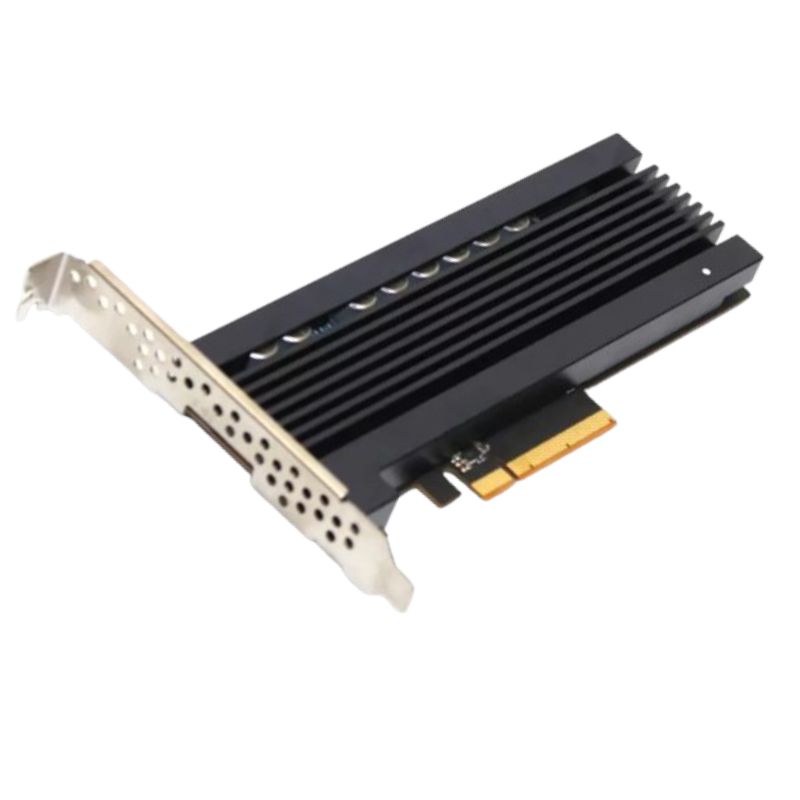


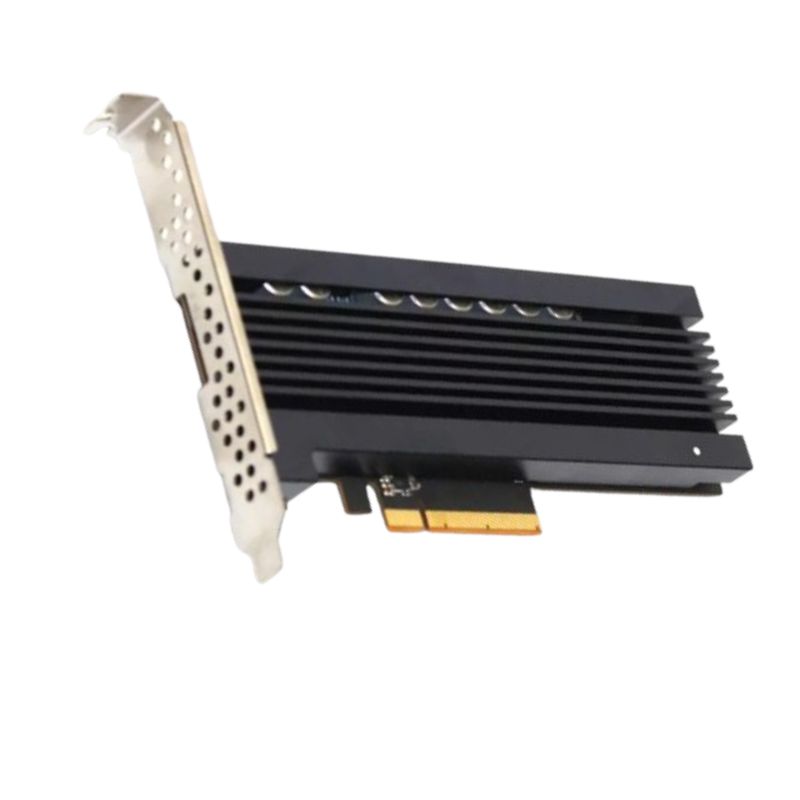
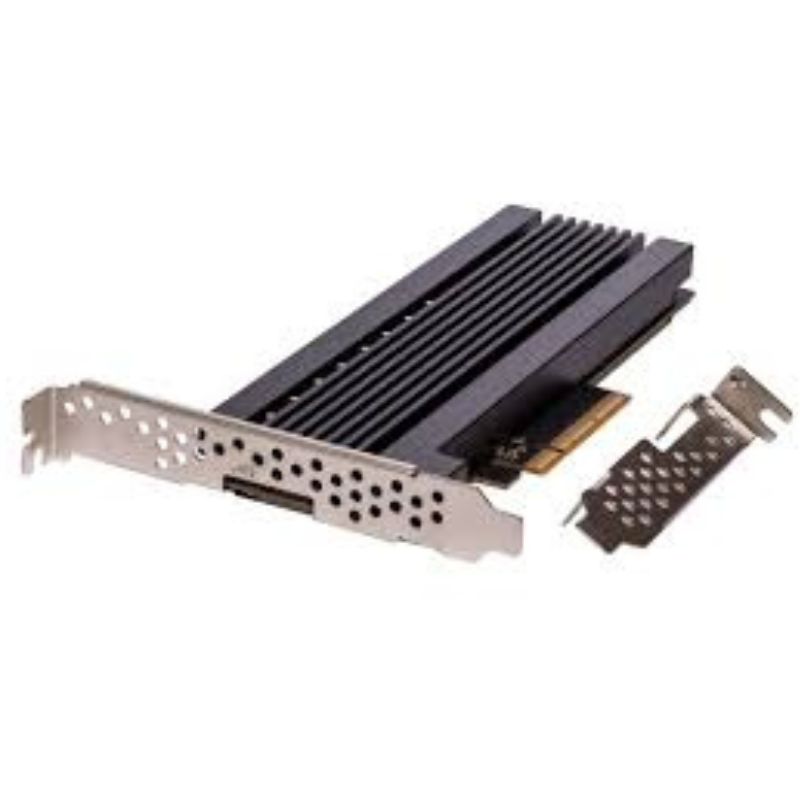
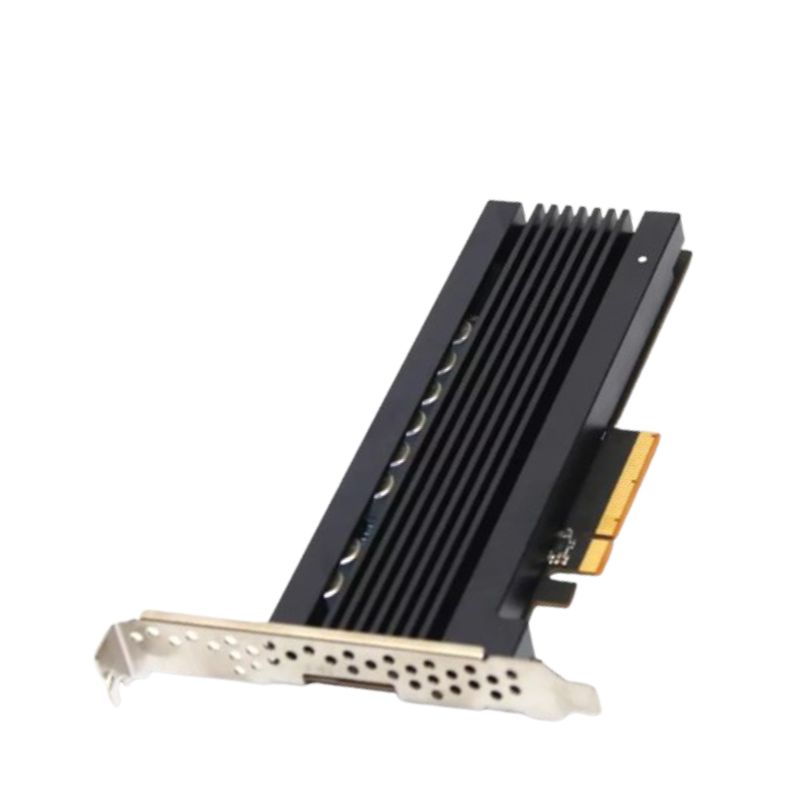
Samsung PM1725b MZPLL6T4HMLA-000MV 6.4 TB PCI-E NVM-E Mixed Use Internal SSD. Excellent Refurbished with 1 year replacement warranty
Highlight of Samsung PM1725b 6.4TB NVM-E SSD
The Samsung PM1725b MZPLL6T4HMLA-000MV is an enterprise-grade NVME solid state drive engineered for intensive workloads, cloud infrastructure, virtualization, and mission-critical storage environments. Built with advanced PCIE Gen3 technology, this high-capacity SSD delivers exceptional throughput, ultra-low latency, and dependable endurance for modern business applications. Designed in a PCI HHHL form factor, this data center SSD provides rapid response times and reliable scalability for enterprise servers and storage arrays. Its 6.4TB storage capacity makes it ideal for organizations handling massive databases, AI workloads, analytics, and high-frequency transactions.
The Samsung PM1725b MZPLL6T4HMLA-000MV Mixed Use SSD 6.4TB PCI Express 3.0 x8 NVMe solid state drive represents a high-capacity enterprise storage solution engineered for modern data center environments, virtualization clusters, enterprise analytics, high-frequency transactional systems, and mission-critical workloads. Designed with advanced NVMe architecture and PCIe Gen3 x8 connectivity, this enterprise SSD category delivers substantial throughput, ultra-low latency, and enterprise-grade endurance for organizations seeking scalable and dependable flash storage infrastructure.
Enterprise environments require storage hardware capable of sustaining intensive read and write operations while maintaining reliability and predictable performance. The Samsung PM1725b series addresses these requirements through optimized mixed-use endurance, advanced NAND flash management, and intelligent controller technologies. With a 6.4TB capacity, this SSD category supports dense storage deployments while minimizing rack space consumption and reducing overall power requirements in enterprise server environments.
Unlike traditional SATA SSDs or spinning hard disk drives, PCIe NVMe enterprise SSD solutions eliminate many legacy storage bottlenecks. The PM1725b architecture enables direct communication between storage and CPU resources, reducing latency and improving input/output operations per second. This makes the drive particularly suitable for large-scale databases, cloud computing infrastructures, enterprise virtualization platforms, software-defined storage environments, and AI-driven analytics platforms.
The Samsung PM1725b MZPLL6T4HMLA-000MV utilizes PCI Express 3.0 x8 bandwidth to deliver exceptional throughput capabilities in demanding server environments. NVMe protocol optimization significantly improves storage response times compared to older AHCI-based storage solutions. The direct PCIe interface enables higher queue depths and parallel command execution, which is essential for enterprise applications processing massive concurrent workloads.
In modern enterprise ecosystems, storage performance directly impacts application responsiveness, virtualization efficiency, and database transaction speeds. The PM1725b mixed-use SSD category is designed to maintain consistent performance under sustained workloads, making it suitable for environments where unpredictable latency spikes can negatively affect operational continuity.
Organizations deploying virtualization infrastructure benefit from the drive’s ability to handle simultaneous virtual machine workloads efficiently. Multiple applications can access storage resources concurrently without creating severe performance degradation. This architecture enhances user experience in virtual desktop infrastructure environments and improves resource utilization across enterprise hypervisor deployments.
The PCIe 3.0 x8 interface provides significantly greater bandwidth compared to SATA and SAS storage interfaces. Enterprise workloads involving large-scale analytics, transactional processing, and real-time application delivery require storage subsystems capable of sustaining high throughput under continuous demand. The x8 lane architecture offers improved data transfer capabilities that support intensive enterprise applications.
For data centers managing large transactional databases, the bandwidth advantages of PCIe Gen3 x8 connectivity translate into faster data retrieval and improved transaction processing efficiency. This becomes especially important in financial systems, enterprise ERP environments, cloud infrastructure deployments, and high-density virtualization clusters where storage latency can become a limiting factor.
The enhanced communication pathway between server CPUs and NVMe storage allows enterprise systems to process larger workloads with reduced overhead. By minimizing protocol inefficiencies and maximizing parallel operations, the Samsung PM1725b category helps optimize enterprise storage performance across numerous deployment scenarios.
NVMe technology was specifically developed to leverage the capabilities of NAND flash memory and PCIe connectivity. Traditional storage protocols were originally designed for mechanical hard drives, resulting in limitations that negatively affected flash storage performance. NVMe eliminates many of these inefficiencies through streamlined command structures and reduced latency overhead.
The PM1725b enterprise SSD category benefits from advanced NVMe queue management that supports massive parallelism. Enterprise applications involving thousands of simultaneous transactions can achieve superior responsiveness due to improved command processing efficiency. This is particularly beneficial in multi-user enterprise environments where storage responsiveness affects productivity and operational continuity.
Modern enterprise operating systems and hypervisors increasingly rely on NVMe-based storage to meet growing performance demands. The Samsung PM1725b mixed-use SSD aligns with these evolving infrastructure standards by providing optimized enterprise flash performance for current and future data center architectures.
The 6.4TB capacity of the Samsung PM1725b MZPLL6T4HMLA-000MV enables organizations to consolidate storage infrastructure while maintaining high-performance characteristics. Large-capacity enterprise SSD deployments reduce physical drive counts, simplify storage management, and improve rack density efficiency in data center environments.
High-capacity NVMe SSD categories are increasingly important as enterprise datasets continue expanding due to digital transformation initiatives, cloud computing growth, artificial intelligence adoption, and data analytics expansion. Organizations require storage solutions capable of supporting these evolving workloads without sacrificing performance or reliability.
By combining high capacity with enterprise endurance, the PM1725b mixed-use SSD category supports a broad range of workloads including virtual machine hosting, transactional databases, enterprise application servers, analytics systems, and cloud storage nodes. The drive’s architecture is engineered to sustain continuous enterprise operation while maintaining predictable performance levels.
Enterprise storage consolidation initiatives focus on reducing infrastructure complexity while improving performance efficiency. The Samsung PM1725b category contributes to these goals by enabling larger datasets to reside on fewer physical storage devices. This reduces cabling requirements, lowers power consumption, and improves airflow efficiency within server racks.
Storage consolidation also simplifies administrative management. Fewer physical devices mean reduced maintenance complexity and streamlined infrastructure monitoring. Enterprise IT departments benefit from simplified deployment strategies and improved operational efficiency when deploying high-capacity NVMe SSD solutions.
In hyper-converged infrastructure environments, storage density directly affects scalability and operational efficiency. The 6.4TB PM1725b SSD category provides the capacity necessary to support growing virtualized workloads while maintaining enterprise-class responsiveness.
Mixed-use SSD categories are specifically engineered to balance read-intensive and write-intensive operations. Enterprise workloads rarely consist of purely sequential or purely random data patterns. Instead, real-world enterprise environments involve complex combinations of transactional writes, database queries, virtualization traffic, and application delivery processes.
The Samsung PM1725b mixed-use SSD is designed to sustain these varying workloads efficiently. Advanced wear-leveling algorithms, enterprise firmware optimization, and NAND management technologies help ensure consistent performance across diverse enterprise applications.
Organizations deploying enterprise databases, cloud services, and large-scale analytics environments require storage capable of adapting to changing workload patterns. The PM1725b architecture supports this flexibility through intelligent resource allocation and optimized flash management technologies.
Enterprise storage infrastructure must provide dependable operation under continuous workloads. The Samsung PM1725b MZPLL6T4HMLA-000MV incorporates multiple reliability technologies designed to protect data integrity and maintain operational continuity in mission-critical environments.
Data integrity protection mechanisms are essential in enterprise systems where storage failures can result in operational disruption, financial losses, or compromised business continuity. Enterprise SSD categories therefore include advanced error correction technologies, power-loss protection systems, and firmware reliability enhancements.
Unexpected power interruptions present significant risks in enterprise storage environments. The PM1725b enterprise SSD category incorporates power-loss protection technologies that help safeguard in-flight data during sudden power failures. Capacitor-based protection mechanisms provide temporary power reserves that allow the drive to complete critical operations and protect cached data.
Power-loss protection is especially important in transactional database systems and enterprise virtualization environments where incomplete write operations can result in data corruption or application instability. By incorporating enterprise-grade protection mechanisms, the Samsung PM1725b category enhances infrastructure reliability and reduces operational risk.
Data centers operating high-availability applications benefit substantially from storage solutions designed with advanced power protection capabilities. Enterprise continuity planning increasingly depends on resilient storage hardware capable of mitigating unexpected operational disruptions.
Enterprise SSD categories utilize sophisticated error correction technologies to maintain data accuracy across extensive operational lifecycles. NAND flash memory can experience bit errors over time, particularly under intensive workloads. Advanced ECC systems continuously monitor and correct these errors to preserve data integrity.
The Samsung PM1725b architecture includes enterprise-focused firmware algorithms that optimize flash reliability and extend operational lifespan. These technologies help ensure stable performance even under sustained enterprise usage conditions.
End-to-end data protection mechanisms further enhance reliability by validating information as it travels through the storage pipeline. This reduces the likelihood of silent data corruption and improves confidence in mission-critical enterprise environments.
Enterprise SSD firmware plays a crucial role in performance consistency and long-term reliability. The PM1725b mixed-use SSD category incorporates enterprise-grade firmware optimized for predictable operation in server environments. Stability-focused firmware engineering minimizes unexpected performance fluctuations and supports continuous enterprise uptime requirements.
Organizations operating large-scale enterprise infrastructures depend on storage hardware capable of integrating seamlessly with existing server ecosystems. Firmware optimization contributes to compatibility, operational stability, and efficient resource utilization across enterprise deployments.
The Samsung PM1725b MZPLL6T4HMLA-000MV leverages advanced NAND flash technologies engineered for enterprise workloads. NAND architecture significantly influences SSD performance, endurance, and reliability characteristics. Enterprise SSD categories require optimized flash memory capable of sustaining continuous high-intensity operations.
Samsung’s expertise in NAND flash manufacturing contributes to the PM1725b’s ability to deliver enterprise-class endurance and consistent performance. High-density flash memory configurations allow the drive to achieve substantial storage capacity while maintaining low latency characteristics.
Enterprise mixed-use SSD deployments require advanced wear-leveling technologies to distribute write operations evenly across flash memory cells. Uneven wear patterns can reduce SSD lifespan and affect long-term reliability. The PM1725b category addresses this challenge through intelligent flash management algorithms.
Wear-leveling systems dynamically allocate writes to optimize NAND utilization and extend operational endurance. This is particularly important in mixed-use enterprise environments involving continuous transactional activity, virtualization traffic, and database processing.
Organizations seeking long-term infrastructure investments benefit from enterprise SSD categories engineered for sustained operational durability. Endurance optimization technologies help reduce replacement frequency and improve total cost of ownership across enterprise storage deployments.
Enterprise SSD performance consistency depends heavily on effective garbage collection and background optimization processes. As data is written and deleted, NAND flash memory requires intelligent cleanup operations to maintain optimal performance levels.
The Samsung PM1725b mixed-use SSD incorporates advanced garbage collection technologies that operate efficiently without causing substantial application disruption. Background optimization processes help preserve throughput consistency during heavy enterprise workloads.
Data center administrators benefit from storage systems capable of maintaining stable latency profiles even under sustained operational stress. Predictable performance characteristics are essential for enterprise applications where storage variability can negatively affect user experience and operational efficiency.
The Samsung PM1725b MZPLL6T4HMLA-000MV enterprise SSD category is designed for compatibility with modern server architectures supporting PCIe NVMe storage solutions. Enterprise organizations increasingly deploy NVMe infrastructure to improve scalability, application responsiveness, and virtualization efficiency.
Compatibility with enterprise operating systems, virtualization platforms, and storage management frameworks is essential for seamless infrastructure integration. The PM1725b category supports deployment across diverse enterprise ecosystems including cloud environments, hyper-converged infrastructures, and software-defined storage platforms.
Virtualization environments generate highly randomized storage workloads involving simultaneous access from multiple virtual machines. The PM1725b mixed-use SSD category is optimized to handle these complex access patterns efficiently.
Low-latency NVMe performance improves virtual machine responsiveness and enhances consolidation ratios in enterprise hypervisor deployments. Organizations can support more virtual workloads per server while maintaining acceptable application performance levels.
High-capacity enterprise SSD deployments also simplify storage allocation strategies within virtualized environments. Administrators can provision larger storage pools while benefiting from consistent enterprise flash performance.
Cloud infrastructure environments require scalable storage platforms capable of supporting dynamic workloads and rapid resource provisioning. The Samsung PM1725b category aligns with these requirements by delivering enterprise-grade performance and high-capacity storage scalability.
Hyper-converged infrastructure deployments combine compute, storage, and networking resources into unified architectures. NVMe SSD categories such as the PM1725b play a crucial role in maintaining application responsiveness and enabling efficient resource sharing.
As enterprises continue adopting hybrid cloud strategies, high-performance NVMe SSD solutions become increasingly important for maintaining competitive infrastructure performance. The PM1725b mixed-use SSD category supports these evolving deployment models through scalable enterprise flash architecture.
Enterprise databases require storage systems capable of processing intensive transactional operations with minimal latency. The Samsung PM1725b MZPLL6T4HMLA-000MV mixed-use SSD category provides the throughput and responsiveness necessary for modern database infrastructures.
Relational databases, NoSQL platforms, and real-time analytics systems all benefit from low-latency NVMe storage architectures. Faster data retrieval improves query performance and enhances overall application responsiveness.
Database-intensive environments often involve continuous read and write operations with demanding latency requirements. The PM1725b enterprise SSD category is engineered to sustain these workloads while maintaining predictable response times.
Organizations operating financial platforms, e-commerce systems, enterprise ERP applications, and customer relationship management databases require reliable storage performance to maintain operational continuity. Enterprise NVMe SSD deployments significantly improve transactional efficiency compared to legacy storage systems.
Consistent storage performance also contributes to improved database scalability. As transactional workloads increase, enterprise NVMe SSD solutions help prevent storage bottlenecks from limiting application growth.
Big data environments process massive datasets requiring high-throughput storage infrastructure. The Samsung PM1725b mixed-use SSD category supports analytics workloads involving data ingestion, indexing, and real-time query execution.
Analytics platforms benefit from the drive’s low latency and high bandwidth capabilities. Faster access to large datasets enables more responsive reporting, machine learning workflows, and predictive analytics operations.
Organizations increasingly rely on real-time analytics to support operational decision-making. Enterprise NVMe SSD categories provide the performance foundation necessary for these data-intensive applications.
Data center efficiency depends heavily on power consumption and thermal management optimization. The Samsung PM1725b MZPLL6T4HMLA-000MV enterprise SSD category contributes to improved infrastructure efficiency through optimized power characteristics and reduced thermal output compared to traditional storage systems.
High-performance enterprise SSD deployments can reduce overall rack power requirements while improving storage responsiveness. Efficient thermal management also supports denser server configurations without excessive cooling overhead.
The consolidation capabilities of high-capacity NVMe SSD solutions reduce physical infrastructure requirements in enterprise environments. Fewer storage devices mean lower power consumption, simplified cooling demands, and improved rack density efficiency.
Organizations pursuing sustainable IT initiatives benefit from enterprise storage technologies that improve energy efficiency while maintaining high performance levels. The PM1725b category supports these goals through advanced enterprise flash architecture.
Reduced infrastructure complexity additionally contributes to simplified maintenance operations and lower operational overhead across enterprise deployments.
Enterprise SSD categories must maintain stable operation under sustained workloads and elevated data center temperatures. The Samsung PM1725b mixed-use SSD incorporates thermal management technologies designed to preserve reliability and consistent performance.
Thermal optimization is particularly important in high-density server environments where multiple NVMe drives operate simultaneously. Stable thermal characteristics help ensure predictable storage behavior and reduce performance throttling risks.
Enterprise administrators deploying high-performance storage infrastructure require hardware capable of sustaining operational consistency across diverse environmental conditions. The PM1725b architecture supports these enterprise reliability requirements through advanced thermal engineering and enterprise-focused component design.


 Contact Us
 Information
 Catalog
 Solid State Drives (SSD)
 Network Switches
 Hard Disk Drives
 HBA & Controllers
 PC & Servers
 PC & Server Memory
 CPU & Processors
 Network Routers
 Power Supplies
 Tape Drives & Libraries
 Network Devices
 Computer & Network Cables