(7% discount is applied at checkout)
Cart is empty
Your go-to destination for cutting-edge server products
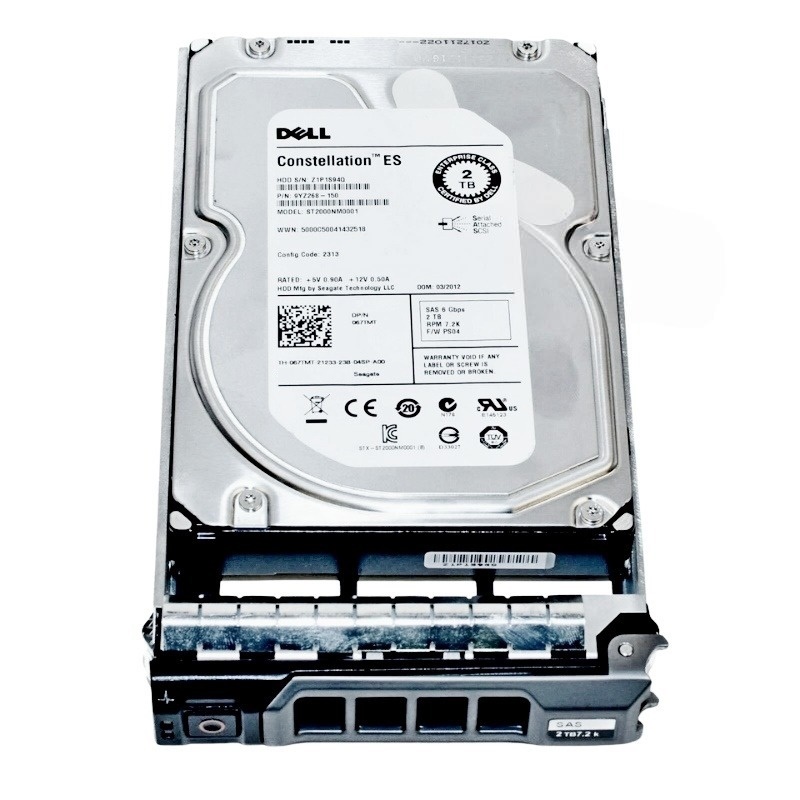


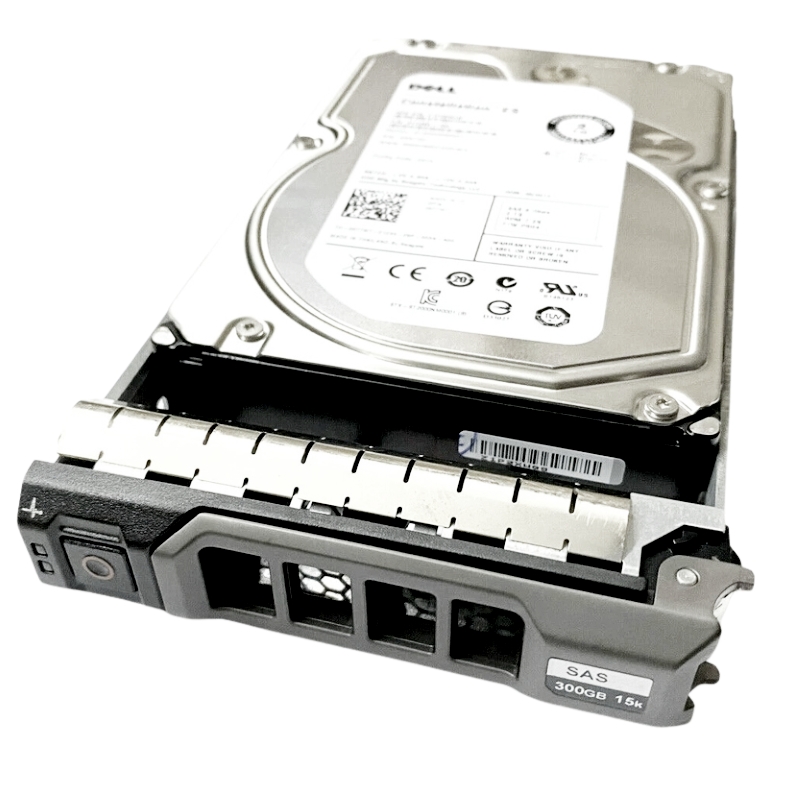
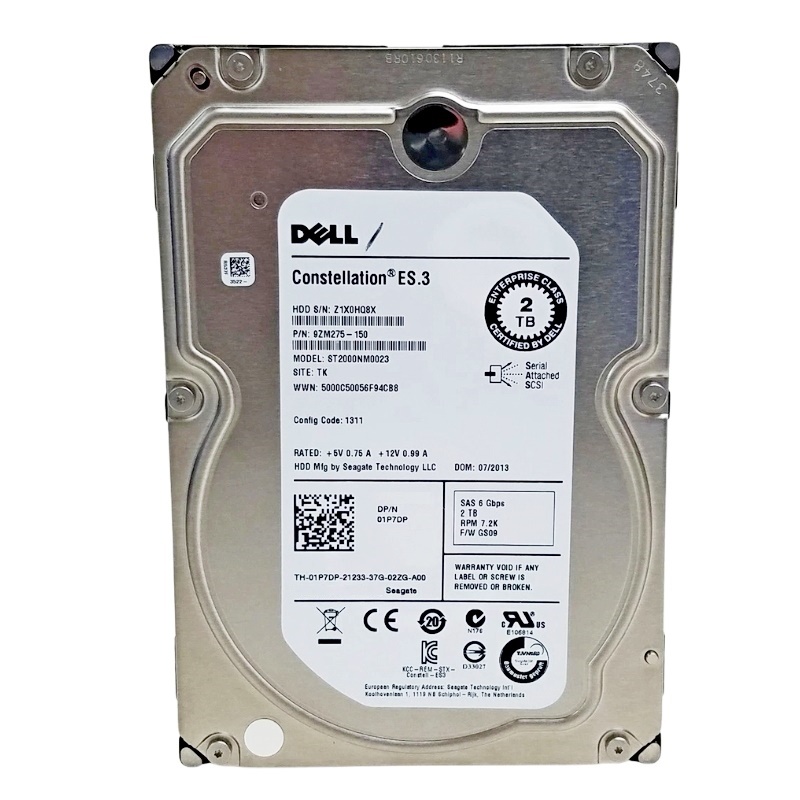
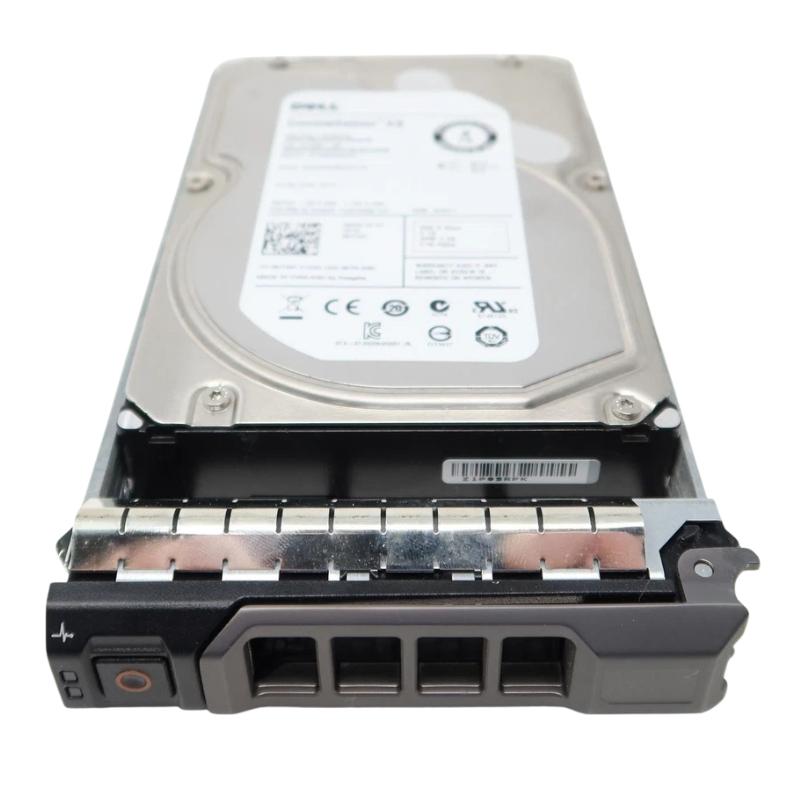
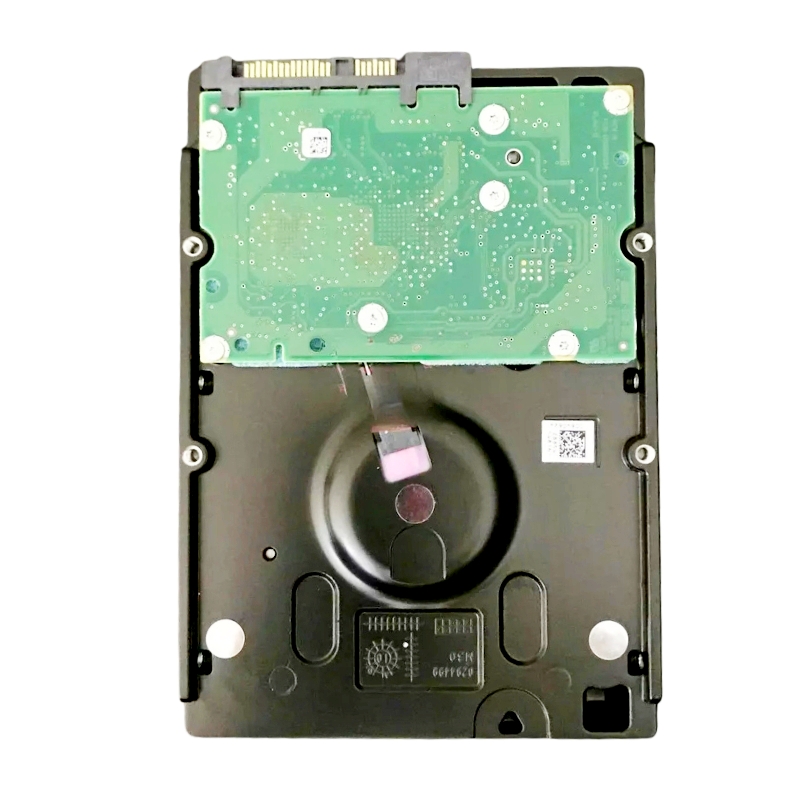
Seagate 9YZ268-150 2TB 7.2K RPM HDD 64MB SAS-6GBPS LFF. Excellent Refurbished with 1 year replacement warranty - Dell Version
The Seagate 9YZ268-150 2TB 7.2K RPM SAS 6Gbps 3.5-inch Internal Hard Drive with tray is engineered for enterprise workloads, offering dependable storage, advanced format technology, and seamless integration with server environments requiring reliable performance.
The Seagate 2TB 7200RPM SAS 6Gbps 3.5-inch 64MB buffer internal hard disk drive represents a critical segment within enterprise-grade storage solutions, designed to deliver consistent performance, reliability, and scalability in demanding IT environments. This category of hard disk drives is widely utilized in data centers, enterprise servers, storage arrays, and mission-critical applications where uptime, speed, and data integrity are paramount. With a storage capacity of 2TB, these drives strike a balance between affordability and adequate storage space, making them an ideal choice for businesses requiring dependable data storage without excessive cost overhead.
The inclusion of a 7200RPM rotational speed ensures faster data access compared to lower RPM drives, while the SAS 6Gbps interface provides superior data transfer rates and enhanced connectivity features. These drives are engineered for continuous operation, offering high endurance levels and improved error correction mechanisms. The 3.5-inch form factor remains a standard in enterprise environments due to its compatibility with a wide range of server chassis and storage enclosures.
Serial Attached SCSI, commonly referred to as SAS, is a high-performance interface technology designed for enterprise-level storage devices. The SAS 6Gbps interface featured in Seagate 2TB drives delivers a data transfer rate of up to 6 gigabits per second, enabling faster communication between the hard drive and the host system. This interface is known for its robustness, scalability, and reliability, making it a preferred choice for enterprise storage infrastructures.
Unlike SATA drives, SAS drives support dual-port connectivity, allowing them to connect to multiple controllers simultaneously. This feature enhances redundancy and ensures uninterrupted data access even in the event of a hardware failure. Additionally, SAS drives are capable of handling higher workloads, making them suitable for environments where data access demands are constant and intensive.
The Seagate 2TB SAS drive category offers several advantages over traditional SATA-based storage solutions. One of the most significant benefits is improved reliability. SAS drives are designed with enterprise workloads in mind, incorporating advanced error detection and correction technologies that minimize data loss risks. Furthermore, SAS drives typically have higher mean time between failures, ensuring long-term dependability.
Another advantage is enhanced performance consistency. While SATA drives may experience performance degradation under heavy workloads, SAS drives maintain stable performance levels, even during peak operations. This makes them ideal for applications such as database management, virtualization, and large-scale data processing.
The 7200RPM rotational speed plays a crucial role in determining the performance of a hard disk drive. In the context of the Seagate 2TB SAS drive, this speed ensures a balance between energy efficiency and performance. It provides faster read and write operations compared to lower-speed drives, making it suitable for a wide range of enterprise applications.
Rotational speed directly impacts latency and data access times. A 7200RPM drive offers reduced latency, allowing faster retrieval of stored data. This is particularly important in environments where quick access to information is essential for maintaining operational efficiency. The performance benefits extend to multitasking scenarios, where multiple read and write operations occur simultaneously.
The 64MB buffer included in these drives serves as a temporary storage area that enhances data transfer efficiency. Cache memory allows frequently accessed data to be stored closer to the processor, reducing the need to access the disk repeatedly. This results in improved overall performance, especially in applications that involve repetitive data access patterns.
In enterprise environments, where data requests can be highly unpredictable, the presence of a substantial buffer ensures smoother data handling. It minimizes bottlenecks and enhances the responsiveness of the storage system. The combination of 7200RPM speed and 64MB cache makes these drives well-suited for both sequential and random workloads.
Reliability is a defining characteristic of the Seagate 2TB SAS hard drive category. These drives are built to operate continuously, often in 24/7 environments, without compromising performance or data integrity. They are equipped with advanced technologies that protect against data corruption and mechanical failures.
One of the key aspects of enterprise reliability is vibration tolerance. In densely packed server environments, multiple drives operate simultaneously, generating vibrations that can affect performance. Seagate SAS drives incorporate vibration-resistant designs that ensure stable operation even under such conditions.
Data integrity is critical in enterprise storage systems. The Seagate 2TB SAS drives utilize sophisticated error correction algorithms to detect and correct data inconsistencies. These mechanisms ensure that stored data remains accurate and accessible, even in the presence of hardware anomalies.
Additionally, these drives support advanced diagnostic features that enable proactive monitoring of drive health. This allows IT administrators to identify potential issues before they escalate, reducing downtime and maintenance costs.
The 3.5-inch form factor of these drives ensures compatibility with a wide range of enterprise hardware, including rack-mounted servers, blade servers, and storage arrays. This standard size allows for easy integration into existing infrastructures without the need for extensive modifications.
SAS drives are commonly used in RAID configurations, where multiple drives are combined to improve performance and redundancy. The Seagate 2TB SAS drives are fully compatible with various RAID levels, enabling organizations to customize their storage solutions based on specific requirements.
Hot-swapping is a critical feature in enterprise environments, allowing drives to be replaced without shutting down the system. The Seagate 2TB SAS drives support this functionality, ensuring minimal disruption during maintenance or upgrades. This feature is particularly valuable in data centers where uptime is crucial.
The Seagate 2TB 7200RPM SAS 6Gbps hard drive category is widely used across various industries and applications. In data centers, these drives serve as reliable storage solutions for hosting applications, databases, and virtual machines. Their consistent performance and durability make them suitable for handling large volumes of data.
In enterprise environments, these drives are often deployed in file servers, backup systems, and storage arrays. They provide a dependable solution for storing critical business data, ensuring accessibility and security. Additionally, their compatibility with RAID configurations makes them ideal for redundancy-focused applications.
Virtualization and cloud computing environments require storage solutions that can handle dynamic workloads and high data throughput. The Seagate 2TB SAS drives meet these requirements by offering consistent performance and scalability. They support the creation of virtual machines and storage pools, enabling efficient resource allocation.
In cloud infrastructures, these drives contribute to the reliability and efficiency of data storage systems. Their ability to handle continuous operations ensures that cloud services remain accessible and responsive to user demands.
Energy efficiency is an important consideration in enterprise storage solutions. The Seagate 2TB 7200RPM SAS drives are designed to optimize power consumption without compromising performance. This helps reduce operational costs and minimizes the environmental impact of data centers.
Thermal management is another critical aspect of drive performance. These drives are engineered to operate within optimal temperature ranges, ensuring longevity and reliability. Advanced cooling mechanisms and efficient power usage contribute to stable operation in high-density environments.
The Seagate 2TB SAS drives can be integrated with advanced storage technologies such as software-defined storage and hybrid storage systems. These integrations enhance the functionality and efficiency of storage infrastructures, enabling organizations to leverage modern data management techniques.
By combining traditional hard disk drives with emerging technologies, businesses can create versatile storage solutions that meet diverse requirements. The adaptability of these drives ensures their continued relevance in evolving IT environments.


 Contact Us
 Information
 Catalog
 Solid State Drives (SSD)
 Network Switches
 Hard Disk Drives
 HBA & Controllers
 PC & Servers
 PC & Server Memory
 CPU & Processors
 Network Routers
 Power Supplies
 Tape Drives & Libraries
 Network Devices
 Computer & Network Cables