(7% discount is applied at checkout)
Cart is empty
Your go-to destination for cutting-edge server products
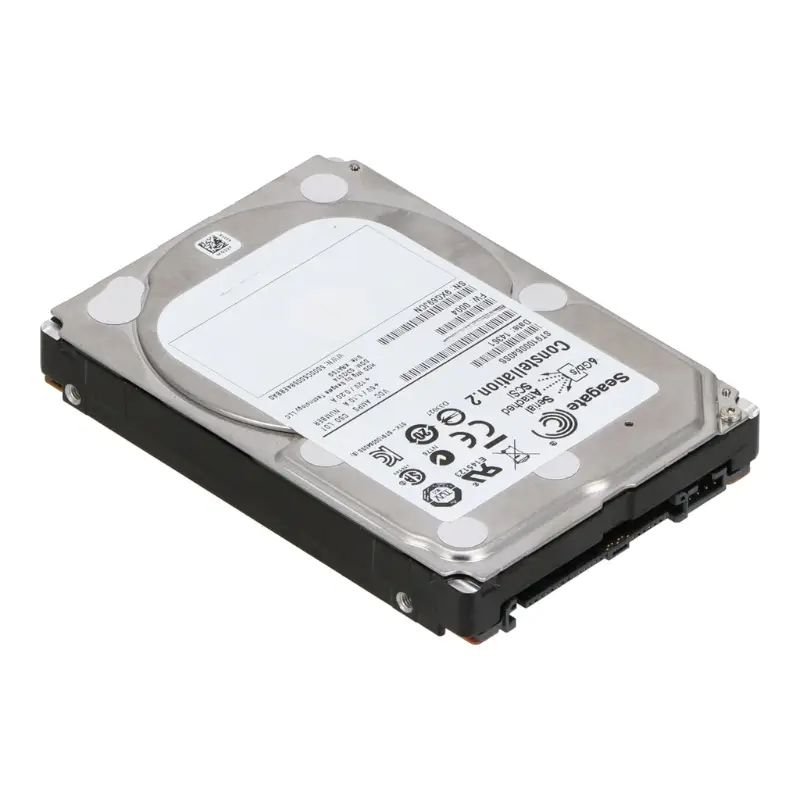


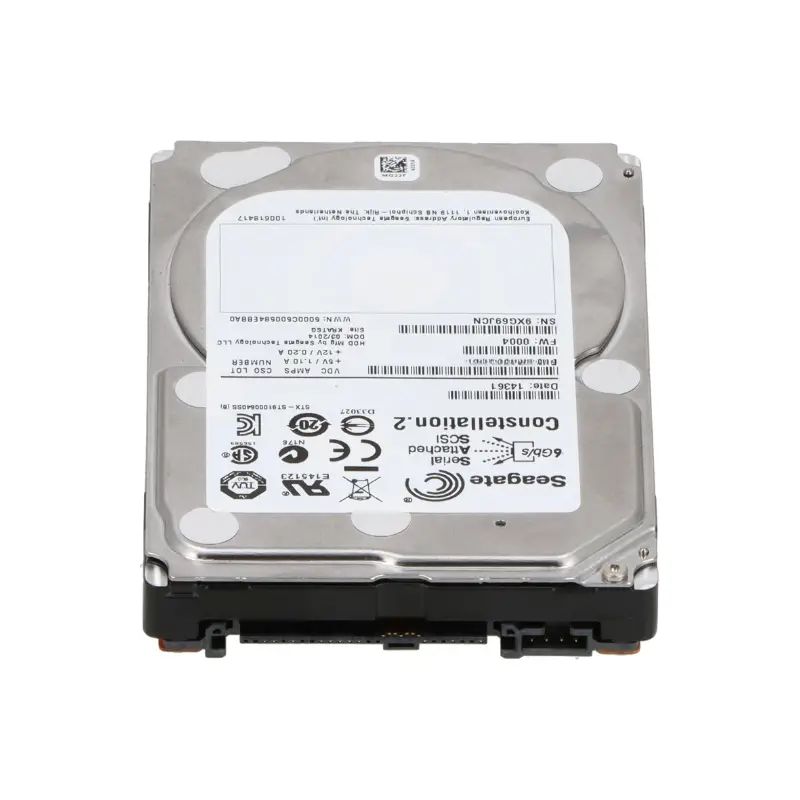
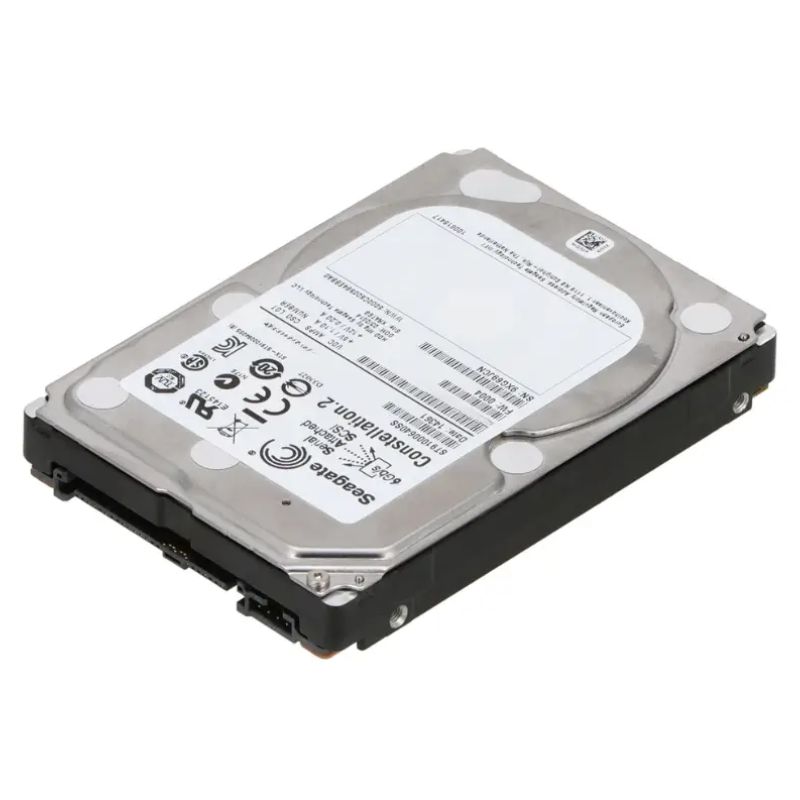
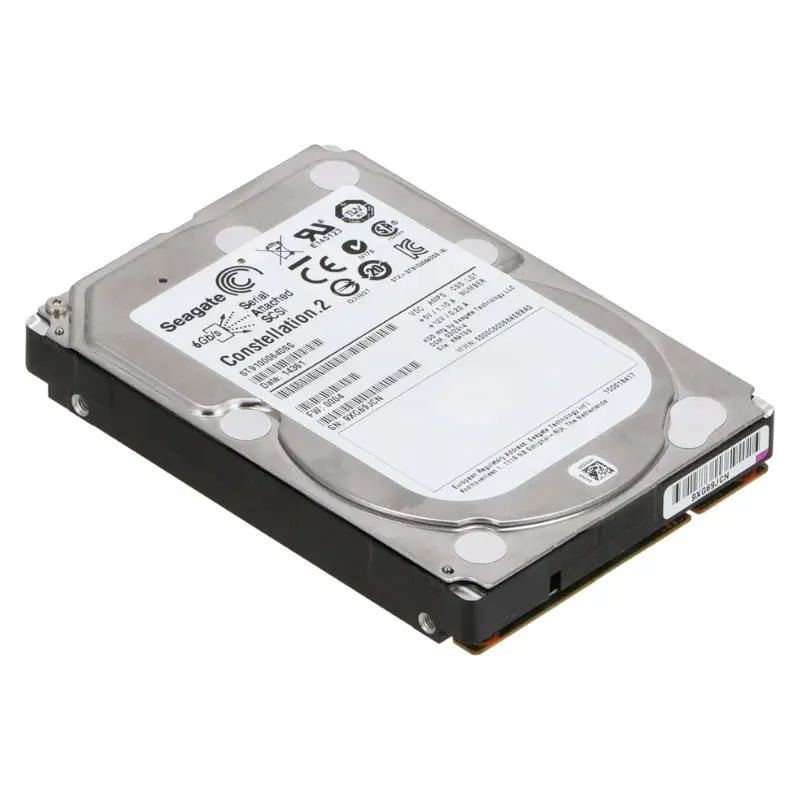
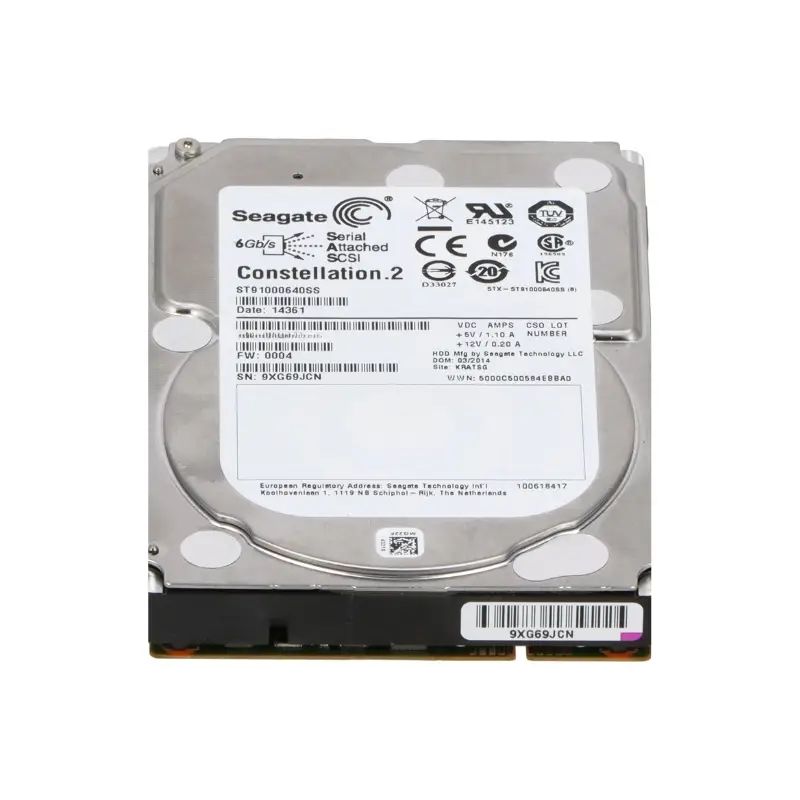
Seagate ST1000NM0001 1TB 7.2K RPM Constellation 64MB Buffer SAS-6GBPS 3.5-Inch Internal HDD. Excellent Refurbished with 1-Year Replacement Warranty
The Seagate ST1000NM0001 Constellation 1TB enterprise hard drive is designed for professional-grade storage environments. With 7.2K RPM rotational speed, SAS-6Gbps interface, and a 64MB cache buffer, this 3.5-inch internal HDD delivers dependable performance, scalability, and reliable data handling for mission-critical workloads.
The Seagate ST1000NM0001 1TB 7.2K RPM Constellation 64MB Buffer SAS 6Gbps 3.5-Inch Internal HDD belongs to the enterprise-class Serial Attached SCSI hard disk drive category, a storage segment engineered for reliability, sustained performance, and continuous operation in professional IT environments. This category is designed to support data centers, enterprise servers, network-attached storage systems, and mission-critical business infrastructures where data integrity, predictable throughput, and long service life are essential operational requirements. Unlike consumer-grade SATA drives, enterprise SAS HDDs are optimized for multi-user workloads, higher duty cycles, and advanced command queuing, making them suitable for demanding 24/7 usage scenarios.
Enterprise SAS hard drives serve as foundational storage components within structured storage architectures, including direct-attached storage, shared storage arrays, and scalable storage enclosures. They are commonly deployed in environments that prioritize consistency, fault tolerance, and compatibility with enterprise controllers. The Constellation series represents a class of drives that bridge performance efficiency and cost-effective capacity, positioning this category as a dependable choice for organizations balancing performance needs with storage budgets.
The 3.5-inch enterprise HDD form factor remains a critical element in data center storage strategies due to its optimal balance of capacity density, thermal efficiency, and mechanical durability. Drives in this category are engineered to fit seamlessly into standard enterprise drive bays, storage chassis, and hot-swap backplanes. The mechanical design supports vibration tolerance and consistent rotational stability, which are crucial when multiple drives operate simultaneously within dense enclosures.
Despite the rise of solid-state storage, enterprise HDDs continue to play a vital role in capacity-centric workloads such as archival storage, backup repositories, log aggregation systems, and data lakes. The Seagate ST1000NM0001 exemplifies this category by delivering dependable rotational performance combined with enterprise firmware optimizations, ensuring that large volumes of data remain accessible with predictable latency.
The Serial Attached SCSI interface defines a key differentiator within this storage category. Operating at 6Gbps, SAS provides full-duplex communication, allowing simultaneous data transmission and reception. This architectural advantage improves command handling efficiency and reduces latency in multi-threaded access scenarios, which are common in enterprise workloads. Compared to SATA interfaces, SAS supports more advanced command queuing and higher reliability standards.
The enterprise SAS ecosystem includes robust controllers, expanders, and backplanes that enable scalable storage architectures. Drives such as the Seagate ST1000NM0001 are designed to integrate seamlessly into these ecosystems, supporting multi-drive arrays with consistent performance characteristics. The interface also supports dual-port functionality at the category level, allowing redundant data paths for increased fault tolerance in high-availability systems.
SAS hard drives are optimized for environments where multiple applications and users access data concurrently. The command queuing capabilities inherent to the SAS protocol allow drives to efficiently reorder and process requests, minimizing seek times and improving throughput under load. This is particularly important in database servers, file servers, and virtualization hosts where I/O patterns are complex and unpredictable.
Within this category, firmware algorithms prioritize consistent response times rather than peak burst speeds, ensuring stable performance during sustained workloads. This approach aligns with enterprise service level objectives, where predictable behavior is often more valuable than short-term performance spikes.
Enterprise SAS HDDs are validated for use with a wide range of RAID controllers and storage adapters. Compatibility ensures that features such as hot swapping, drive health monitoring, and array rebuild operations function reliably. The category supports advanced RAID configurations that enhance data protection and availability, making it suitable for mission-critical applications.
RAID integration also benefits from optimized error handling, allowing controllers to manage recovery processes without prolonged drive timeouts. This coordination between drive firmware and controller logic is a defining attribute of enterprise SAS storage.
The 7.2K RPM rotational speed represents a balanced performance profile within the enterprise HDD category. This speed delivers efficient data access while maintaining lower power consumption and thermal output compared to higher-RPM alternatives. Drives in this category are often selected for capacity-oriented workloads that still require reliable access times and steady throughput.
The inclusion of a 64MB buffer enhances data handling efficiency by caching frequently accessed data and smoothing write operations. Cache memory plays a crucial role in optimizing sequential and random I/O patterns, reducing mechanical latency, and improving overall system responsiveness. Enterprise-grade cache management algorithms ensure data integrity, even in the event of unexpected power interruptions.
Enterprise storage environments demand consistent performance over extended periods rather than short-lived bursts. This category of HDDs is engineered to maintain stable throughput during prolonged read and write cycles. Thermal calibration and adaptive seek algorithms contribute to consistent access times, preventing performance degradation as operating temperatures fluctuate.
Performance consistency is particularly important in shared storage systems, where multiple hosts rely on predictable I/O behavior. The Constellation series is designed to meet these expectations by balancing mechanical performance with firmware intelligence.
While rotational HDDs inherently exhibit higher latency than solid-state drives, enterprise SAS HDDs minimize variability through precise actuator control and optimized seek profiles. This predictability makes them suitable for applications that require steady access patterns rather than ultra-low latency, such as file storage, media repositories, and transactional logging.
Latency stability contributes to smoother application performance, especially in environments where multiple storage tiers are combined to balance cost and speed.
The 1TB capacity offered by drives in this category provides an effective balance between storage density and manageability. Enterprise environments often deploy multiple drives to achieve desired capacity levels, redundancy, and performance. A 1TB drive size allows flexible array design, enabling administrators to scale storage incrementally while maintaining optimal RAID configurations.
Capacity efficiency is enhanced by sector formatting and advanced error correction techniques that maximize usable space while ensuring data accuracy. Enterprise HDDs are designed to handle large datasets with minimal overhead, supporting efficient storage utilization across diverse workloads.
Enterprise SAS HDDs frequently serve as foundational components within tiered storage strategies. They are often paired with solid-state drives to create balanced systems where high-speed tiers handle performance-sensitive data and HDD tiers manage bulk storage. This category supports such architectures by delivering dependable performance at a lower cost per gigabyte.
Tiered storage enables organizations to optimize infrastructure investments while meeting diverse application requirements. The reliability and predictability of enterprise HDDs make them well-suited for these roles.
Backup and archival systems rely heavily on the durability and capacity efficiency of enterprise HDDs. This category supports long-term data retention, regulatory compliance, and disaster recovery strategies. Drives are engineered to maintain data integrity over extended periods, ensuring that archived information remains accessible when needed.
Enterprise firmware features support sequential write optimization, which is particularly beneficial for backup operations that involve large data streams.
Thermal stability is a critical consideration in enterprise storage deployments. Drives in this category are designed to operate within controlled temperature ranges while maintaining performance. Advanced thermal monitoring systems adjust internal parameters to mitigate the effects of heat, reducing wear on mechanical components and extending drive lifespan.
Power efficiency is also a defining characteristic of this category. Optimized spindle motors and intelligent power management features help reduce energy consumption during idle and active states. Lower power usage contributes to reduced cooling requirements and operational costs in large-scale data centers.
Enterprise SAS HDDs are engineered to withstand rotational and linear vibrations commonly encountered in densely populated storage enclosures. Enhanced vibration tolerance ensures that drive performance remains stable even when multiple drives operate simultaneously. This characteristic is essential for maintaining consistent throughput and preventing mechanical interference.
Vibration management contributes to overall system reliability, particularly in rack-mounted servers and storage arrays where physical stability is paramount.


 Contact Us
 Information
 Catalog
 Solid State Drives (SSD)
 Network Switches
 Hard Disk Drives
 HBA & Controllers
 PC & Servers
 PC & Server Memory
 CPU & Processors
 Network Routers
 Power Supplies
 Tape Drives & Libraries
 Network Devices
 Computer & Network Cables