(7% discount is applied at checkout)
Cart is empty
Your go-to destination for cutting-edge server products
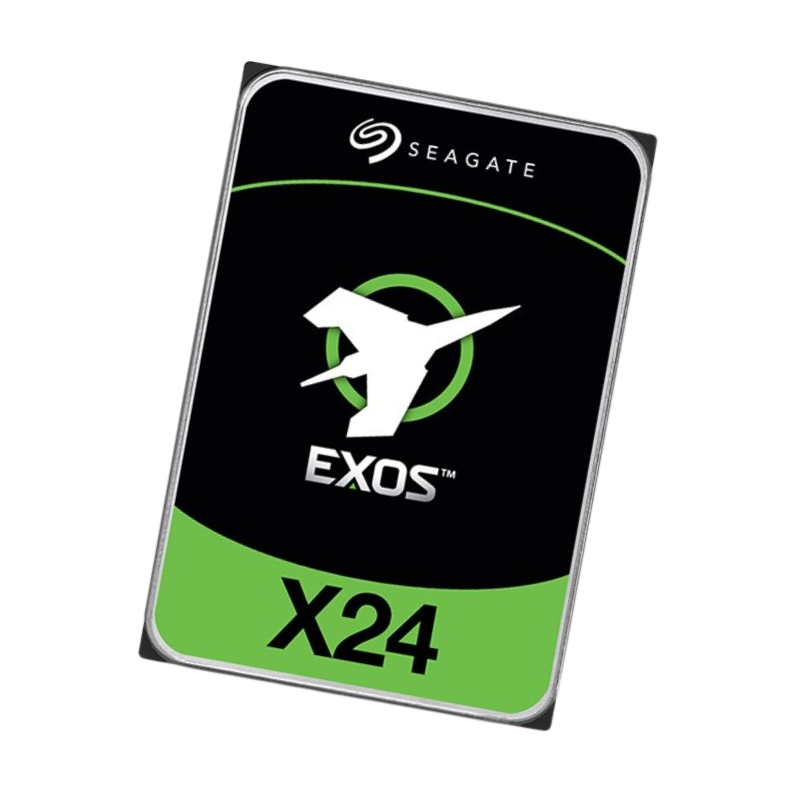


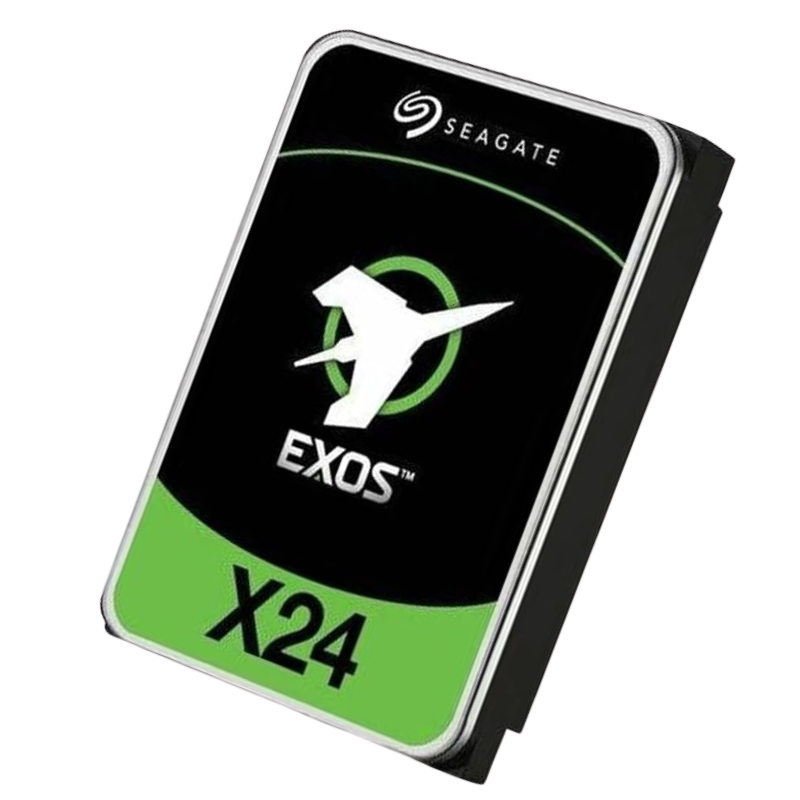
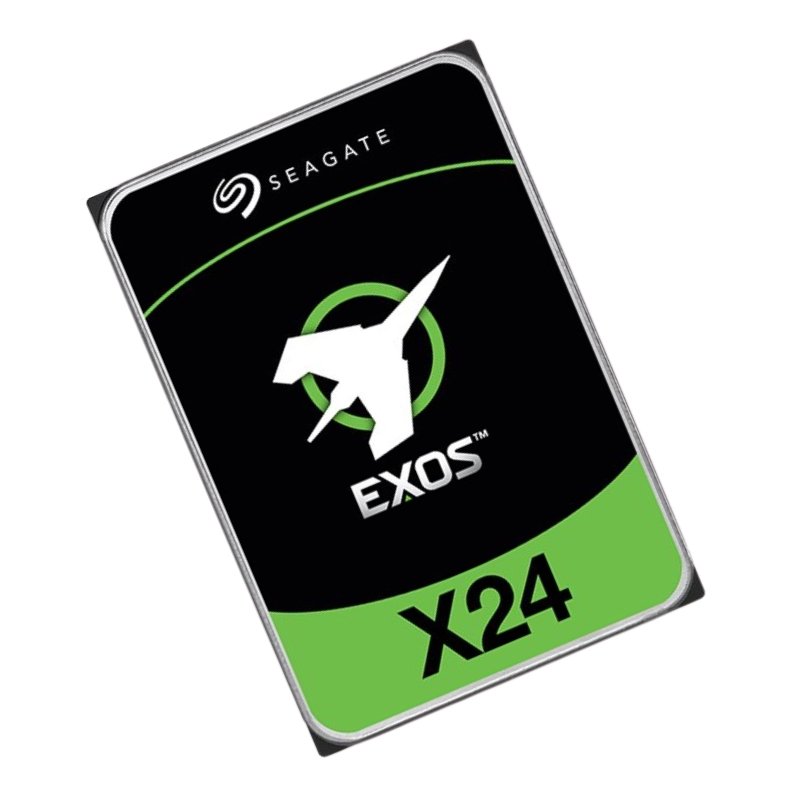
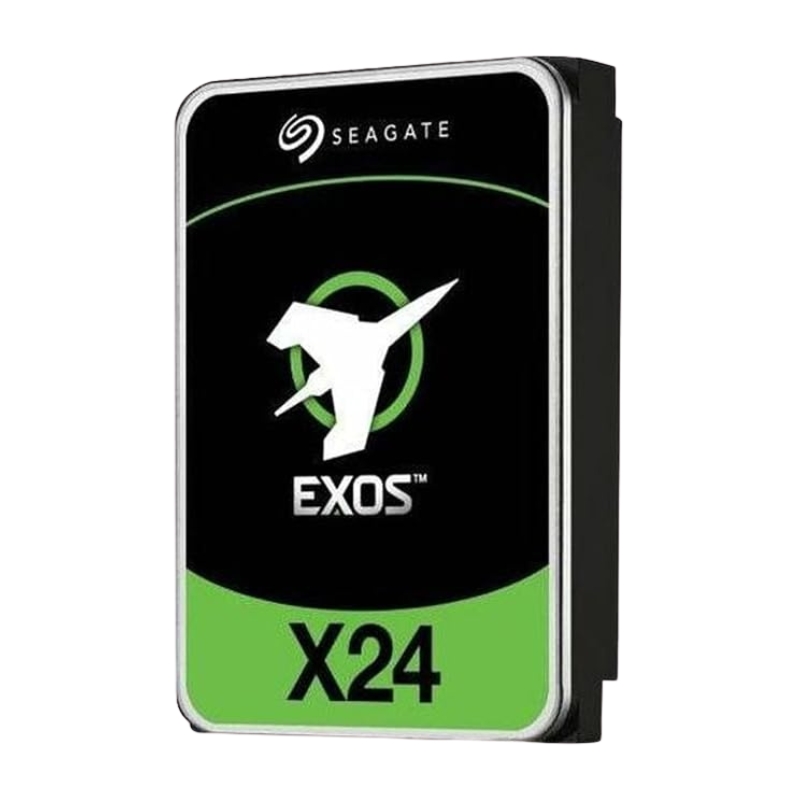
Seagate ST12000NM002H Exos X24 12TB Enterprise Hard Disk Drive with 7.2K RPM, SATA 6GBPS, 512MB Buffer, and 512e Technology. Factory-Sealed New in Original Box (FSB) with 3-Year Replacement Warranty
The Seagate Exos X24 series is engineered for high-demand environments where durability, scalability, and performance are critical. Designed as an internal 3.5-inch storage solution, this enterprise-grade HDD delivers exceptional reliability for data-intensive infrastructures.
The Seagate ST12000NM002H Exos X24 12TB Enterprise Hard Disk Drive represents a high-capacity storage solution engineered for demanding enterprise environments where consistent performance, long-term durability, and scalable data management are essential. Positioned within the enterprise-class HDD category, this drive is part of Seagate’s Exos X series, which is specifically designed to support hyperscale data centers, cloud infrastructure, RAID storage arrays, and mission-critical workloads that require uninterrupted operation and optimized data throughput.
As a 12TB capacity enterprise SATA hard disk drive, the Exos X24 integrates advanced mechanical engineering with firmware-level optimizations to support modern data workloads that involve large-scale analytics, virtualization environments, archival systems, and distributed storage networks. Its classification as an enterprise HDD distinguishes it from consumer-grade storage devices through enhanced workload ratings, higher vibration tolerance, and extended operational endurance.
The enterprise storage architecture of the Seagate ST12000NM002H Exos X24 is centered around stability, sustained performance, and scalability. Unlike consumer hard drives that prioritize cost efficiency and light workloads, enterprise drives are designed to operate continuously in data-intensive environments. This model integrates a mechanical platform optimized for 24/7 usage cycles, ensuring that data integrity and access consistency remain stable even under heavy read and write operations.
The internal design of the Exos X24 incorporates precision-balanced platters, advanced actuator control, and vibration dampening technologies that help maintain consistent read/write head alignment. This ensures that performance degradation due to mechanical stress is minimized, especially in multi-drive server configurations where vibration interference is common.
One of the defining characteristics of modern high-capacity enterprise drives like the ST12000NM002H is the use of helium-sealed enclosure technology. By filling the internal drive chamber with helium instead of air, internal resistance is significantly reduced, allowing the spinning platters to operate with less turbulence and lower power consumption. This design choice enables Seagate to increase platter density while maintaining thermal stability and mechanical reliability.
The reduced friction within a helium-filled environment contributes to lower operational temperatures, which is critical in large-scale storage arrays where heat accumulation can become a limiting factor. Additionally, helium technology allows more platters to be placed within the same 3.5-inch form factor, directly contributing to the 12TB storage capacity while preserving efficiency.
The Exos X24 12TB drive typically utilizes Conventional Magnetic Recording (CMR) technology, which is preferred in enterprise environments due to its predictable performance characteristics. Unlike SMR (Shingled Magnetic Recording), which can introduce latency during overwrite operations, CMR ensures that each track is written independently, allowing consistent write performance even in random access workloads.
This makes the ST12000NM002H highly suitable for RAID configurations, database servers, and virtualization storage pools where steady I/O performance is more important than raw density optimization alone. The predictable nature of CMR also enhances compatibility with enterprise storage controllers and data protection systems.
Performance in enterprise hard disk drives is measured not only in raw transfer speed but also in sustained throughput, latency stability, and workload handling capability. The Seagate ST12000NM002H Exos X24 is engineered to maintain consistent performance across long-duration workloads typical in enterprise environments.
The drive operates at a rotational speed of 7200 RPM, which is a standard benchmark for enterprise-class SATA HDDs. This rotational speed strikes a balance between performance and energy efficiency, ensuring that data access times remain low while maintaining mechanical reliability over extended periods.
At 7200 revolutions per minute, the drive is capable of delivering stable sequential read and write operations, which is particularly important for workloads involving large file transfers, backup operations, and streaming data pipelines. The rotational consistency also contributes to predictable latency, which is essential in multi-user storage environments.
The ST12000NM002H uses a SATA 6Gbps interface, which allows the drive to integrate seamlessly into a wide range of enterprise and server hardware platforms. While the mechanical limitations of HDD technology do not fully saturate the SATA 6Gbps bandwidth, the interface ensures that data transfer bottlenecks are minimized during peak workloads.
This interface compatibility also makes the drive highly flexible in deployment scenarios, allowing it to be used in both legacy systems and modern storage architectures without requiring specialized hardware controllers. The SATA interface contributes to simplified system design and cost-effective scalability in enterprise environments.
A key performance-enhancing feature of the Exos X24 is its large 512MB cache buffer. This high-capacity cache acts as a temporary high-speed memory layer between the storage platters and the host system, significantly improving data access efficiency.
The cache enables the drive to handle burst workloads more effectively by temporarily storing frequently accessed or pending write data. This reduces the number of physical disk accesses required, thereby improving overall throughput and reducing mechanical wear over time. In enterprise workloads involving database queries or virtual machine operations, the large cache plays a critical role in maintaining responsiveness.
The Seagate ST12000NM002H Exos X24 incorporates 512e (512-byte emulation) sector technology, which allows the drive to present a traditional 512-byte logical sector interface while physically using larger sector sizes internally. This hybrid approach ensures compatibility with legacy systems while still benefiting from modern storage density improvements.
The use of 512e technology ensures seamless integration with older operating systems, file systems, and storage controllers that expect 512-byte sector alignment. At the same time, internally optimized sector sizes improve error correction efficiency and data density.
This dual-layer compatibility is particularly valuable in enterprise environments where infrastructure upgrades occur gradually rather than all at once. It allows organizations to deploy high-capacity drives without requiring immediate system-wide changes.
Enterprise-grade drives such as the Exos X24 incorporate advanced error correction codes (ECC) and firmware-based data protection algorithms. These systems continuously monitor read and write operations to detect and correct potential data inconsistencies before they impact system integrity.
The drive also includes rotational vibration sensors that help mitigate data errors caused by mechanical interference in multi-drive arrays. This is essential for maintaining data consistency in dense storage environments such as rack-mounted servers and storage enclosures.
Reliability is a defining characteristic of the Seagate ST12000NM002H Exos X24. Designed for 24/7 operation, this drive is built to withstand continuous workloads that would typically exceed the operational limits of consumer-grade HDDs.
The Exos X series is engineered for high workload environments, often rated for hundreds of terabytes of data written per year. This makes the ST12000NM002H suitable for applications such as cloud storage systems, enterprise backup solutions, and large-scale content delivery networks.
Unlike desktop hard drives, which are optimized for intermittent usage, enterprise drives are tested under sustained stress conditions to ensure reliability over extended operational lifecycles. This includes continuous read/write cycles, thermal cycling, and vibration stress testing.
Enterprise HDDs like the Exos X24 are typically rated with high Mean Time Between Failures (MTBF) values, reflecting their ability to operate reliably over long durations. While MTBF is a statistical measure rather than a guarantee, it provides insight into the drive’s engineered durability and expected lifespan in controlled environments.
The internal components, including spindle motors, actuator arms, and magnetic heads, are designed for reduced wear, contributing to extended operational longevity even under continuous workloads.
In enterprise storage arrays, multiple drives operate in close proximity, generating mechanical vibrations that can affect read/write accuracy. The Exos X24 integrates rotational vibration sensors that dynamically adjust head positioning to compensate for these disturbances.
This ensures stable performance even in high-density storage enclosures, where dozens or even hundreds of drives may be operating simultaneously. Vibration resilience is a critical factor in maintaining consistent performance in such environments.
Power efficiency is an important consideration in enterprise storage design, especially in large-scale deployments where hundreds or thousands of drives operate simultaneously. The helium-sealed architecture of the ST12000NM002H contributes significantly to reduced power consumption.
By reducing internal air resistance, helium-filled drives require less energy to spin the platters at 7200 RPM. This reduction in drag translates directly into lower power usage, which is particularly beneficial in data centers where energy costs represent a significant operational expense.
Lower power consumption also results in reduced heat generation, which simplifies cooling requirements and improves overall system efficiency.
Thermal stability is critical for maintaining long-term drive reliability. The Exos X24 is designed to operate within optimized temperature ranges that minimize thermal expansion and mechanical stress.
The helium environment within the drive enclosure helps dissipate heat more effectively than traditional air-filled drives, ensuring consistent performance even under sustained workloads.
The Seagate ST12000NM002H Exos X24 12TB HDD is suitable for a wide range of enterprise storage applications where capacity, reliability, and sustained performance are required simultaneously.
In data center environments, this drive is commonly deployed in storage arrays that support cloud services, virtualization platforms, and large-scale database systems. Its ability to handle continuous workloads makes it ideal for backend storage infrastructure supporting web services and enterprise applications.
The drive’s predictable performance and error correction capabilities make it well-suited for RAID configurations. Whether used in RAID 5, RAID 6, or RAID 10 setups, the Exos X24 provides the reliability necessary for redundant storage systems where data protection is essential.
For archival purposes, the 12TB capacity offers a balance between storage density and operational efficiency. Organizations that require long-term retention of large datasets, such as media archives or regulatory compliance storage, benefit from the drive’s durability and capacity efficiency.
Virtualized environments often involve multiple virtual machines accessing shared storage resources simultaneously. The Exos X24’s large cache buffer and stable throughput characteristics help maintain consistent performance across virtual workloads.
The SATA 6Gbps interface ensures broad compatibility with a wide range of enterprise storage controllers, server motherboards, and storage enclosures. This simplifies integration into existing IT infrastructure without requiring specialized adapters or proprietary interfaces.
Its standardized interface also supports easier scalability, allowing system administrators to expand storage capacity incrementally as data requirements grow.


 Contact Us
 Information
 Catalog
 Solid State Drives (SSD)
 Network Switches
 Hard Disk Drives
 HBA & Controllers
 PC & Servers
 PC & Server Memory
 CPU & Processors
 Network Routers
 Power Supplies
 Tape Drives & Libraries
 Network Devices
 Computer & Network Cables