(7% discount is applied at checkout)
Cart is empty
Your go-to destination for cutting-edge server products
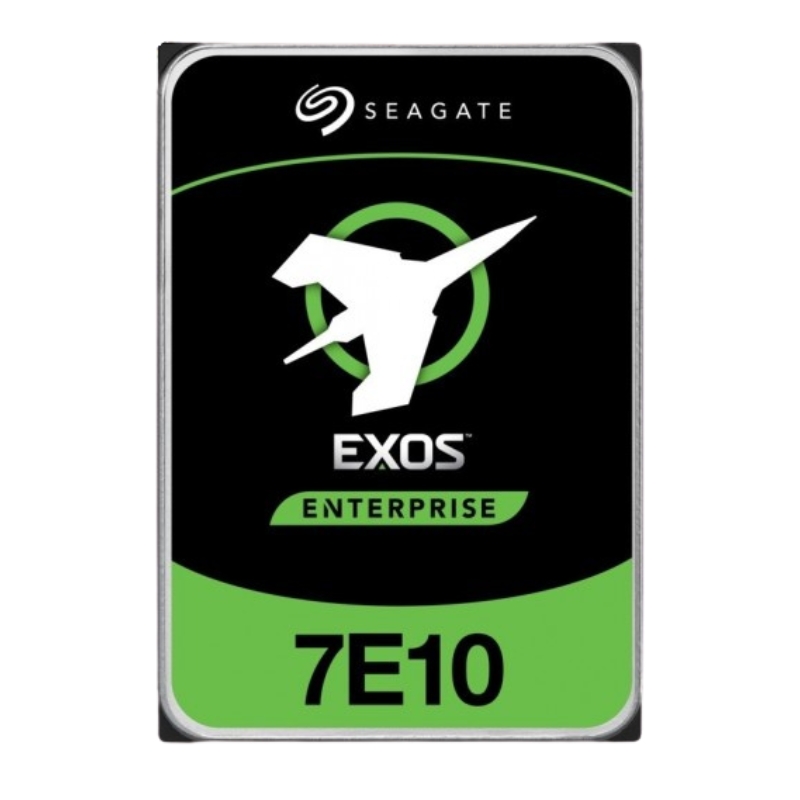


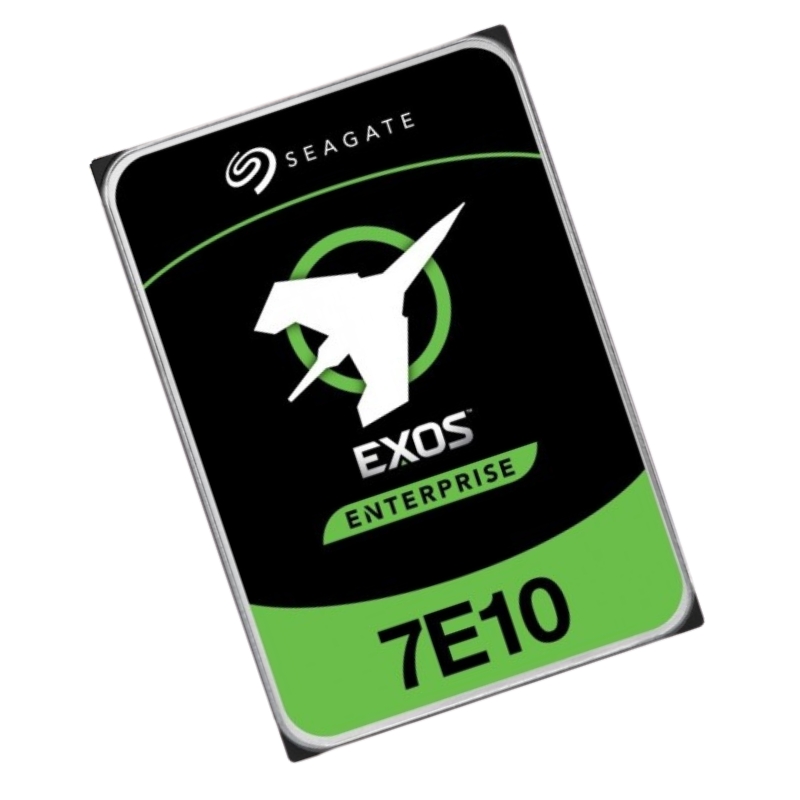
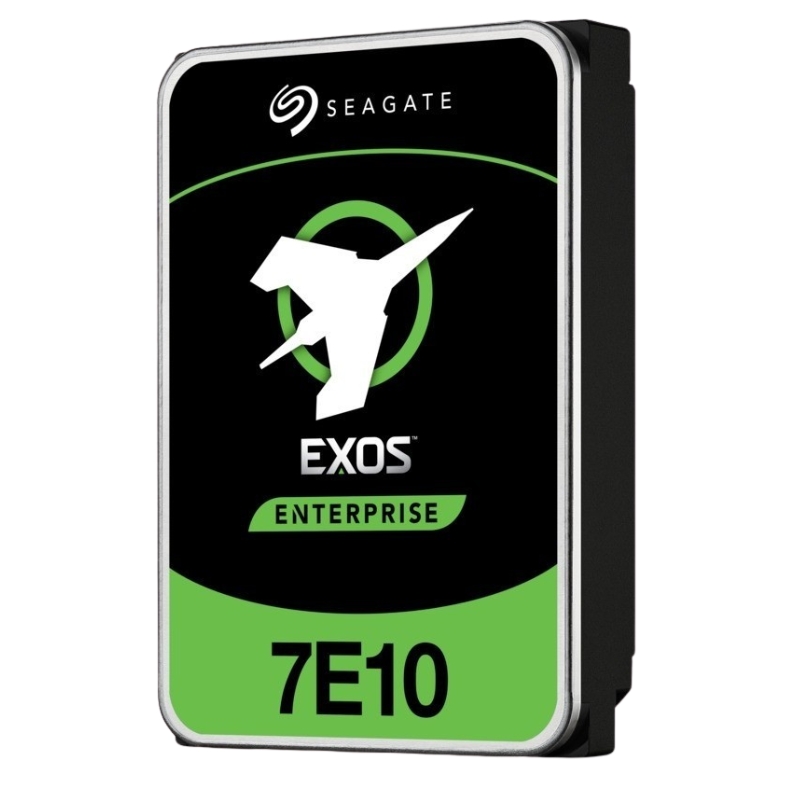
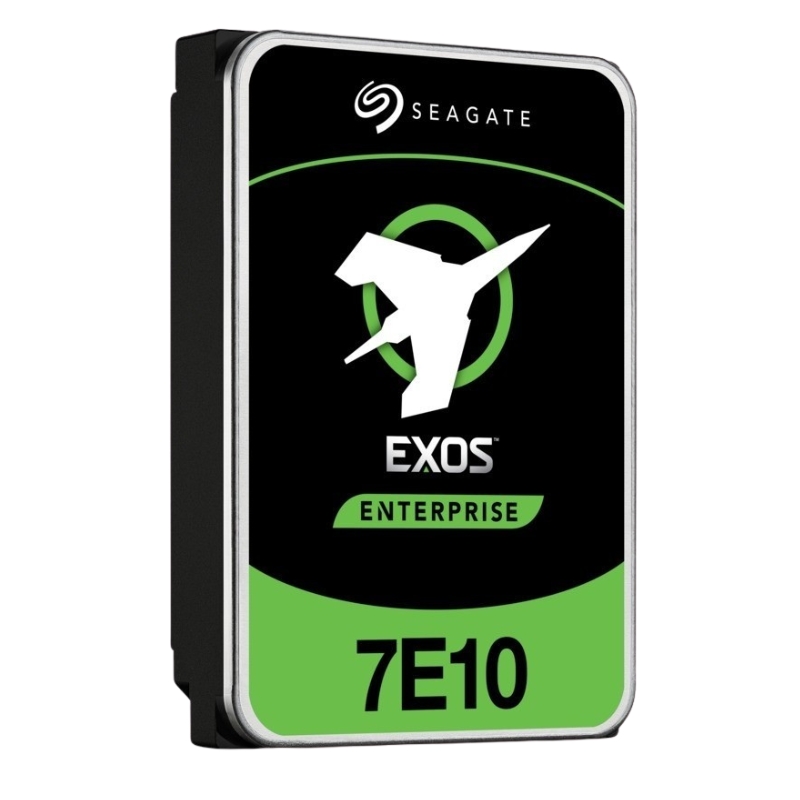
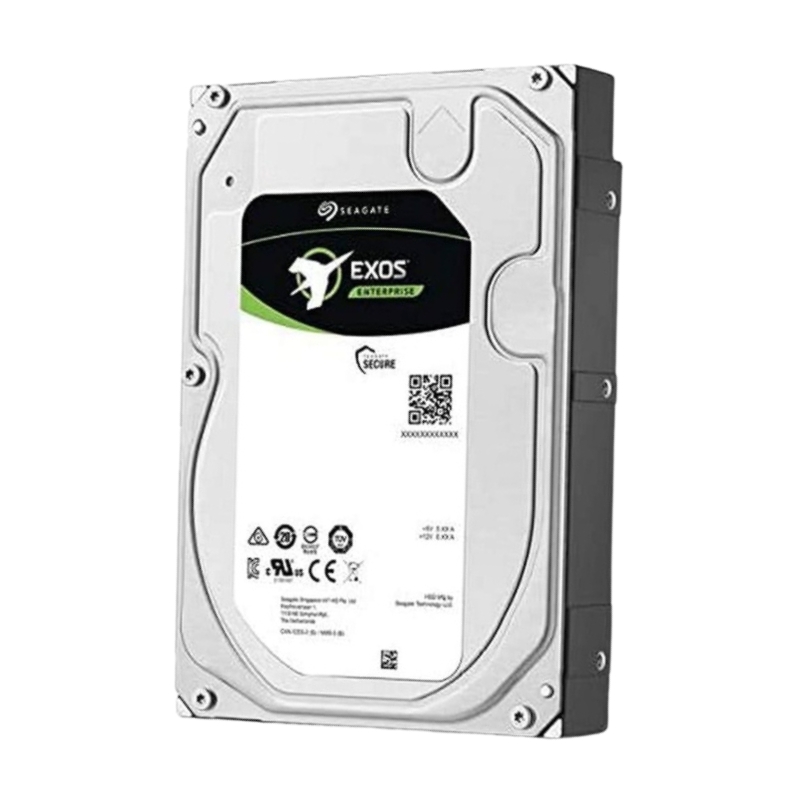
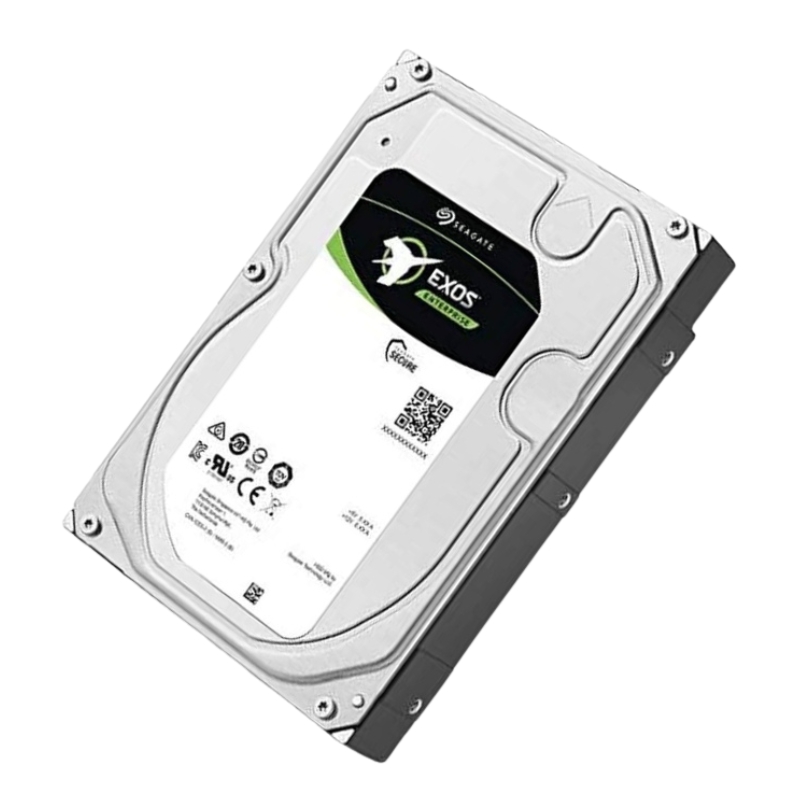
Seagate ST2000NM012B Exos 7E10 2TB Internal Hard Drive with 7.2K RPM SATA 6GBPS and 256MB Buffer. Excellent Refurbished with 1 year Replacement Warranty - Dell Version
The Seagate ST2000NM012B Exos 7E10 is a 2TB internal hard disk drive engineered for enterprise-grade storage. With a 7.2K RPM rotational speed, SATA 6Gbps interface, and a 256MB buffer, it ensures reliable performance and efficient data handling for demanding workloads.
The Seagate ST2000NM012B Exos 7E10 2TB Internal Hard Drive represents a high-performance enterprise storage solution designed for demanding data environments requiring consistent throughput, reliable endurance, and scalable capacity management. Positioned within the enterprise-class SATA hard drive category, this storage device is engineered to support mission-critical workloads across data centers, cloud infrastructure, surveillance systems, and high-availability server environments where stability and sustained performance are essential.
As part of the broader enterprise storage ecosystem, this category of 2TB 7.2K RPM SATA drives emphasizes balanced performance, cost efficiency, and long operational life cycles. The integration of a 256MB cache buffer and SATA 6Gbps interface ensures optimized data transfer efficiency, making it suitable for both sequential and mixed workload environments that require dependable input/output performance.
Enterprise data centers depend heavily on predictable storage behavior under continuous workloads. The Seagate Exos 7E10 series is categorized specifically for such environments, where uptime, durability, and thermal stability are critical. The 2TB capacity variant offers an optimal balance between density and manageability, making it suitable for storage arrays, RAID configurations, and distributed systems requiring redundant data protection.
This category of internal hard drives is optimized for workloads such as transactional databases, enterprise backup systems, virtualization storage layers, and archival systems. The hardware is designed to maintain consistent performance even under sustained read and write cycles, ensuring minimal performance degradation over time.
The drive architecture is well-suited for multi-user environments where simultaneous data requests are frequent. The enhanced caching mechanism plays a significant role in reducing latency and improving responsiveness when handling concurrent access operations across multiple virtual machines or application layers.
Cloud storage environments demand scalable and efficient hardware that can handle distributed workloads. The Seagate ST2000NM012B fits within this category due to its ability to maintain stable throughput in virtualized and cloud-based infrastructures.
Designed for integration into scalable storage clusters, this drive supports modular expansion strategies commonly used in cloud data centers. The SATA 6Gbps interface ensures compatibility with a wide range of storage controllers and backplane systems.
In cloud architectures, redundancy and replication are essential. This drive category supports RAID-based configurations that enable mirrored and striped data setups, ensuring fault tolerance and high availability for critical applications.
The 7200 RPM spindle speed is a fundamental performance characteristic that provides a balance between energy efficiency and data access speed. This rotational speed is widely used in enterprise-grade drives because it delivers reliable performance without excessive heat generation or power consumption.
Mechanical precision within the drive ensures stable read/write head positioning and reduced seek times. This contributes to smoother data retrieval processes and minimizes latency during high-load operations.
The mechanical design is reinforced for continuous operation cycles, making it suitable for 24/7 environments. This durability ensures that the drive maintains performance consistency even in high-temperature or high-vibration conditions typical of server racks.
The SATA 6Gbps interface provides a reliable and widely compatible connectivity standard for enterprise storage systems. It enables efficient data transfer between the storage device and host systems, supporting high-speed communication essential for modern workloads.
One of the advantages of SATA-based enterprise drives is their compatibility with existing infrastructure. This allows organizations to upgrade storage systems incrementally without requiring complete hardware overhauls.
The interface ensures consistent data flow with minimal interruption, supporting sustained transfer rates that are critical for applications such as database logging, virtualization storage layers, and media archiving systems.
The integrated 256MB cache buffer significantly enhances performance by temporarily storing frequently accessed data. This reduces the need for repeated mechanical disk access and improves overall system responsiveness.
In environments with frequent random read and write operations, the cache acts as a performance accelerator, reducing latency and improving throughput efficiency for transactional workloads.
The caching mechanism dynamically adapts to workload patterns, ensuring that frequently accessed data remains readily available for processing, thereby reducing bottlenecks in data-intensive environments.
Enterprise-class hard drives incorporate sophisticated error correction technologies that detect and correct data inconsistencies during read/write operations. This ensures data integrity across long-term storage cycles.
Each data sector is validated during write operations, reducing the likelihood of corruption and ensuring that stored data remains accurate and accessible over time.
The drive firmware includes predictive monitoring capabilities that help detect early signs of mechanical or electronic degradation, allowing for proactive replacement before failure occurs.
In multi-drive server environments, vibration is a common challenge. This category of enterprise drives is engineered with enhanced vibration tolerance mechanisms that maintain performance stability even in densely packed storage arrays.
The drive maintains consistent operation even when installed alongside multiple other drives, ensuring that performance does not degrade due to environmental interference.
Designed for compatibility with enterprise-grade enclosures, the drive supports high-density configurations without compromising operational reliability.
Organizations often deploy storage in modular configurations to support scalable growth. The Seagate ST2000NM012B supports such strategies by providing consistent performance across multiple units within an array.
The drive enables horizontal scaling, allowing additional units to be added to existing infrastructure without disrupting system operations or performance consistency.
Storage pooling allows multiple drives to function as a unified resource, improving efficiency and simplifying storage management in large-scale environments.
Virtualized systems require storage solutions that can handle multiple operating systems and workloads simultaneously. This drive category is optimized for such environments through balanced performance distribution.
The drive ensures efficient storage allocation for virtual machines, supporting consistent performance across multiple virtualized workloads without bottlenecking.
Storage resources are allocated dynamically, ensuring that no single workload overwhelms system capacity or reduces overall efficiency.
Enterprise environments require energy-efficient storage solutions to reduce operational costs and thermal output. This drive category is engineered to balance performance with power efficiency.
During periods of inactivity, the drive reduces power consumption without affecting data availability, contributing to overall system energy savings.
Efficient thermal management ensures that the drive operates within safe temperature ranges, reducing cooling requirements and improving long-term reliability.
The physical design supports effective heat dissipation, which is essential for maintaining performance stability in high-density server environments.
The drive is designed to maintain stable temperatures during continuous operation cycles, preventing overheating and performance throttling.
It integrates seamlessly into rack-mounted cooling systems commonly used in enterprise data centers, ensuring uniform thermal distribution.
Data integrity is a critical aspect of enterprise storage systems. This drive category incorporates firmware-level protections to ensure secure and reliable data handling.
Firmware is designed to resist corruption and maintain operational consistency even in high-demand environments, ensuring uninterrupted storage access.
The drive supports long-term data retention requirements, making it suitable for archival storage systems where data must remain accessible for extended periods.
Many industries require compliance with strict data storage regulations. This category supports enterprise compliance needs through reliable and verifiable storage performance.
Storage systems built with these drives can support audit requirements by maintaining consistent data logs and traceability across operations.


 Contact Us
 Information
 Catalog
 Solid State Drives (SSD)
 Network Switches
 Hard Disk Drives
 HBA & Controllers
 PC & Servers
 PC & Server Memory
 CPU & Processors
 Network Routers
 Power Supplies
 Tape Drives & Libraries
 Network Devices
 Computer & Network Cables