(7% discount is applied at checkout)
Cart is empty
Your go-to destination for cutting-edge server products
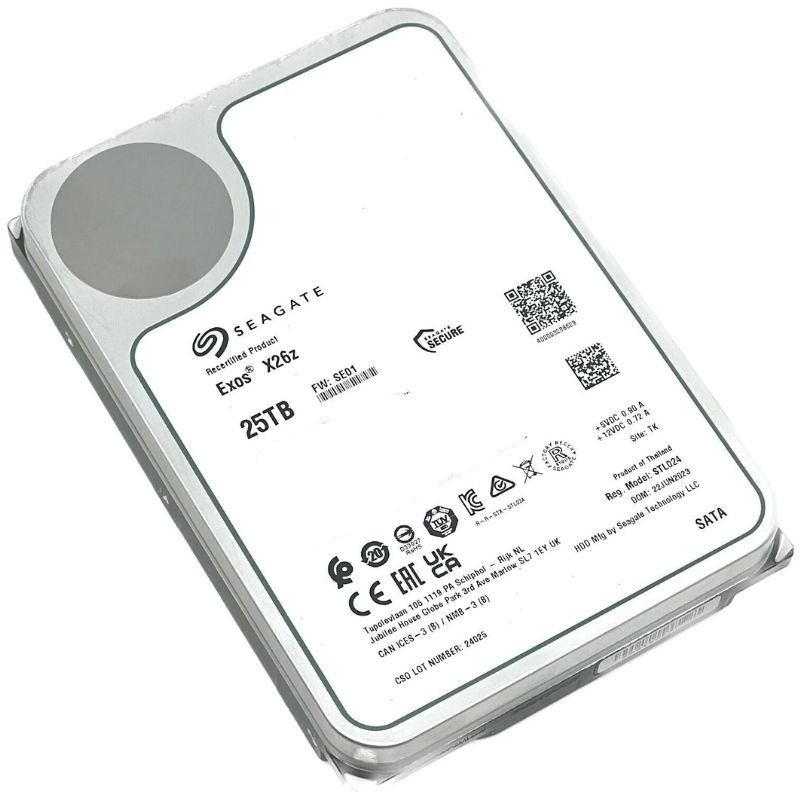


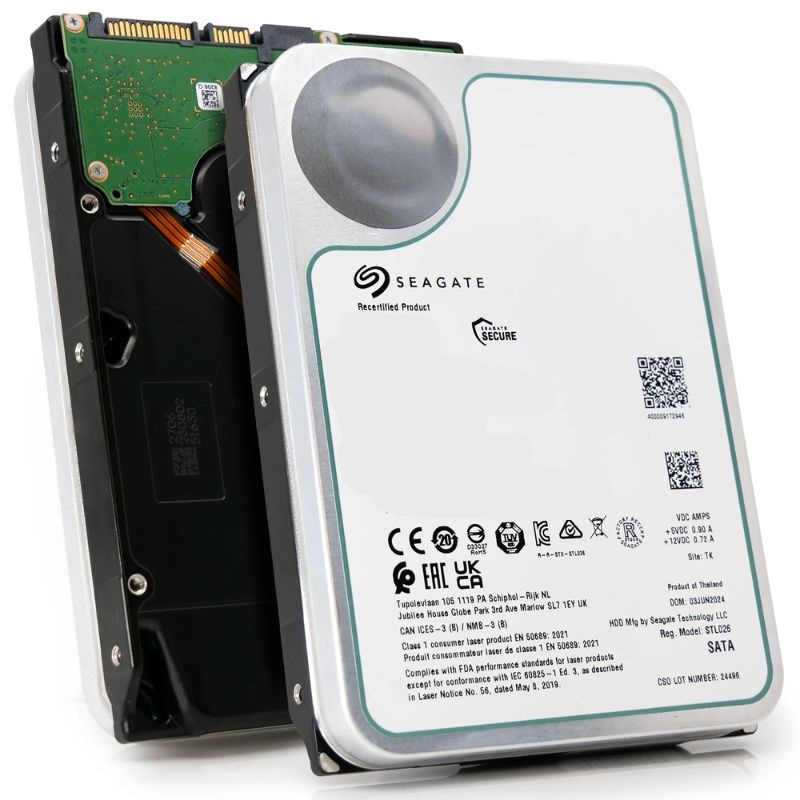
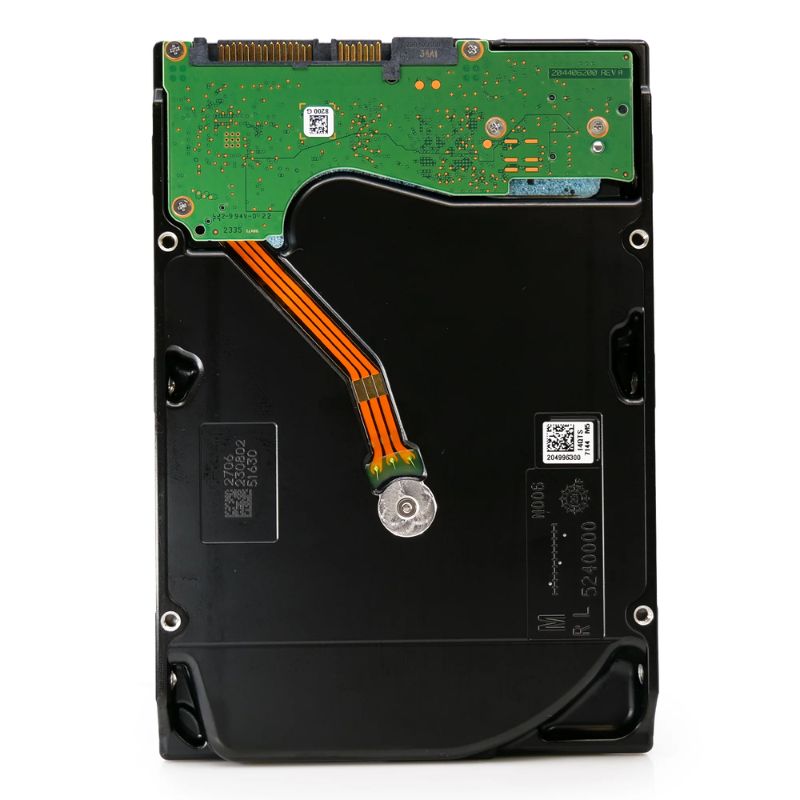
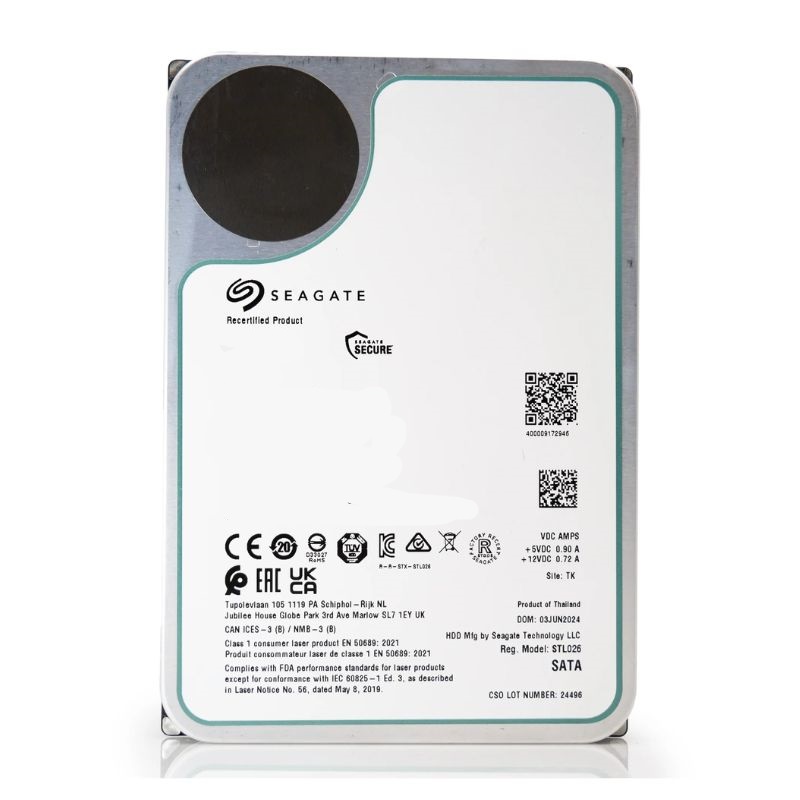
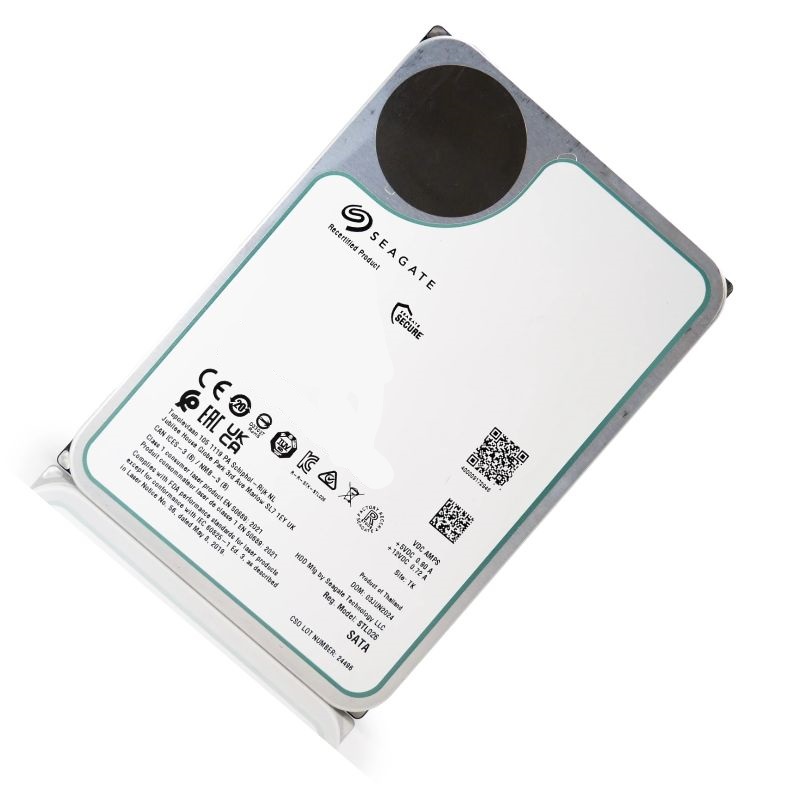
Seagate ST25000NM000E 25TB Exos X26z 7.2K RPM SATA-6GBPS 512e Host Managed Smr 3.5Inch HDD. New (System) Pull with 1 year Replacement Warranty
The Seagate ST25000NM000E Exos X26z 25TB enterprise hard drive is designed for hyperscale and cloud storage environments. With 7.2K RPM spindle speed, SATA-6Gbps interface, and host-managed SMR technology, this 3.5-inch HDD provides massive capacity, reliable performance, and efficient data management for large-scale workloads.
The Seagate ST25000NM000E 25TB Exos X26z belongs to a specialized category of ultra–high-capacity enterprise hard disk drives engineered for modern data center storage architectures. This category focuses on maximizing storage density per drive while maintaining operational reliability, predictable performance, and cost efficiency at scale. Enterprise HDDs in this segment are designed to support massive data growth driven by cloud computing, hyperscale environments, archival platforms, big data analytics, and long-term data retention systems.
Drives within this category prioritize capacity optimization over raw IOPS performance, making them particularly suitable for sequential workloads, data lakes, object storage, and cold or warm data tiers. The 3.5-inch form factor remains a foundational standard in enterprise storage racks, enabling compatibility with existing infrastructure while delivering unprecedented terabyte-per-drive ratios.
This category leverages advanced magnetic recording technologies that push the physical limits of traditional hard disk design. Host Managed Shingled Magnetic Recording represents a significant evolution, allowing overlapping data tracks to dramatically increase areal density. By carefully managing write operations at the host level, HM-SMR drives achieve capacities that conventional perpendicular magnetic recording cannot efficiently support.
The adoption of SMR within enterprise environments reflects a strategic shift toward software-defined storage systems capable of orchestrating data placement intelligently. Storage platforms that are aware of SMR behavior can optimize sequential write patterns, minimize rewrite amplification, and fully exploit the density advantages offered by this category of drives.
Host Managed SMR defines a subcategory of enterprise HDDs that require explicit host-level control over data writes. Unlike drive-managed SMR, HM-SMR exposes zone management responsibilities to the operating system or storage controller. This design enables higher efficiency and predictability in environments where software is optimized for zoned storage operations.
Within this category, storage solutions such as object storage platforms, distributed file systems, and cloud-native storage stacks can precisely control how and when data is written. This results in improved sustained throughput, reduced internal data movement, and greater long-term reliability compared to unmanaged SMR implementations.
Drives in this category operate using zoned block device principles, dividing the disk into sequential write zones. Each zone must be written in order, which aligns well with large, contiguous data streams. This architecture supports efficient ingestion of massive datasets and simplifies data lifecycle management when paired with intelligent software layers.
The zoned approach enhances scalability in hyperscale environments, where thousands of drives operate simultaneously. By coordinating write operations at the system level, organizations can achieve predictable performance even as storage pools grow to exabyte scale.
The 25TB capacity tier represents a milestone in enterprise HDD design, positioning this category at the forefront of high-density storage solutions. Increasing capacity per drive reduces the total number of drives required in a storage array, lowering rack space consumption, power usage, and cooling requirements. This directly contributes to improved total cost of ownership in large-scale deployments.
High-capacity drives enable organizations to consolidate data more efficiently, simplifying storage management and reducing infrastructure complexity. In archival and backup environments, fewer drives mean fewer potential points of failure, streamlined monitoring, and easier lifecycle planning.
Cost efficiency is a defining characteristic of this category. While solid-state storage excels in latency-sensitive workloads, high-capacity HDDs remain unmatched in cost per terabyte. This makes them indispensable for data that must be retained for compliance, analytics, or historical reference but does not require constant high-speed access.
By deploying 25TB class drives, enterprises can achieve greater storage density without proportionally increasing capital expenditure. Operational savings are further realized through reduced energy consumption per stored terabyte, contributing to sustainability initiatives and long-term budget optimization.
Data growth continues to accelerate across industries, driven by IoT, multimedia content, machine learning datasets, and regulatory retention requirements. This category of HDDs addresses these challenges by offering scalable capacity that integrates seamlessly into existing storage frameworks.
Scalability is enhanced by the standardized 3.5-inch form factor, allowing incremental expansion within current racks and enclosures. Enterprises can scale storage linearly by adding high-capacity drives without redesigning infrastructure, preserving investment value.
The 7,200 RPM rotational speed defines the performance profile of this HDD category, balancing throughput, reliability, and energy efficiency. While not designed for latency-critical transactional workloads, these drives deliver consistent sequential read and write performance ideal for bulk data operations.
High platter density combined with optimized firmware allows sustained data transfer rates that support large-scale ingestion and retrieval processes. This makes the category well-suited for backup targets, media repositories, and data lake architectures where throughput consistency is more important than microsecond-level response times.
The SATA 6Gb/s interface remains a widely adopted standard in enterprise storage, offering compatibility with a broad range of controllers, backplanes, and storage appliances. This category benefits from SATA’s mature ecosystem, simplified cabling, and cost-effective deployment compared to higher-end interfaces.
SATA connectivity ensures interoperability across diverse storage environments, from on-premises data centers to cloud service provider infrastructure. The interface supports reliable data transfer for sequential workloads, aligning well with the intended use cases of high-capacity HDDs.
The 512e sector format bridges compatibility between legacy systems and modern storage architectures. By presenting 512-byte logical sectors while using larger physical sectors internally, this category ensures alignment with existing software stacks without sacrificing efficiency.
Proper sector alignment enhances performance and reduces unnecessary read-modify-write cycles, which is particularly important in SMR-based designs. The 512e format supports smooth integration into mixed-storage environments and simplifies migration from older drive generations.
High-capacity enterprise HDDs are optimized for defined workload patterns, particularly sequential and append-heavy data streams. Predictable performance under these conditions enables storage architects to design systems with confidence, knowing that throughput characteristics will remain stable as capacity scales.
Firmware algorithms manage caching, error recovery, and data placement to maintain performance consistency over time. This predictability is essential in environments where storage behavior directly impacts service-level agreements and application availability.
Advanced error correction mechanisms and intelligent firmware play a critical role in safeguarding data stored on high-capacity HDDs. This category incorporates multi-layered error detection and correction processes that protect against data corruption during read and write operations.
Firmware intelligence also manages SMR-specific behaviors, ensuring that background operations do not interfere with host-managed workflows. This coordination between hardware and software enhances reliability and reduces the risk of unexpected performance degradation.
The Exos X26z category is closely aligned with hyperscale storage requirements, where thousands of drives operate as part of distributed systems. In these environments, individual drive performance is less critical than aggregate throughput, reliability, and capacity density.
High-capacity HM-SMR drives enable cloud providers to build massive object storage pools with efficient data placement and replication strategies. The reduced drive count per petabyte simplifies hardware management and lowers failure domain complexity.
Object storage systems are a primary use case for this category, as they are inherently designed for large, immutable data objects written sequentially. HM-SMR drives align perfectly with object storage principles, enabling efficient writes and high storage utilization.
Data lakes benefit from the ability to store raw and processed datasets cost-effectively, supporting analytics, machine learning, and long-term data exploration. Archival platforms leverage the density and durability of these drives to preserve data over extended retention periods.
Software-defined storage solutions are essential enablers of HM-SMR technology. This category is optimized for platforms that can manage zoned storage devices, orchestrating data placement and lifecycle operations at scale.
Compatibility with modern storage software ensures that organizations can fully exploit the benefits of high-capacity HDDs without compromising reliability or manageability. This synergy between hardware and software defines the future of large-scale storage infrastructure.
Power efficiency is a critical factor in large-scale storage deployments, and high-capacity HDDs contribute positively by reducing watts per terabyte. Fewer drives are required to achieve the same total capacity, resulting in lower aggregate power draw and reduced cooling demands.
Thermal design considerations within this category include optimized airflow paths, balanced spindle operation, and firmware-controlled power states. These features help maintain stable operating temperatures and extend drive longevity.


 Contact Us
 Information
 Catalog
 Solid State Drives (SSD)
 Network Switches
 Hard Disk Drives
 HBA & Controllers
 PC & Servers
 PC & Server Memory
 CPU & Processors
 Network Routers
 Power Supplies
 Tape Drives & Libraries
 Network Devices
 Computer & Network Cables