(7% discount is applied at checkout)
Cart is empty
Your go-to destination for cutting-edge server products
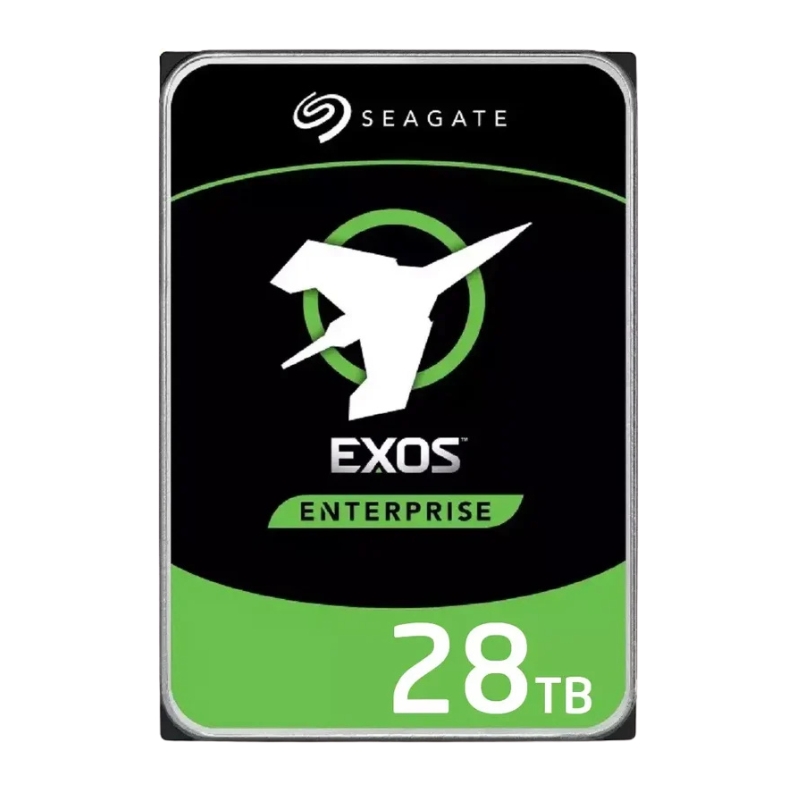


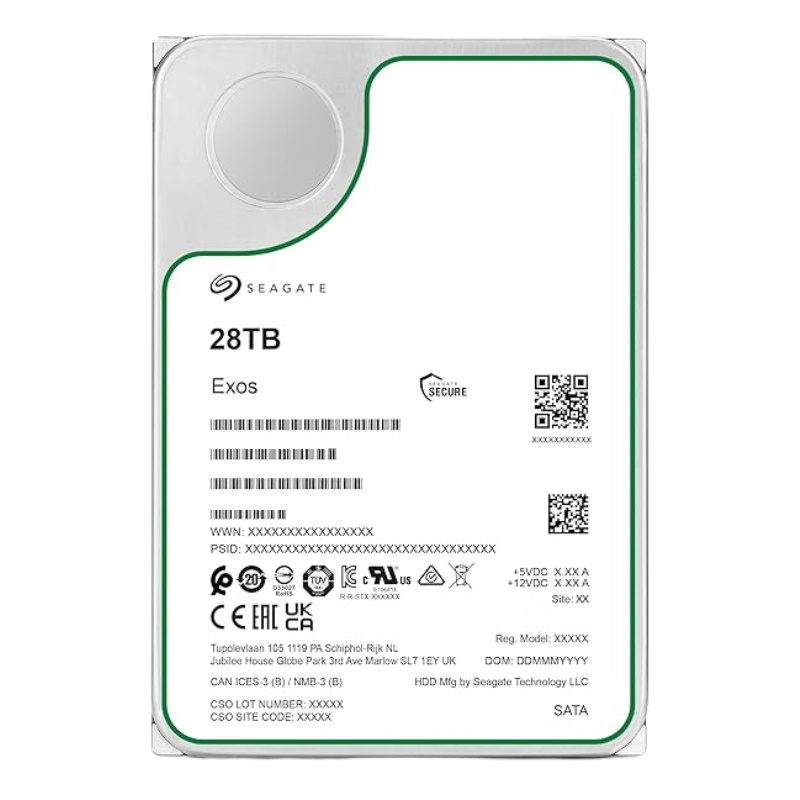
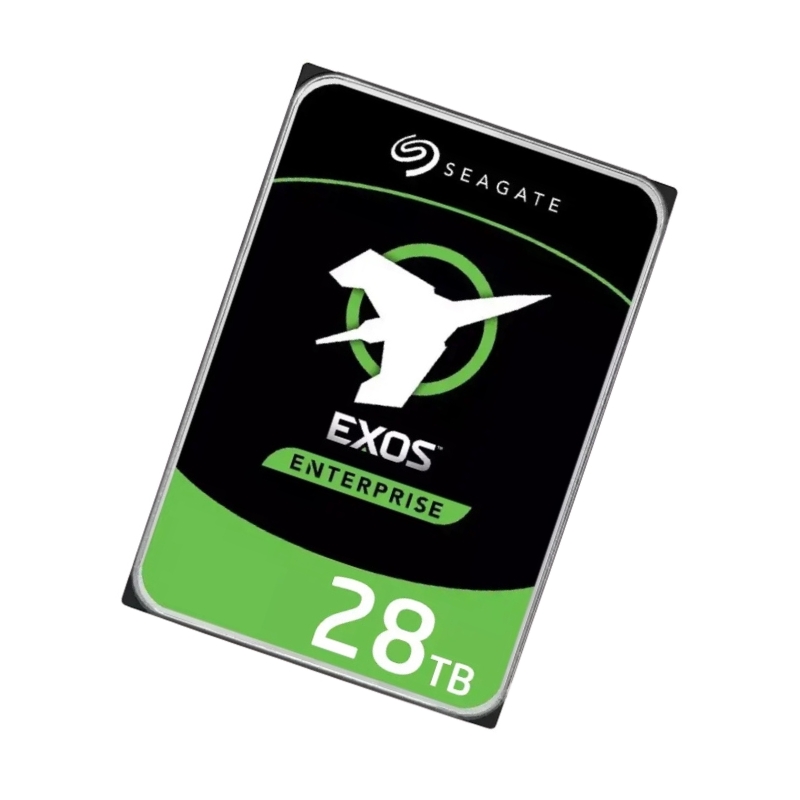
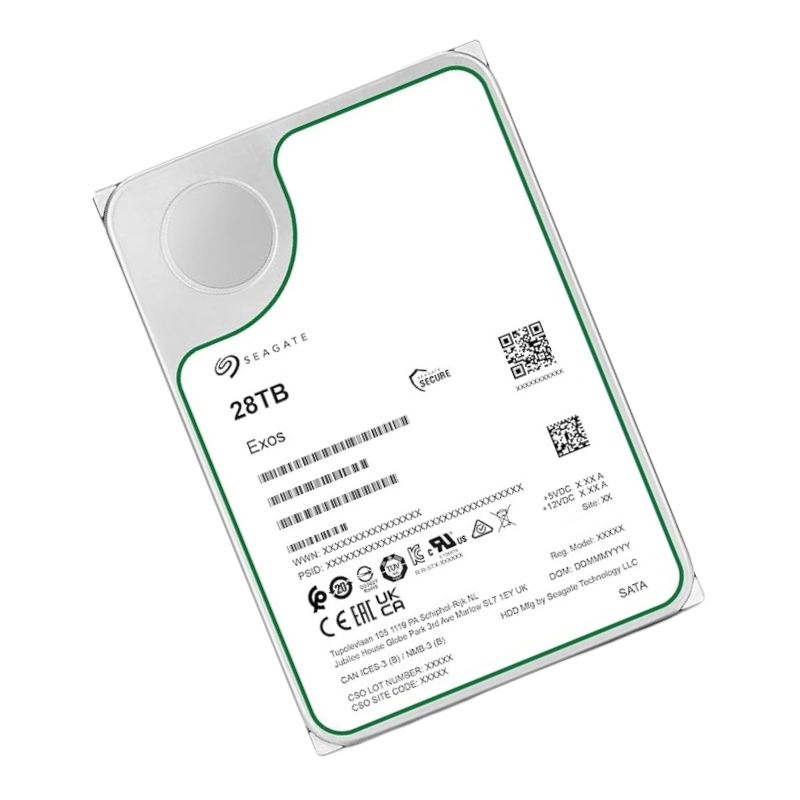
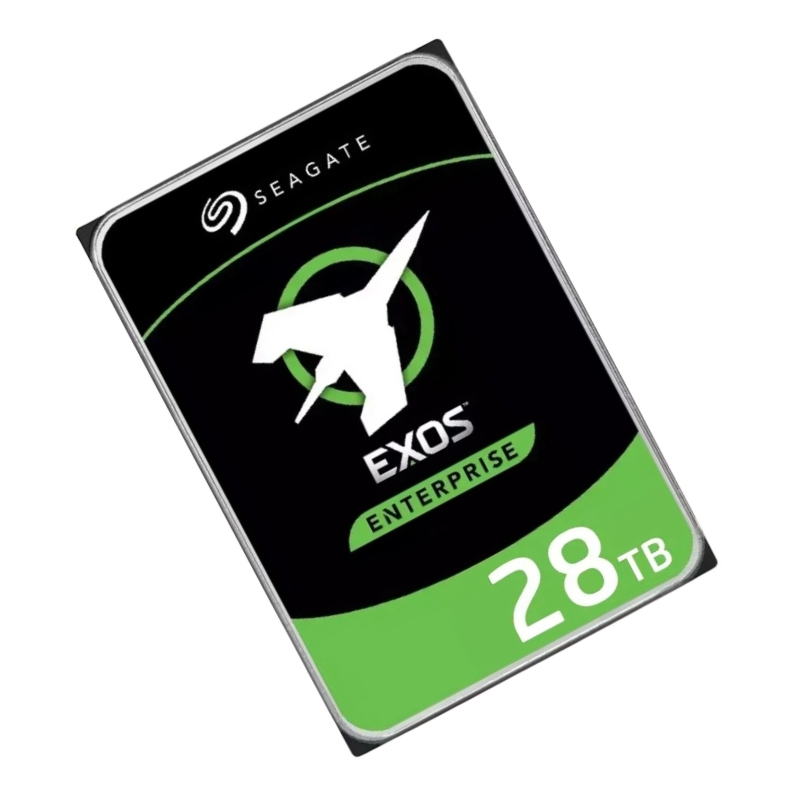
Seagate ST28000NM000C Exos 28TB 7.2K RPM SATA 6Gb/s 512e CMR 3.5in Hard Drive. Excellent Refurbished with 1 year replacement warranty
The Seagate ST28000NM000C Exos 28TB is a high-capacity enterprise-class hard disk drive with 7.2K RPM spindle speed, SATA 6Gbps interface, and advanced 512e/CMR technology. Designed for large-scale data centers, this 3.5-inch HDD ensures reliable storage, consistent performance, and long-term durability.
The Seagate ST28000NM000C Exos 28TB 7.2K RPM SATA 6Gb/s 512e CMR 3.5in Hard Drive represents a high-density enterprise storage solution engineered for large-scale data environments requiring consistent performance, scalability, and reliability. Designed for hyperscale data centers, cloud storage infrastructures, and enterprise server deployments, this category of hard drives is optimized to deliver massive capacity combined with stable workload handling capabilities.
Built on enterprise-grade engineering principles, this storage class focuses on maximizing storage efficiency while maintaining operational stability under continuous workloads. The integration of CMR (Conventional Magnetic Recording) technology ensures predictable write performance, while the SATA 6Gb/s interface provides broad compatibility across modern enterprise systems.
The Exos 28TB platform is developed to support extreme data density requirements in modern infrastructures. With increasing demands for cloud computing, artificial intelligence workloads, and big data analytics, storage systems must accommodate exponential data growth without compromising efficiency.
This category of hard drives is engineered to maximize platter utilization, allowing organizations to consolidate storage footprints while reducing physical rack space consumption. The high-capacity design significantly reduces the total number of drives required in large deployments, optimizing power consumption and cooling efficiency.
Operating at 7,200 RPM, this category of hard drives is engineered to provide a balanced combination of performance and energy efficiency. While not positioned as ultra-high-speed SAS or NVMe storage, the rotational speed is optimized for bulk data storage environments where capacity and reliability are prioritized over ultra-low latency.
The consistent spindle speed ensures predictable throughput, making these drives ideal for sequential read and write workloads common in backup systems, archival storage, and cloud data repositories.
The SATA 6Gb/s interface enables broad system compatibility across enterprise servers, storage arrays, and modular storage systems. This interface supports stable data transfer rates suitable for large-scale data streaming, backup operations, and virtualization storage pools.
Its widespread adoption in enterprise environments ensures that integration into existing infrastructure is seamless, reducing deployment complexity and minimizing compatibility constraints.
One of the defining advantages of SATA-based enterprise drives is backward compatibility with earlier SATA generations. This allows organizations to upgrade storage capacity without requiring complete system overhauls, ensuring cost-effective scalability over time.
The use of CMR technology in the Seagate ST28000NM000C ensures consistent write performance and improved data integrity compared to SMR (Shingled Magnetic Recording) alternatives. CMR allows each track of data to be written independently, reducing latency and eliminating performance degradation during random write operations.
This makes the category particularly well-suited for enterprise applications involving mixed workloads, including database storage, virtualization environments, and high-frequency backup systems.
In enterprise environments where data is constantly being written and modified, consistent write performance is essential. CMR-based drives maintain uniform performance levels even under sustained heavy workloads, preventing bottlenecks that can affect system responsiveness.
This stability is especially important in distributed storage architectures where multiple users or applications access the same storage pool simultaneously.
The 512e (512-byte emulation) format allows this drive category to maintain compatibility with legacy systems while leveraging the benefits of modern advanced format technologies. This hybrid approach ensures seamless integration into both older and newer storage infrastructures.
By emulating traditional sector sizes, the drive minimizes compatibility issues while still utilizing optimized physical sector layouts internally for improved efficiency and error correction.
Advanced format technologies enable improved error correction capabilities and more efficient data packing density. This contributes to higher overall reliability and better long-term data retention characteristics.
The 3.5-inch form factor is the standard for high-capacity enterprise hard drives, offering compatibility with a wide range of server chassis, storage arrays, and hot-swappable drive bays. This standardization simplifies infrastructure planning and ensures consistent deployment across multiple platforms.
Its larger physical size compared to 2.5-inch drives allows for more platters and higher storage density, making it the preferred choice for bulk storage environments.
Many enterprise systems supporting this category of drive include hot-swap functionality, enabling drive replacement without system shutdown. This significantly improves system uptime and reduces maintenance windows in production environments.
The Seagate ST28000NM000C Exos 28TB category is specifically designed for hyperscale data centers where storage demands are continuously expanding. These environments require drives that can handle large-scale data replication, distributed storage workloads, and continuous access patterns.
The high-capacity design reduces the number of physical drives required, simplifying infrastructure management and improving energy efficiency across large deployments.
Modern AI and machine learning systems require massive datasets for training and inference operations. This storage category supports these workloads by providing large sequential throughput capabilities and reliable long-term data retention.
The stable performance characteristics ensure that analytical pipelines can process large datasets without interruption or data access delays.
Data lakes often rely on high-capacity storage systems to consolidate structured and unstructured data. This drive category is optimized for such environments, offering scalable storage pools that can accommodate rapid data growth.
Energy efficiency is a critical consideration in large-scale storage deployments. The 7.2K RPM design balances performance with reduced power consumption, ensuring that data centers can scale storage capacity without excessive energy costs.
Enterprise data centers often operate with high drive densities, creating significant thermal challenges. The Seagate Exos platform incorporates advanced thermal management features to maintain stable operating temperatures even under heavy workloads.
This helps extend drive lifespan and ensures consistent performance across large-scale deployments.
Enterprise firmware plays a crucial role in maintaining data integrity. This drive category includes advanced error recovery controls designed to minimize data corruption risks and ensure consistent read/write accuracy.
These mechanisms operate transparently, protecting data without impacting system performance or requiring manual intervention.
The firmware is optimized for enterprise workloads, dynamically adjusting operational parameters based on usage patterns. This ensures optimal performance under varying load conditions, from light archival tasks to intensive data processing operations.
The high-capacity nature of the Seagate ST28000NM000C category supports horizontal scaling strategies where additional drives are added to expand total storage capacity without restructuring existing infrastructure.
This approach is widely used in cloud storage systems and distributed computing environments where scalability is a core requirement.
Long-term storage reliability is essential for compliance-driven industries such as finance, healthcare, and government sectors. This drive category provides stable archival storage capabilities suitable for long-term data retention strategies.
Its high capacity reduces the number of individual storage units required, simplifying archival management and reducing overhead.


 Contact Us
 Information
 Catalog
 Solid State Drives (SSD)
 Network Switches
 Hard Disk Drives
 HBA & Controllers
 PC & Servers
 PC & Server Memory
 CPU & Processors
 Network Routers
 Power Supplies
 Tape Drives & Libraries
 Network Devices
 Computer & Network Cables