(7% discount is applied at checkout)
Cart is empty
Your go-to destination for cutting-edge server products


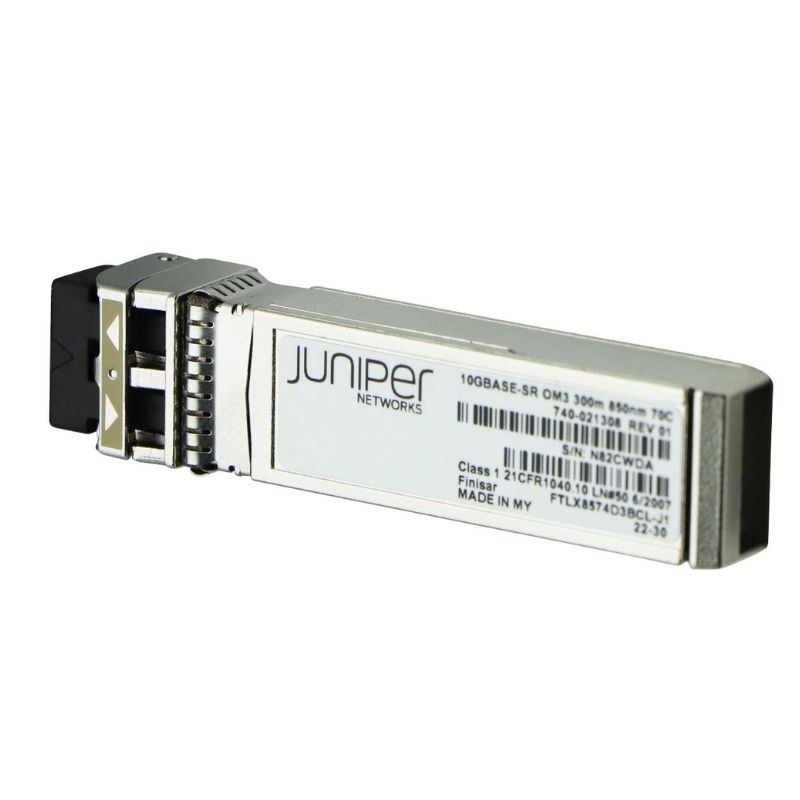
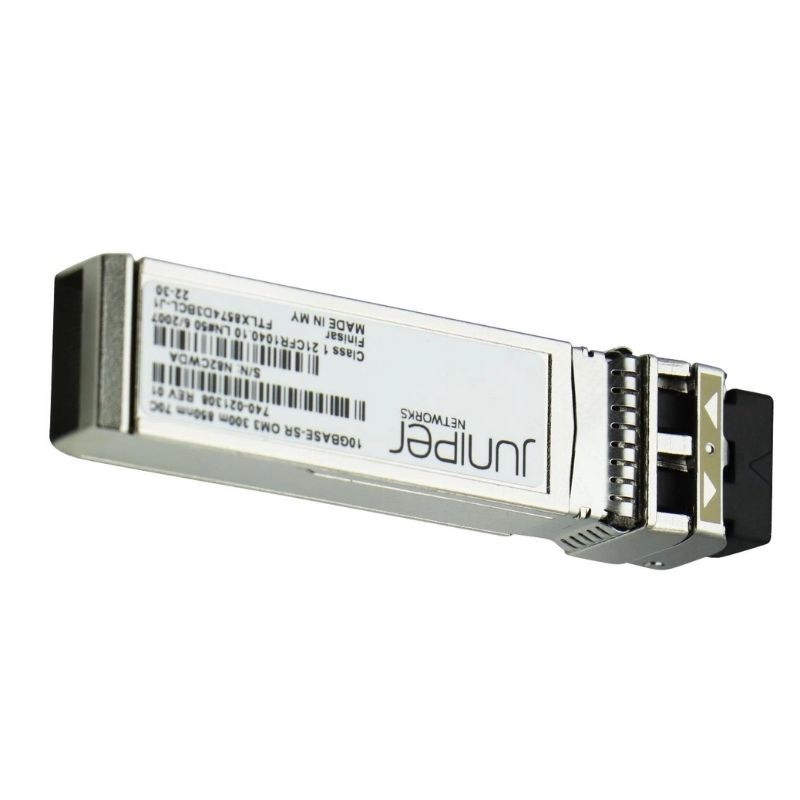
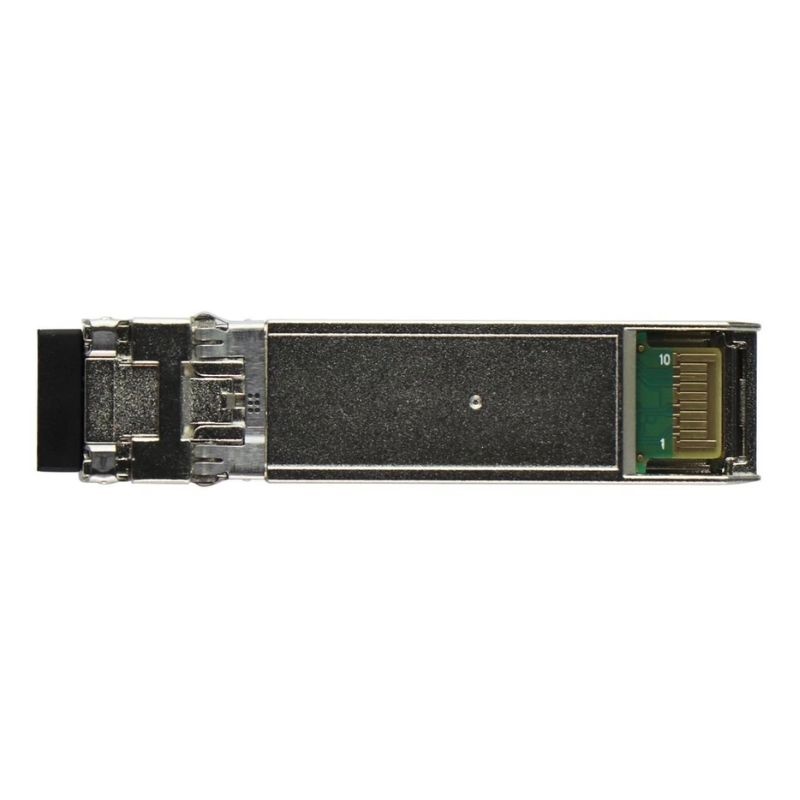
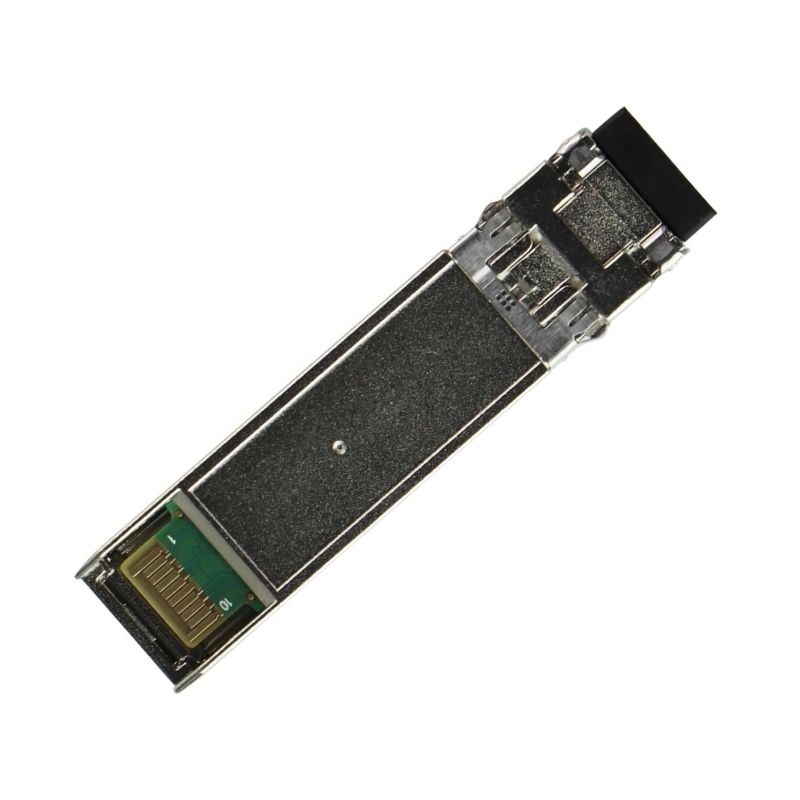
Juniper Networks SFPP-10G-LRT2-C 10Gbase Ethernet SFP+ Lr 1310nm 10km SMF Transceiver. New Sealed with 1 year replacement warranty
The SFPP-10G-LRT2-C is a high performance 10 Gigabit Ethernet SFP Plus optical transceiver designed for long reach single mode fiber connectivity in enterprise, telecom, and data center environments. It is engineered to support reliable high bandwidth data transmission over distances up to 10 kilometers using 1310nm wavelength optics and is widely deployed in network infrastructures requiring stable inter rack or inter building communication. This module belongs to the Juniper Networks optical transceiver ecosystem and is optimized for compatibility with Juniper switching and routing platforms while maintaining adherence to industry standards for SFP Plus form factor modules.
This transceiver is commonly categorized under 10GBase LR optical modules, where LR stands for long reach. The LRT2 designation indicates enhanced long range performance tuning and improved interoperability characteristics in dense optical environments. The C suffix is typically associated with compliant or coded variations used in specific Juniper product lines and packaging configurations.
The 10G SFP Plus form factor is a compact, hot pluggable optical module standard used across modern networking equipment. It enables high speed serial data transmission up to 10 gigabits per second while maintaining low power consumption and high port density. The SFPP-10G-LRT2-C follows this architecture, integrating laser transmitter, photodiode receiver, signal conditioning electronics, and digital diagnostics within a compact metal housing.
The module converts electrical signals from the host device into optical signals transmitted over single mode fiber and then converts incoming optical signals back into electrical data. This bidirectional conversion process is optimized for minimal latency and low bit error rates, making it suitable for mission critical networking environments such as financial trading systems, cloud infrastructure backbones, and service provider aggregation networks.
The SFPP-10G-LRT2-C operates at a wavelength of 1310 nanometers, which is a standard wavelength for long reach optical communication over single mode fiber. The 1310nm band is preferred for its low dispersion properties, allowing signals to travel longer distances with minimal degradation. This makes it ideal for point to point links spanning campus buildings, metropolitan area networks, and distributed enterprise data centers.
The optical transmitter typically uses a distributed feedback laser or equivalent semiconductor laser technology optimized for stable output power and consistent signal integrity. The receiver section uses a high sensitivity photodiode capable of detecting weak optical signals after transmission over distances up to 10 kilometers. The combination of precise wavelength control and high receiver sensitivity ensures stable link establishment and sustained throughput under varying environmental conditions.
This transceiver is designed exclusively for single mode fiber SMF infrastructure. Single mode fiber has a narrow core diameter that allows light to travel in a single propagation mode, significantly reducing modal dispersion and enabling long distance communication. The SFPP-10G-LRT2-C takes advantage of this fiber type to deliver consistent performance over distances up to 10 km without the need for intermediate signal amplification in standard deployments.
The 10 kilometer reach capability makes it suitable for metropolitan network segments, inter campus connections, and extended enterprise backbone links. It is commonly used to connect aggregation switches to core routers or to link distributed data centers within a city wide network architecture. The module is also suitable for telecom access networks where long distance optical transmission is required without compromising latency or throughput.
As part of the Juniper Networks optical module portfolio, the SFPP-10G-LRT2-C is designed for seamless integration with Juniper switches and routers that support SFP Plus ports. These include high performance EX Series switches, QFX Series data center switches, and MX Series routing platforms. The module is optimized through firmware and hardware validation to ensure compatibility with Juniper operating systems and optical monitoring frameworks.
Integration within the Juniper ecosystem ensures enhanced diagnostic reporting, accurate optical power monitoring, and simplified network provisioning. Network administrators benefit from consistent performance validation and reduced interoperability issues when deploying mixed optical infrastructure within Juniper based environments.
One of the key features of modern SFP Plus transceivers like the SFPP-10G-LRT2-C is Digital Diagnostics Monitoring commonly known as DDM or DOM. This functionality provides real time visibility into operational parameters such as transmitted optical power, received optical power, temperature, supply voltage, and laser bias current.
These diagnostics enable proactive network management by allowing engineers to detect potential link degradation before it results in failure. For example, gradual decreases in received optical power may indicate fiber contamination, connector issues, or aging components. Similarly, abnormal temperature readings can signal environmental issues within network equipment racks.
The SFPP-10G-LRT2-C is engineered for low power consumption while maintaining high optical output efficiency. Typical power usage remains within the SFP Plus standard limits, ensuring compatibility with dense switch configurations where multiple transceivers operate simultaneously. Efficient power design reduces overall heat generation, contributing to improved system reliability and reduced cooling requirements in data center environments.
Thermal management is critical in high density networking equipment, and this module is designed with heat dissipation structures that allow stable operation across a wide temperature range. Proper airflow within networking chassis ensures consistent performance even under heavy traffic loads and elevated ambient temperatures.
The SFPP-10G-LRT2-C is widely used in modern data center architectures where high bandwidth and low latency communication between switching layers is required. It supports leaf and spine network topologies by enabling reliable 10G uplinks between aggregation and core layers. Its long reach capability also allows flexible physical placement of equipment without compromising connectivity.
In enterprise networks, it is commonly deployed for building to building connectivity within corporate campuses. Universities, hospitals, and government facilities often rely on this module to interconnect geographically separated network segments while maintaining centralized control and management.
Telecom operators utilize the SFPP-10G-LRT2-C in metro Ethernet networks and backhaul infrastructure. The module supports high capacity data transport between base stations, aggregation nodes, and core network facilities. Its compliance with industry standards ensures interoperability across multi vendor environments, which is essential in large scale telecommunications deployments.
Service providers also leverage this module for delivering leased line services, business connectivity solutions, and high speed internet backbone links. Its stability and predictable performance make it suitable for carrier grade applications where downtime is not acceptable.
The SFPP-10G-LRT2-C adheres to the SFP Plus Multi Source Agreement standards, ensuring physical and electrical compatibility with a wide range of networking equipment. Compliance with IEEE 802.3ae 10GBASE LR standards ensures interoperability at the protocol level, allowing the module to function seamlessly across certified devices.
This standardization is essential in multi vendor environments where network hardware from different manufacturers must operate together without compatibility issues. It also simplifies procurement and inventory management for large scale network deployments.
Maintaining signal integrity over 10 kilometers of single mode fiber requires precise optical alignment and controlled transmission power. The SFPP-10G-LRT2-C incorporates advanced signal conditioning techniques to minimize jitter and bit error rates. These optimizations ensure stable throughput even in environments with electromagnetic interference or dense cabling systems.
Equalization and dispersion compensation techniques are handled at both the hardware and protocol levels, ensuring that data integrity is preserved from source to destination. This is particularly important in high frequency trading systems and real time cloud applications where microsecond delays can impact performance.
The transceiver is designed to operate within industrial temperature ranges suitable for enterprise and telecom environments. It maintains performance stability across varying humidity levels and physical conditions typically found in network closets, data centers, and outdoor enclosures with controlled environments.
High reliability is achieved through rigorous testing procedures including stress testing, thermal cycling, and optical performance validation. These ensure long term operational stability and reduced failure rates in mission critical deployments.
The SFPP-10G-LRT2-C plays a key role in scalable network design by enabling modular expansion of bandwidth capacity. Organizations can incrementally upgrade network links from lower speeds to 10G without replacing entire infrastructure backbones. This modularity supports cost effective scaling strategies for growing enterprises and service providers.
It also supports hybrid network architectures where legacy systems coexist with modern high speed infrastructure, allowing gradual migration to higher bandwidth technologies without service disruption.
Proper deployment of the SFPP-10G-LRT2-C requires high quality single mode fiber cabling with LC duplex connectors. Cable management practices such as maintaining minimum bend radius, avoiding excessive tension, and ensuring clean termination points are essential for maintaining optimal optical performance.
Technicians must also consider patch panel configurations and rack layout design to minimize signal loss and ensure efficient airflow within networking cabinets. Proper labeling and documentation further enhance maintainability in large scale installations.
Within the 10G optical transceiver market, the SFPP-10G-LRT2-C is positioned as a reliable long reach solution optimized for Juniper environments. It competes with generic and multi vendor compatible modules but offers enhanced assurance through vendor validation and ecosystem integration.
Its advantages include predictable performance, certified compatibility, and enhanced diagnostic capabilities when used within Juniper infrastructure. These factors make it a preferred choice for organizations prioritizing stability and vendor supported deployments.
Lifecycle management of optical transceivers involves monitoring performance trends, replacing aging modules, and ensuring firmware compatibility with evolving network systems. The SFPP-10G-LRT2-C is designed for long operational lifespan under normal network conditions, reducing the frequency of replacement cycles.
Proper lifecycle planning includes maintaining spare inventory, tracking usage metrics through network management systems, and scheduling proactive replacements based on diagnostic data rather than reactive failure response.
Advanced network engineers utilize the SFPP-10G-LRT2-C in complex architectures such as multi layer spine leaf designs, redundant routing topologies, and high availability clusters. Its consistent latency characteristics make it suitable for synchronous replication systems and distributed computing environments.
It also supports virtualization intensive infrastructures where high bandwidth east west traffic flows dominate network usage patterns. In such environments, stable optical links are essential for maintaining performance across virtual machine migrations and containerized workloads.
Although newer higher speed optical standards continue to emerge, 10G SFP Plus modules like the SFPP-10G-LRT2-C remain widely deployed due to their balance of cost efficiency, reliability, and sufficient bandwidth for many applications. They serve as foundational components in hybrid networks transitioning toward 25G, 40G, and 100G architectures. Their continued relevance is supported by the vast installed base of compatible networking equipment and the ongoing demand for stable long reach connectivity in enterprise and service provider networks.


 Contact Us
 Information
 Catalog
 Solid State Drives (SSD)
 Network Switches
 Hard Disk Drives
 HBA & Controllers
 PC & Servers
 PC & Server Memory
 CPU & Processors
 Network Routers
 Power Supplies
 Tape Drives & Libraries
 Network Devices
 Computer & Network Cables