(7% discount is applied at checkout)
Cart is empty
Your go-to destination for cutting-edge server products
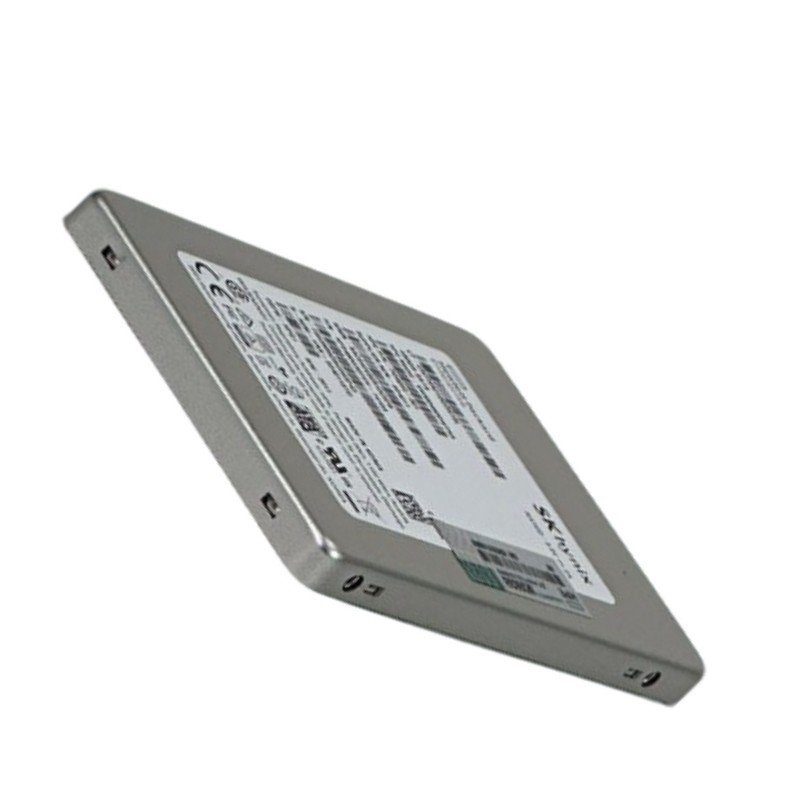


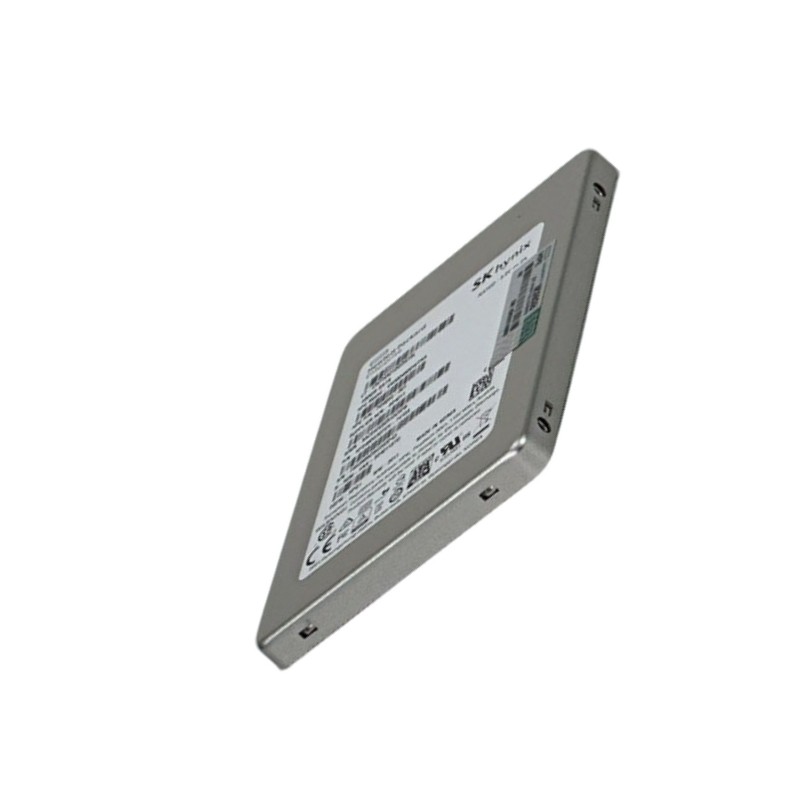
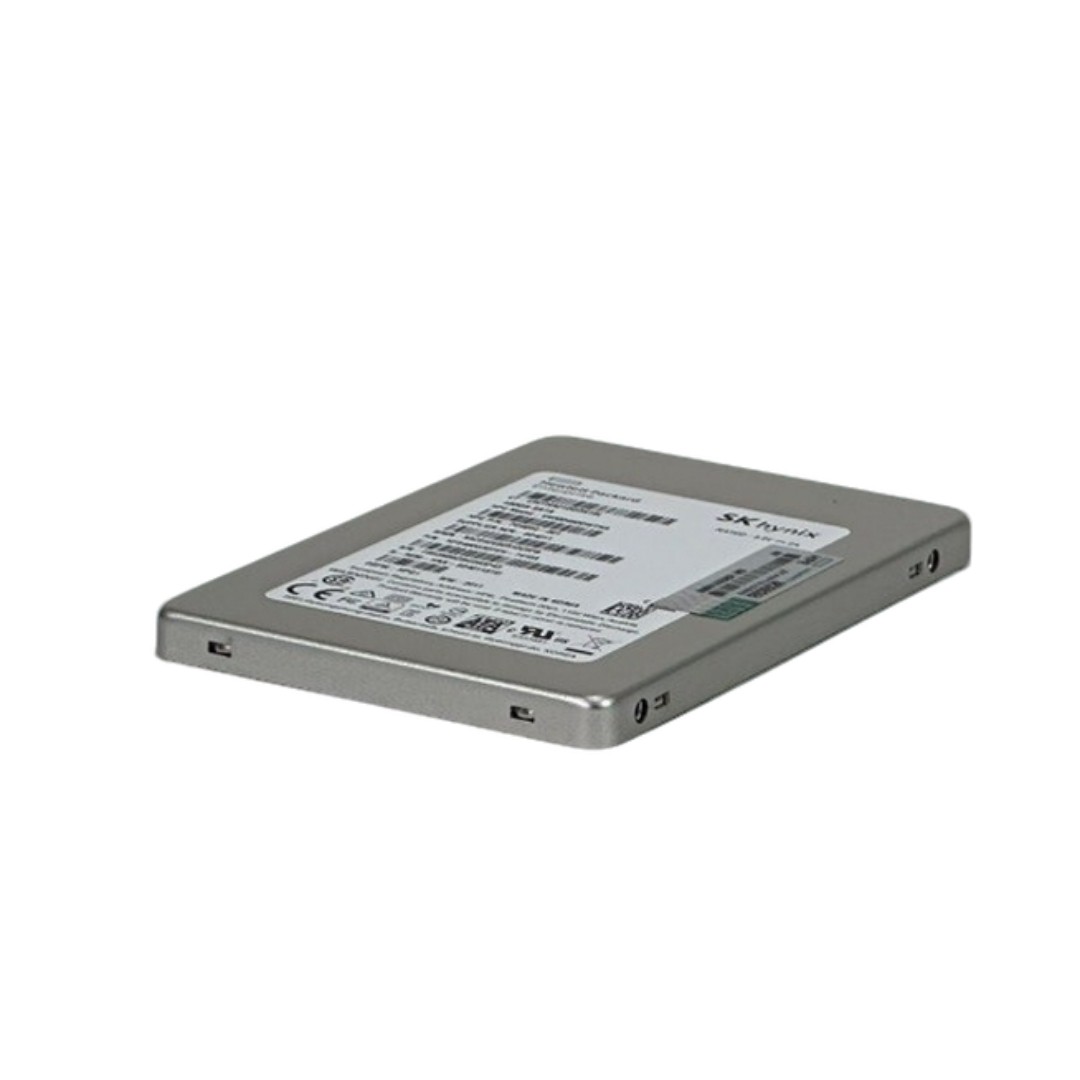
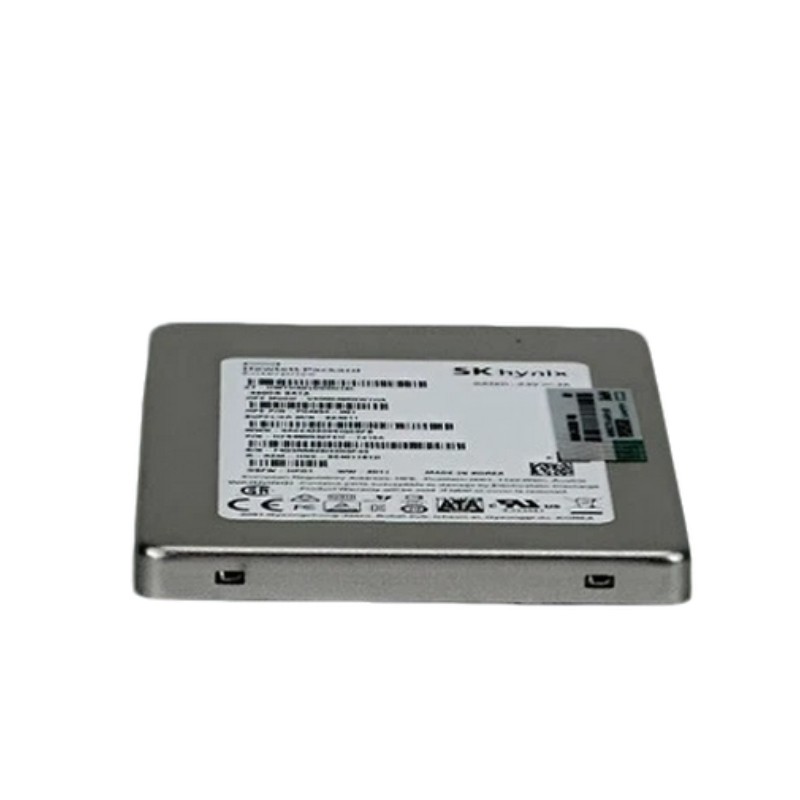
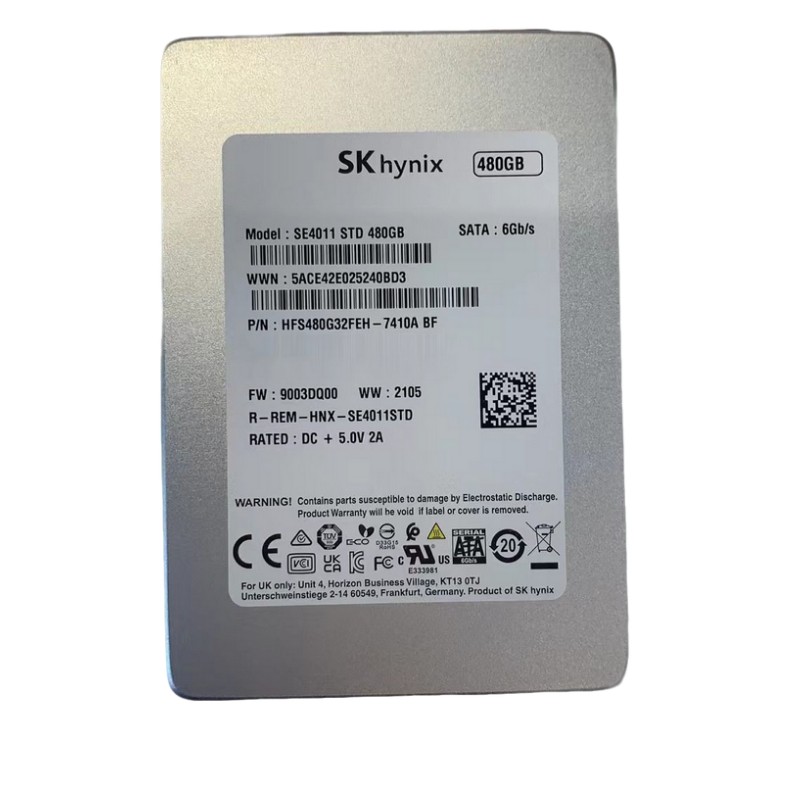
SK Hynix HFS480GEJ8X167N 480GB M.2 (2280) PCI-E 4.0 X4 NVME Read Intensive TLC Enterprise Class Solid State Drive. Excellent Refurbished with 1 Year Replacement Warranty - Dell Version
Crafted for high-efficiency data access, the SK Hynix HFS480GEJ8X167N is a brand-new Dell OEM solid-state drive designed to meet the demands of enterprise environments. With PCIe Gen4 x4 connectivity and advanced 176-layer 3D TLC NAND, this internal SSD delivers consistent performance in a compact M.2 (2280) form factor.
INTEL P4326 15.36TB NVMe RULER (SSDPEXNV153T8D) — ultra-dense capacity NVMe category
The INTEL P4326 15.36TB NVMe RULER (SSDPEXNV153T8D) represents a class of high-capacity, capacity-optimized NVMe solid-state drives designed to deliver maximum terabytes-per-slot while keeping NVMe-level latency, protocol parallelism, and enterprise manageability. These ruler/EDSFF style modules target hyperscale cloud providers, object-storage clusters, backup/restore targets and data-lake capacity nodes where minimizing rack footprint, power per TB, and device count is as important as delivering predictable read throughput and fast restores. Deployments of this class reduce BOM complexity (fewer controllers and cables), compress petabytes into fewer U, and provide much faster random and sequential fetches than comparable HDD nearline pools.
Ruler NVMe drives are purpose-built for the warm/nearline tier: data that must remain quickly accessible but does not require the highest DWPD endurance of mixed-use or write-intensive SSDs. This category is ideal for:
Compared with many small NVMe or HDD arrays, the P4326 class reduces the number of drives and controllers required for a given raw capacity target. This consolidation lowers management overhead, reduces slot-related failure domains, and yields better watts per TB when chassis and cooling are designed properly. Faster NVMe read behavior also shortens RTOs in restore scenarios, making ruler drives attractive for business continuity and disaster recovery appliances.
Although colloquially called "ruler" drives, implementations may follow EDSFF (E1.L) or OEM sled formats. The extended PCB enables more NAND packages and spreads heat across a longer surface area—this increases capacity while enabling chassis designers to direct airflow along the device length for efficient cooling. Integrators must verify sled compatibility, connector mating depth, and vendor compatibility lists before procurement to avoid mechanical, electrical, or firmware mismatches.
Standardize on tool-less sleds with clear slot IDs, QR codes for inventory, and documented hot-swap SOPs. Maintain spare pools sized for erasure-coding / rebuild policies so a single drive failure does not create capacity or performance stress. Include secure-erase and RMA instructions in procurement contracts to simplify decommissioning and disposal.
P4326-class devices commonly use high-density NAND (TLC/QLC variants depending on SKU) combined with controllers tuned to favor read throughput, steady-state behavior, and background maintenance that minimizes impact on tail latencies. Endurance ratings are oriented toward capacity and read-dominant workloads; therefore architects must model TBW/DWPD against expected write amplification, rebuild activity, and lifecycle refresh plans. For ingestion-heavy environments, consider a small mixed-use NVMe tier to absorb writes and later destage to ruler capacity pools.
Many capacity NVMe devices use an SLC caching zone to accelerate bursts of writes. For realistic planning, run steady-state benchmarks beyond cache exhaustion to understand sustained write rates, latency behavior, and background GC effects. This prevents over-estimating endurance and throughput based on short synthetic tests.
In S3-style object clusters, the P4326 class is ideal for payload storage. The strategy: keep small-object metadata and hot small objects on mixed-use faster NVMe and place large object bodies on P4326 capacity media. Use erasure coding (e.g., 8+2, 6+3) to balance efficiency and rebuild time; higher stripe widths reduce overhead but can lengthen rebuild windows if network or CPU are constrained.
Backup appliances that require fast restores benefit from NVMe capacity tiers because restores stream at NVMe speeds and avoid HDD seek penalties. When paired with deduplication and compression, effective protected capacity grows, making ruler NVMe drives a practical target for rapid disaster recovery processes and snapshot stores.
Scan-heavy workloads (large sequential reads) achieve high sustained throughput on ruler drives. For interactive queries, combine a small low-latency tier to handle hot indexes and metadata; for batch analytics, the ruler pool alone often suffices when application threads and IO patterns exploit parallel reads. Monitor tail latencies (p95–p99.9) during heavy map-reduce style jobs to ensure consistent QoS.
Stage a pilot on a subset of nodes with full monitoring: SMART, vendor telemetry, thermal sensors, and wear trending. Gate fleet admission on telemetry baselines and automate acceptance tests (burn-in, steady-state write soak, and performance baselines) so only healthy devices enter production. Stagger firmware updates and maintain tested rollback images to avoid cluster-wide regressions.
Tune NVMe submission/completion queue depths and bind IO threads to local NUMA nodes to reduce cross-socket penalties. Increasing queue depth can raise throughput but may also inflate tail latency—monitor CPU cycles per IO and percentile latencies to find the operational sweet spot.
Choose filesystems proven at scale (XFS, tuned ext4) and consider O_DIRECT for workloads that manage their own caching. Align erasure stripe sizes to expected IO block sizes to reduce read amplification during normal access and rebuilds.
Select self-encrypting drive (SED) variants where compliance requires encryption at rest and integrate with centralized KMS (KMIP/cloud KMS). Maintain documented secure-erase and RMA procedures to ensure data is unrecoverable prior to return or disposal.
Collect vendor telemetry centrally to trend media wear, spare block counts, thermal history, and media error events. Use these signals to schedule proactive replacements before uncorrectable errors impact workloads and to avoid emergency site visits that are costly at scale.
When comparing ruler NVMe to HDD or many smaller SSDs, include chassis, backplane, cabling, power/cooling, spare inventory, operational labor, and rebuild CPU/NIC overhead. Often the ruler option wins on operational simplicity and faster recovery even if raw $/TB appears higher. Negotiate RMA and firmware support terms with vendors for large purchases to reduce operational risk.
The SK Hynix HFS480GEJ8X167N represents a family of 480GB M.2 2280 PCIe Gen4 x4 NVMe SSDs optimized for read-intensive enterprise roles. These modules sit squarely in the compact NVMe tier used for OS/boot volumes, read-caches, metadata stores, VDI image replicas and edge/CDN nodes where a small physical footprint, low power draw, and high read throughput matter. The Gen4 interface provides bandwidth headroom over Gen3, improving parallelism and aggregate throughput for read-heavy, concurrent workloads while the enterprise-grade firmware ensures predictable behavior and telemetry for fleet management.
M.2 Gen4 480GB NVMe modules suit purchasers who need:
M.2 modules rely heavily on heatsinks or direct chassis airflow for thermal control. In servers and dense 1U appliances, ensure the M.2 slot benefits from directed flow or a vendor heatsink; absent that, monitor drive temperatures during boot storms and compaction jobs. Also verify whether multiple M.2 slots share PCIe lanes or chassis lanes being bifurcated at CPU/chipset level to avoid accidental lane reduction.
Gen4 x4 M.2 drives deliver stronger sequential and random read throughput compared to Gen3 at equivalent queue depths. Read-intensive firmware tunes over-provisioning and background tasks to prioritize read QoS; expected behavior is high read IOPS, modest write endurance, and stable latency under common cache/boot loads. For constant heavy writes, consider mixed-use alternatives. Representative retailer and OEM listings classify the HFS480GEJ8X167N as read-intensive and highlight 176-layer 3D TLC NAND on many variants.
TLC drives typically implement SLC caching that accelerates bursts. For write-heavy scenarios that exceed the cache window, sustained write throughput will drop to native TLC speeds—test steady-state behavior with your workload to ensure acceptable performance and plan destage or write-absorbing tiers if necessary.
Use one or mirrored pair of HFS480GEJ8X167N modules as fast OS disks to reduce host boot and update time, leaving front bays for capacity media. For high availability, mirror boot volumes (RAID1) to allow single-leg replacement without downtime.
Deploy M.2 modules as local caches for web assets, package registries or hot object segments in edge points of presence (PoPs). Gen4 bandwidth helps keep NICs and application threads fed in high-concurrency scenarios. For remote sites, stock a small spare pool for quick replacement.
Search indices, metadata partitions and small-object indexes that demand low latency and moderate capacity map well to 480GB M.2 modules. Ensure adequate headroom for index growth and schedule maintenance windows for compactions to avoid sustained heavy writes.
Keep one or two spares per remote site in ESD-safe packaging; provide field teams with simple swap guides and ensure replacements use the same firmware baseline to avoid variability. For mirrored boots, practice single-leg replacement and verify resync times under typical load.
Many enterprise SKUs include SED (self-encrypting drive) options and support for secure erase or crypto-erase. Verify OEM part numbers and SED flags at procurement if regulatory requirements demand hardware encryption, and integrate key-lifecycle procedures into decommission and RMA workflows.
Check TBW/DWPD ratings, warranty period and OEM support terms—OEM part numbers (Dell, HPE, etc.) often carry specific coverage. For large purchases, negotiate RMA SLAs and firmware support commitments. Keep firmware versions consistent across a fleet to minimize unexpected behavior.
For modern, balanced NVMe architectures, use the HFS480GEJ8X167N M.2 modules for OS/boot, metadata and read-cache, while deploying INTEL P4326 ruler drives as the dense capacity layer. Add a small mixed-use NVMe tier (high DWPD) to absorb write bursts and journaling and destage to capacity rulers during quiet windows. This three-tier approach (fast boot/cache, mixed journaling, dense capacity) optimizes performance, endurance and cost at scale.


 Contact Us
 Information
 Catalog
 Solid State Drives (SSD)
 Network Switches
 Hard Disk Drives
 HBA & Controllers
 PC & Servers
 PC & Server Memory
 CPU & Processors
 Network Routers
 Power Supplies
 Tape Drives & Libraries
 Network Devices
 Computer & Network Cables