(7% discount is applied at checkout)
Cart is empty
Your go-to destination for cutting-edge server products
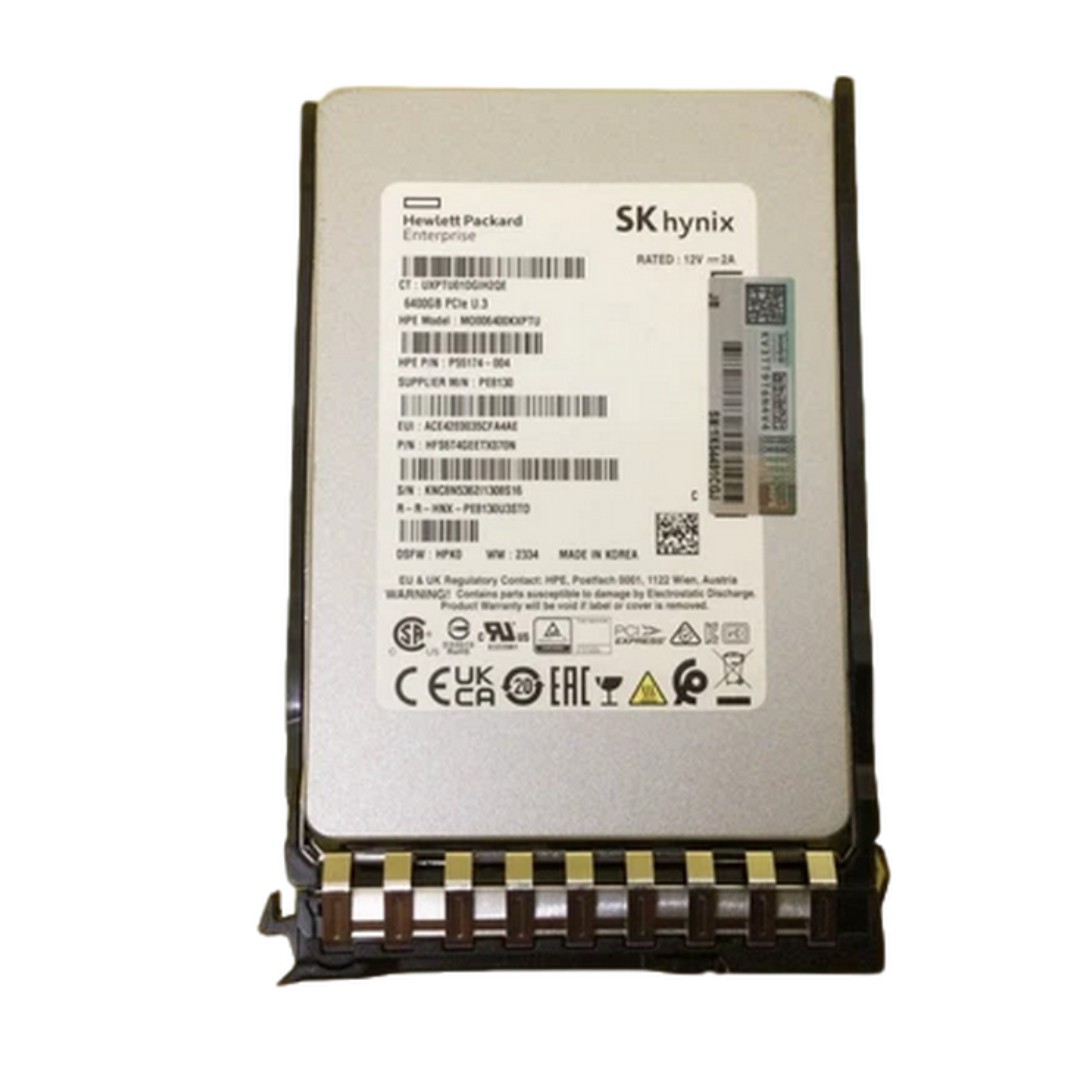


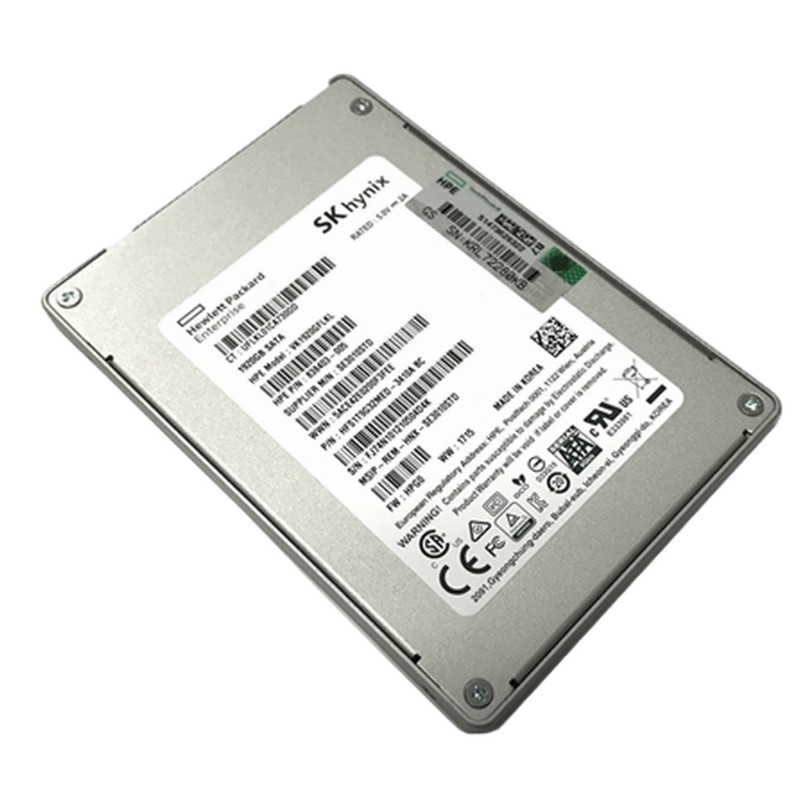
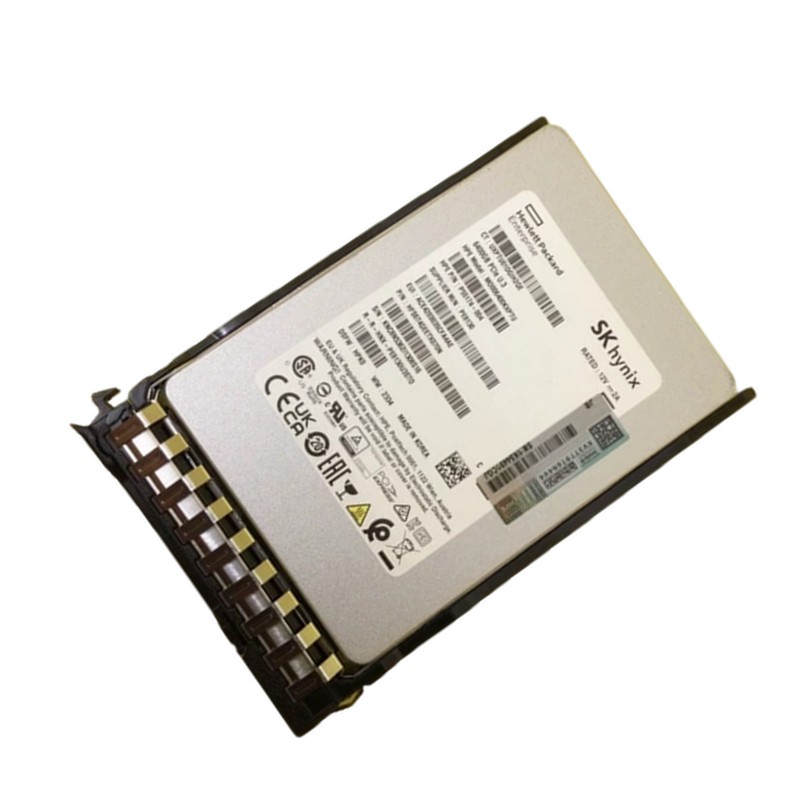
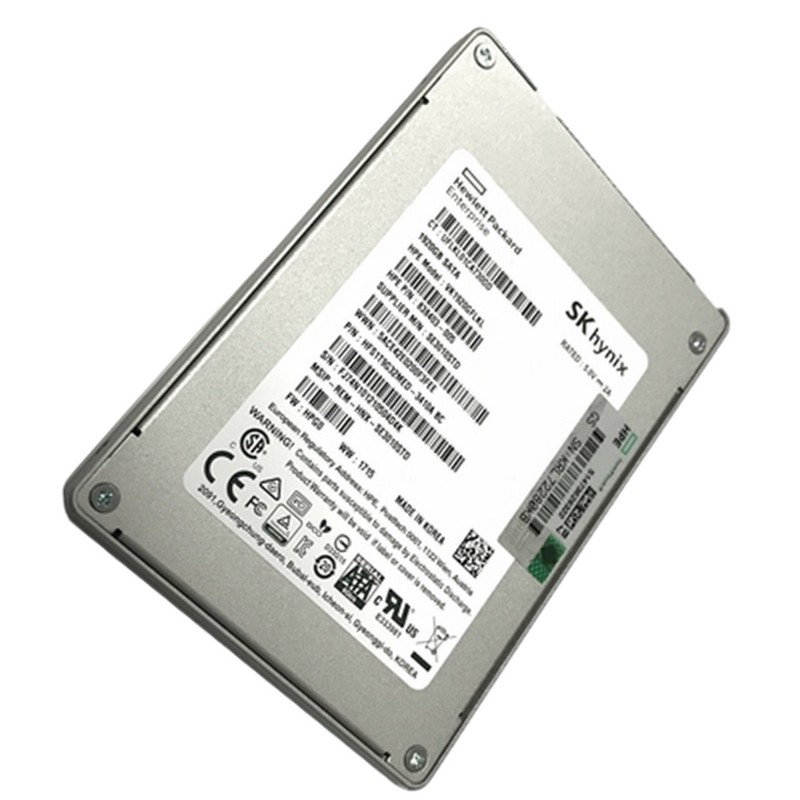
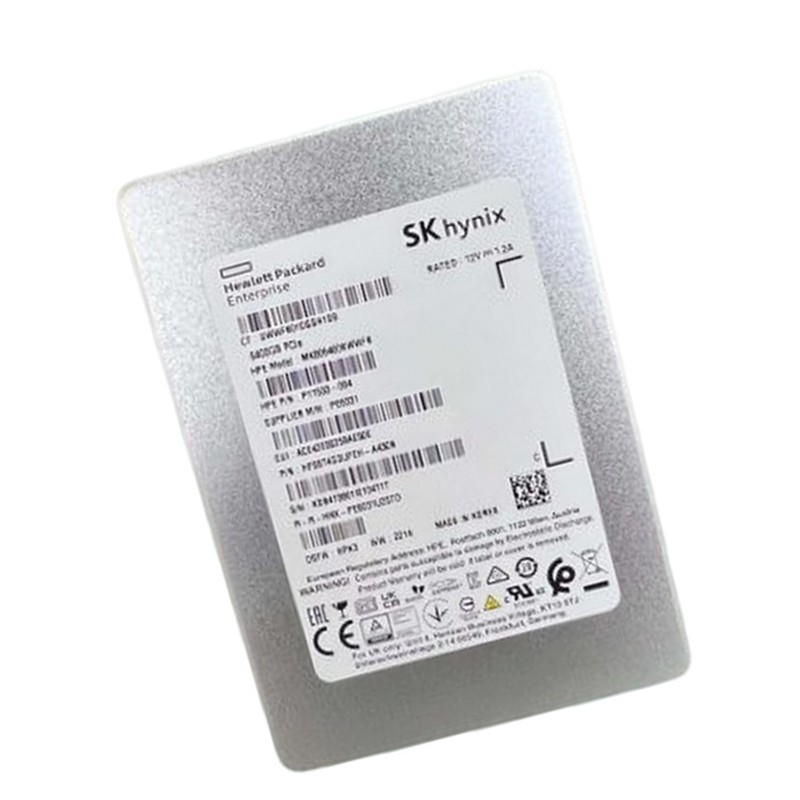
SK Hynix HFS6T4GEETX070N 6.4TB PE8130 Series PCI-E Gen4 NVME 2.5inch U.3/2 15mm Enterprise SSD. New Sealed in Box (NIB) with 3 years Warranty - HPE Version
Engineered for mission-critical environments, the SK Hynix HFS6T4GEETX070N from the PE8130 series is a brand-new HPE OEM solid-state drive offering exceptional performance and endurance. With a generous 6.4TB capacity and advanced V6 4D TLC NAND, this U.3/2 15mm SSD is built for intensive workloads and seamless data throughput.
INTEL P4326 15.36TB NVMe RULER (SSDPEXNV153T8D) — category overview and strategic positioning
The INTEL P4326 15.36TB NVMe RULER (SSDPEXNV153T8D) belongs to a specialized class of ultra-dense, capacity-optimized NVMe solid-state drives built for hyperscale cloud operators, large enterprise clusters, and OEMs who prioritize terabytes-per-slot density while retaining NVMe-class access latency and manageability. These ruler/EDSFF-style devices are purpose-engineered to compress petabyte capacity into fewer chassis, reduce controller/backplane complexity, and deliver fast sequential reads and predictable multi-threaded performance for warm or nearline storage tiers such as object payloads, data-lake capacity, and backup/rapid-restore pools. Solidigm’s D5-P4326 product brief and vendor datasheets describe 15.36TB initial capacities and roadmap scaling—making P4326 a strategic choice where density and NVMe access semantics matter.
Traditional scaling by adding many small SSDs or HDDs increases rack complexity (more controllers, more cables, more failure domains). The ruler NVMe category flips that paradigm: it concentrates more NAND in a single module, enabling substantial TB per U improvements while preserving the NVMe protocol’s low CPU overhead and deep queue advantages. In practice, this category is used where read latency and restore time are materially important but the storage tier does not require the highest DWPD figures of write-intensive enterprise SSDs. The result is a lower operational surface area and often a superior watts-per-TB at scale when chassis and airflow are correctly engineered.
Ruler or EDSFF-style drives (E1.L and related sled formats) spread NAND across an elongated PCB to maximize surface area for heat dissipation and enable very high capacities—15.36TB being a common first-generation SKU for this family. That same extended topology requires careful thermal planning: chassis designs must provide laminar airflow across the entire length, baffles to prevent recirculation, and clear intake/exhaust paths to avoid localized hotspots that can cause throttling or accelerate wear. Validate sled compatibility, connector depth, and server vendor compatibility matrices before large purchases to avoid mechanical or electrical surprises.
To reach 15.36TB in a single module, manufacturers typically combine high-density NAND (high-stack TLC or QLC variants depending on design) with controllers tuned for steady-state behavior rather than short synthetic bursts. The P4326 family emphasizes steady sequential read throughput and predictable latency under parallel read loads. Endurance ratings are calibrated for capacity/nearline use—fits the read-dominant or modest-write workloads—and differ across sub-SKUs, so TBW/DWPD should be reviewed in the product datasheet and modeled against expected write amplification and rebuild patterns before procurement.
Most high-density NVMe drives implement an SLC cache to accelerate burst writes. Relying on burst numbers alone is misleading: architects must run steady-state tests beyond the SLC window to understand sustained write throughput and latency tail behavior. For ingestion-heavy workloads, a common architecture pairs a small high-DWPD NVMe tier for short-term write absorb and later destages cold data to the capacity rulers to protect endurance.
Ruler NVMe devices are ideal for bulk object payload storage within S3-compatible clusters. By consolidating payload bodies onto fewer drives, operators reduce drive count per pod and simplify rebuild planning. Erasure coding (for example 8+2, 6+3) should be tuned for a balance of usable capacity and rebuild time; a wider stripe increases efficiency but may lengthen rebuild windows if network bandwidth or CPU is constrained. The fast NVMe read behavior shortens GET latencies and makes restores faster than HDD cold tiers.
Backup and snapshot repositories that must return data quickly gain significant RTO benefits from NVMe capacity tiers: sequential restores and partial restores benefit from fewer seek penalties and higher streaming throughput. When combined with deduplication and compression, the effective protected capacity can exceed raw TB—making capacity NVMe an attractive option for appliances with restoration SLAs.
Scan-heavy analytics (large sequential reads across columnar stores) exploit the high aggregate throughput of ruler NVMe arrays. For interactive queries requiring low latency on small indexes, a multi-tier approach—fast NVMe mixed-use for indexes and P4326 for large bodies—optimizes both latency and $/TB.
For parallel read workloads and high concurrency, use multiple submission queues and bind IO threads to local NUMA nodes. Increasing queue depth raises throughput but may inflate tail latency—monitor CPU cost and percentile latencies to find the sweet spot for your workload.
Use proven filesystems for enterprise NVMe (XFS, tuned ext4) and consider O_DIRECT when applications manage caching to reduce double buffering. For erasure-coded stores, align stripe sizes to the common IO sizes to reduce read amplification during typical access and rebuilds.
Choose self-encrypting variants if policy requires hardware encryption and integrate with centralized KMS (KMIP/cloud KMS). Maintain documented secure-erase and RMA workflows to ensure drives returned to vendors contain no recoverable data.
Aggregate SMART metrics, vendor health counters, temperature history, and percent-used metrics into monitoring systems. Trend these signals to schedule proactive replacements long before warranty limits are reached to avoid emergency service incidents at scale.
Compare ruler NVMe against HDD and many smaller SSDs using an all-in model that includes chassis/backplane, cabling, power/cooling, spare inventory, labor, and rebuild CPU/NIC costs. Frequently ruler NVMe achieves superior operational simplicity and faster recoveries—even when raw $/TB looks higher—because it reduces device count and rebuild complexity. Negotiate RMA and firmware support terms for large purchases to reduce operational risk.
The SK Hynix PE8130 family (example SKU HFS6T4GEETX070N) is a line of enterprise 2.5-inch U.3 NVMe SSDs built on PCIe Gen4 x4 that balance performance, endurance and serviceability for mixed and read-heavy enterprise workloads. A 6.4TB capacity SKU places this product squarely in the mid-to-high capacity U.3 lineup used by service providers, OEMs and enterprises for high-performance application data, metadata stores, VM datastores and fast capacity tiers where a 2.5-inch hot-swap form factor is preferred. Retail and OEM listings show the PE8130 series as a Gen4 U.3 product with competitive DWPD/TBW ratings and enterprise firmware features.
PE8130-class drives sit between small low-capacity NVMe modules (used for boot and metadata) and the ultra-dense ruler capacity tier. Their U.3 2.5-inch format provides hot-swap serviceability, mature backplane support, and easier field replacement than M.2 modules—making them a practical choice for server farms, SAN/NAS front ends, and mixed-use pools that require a blend of throughput and endurance without the ultra-high density objective of ruler drives.
PCIe Gen4 provides roughly double the per-lane bandwidth of Gen3, giving PE8130 drives higher aggregate sequential throughput and better headroom for parallel reads/writes at realistic queue depths. Typical PE8130 behavior favors strong sequential and random read performance with robust mixed-use capability, making the family well suited to virtualized hosts, DB primary or replica nodes, caching front ends, and anything that benefits from hot-swap replacement and predictable steady-state latency. Product listings for the PE8130 list 3 DWPD variants and 4D/6D NAND generations depending on revision—so always review the exact spec sheet before purchase.
Like other enterprise NVMe drives, PE8130 SKUs implement SLC caching and over-provisioning to accelerate burst writes while protecting steady-state endurance. For high sustained write workloads, verify DWPD/TBW and model refresh plans; for read-dominated workloads and VM datastores, the PE8130 often offers an excellent balance of performance and $/GB with the convenience of hot-swap U.3 serviceability.
U.3 2.5-inch form factor brings the advantage of hot-swap front bays and mature enterprise backplanes, simplifying field maintenance and reducing MTTR compared with M.2 modules. The 15mm height variants offer larger NAND assemblies for higher capacities (6.4TB and up) while retaining standardized mechanical mounting and power budgets. Confirm backplane compatibility and caddy clearances for the 15mm variants prior to procurement.
Use PE8130 drives as datastores for VMs or VDI images where high random read IOPS and reasonable write endurance are needed. Mirror boot and critical control volumes where possible and place high-churn database logs on a higher-DWPD tier to protect media life.
PE8130 mid-capacity drives are well matched for front-end DB nodes and read replicas that need low latency and good sequential throughput. Tune host queue depths and ensure NUMA alignment for multi-socket servers to reduce cross-socket penalties.
Because these drives are hot-swappable, they integrate cleanly into serviceable cache layers in front of larger capacity pools; when paired with intelligent tiering or automatic destage, they improve cache hit ratios while keeping maintenance simple.
PE8130 SKUs like HFS6T4GEETX070N appear across OEM and reseller channels; pricing varies by region and warranty options. Check TBW (total bytes written) and DWPD ratings for the exact SKU and negotiate RMA and firmware support terms for large buys. In many cases, OEM-branded SKUs are sold with specific warranty coverage and replacement terms—confirm those before ordering.
Because U.3 modules are hot-swappable and field-serviceable, maintain spares per site sized to expected failure rates and rebuild windows. Keep firmware baseline images and pre-printed labels to speed replacements and reduce mistakes during on-site swaps.
A modern, balanced storage architecture often combines multiple NVMe categories to optimize cost, performance and serviceability. A recommended three-tier NVMe design uses:
Use mirrored PE8130 drives for critical VM datastores and high-churn metadata; place application payloads and large objects on P4326 capacity pools with erasure coding. Configure a small mixed-use NVMe tier to absorb write bursts and schedule destage tasks to the P4326 pool during off-peak hours. This design yields fast boots, low VM latency, and efficient capacity economics at scale.


 Contact Us
 Information
 Catalog
 Solid State Drives (SSD)
 Network Switches
 Hard Disk Drives
 HBA & Controllers
 PC & Servers
 PC & Server Memory
 CPU & Processors
 Network Routers
 Power Supplies
 Tape Drives & Libraries
 Network Devices
 Computer & Network Cables