(7% discount is applied at checkout)
Cart is empty
Your go-to destination for cutting-edge server products
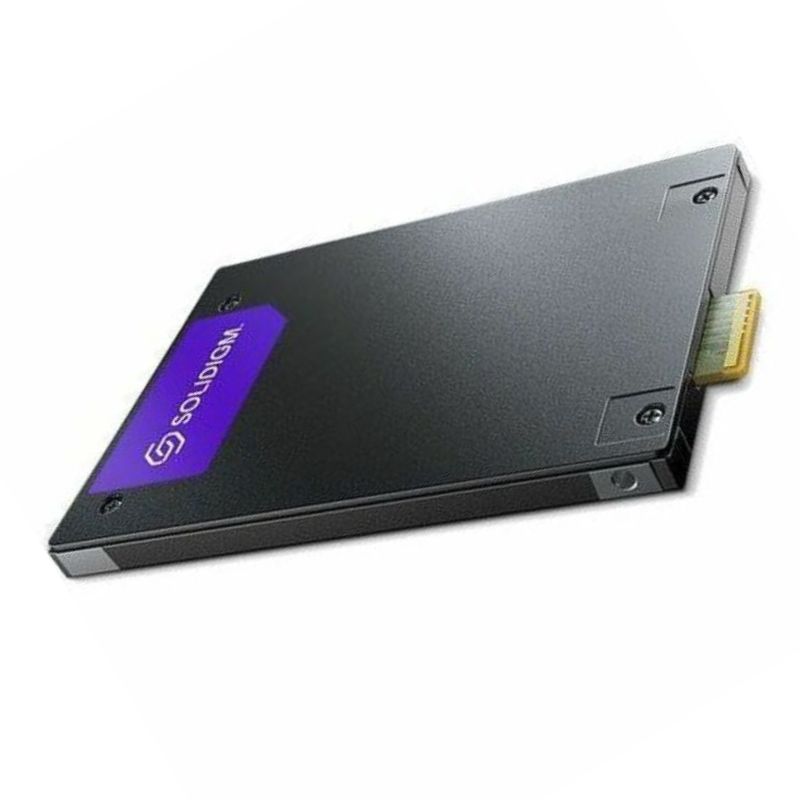


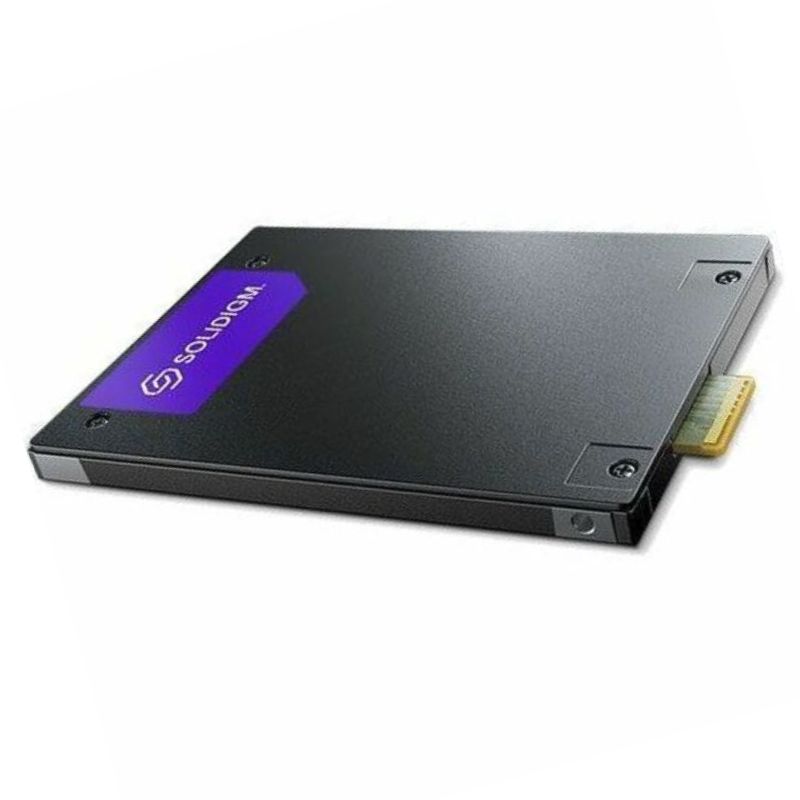
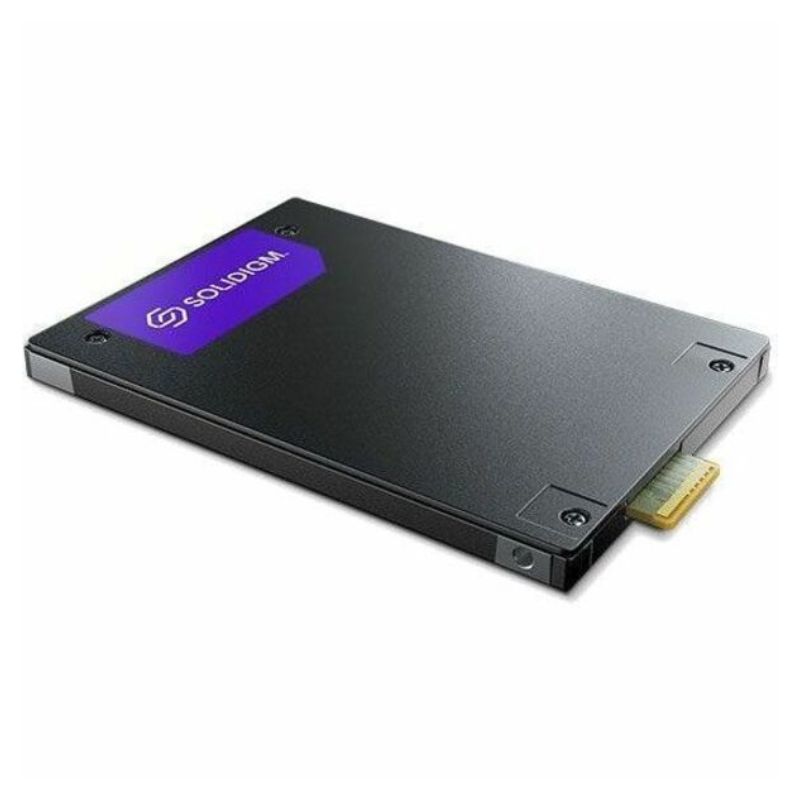
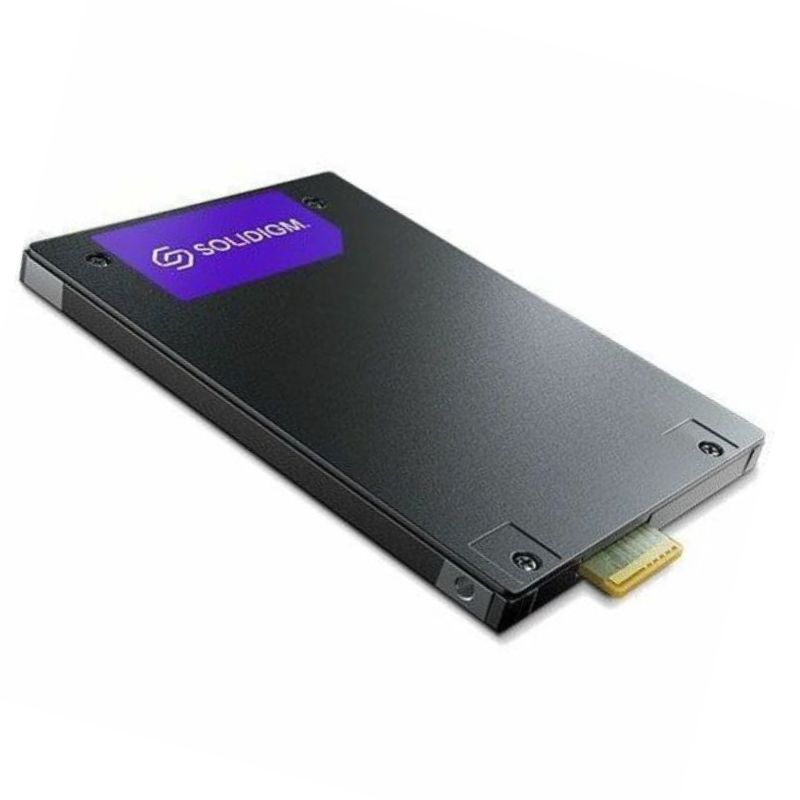
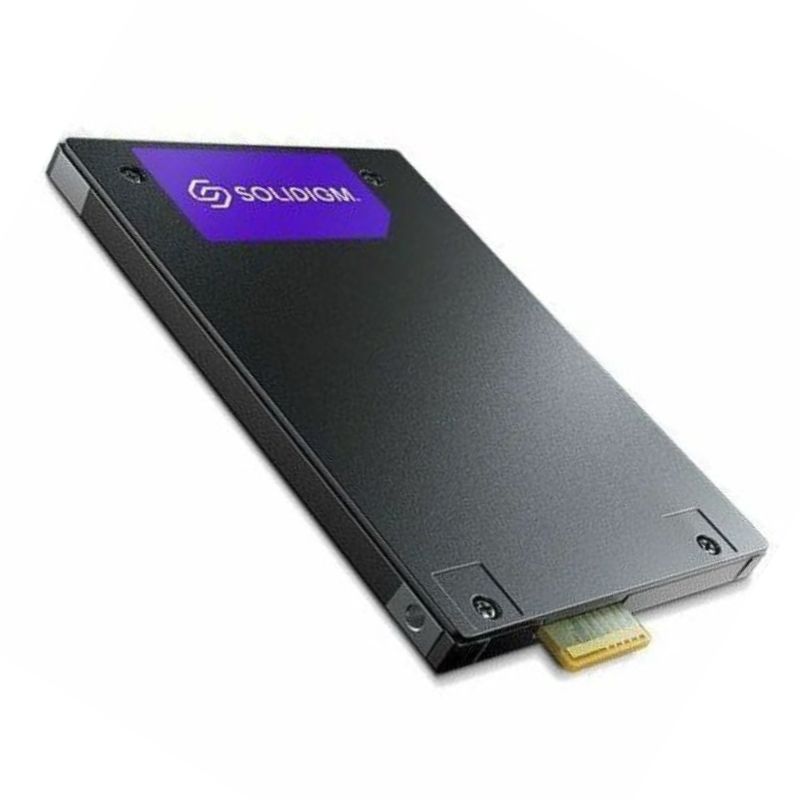
Solidigm SB5PHA7X019T001 1.92TB PCIe TLC Generic SSD. New Sealed in Box (NIB) with 3 years Warranty
Overview of the 1.92TB Solid State Drive
The SB5PHA7X019T001 Solidigm 1.92TB PCIe TLC Generic Solid State Drive represents a high-performance storage solution designed for data-intensive enterprise environments, cloud infrastructures, and modern server workloads. Built on PCIe (Peripheral Component Interconnect Express) architecture and utilizing Triple-Level Cell (TLC) NAND flash memory, this SSD delivers a balanced combination of endurance, speed, and cost efficiency suitable for large-scale deployments.
This category of PCIe-based TLC SSDs is widely adopted across virtualization platforms, database systems, analytics clusters, and content delivery networks where consistent read/write throughput and predictable latency are essential. The integration of advanced NAND management, firmware optimization, and multi-lane PCIe connectivity allows these drives to outperform traditional SATA-based storage by a significant margin.
As part of the enterprise storage ecosystem associated with the SB5PHA7X019T001 model is engineered to support sustained workloads while maintaining data integrity, thermal stability, and high input/output operations per second (IOPS).
PCIe-based solid-state drives leverage multiple data lanes to achieve significantly higher bandwidth compared to legacy storage interfaces. The SB5PHA7X019T001 utilizes this architecture to ensure rapid communication between storage and system memory, minimizing bottlenecks in high-demand computing environments.
Unlike SATA SSDs that are constrained by a single data channel, PCIe SSDs can operate across multiple lanes simultaneously. This parallelism translates into faster sequential read and write speeds, lower latency, and improved responsiveness under heavy workloads.
In enterprise environments where multiple virtual machines or containerized applications are running concurrently, PCIe TLC SSDs provide a crucial performance backbone. This ensures that database queries, file retrieval operations, and caching processes remain consistent even under peak demand conditions.
PCIe-based storage scales efficiently in blade servers, rack-mounted systems, and hyper-converged infrastructure (HCI). The SB5PHA7X019T001 is optimized for environments requiring dense storage deployment without sacrificing throughput or latency consistency.
As workloads scale horizontally across distributed systems, PCIe SSDs help maintain uniform performance characteristics, reducing the risk of I/O bottlenecks that can degrade application performance.
The TLC NAND architecture used in this drive stores three bits of data per memory cell, striking a balance between cost efficiency and endurance. This design allows higher storage density compared to Single-Level Cell (SLC) and Multi-Level Cell (MLC) technologies while maintaining acceptable performance for enterprise workloads.
TLC NAND is widely used in modern SSDs due to its optimal compromise between affordability and durability. When combined with advanced wear-leveling algorithms and error correction technologies, it becomes a reliable solution for data center storage needs.
Wear leveling ensures that data writes are distributed evenly across NAND cells, preventing premature degradation of specific memory blocks. This significantly extends the operational lifespan of the drive, making it suitable for continuous 24/7 workloads.
Enterprise-grade TLC SSDs include advanced ECC (Error Correction Code) mechanisms that detect and correct data corruption at the hardware level. These features ensure data integrity even in environments with frequent read/write cycles or fluctuating power conditions.
The SB5PHA7X019T001 SSD is optimized for high IOPS performance, making it suitable for transactional databases, virtualization hosts, and real-time analytics systems. The PCIe interface enables rapid command execution and low queue latency.
In comparison to traditional spinning hard drives, this SSD delivers exponentially higher input/output performance, reducing application load times and improving overall system responsiveness.
Sequential read and write operations benefit from the high throughput of PCIe lanes, while random access performance is enhanced by NAND parallelism and advanced controller architecture. This makes the drive effective for mixed workload environments.
Low latency is critical for enterprise workloads such as high-frequency trading, online transaction processing (OLTP), and cloud-native applications. The SB5PHA7X019T001 minimizes response time through optimized firmware algorithms and efficient queue management.
The versatility of PCIe TLC SSDs makes them suitable for a wide range of enterprise applications. The SB5PHA7X019T001 is commonly deployed in environments where performance consistency and storage density are essential.
In cloud environments, storage performance directly impacts virtual machine density and application responsiveness. This SSD supports virtualization platforms by providing high IOPS and predictable latency for multiple concurrent workloads.
Relational and NoSQL databases benefit from fast storage access times, especially during query execution, indexing, and transaction logging. The drive’s architecture ensures minimal delays in data retrieval and commit operations.
High-throughput storage is essential for streaming platforms and content delivery networks. This SSD helps maintain smooth data distribution and reduces buffering times for end users.
AI training workloads and large-scale analytics pipelines require rapid access to datasets. PCIe TLC SSDs enable faster data ingestion and processing, accelerating model training and insights generation.
Thermal stability is a critical factor in SSD performance, especially in high-density server environments. The SB5PHA7X019T001 incorporates thermal throttling mechanisms to prevent overheating while maintaining consistent performance levels.
Power efficiency is also a key design consideration. Compared to traditional HDDs, PCIe SSDs consume significantly less power per IOPS delivered, reducing operational costs in data centers.
Advanced power states allow the drive to adjust energy consumption based on workload intensity. This ensures optimal performance during peak usage while conserving energy during idle periods.
Enterprise SSDs are designed with multiple layers of data protection to ensure reliability in mission-critical environments. The SB5PHA7X019T001 incorporates firmware-level safeguards, power-loss protection strategies, and advanced NAND management systems.
Sudden power interruptions can lead to data corruption in storage devices. This SSD includes protective circuitry that helps preserve in-flight data and maintain metadata integrity during unexpected shutdowns.
Endurance is measured in drive writes per day (DWPD), indicating how much data can be written over the lifespan of the SSD. TLC-based enterprise drives are optimized for balanced endurance suitable for mixed workloads.
SMART (Self-Monitoring, Analysis, and Reporting Technology) provides real-time diagnostics that help administrators monitor drive health, anticipate failures, and schedule proactive replacements.
The SB5PHA7X019T001 is designed for seamless integration into enterprise server platforms, storage arrays, and compute nodes. PCIe compatibility ensures broad support across modern hardware architectures.
When deployed in RAID configurations, PCIe SSDs enhance redundancy and performance. This allows organizations to achieve both fault tolerance and high-speed data access.
These drives are compatible with major operating systems including Linux distributions, Windows Server environments, and virtualization hypervisors such as VMware and Hyper-V.
The controller is the core component that manages data flow between NAND flash and system memory. The SB5PHA7X019T001 utilizes advanced firmware algorithms that optimize garbage collection, wear leveling, and queue management.
Data security is critical in enterprise environments where sensitive information is stored and processed. This SSD supports hardware-based encryption technologies to protect stored data from unauthorized access.
Self-encrypting drive functionality ensures that all stored data is automatically encrypted at rest, reducing the risk of data breaches in case of physical drive removal.
Modern data centers rely heavily on flash-based storage solutions to meet increasing demands for speed and scalability. The SB5PHA7X019T001 contributes to reduced latency, improved workload distribution, and higher computational efficiency.
By replacing legacy storage systems with PCIe TLC SSDs, organizations can significantly reduce infrastructure complexity while increasing overall system throughput.
As storage demands continue to grow, PCIe TLC SSDs are evolving with faster interfaces, improved NAND architectures, and enhanced firmware intelligence. Future iterations will likely deliver even higher densities and lower latency profiles.


 Contact Us
 Information
 Catalog
 Solid State Drives (SSD)
 Network Switches
 Hard Disk Drives
 HBA & Controllers
 PC & Servers
 PC & Server Memory
 CPU & Processors
 Network Routers
 Power Supplies
 Tape Drives & Libraries
 Network Devices
 Computer & Network Cables