Your go-to destination for cutting-edge server products
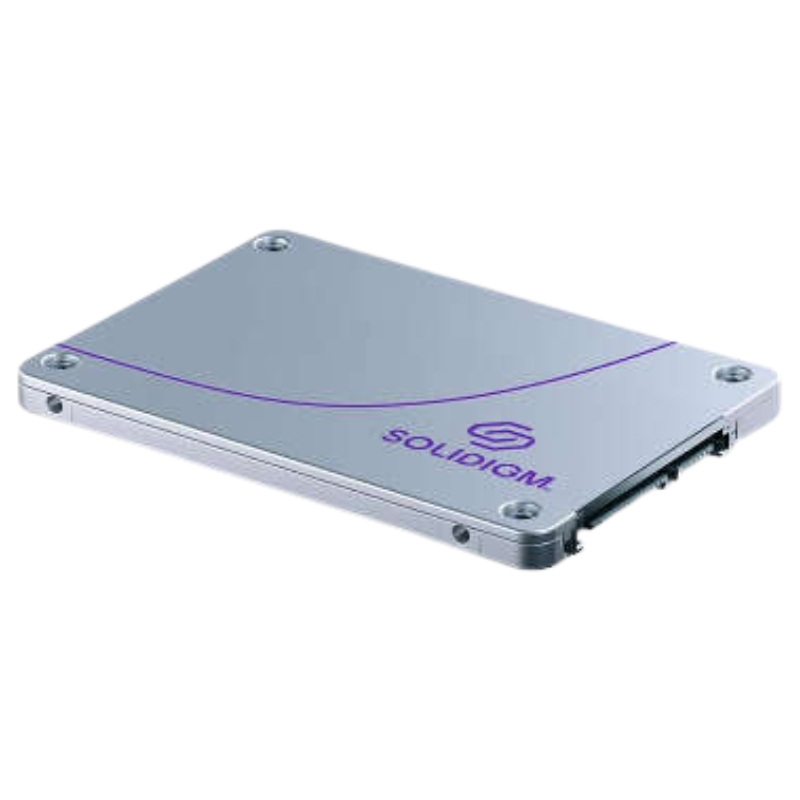
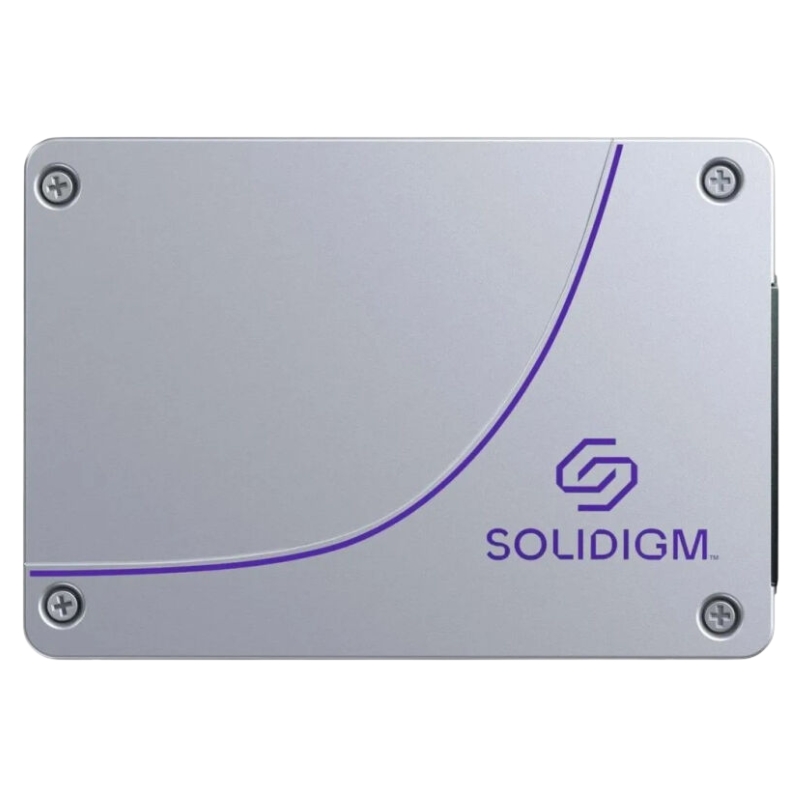
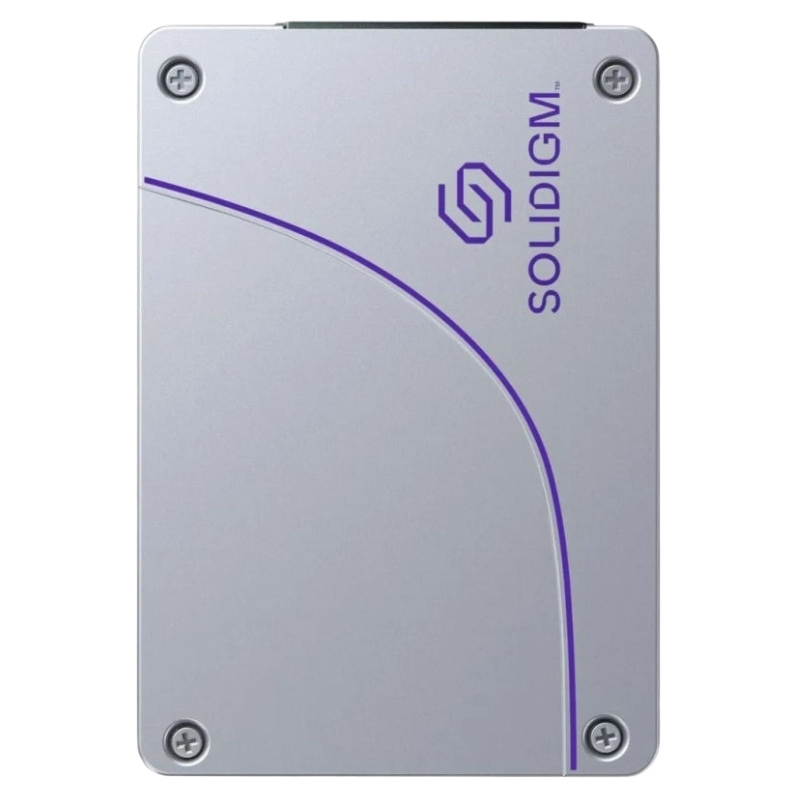
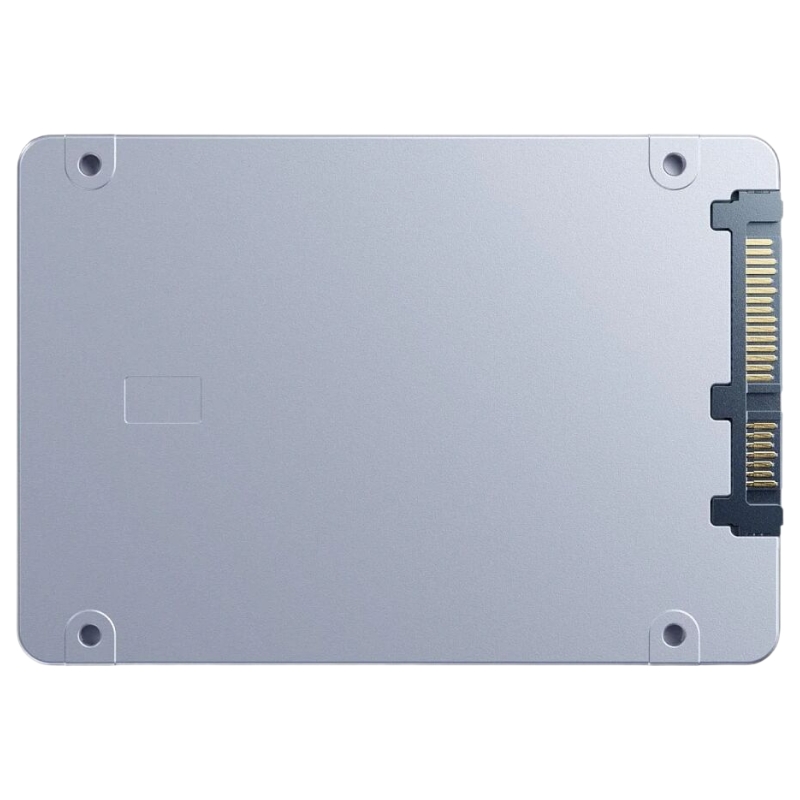
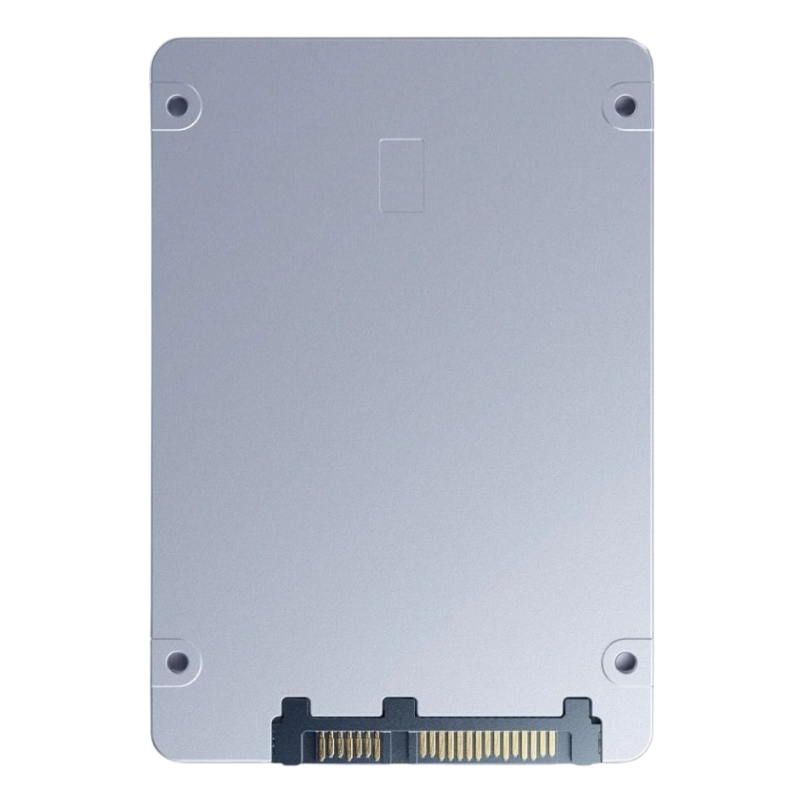
SSDPF2KE032T11Z Solidigm 3.2TB D7-P5620 PCI-E 3d4 Tlc 2.5Inch U.2 15mm SSD.

SSDPF2KE032T11Z
* Product may have slight variations vs. image
Hover on image to enlarge

Brief Overview of SSDPF2KE032T11Z

Solidigm SSDPF2KE032T11Z 3.2TB D7-P5620 PCI-E 3d4 Tlc 2.5Inch U.2 15mm SSD. New Sealed in Box (NIB) with 3 years Warranty

$891.00
$660.00
You save: $231.00 (26%)
Ask a question
Price in points: 660 points
+
Quote

Additional 7% discount at checkout

SKU/MPNSSDPF2KE032T11ZAvailability✅ In StockProcessing TimeUsually ships same day ManufacturerSolidigm Manufacturer Warranty3 Years Warranty from Original Brand Product/Item ConditionNew Sealed in Box (NIB) ServerOrbit Replacement Warranty1 Year Warranty
Google Top Quality Store Customer Reviews
Our Advantages
Payment Options
  • — Visa, MasterCard, Discover, and Amex
  • — JCB, Diners Club, UnionPay
  • — PayPal, ACH/Bank Transfer (11% Off)
  • — Apple Pay, Amazon Pay, Google Pay
  • — Buy Now, Pay Later - Affirm, Afterpay
  • — GOV/EDU/Institutions PO's Accepted 
  • — Invoices
Delivery
  • — Deliver Anywhere
  • — Express Delivery in the USA and Worldwide
  • — Ship to -APO -FPO
  • For USA - Free Ground Shipping
  • — Worldwide - from $30
Description

SOLIDIGM D7-p5620 Enterprise SSD:

Explore the advanced specifications and capabilities of the high-performance SOLIDIGM D7-p5620 Series solid state drive, engineered for demanding enterprise storage applications.

Core Product Identification

The SOLIDIGM D7-p5620 is a robust data storage solution, identified by manufacturer part number SSDPF2KE032T11Z. This unit belongs to the esteemed D7-p5620 Series of TLC-based solid state drives, representing a pinnacle of storage technology.

Primary Technical Attributes

Storage Capacity and Physical Interface
  • Ample Storage: Boasts a substantial 3.2 Terabytes of data storage space.
  • Cutting-Edge Interface: Utilizes the high-speed PCI Express 4.0 x4 lane interface with the NVMe protocol for exceptional data transfer rates.
  • Industry-Standard Form Factor: Housed in a compact 2.5-inch U.2 15mm chassis, ensuring broad compatibility with server and data center infrastructure.
Internal Architecture and Durability
  • Advanced NAND Construction: Built with 144-Layer 3D TLC NAND lithography, balancing performance, endurance, and density.
  • Exceptional Ruggedness: Designed to withstand operational shock of up to 1000G/0.5ms, safeguarding data integrity in challenging environments.
  • Superior Reliability Metric: Features an impressive Mean Time Between Failures (MTBF) rating of 2 million hours, ensuring long-term operational dependability.

Exceptional Performance Metrics

Sequential Data Transfer Speeds

  • Peak Read Velocity: Achieves staggering sequential read speeds of up to 6,700 Megabytes per second.
  • Peak Write Velocity: Delivers formidable sequential write performance of up to 3,600 MB/s.

Random Input/Output Operations

  • Random Read Performance: Capable of reaching 1,000,000 IOPS when handling 4K data blocks.
  • Random Write Performance: Attains up to 341,000 IOPS for 4K block write operations, enabling swift transaction processing.

Integrated Enterprise-Grade Features

Data Integrity and Security
  • Power Loss Imminent Protection: Incorporates enhanced power loss data protection to prevent data corruption during unexpected power interruptions.
  • Robust Encryption: Equipped with hardware-based AES 256-bit encryption, providing top-tier security for sensitive data at rest.
  • Comprehensive Data Protection: Implements end-to-end data protection, preserving integrity from the host to the NAND and back.
Environmental Monitoring
  • Thermal Management: Includes sophisticated temperature monitoring and logging capabilities to ensure optimal operating conditions and pre-emptively manage heat-related issues.

Physical Characteristics

  • Unit Mass: The drive has a precise weight of 165 grams, with a minimal tolerance of +/- 5 grams, contributing to its dense and solid build quality.

Solidigm SSDPF2KE032T11Z 3.2TB

The Solidigm SSDPF2KE032T11Z 3.2TB is a purpose-built PCIe NVMe U.2 drive engineered to deliver sustained high throughput, consistent low-latency performance, and industry-leading endurance for demanding server, storage array, and data-center workloads. This category focuses on the D7-P5620 family and closely related 3D TLC NAND, 2.5-inch U.2 15mm form-factor SSDs — ideal for tiered flash storage, caching layers, and mixed read/write enterprise applications. Use this section to inform buyers, systems architects, and procurement teams about performance characteristics, compatibility, deployment patterns, and practical value when selecting Solidigm D7-series drives for mission-critical infrastructure.

Key characteristics and why this SSD matters

At its core, the SSDPF2KE032T11Z provides a balanced mix of capacity, performance, and thermal/physical compatibility. The 3.2TB capacity offers a practical mid-to-high tier for database slices, virtual machine images, container storage, and hot block caches. The D7-P5620 controller architecture and PCIe/NVMe interface make it suitable for environments that require consistent IOPS, low jitter, and enterprise-grade reliability metrics such as MTBF and TBW warranties.

Technical highlights

  • Form factor: 2.5-inch U.2, 15mm — fits dense server bays and enterprise storage shelves.
  • Interface: PCIe NVMe — high bandwidth with parallel I/O lanes to maximize throughput.
  • NAND type: 3D TLC (Triple-Level Cell) — optimized for endurance and cost-per-GB in data-center use.
  • Controller family: D7-P5620-class — tuned for predictable performance across mixed workloads.
  • Capacity: 3.2TB — versatile for caching, tiering, and primary-flash pools.
  • Thermal design: 15mm height for improved heat dissipation and compatibility with U.2 sleds that support higher-power enterprise drives.

Performance profile: throughput, IOPS, and latency

When evaluating NVMe SSDs for server deployments, three metrics dominate decision-making: sustained sequential throughput, random IOPS (read/write), and tail latency. The Solidigm D7-P5620 family targets balanced performance — delivering high sequential bandwidth for bulk workloads while preserving strong random IOPS for database and virtualization performance. Low and predictable latency (tail latency) is particularly important for transactional systems; drives in this category are designed with firmware algorithms to reduce latency spikes and maintain consistent response times under mixed and sustained loads.

Throughput and mixed workload behavior

For large-block sequential transfers — backup windows, VM image loads, and media streaming — the native NVMe lanes combined with the D7 controller enable linear bandwidth scaling across lanes. In mixed random workloads typical of OLTP databases, the drive's internal parallelism, write buffering, and garbage collection strategies reduce host-visible latency and maintain higher steady-state IOPS compared to consumer-grade drives.

Practical performance considerations
  • Provision over-provisioning (OP) or reserve space for heavy write environments to improve steady-state endurance and latency.
  • Deploy in arrays or use drive-level encryption if required by compliance standards — U.2 drives typically support TCG Opal or enterprise encryption options depending on firmware.
  • Monitor SMART telemetry and drive health metrics — many enterprise deployments automate replacement thresholds based on TBW or SMART parameters.

Compatibility and deployment scenarios

The 2.5-inch U.2 (15mm) form factor is engineered for server chassis that support hot-swap U.2 trays as well as higher-power multiprotocol backplanes. This category page explains where Solidigm D7-series U.2 SSDs fit within a storage topology: as hot tiers in hybrid arrays, flash caches in software-defined storage, primary storage for latency-sensitive VMs, and as boot/OS volumes in high-reliability servers.

Server and chassis compatibility

Most modern enterprise servers and storage enclosures that expose U.2 backplanes will accept a 15mm drive; however, administrators should confirm bay depth and thermal provisioning. The extra 15mm thickness often accommodates larger PCBs and improved heatsinks or thermal pads which help maintain sustained performance under heavy workloads.

Usage patterns by role
  • Databases (OLTP/OLAP): The drive's strong random IOPS and low tail latency make it a candidate for smaller database shards or as part of a distributed storage pool for high-performance transactional workloads.
  • Virtualization hosts: Use Solidigm D7-series drives for VM image stores and high-concurrency desktop virtualization where consistent response time improves user experience.
  • Cache and tiered storage: In hybrid arrays, these drives provide the performance layer that accelerates cold HDD-backed pools.
  • Edge and telco deployments: The U.2 form factor and enterprise-grade endurance are a fit for ruggedized servers that require durable flash at scale.

Reliability, endurance, and data integrity

Enterprise SSD selection often hinges on durability and data protection features. Solidigm's D7-family firmware emphasizes host-friendly behavior: wear leveling, power-loss protection (depending on model/firmware variants), end-to-end data path protection, and conservative default write amplification controls to extend drive life. The 3.2TB capacity, when combined with realistic workload modeling, delivers substantial TBW over the warranty period for mixed-use scenarios.

Endurance metrics and lifecycle planning

Endurance figures (expressed as TBW or drive writes per day) vary by capacity and firmware configuration. For procurement and lifecycle planning, consider these best practices:

  • Map expected daily write volume (GB/day) and multiply by RAID/replication overhead to estimate real host writes.
  • Consult vendor TBW specifications for the selected SKU and select appropriate spare capacity or RAID level to balance performance and longevity.
  • Adopt automated monitoring to preemptively retire drives approaching their recommended TBW or SMART thresholds.
Data integrity and firmware robustness

Enterprise-class SSDs implement multiple layers of protection: LDPC (low-density parity-check) error correction, flash translation layer (FTL) safeguards, and power-loss mitigation. For mission-critical datasets, pair these drives with application-level replication and periodic snapshots for the fastest recovery and highest data availability.

Thermal management and form-factor implications

A 15mm U.2 form factor isn't just about physical fit; it frequently indicates a drive built for heavier duty cycles and includes more thermal headroom. Solidigm drives in the D7 family typically include thermal throttling thresholds and reporting to the host. For rack-dense deployments, proper airflow planning, cage blanking panels, and active-convection strategies ensure drives maintain advertised performance under sustained load.

Best practices for cooling

  • Ensure front-to-back airflow aligns with server vendor guidelines; avoid mixing reversed-airflow nodes in the same rack.
  • Keep drive bay temperatures within the recommended operating range to avoid thermal throttling which can hurt throughput and latency.
  • Consider server-level heatsinks or airflow guides in chassis that consolidate high-density U.2 drives.

Security and encryption support

Security-conscious deployments should evaluate on-drive encryption and secure erasure capabilities. Many enterprise SSDs, including those in Solidigm's family, can support hardware-based encryption standards. Confirm whether the specific SKU supports TCG Opal, industry-standard AES-based data-at-rest encryption, or enterprise integration points for key management and remote key rotation.

Key management and compliance considerations

When using hardware encryption, integrate the drives with an enterprise key management solution (KMS) or use controller-based key escrow to meet regulatory requirements (for example, GDPR, HIPAA, or sector-specific mandates). Ensure secure erasure procedures align with compliance needs — using cryptographic erase where supported provides a fast and auditable method to sanitize drives before redeployment or disposal.

Integration with software-defined storage and orchestration

Modern datacenter architectures increasingly depend on software-defined storage (SDS) and orchestrated platforms like OpenStack, Kubernetes, VMware vSAN, and Ceph. The Solidigm D7 family fits well into SDS tiers as fast block devices or cache layers. When designing an SDS topology, consider drive endurance distribution, consistent latency requirements, and staging hot/warm/cold data across tiers to achieve the best dollar-per-IOPS and dollar-per-GB outcomes.

Design tips for SDS clusters

  • Reserve a percentage of SSD capacity for metadata and write buffering in scale-out clusters to minimize write amplification on consumer-grade nodes.
  • Use device-level QoS where supported to reduce noisy-neighbor effects in virtualized storage pools.
  • Test realistic mixed workloads in a staging cluster to validate replication behaviour and failover scenarios before production deployment.

Decision checklist

  1. Define target workloads (sequential backup vs. random OLTP) and pick a drive optimized for that profile.
  2. Estimate required capacity after redundancy and reserve for over-provisioning.
  3. Compare endurance (TBW) and warranty terms — choose drives that meet write-load forecasts with a comfortable margin.
  4. Validate physical fit and thermal support in your chosen chassis/backplane.

Recommended operational runbook items

  • Baseline drive performance after deployment and compare against production telemetry to detect drift.
  • Schedule periodic firmware update windows — test firmware changes in a controlled environment to avoid regressions.
  • Maintain a stock of compatible replacement drives and sleds to minimize RTO for hot-swap scenarios.

Cost considerations and TCO

While purchase price is often the primary procurement metric, total cost of ownership includes power, cooling, rack space, maintenance, and replacement frequency. The U.2 15mm form factor commonly draws more power than slimmer consumer SATA drives, but under heavy workloads, enterprise NVMe drives can provide better performance-per-watt and higher consolidation ratios — delivering lower TCO when properly architected into a server cluster or storage array.

Factors that influence TCO

  • Performance density: higher IOPS/GB can reduce the number of servers required to meet SLAs.
  • Energy and cooling: ensure accurate modeling of power draw under peak load to size data-center infrastructure correctly.
  • Maintenance overhead: drives with robust telemetry and long warranties reduce replacement-driven operational costs.

Related product categories and cross-sell notes

Buyers exploring the Solidigm D7 3.2TB SKU may also consider adjacent product families and accessories: NVMe-to-U.2 adapters for legacy enclosures, heatsink kits for dense deployments, NVMe raid controllers for non-software RAID topologies, and complementary lower-cost SATA/SAS SSDs for bulk capacity tiers. For all-flash arrays or converged infrastructure, compare performance-per-GB and per-IOPS across candidate SKUs to find the optimal mix.

Accessory and ecosystem suggestions

  • U.2 to M.2 adapters for testing in lab environments.
  • Hot-swap compatible trays and carrier sleds for your server model.
  • Drive-level monitoring agents and vendor firmware tools to incorporate into your monitoring stack.

Suggested keyword clusters

  • Solidigm SSDPF2KE032T11Z 3.2TB
  • D7-P5620 NVMe U.2 15mm SSD
  • Enterprise 3.2TB NVMe SSD 2.5-inch
  • 3D TLC U.2 SSD for servers
  • NVMe SSD endurance TBW and IOPS

Structured data and spec table suggestions

Present a concise spec table directly within the category description to support skimming and to feed structured data markup. Include fields such as interface, form factor, capacity, NAND type, sequential read/write, random IOPS, endurance (TBW), power consumption, operating temperature range, and warranty period. This practice improves usability and search engine understanding of product relevance.


Features
Manufacturer Warranty:
3 Years Warranty from Original Brand
Product/Item Condition:
New Sealed in Box (NIB)
ServerOrbit Replacement Warranty:
1 Year Warranty