(7% discount is applied at checkout)
Cart is empty
Your go-to destination for cutting-edge server products
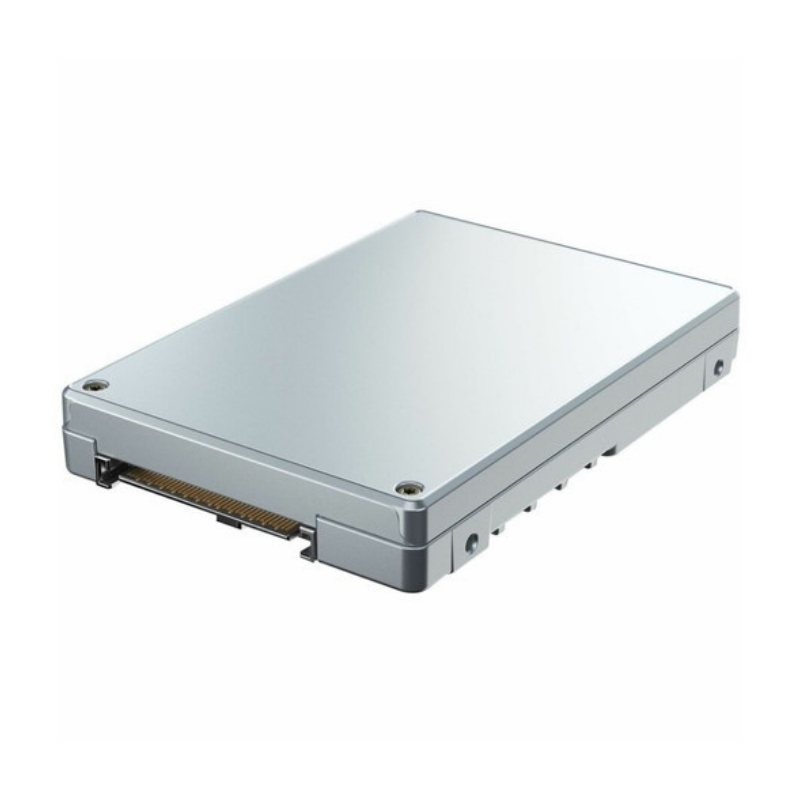


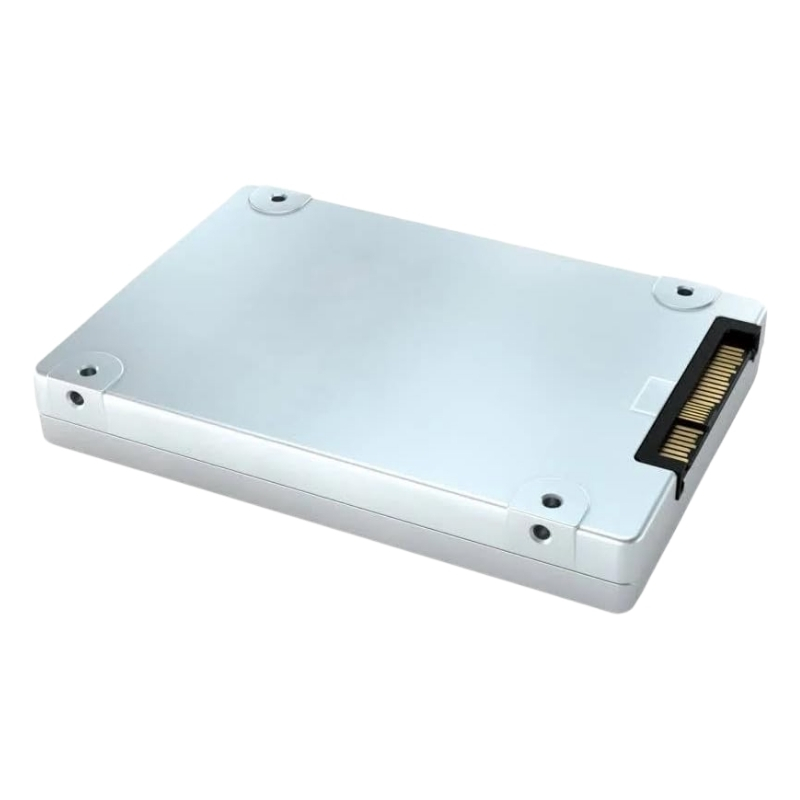
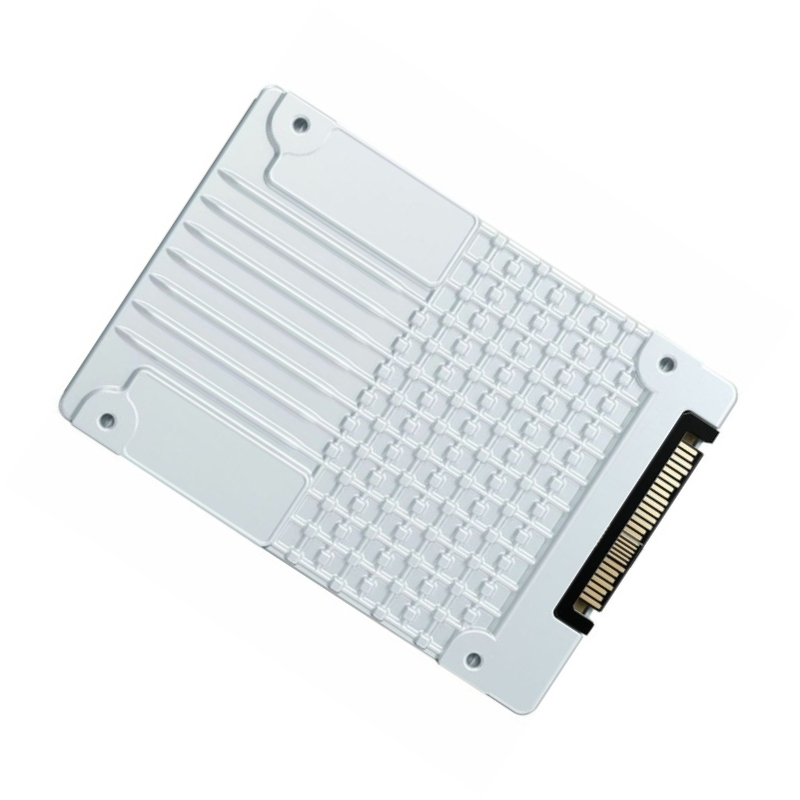
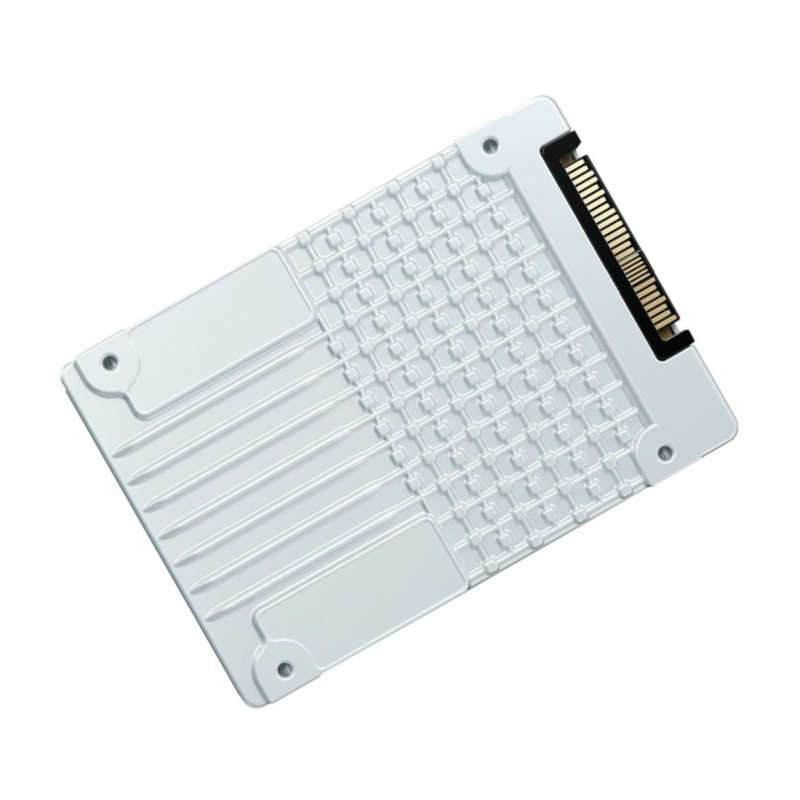
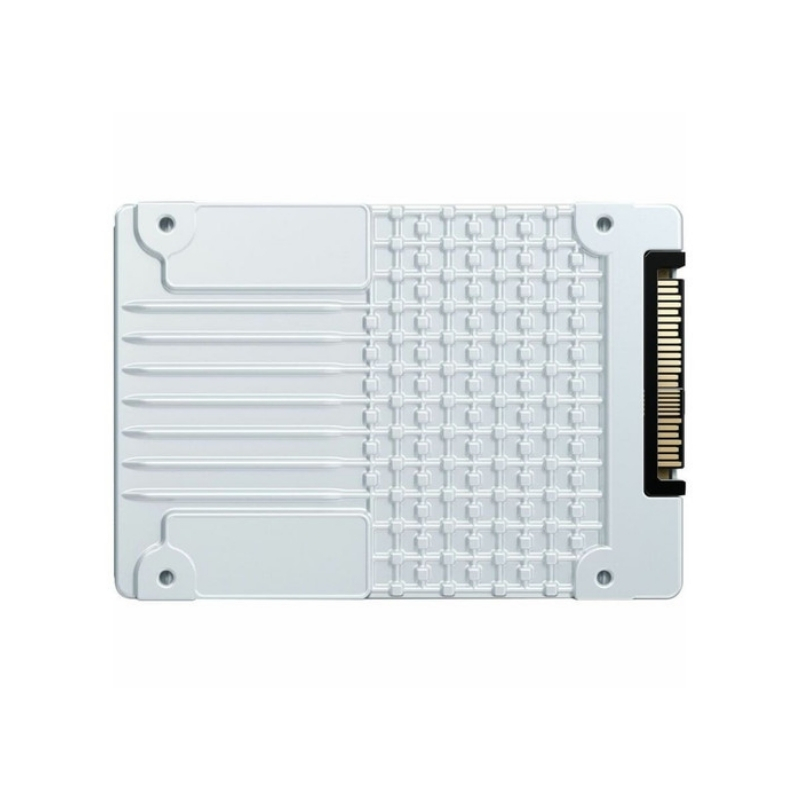
Solidigm SSDPF2KX019T1OZ D7-p5520 1.92TB PCIE 4.0 X4 2.5inch U.2 15mm TLC Opal 3d Nand SSD. New Sealed in Box (NIB) with 3 Years Warranty
The SOLIDIGM D7-P5520 1.92TB PCIe 4.0 NVMe enterprise-class solid-state drive delivers exceptional efficiency, rapid processing capabilities and next-generation NAND architecture. Designed for intensive server infrastructures, virtualized environments and high-demand data-center ecosystems, this device combines long-term durability with advanced security technologies for mission-critical workloads.
Technical Specifications
The Solidigm SSDPF2KX019T1OZ D7-p5520 1.92TB PCIe 4.0 x4 U.2 15mm TLC Opal 3D NAND SSD belongs to a performance-centered enterprise storage category engineered for high reliability, superior endurance, and exceptional responsiveness within data-intensive infrastructures. This storage class emphasizes optimized latency, scalable throughput, and efficient input-output operations tailored for mixed workloads, virtualization layers, high-performance computing deployments, cloud-native environments, and hyperscale data center ecosystems. Within this category, Solidigm introduces an evolution of NVMe architecture that extends the capabilities of PCIe 4.0, enabling companies to experience faster service execution, minimized bottlenecks, and improved system consistency.
The integration of 144-layer TLC NAND enhances reliability and increases efficiency for multi-queue command processing. This equates to exceptional durability in continuous 24/7 deployments, making the drive an ideal solution for compute clusters, virtualization nodes and high-capacity server infrastructures.
The SSD’s optimized firmware, combined with its robust NAND management engine, consistently maintains performance levels during sustained writes, sequential tasks, and randomized patterns. This category is engineered for circumstances where traditional SATA or SAS drives fail to meet the required throughput thresholds. By supporting NVMe specifications, the Solidigm D7-p5520 maintains stable IOPS output even as storage demands intensify, creating a dependable environment for sophisticated enterprise analytics, large-scale virtualization, and dynamic cloud orchestration.
The 2.5-inch U.2 enclosure is engineered to handle the vibration and shock typically found in enterprise server infrastructures. Inside, thermal-optimized layout and robust build materials ensure that the SSD retains consistent performance even during sustained I/O pressure.
The SOLIDIGM D7-P5520 utilizes protective measures to defend against corruption, thermal overload and unauthorized access, ensuring enterprise-ready security compliance and dependable data management. These capabilities reduce risk during heavy workloads and maintain predictable system integrity.
Engineered for rapid queue execution and minimal latency, the D7-P5520 excels in applications such as high-speed analytics, virtualization scaling, caching layers, cloud-native workloads and high-volume resource allocation. These performance metrics make it suited for server-based acceleration, AI pipelines and continuous data-stream applications.
The enterprise NVMe category emphasizes sustained performance across a variety of workload conditions. The Solidigm SSDPF2KX019T1OZ supports rapid data access, high-frequency input-output operations, and substantial sequential throughput. These capabilities address the needs of businesses operating compute-intensive models, machine learning processes, microservices, real-time analytics, and cloud workload distribution.
One of the most important characteristics of this storage category is ultra-low latency. The Solidigm SSDPF2KX019T1OZ demonstrates rapid response times, ensuring that real-time services, transactional applications, and high-frequency workloads receive immediate access to critical data. This category prioritizes predictable latency patterns that reduce jitter, enhance stability, and maintain steady data flow across diverse business applications.
Many enterprise systems operate within mixed workload environments where random reads, random writes, sequential processes, and continuous background operations occur simultaneously. This category’s architecture is fine-tuned to support equilibrium between these data processes. The D7-p5520 provides the necessary responsiveness for read-intensive scenarios while maintaining exceptional write stability, enabling businesses to execute intricate tasks without facing throughput inconsistencies.
The use of 3D NAND technology revolutionizes enterprise storage by stacking memory cells vertically instead of relying solely on planar geometry. This structure increases storage capacity without compromising performance reliability. The D7-p5520 takes advantage of this technology to deliver high-density storage in compact hardware, ensuring greater resource efficiency within data centers that aim to optimize rack space and thermal conditions.
Thermal Stability
Enterprise SSDs are expected to function reliably regardless of thermal fluctuations within server environments. The D7-p5520 integrates temperature-resistant components and firmware-based throttling mechanisms that preserve performance stability while preventing thermal deterioration. This combination ensures that storage devices remain operational even when surroundings reach elevated temperatures during peak server activity.
Enterprise SSDs must evolve with growing digital landscapes, and the D7-p5520 category embraces scalability by supporting advanced interfaces, larger capacities, and dynamic performance scaling. As data infrastructures expand, this category remains flexible enough to integrate into new server architectures without requiring major hardware revisions.
Effective data management is essential for large organizations handling distributed workloads. This category supports fast indexing, rapid database queries, low-latency retrieval, and optimized file organization. The D7-p5520’s architecture ensures that companies can streamline data retrieval processes, improving team productivity and reducing system bottlenecks.
One of the key defining characteristics of these SSDs is their use of the PCIe 4.0 interface. PCIe 4.0 doubles the per-lane bandwidth compared to PCIe 3.0, enabling significantly higher data transfer rates. In an enterprise environment, that means applications such as databases, analytics, virtualization, and high‑performance computing can benefit from much faster storage access, lower latency, and better scaling across multiple drives.


 Contact Us
 Information
 Catalog
 Solid State Drives (SSD)
 Network Switches
 Hard Disk Drives
 HBA & Controllers
 PC & Servers
 PC & Server Memory
 CPU & Processors
 Network Routers
 Power Supplies
 Tape Drives & Libraries
 Network Devices
 Computer & Network Cables