(7% discount is applied at checkout)
Cart is empty
Your go-to destination for cutting-edge server products
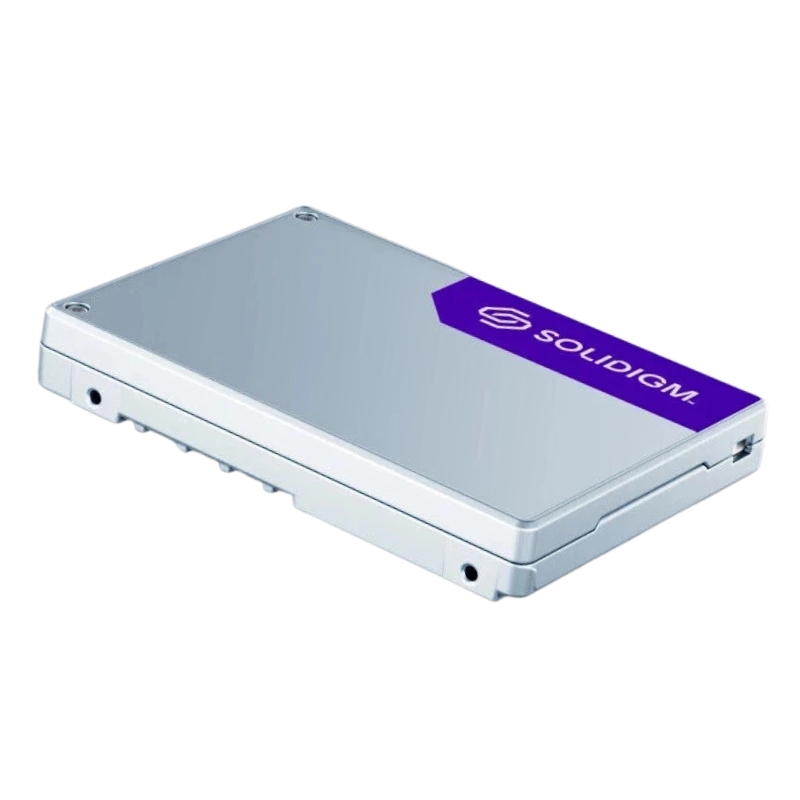


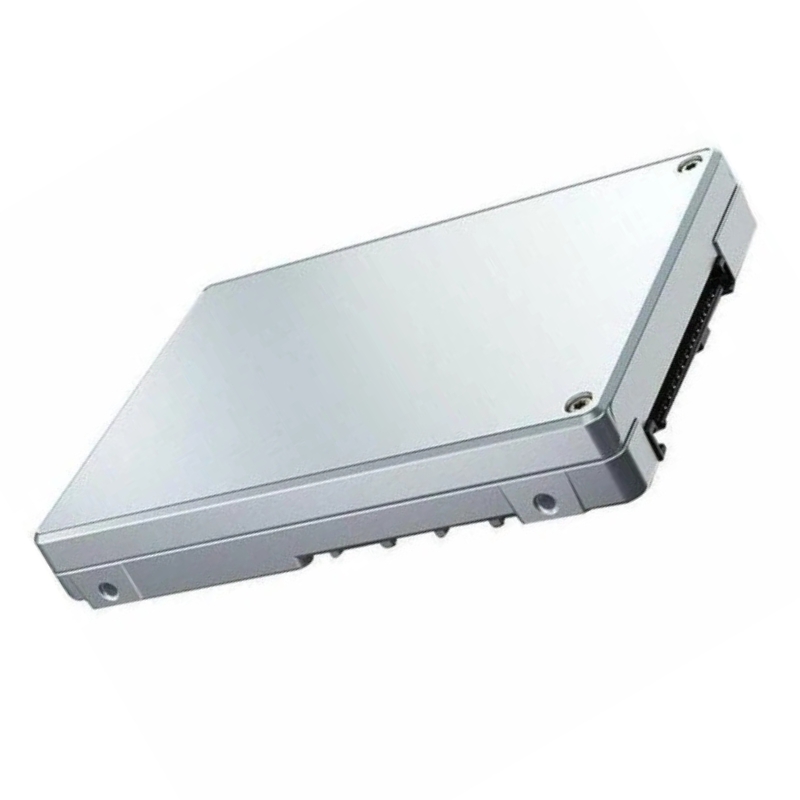
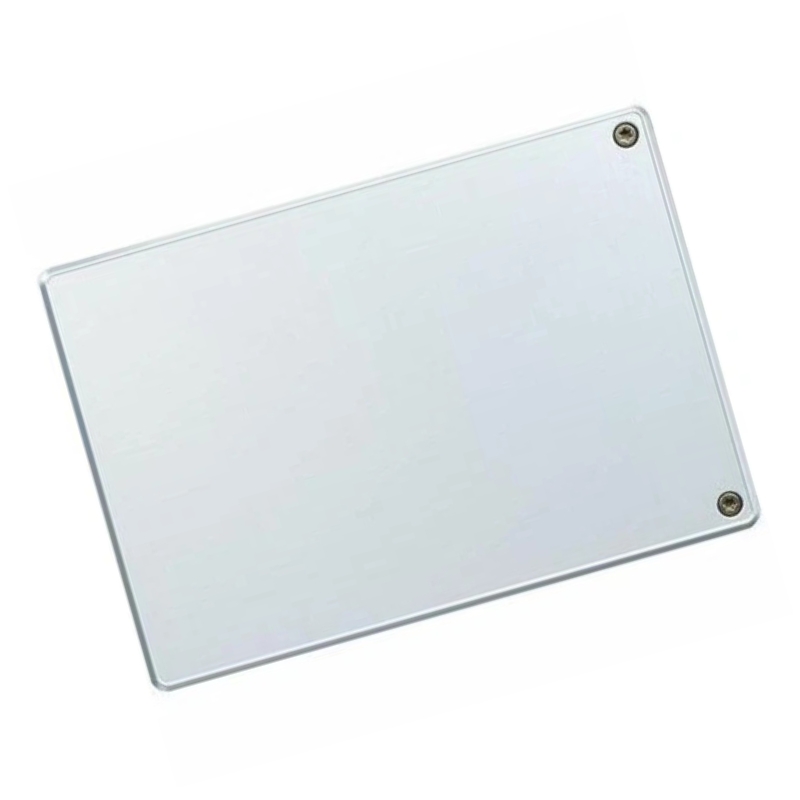
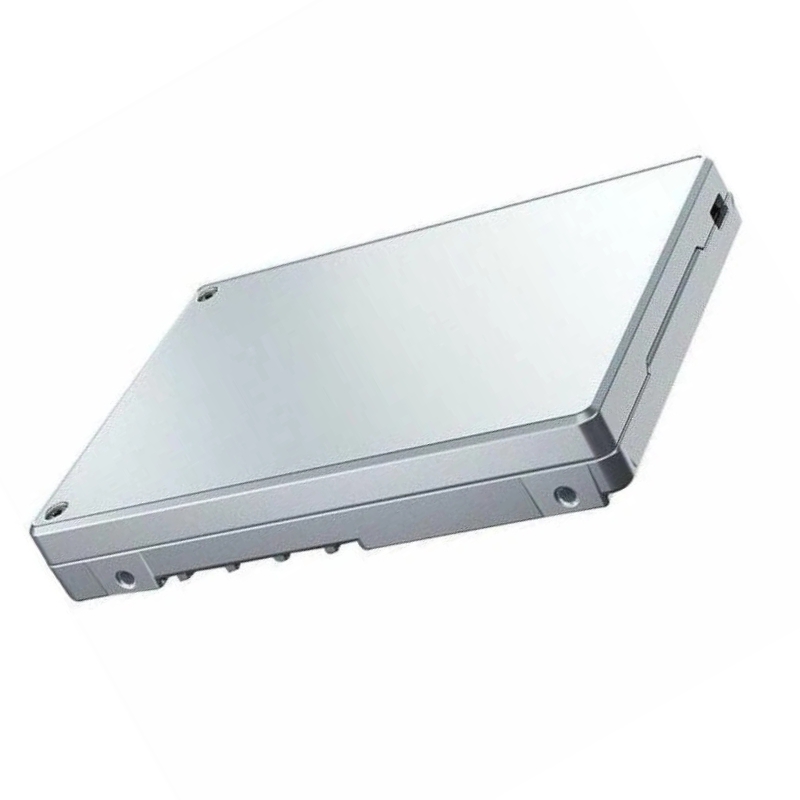
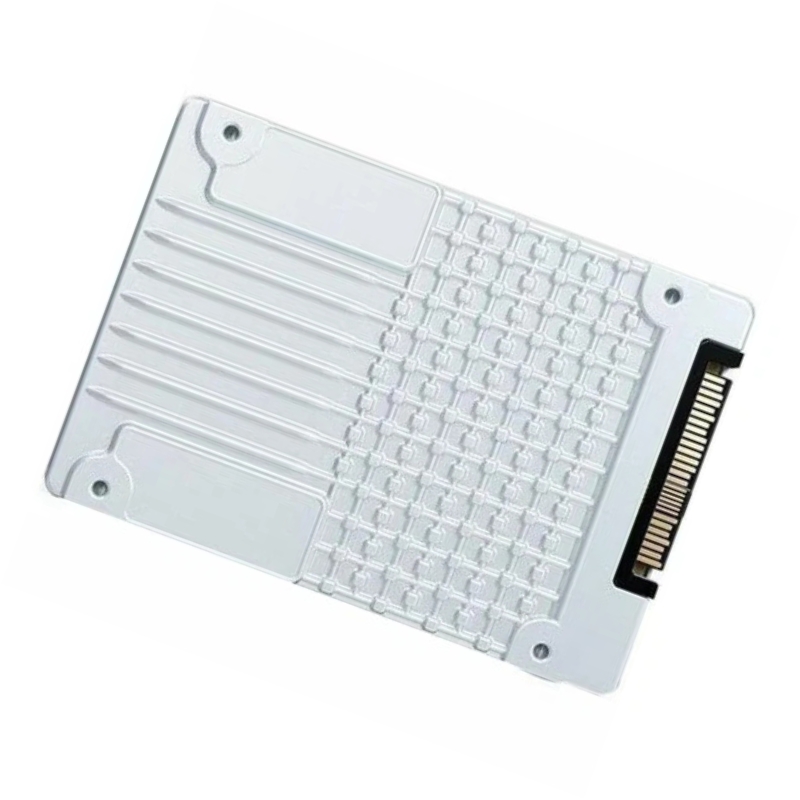
Solidigm SSDPF2KX038T1E D7-P5520 3.84TB PCIe 4.0 NVMe TLC 2.5inch Solid State Drive. Excellent Refurbished with 1 year replacement warranty - Dell Version
This high-performance solid state drive is engineered for data centers and enterprise storage systems requiring exceptional reliability and speed.
The SSDPF2KX038T1E Solidigm D7-P5520 3.84TB belongs to the enterprise NVMe storage tier that prioritizes a balance of sustained throughput, predictable latency, and drive endurance. As a 2.5-inch, PCIe 4.0 NVMe TLC drive, this model targets data center workloads that require consistent, high-bandwidth access to data without the premium cost of write-centric media. It sits alongside other high-performance datacenter SSDs but differentiates itself by tuning firmware and thermal management for mixed and read-intensive workloads where total cost of ownership (TCO), serviceability, and deployment flexibility matter.
This category uses triple-level cell (TLC) NAND combined with advanced NVMe controllers engineered for PCIe 4.0. TLC NAND provides a cost-efficient density profile while modern controllers and firmware mitigate write amplification and optimize wear-leveling, enabling endurance levels suitable for enterprise deployments. The controller orchestrates parallelism across NAND channels and executes background maintenance tasks such as garbage collection and media refresh in ways that reduce latency spikes and preserve drive performance under continuous load.
The SSDPF2KX038T1E 2.5-inch form factor balances capacity per slot with cooling and serviceability. PCIe 4.0 doubles raw link bandwidth relative to PCIe 3.0, enabling higher sequential throughput and higher IOPS at the same queue depth. For systems that support PCIe 4.0, drives in this category unlock noticeably greater data transfer rates while remaining compatible with many modern server platforms. The 2.5-inch design also simplifies deployment into hot-swap bays, blade chassis, and storage enclosures where physical compatibility and airflow management are critical.
Systems integrators should check platform BIOS/firmware and HBA/RAID compatibility when replacing or upgrading to PCIe 4.0 NVMe drives. Although the drive will operate in many PCIe 3.0 slots at reduced bandwidth, full performance requires a PCIe 4.0 host implementation and NVMe-aware operating system or firmware stack. Proper NVMe driver versions and up-to-date platform firmware reduce the risk of performance regressions and unlock advanced features such as namespace management, SMART/health telemetry, and secure erase functions.
Drives in this class are engineered to sustain high sequential and random throughput across a variety of queue depths and I/O mixes. The firmware tuning focuses on maintaining stable performance during prolonged activity, minimizing throughput erosion that can occur when background tasks and host writes contend for flash resources. That stability is particularly important for storage nodes serving large numbers of virtual machines, containers, or database clients where performance predictability directly impacts service-level objectives (SLOs).
Predictable latency, especially tail latency (e.g., 99th percentile), is a hallmark expectation for enterprise SSDs. The D7-P5520 family is positioned for environments that measure success not only by average I/O times but by worst-case latency under load. Firmware-level priorities, command arbitration, and background task management are tuned to keep latency spikes infrequent and short, which preserves application responsiveness for latency-sensitive services like transaction processing and real-time analytics.
TLC media combined with enterprise-grade firmware yields endurance ratings designed to meet the service life expectations of data center deployments. Wear-leveling, over-provisioning, and dynamic garbage collection work together to maximize usable life while delivering predictable performance. For long-lived installations and heavy-write scenarios, planning for appropriate over-provisioning and monitoring drive health via telemetry is essential to maximize lifetime and reduce unplanned replacements.
Enterprise SSDPF2KX038T1E SSDs typically include features to protect data in flight and to reduce the risk of corruption during unexpected power loss. Power-loss protection circuitry, atomic write safeguards, and end-to-end data path protection are implemented to minimize exposure to data loss during sudden power events. In addition, modern enterprise firmware includes strong error-correcting code (ECC) and background media refresh mechanisms to repair latent bit errors before they become visible to the host.
For cloud operators and hyperscalers, D7-P5520 class drives serve as workhorses in storage tiers where a balance of capacity and performance is required. Use cases include boot and image storage for large fleets of VMs, metadata storage for distributed file systems, and intermediate data staging for analytics pipelines. The predictable performance profile helps meet multitenant SLOs while lowering per-GB costs compared to higher-endurance write-optimized media.
Virtualization hosts hosting hundreds or thousands of small-to-medium VMs benefit from SSDs that maintain performance under mixed read/write I/O patterns and concurrent queues. Databases with read-heavy or read-mostly access patterns—such as OLAP systems and reference data layers—gain from the drive’s throughput characteristics while keeping latency under control. Caching layers in tiered storage architectures also leverage this category’s speed to accelerate access to frequently read data.
Analytics clusters and AI preprocessing stages often require high streaming throughput for large datasets. A PCIe 4.0 NVMe drive in a 2.5-inch chassis offers a practical compromise between density and per-slot bandwidth. Content delivery networks and edge caching appliances that need durable, high-capacity storage with strong read performance also fit into this deployment profile.
Thermal management is critical for maintaining consistent performance and reliability. Dense server and storage enclosures must provide adequate airflow across 2.5-inch drive bays and avoid hotspots that trigger thermal throttling. Drive manufacturers typically publish operating temperature ranges and thermal throttling thresholds; integrators should follow rack layout best practices, use drive carriers designed for airflow, and monitor temperature telemetry to prevent sustained thermal events that degrade performance.
Enterprise SSDs are engineered to deliver high performance within constrained power budgets. Power-efficient controller designs and firmware that balance performance and energy consumption help lower datacenter operational costs. At the same time, integrated power-loss protection mechanisms ensure that metadata and in-flight writes are protected during unexpected outages. For deployments with tight power constraints—edge sites or air-cooled clusters—selecting drives that match platform power envelopes reduces the need for thermal mitigation and enables denser packing.
Security features for enterprise drives may include secure erase, cryptographic erase, and support for TCG-compliant encryption standards. These capabilities are valuable for data center operations where drives are repurposed or decommissioned. Administrators should coordinate drive-level encryption features with system-level key-management policies to ensure cryptographic controls integrate with organizational compliance and regulatory requirements.
Enterprises often require that drives meet certain certifications or testing profiles for use in regulated environments. While the drive category provides a foundation of robust engineering, businesses must map drive capabilities to their compliance controls—whether physical destruction, cryptographic erasure, or documented chain-of-custody for media retirement. Confirming vendor warranty terms and available replacement options is also part of compliance-driven procurement.
TLC NAND in a PCIe 4.0 NVMe drive delivers a balanced approach: more cost-effective per gigabyte than write-heavy media and higher performance than SATA-based options. Compared to higher-endurance media (like certain enterprise-grade QLC or SLC/MLC options), the D7-P5520 class is often the right choice when mixed workloads and capacity efficiency are required. For write-dominant workloads with extreme endurance needs, operators might consider alternative families designed specifically for heavy writes; conversely, for cold storage or archival tiers, lower-cost SATA or QLC solutions may be more appropriate.
Many large-scale designs use a tiered storage approach, combining high-performance NVMe drives for active data with lower-cost media for colder tiers. In such hybrids, the SSDPF2KX038T1E D7-P5520 class serves as an active tier providing fast access to working sets, smoothing I/O peaks for downstream storage layers, and reducing the load on backend capacity drives. The tiered approach optimizes cost without compromising application performance where it matters most.
Proper capacity planning is essential to prevent performance regressions due to sustained high utilization. Over-provisioning—allocating a portion of the drive as reserved capacity—improves write efficiency and endurance by providing the controller more space to manage garbage collection and wear leveling. In enterprise deployments, a combination of logical over-provisioning and firmware-level spare allocation strikes the best balance between usable capacity and long-term performance stability.
Before rolling a new drive family into production, conduct validation tests that mirror real-world application patterns. Synthetic benchmarks can expose peak throughput limits, while replaying captured production workloads reveals behavior under mixed concurrency and tail-latency conditions. Validating firmware update procedures, secure erase flows, and failure handling in test clusters reduces the risk of surprises during a full-scale migration.
The SSDPF2KX038T1E Solidigm D7-P5520 3.84TB exemplifies a practical enterprise NVMe option for organizations that require a strong balance of capacity, performance, and cost-efficiency. Its 2.5-inch form factor and PCIe 4.0 interface make it a versatile choice for modern server platforms; its TLC-based architecture and enterprise-focused firmware deliver predictable throughput and latency characteristics that are crucial for multitenant and mission-critical workloads. Combined with robust telemetry and data-protection features, this class provides a reliable foundation for active data tiers in cloud, virtualization, analytics, and caching applications.
As deployments scale, integrate drive telemetry into centralized observability platforms, automate replacement workflows, and periodically reassess storage tiering strategies to ensure that the D7-P5520 family continues to deliver optimal value relative to newer media classes. Regularly revisit firmware updates and validate them in staging environments so performance and reliability improvements are applied safely across the fleet.


 Contact Us
 Information
 Catalog
 Solid State Drives (SSD)
 Network Switches
 Hard Disk Drives
 HBA & Controllers
 PC & Servers
 PC & Server Memory
 CPU & Processors
 Network Routers
 Power Supplies
 Tape Drives & Libraries
 Network Devices
 Computer & Network Cables