(7% discount is applied at checkout)
Cart is empty
Your go-to destination for cutting-edge server products
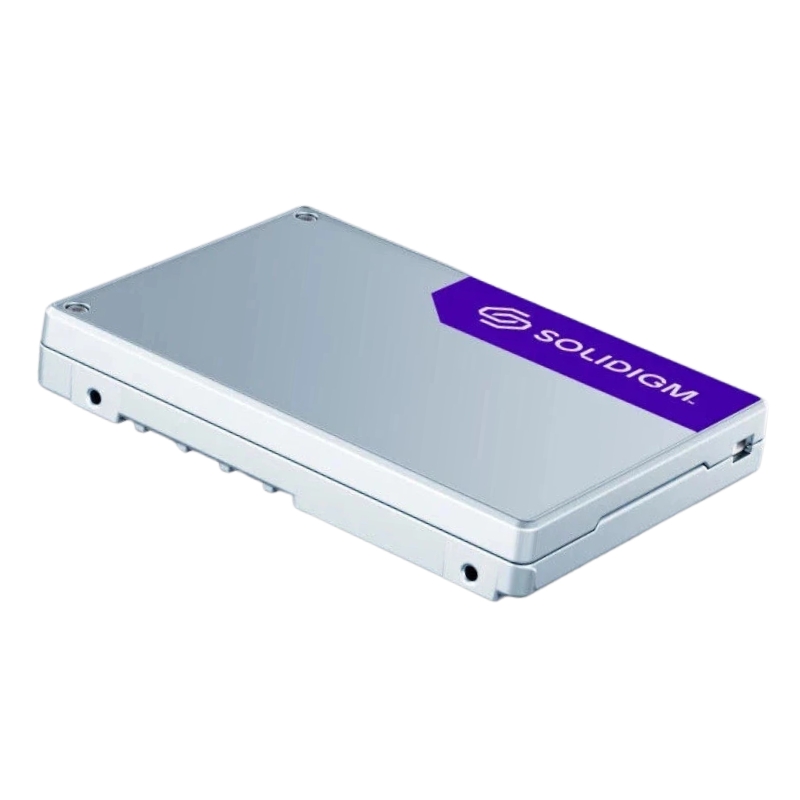


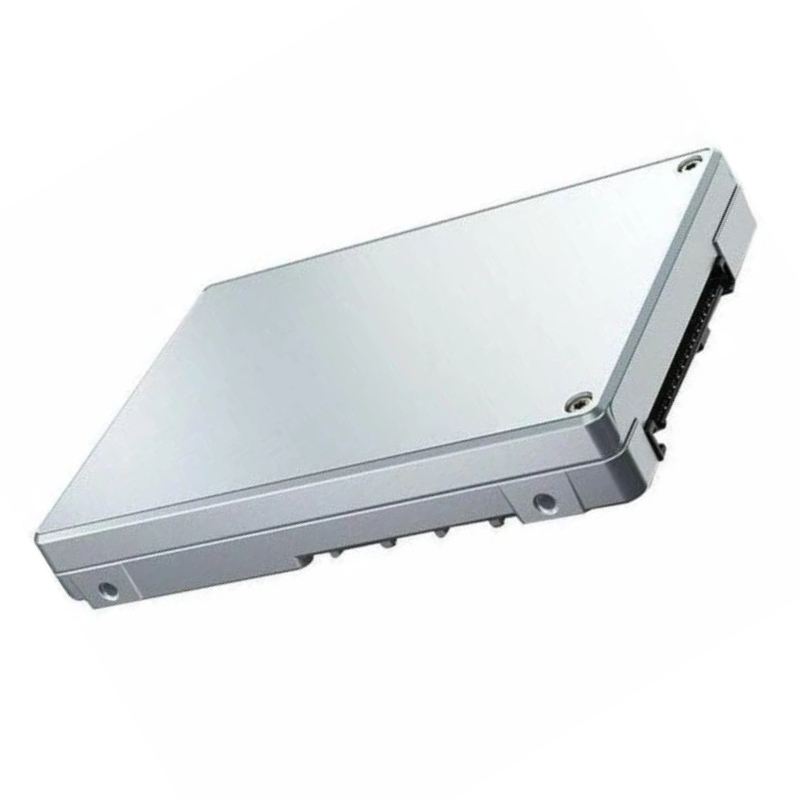
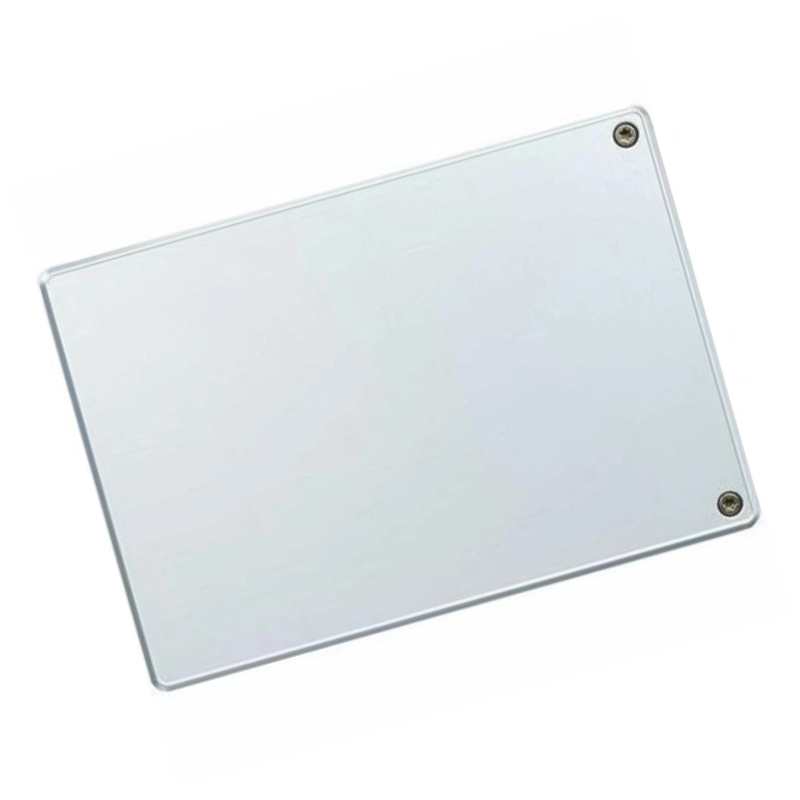
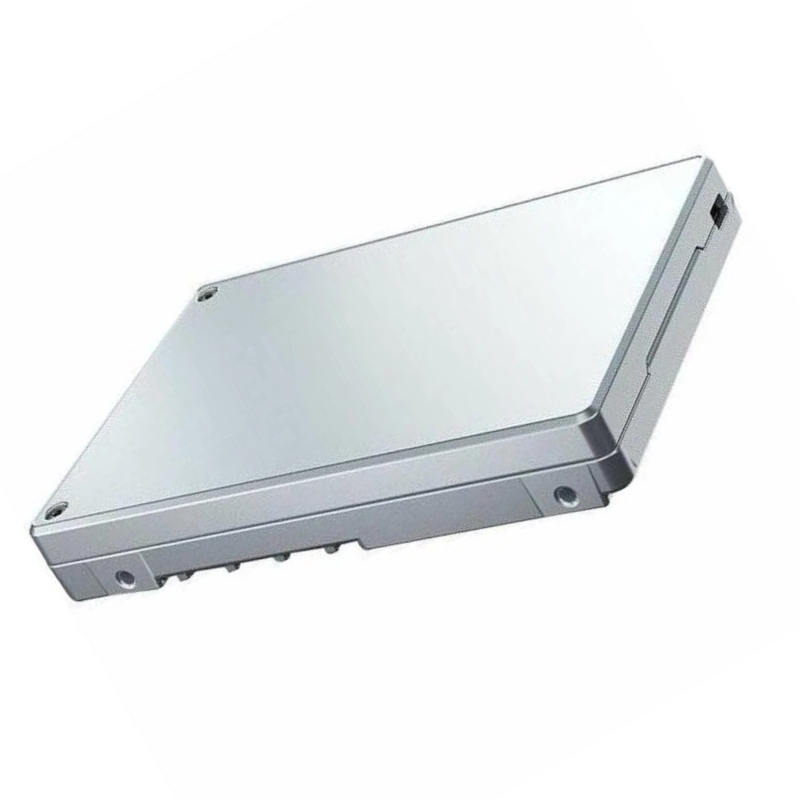
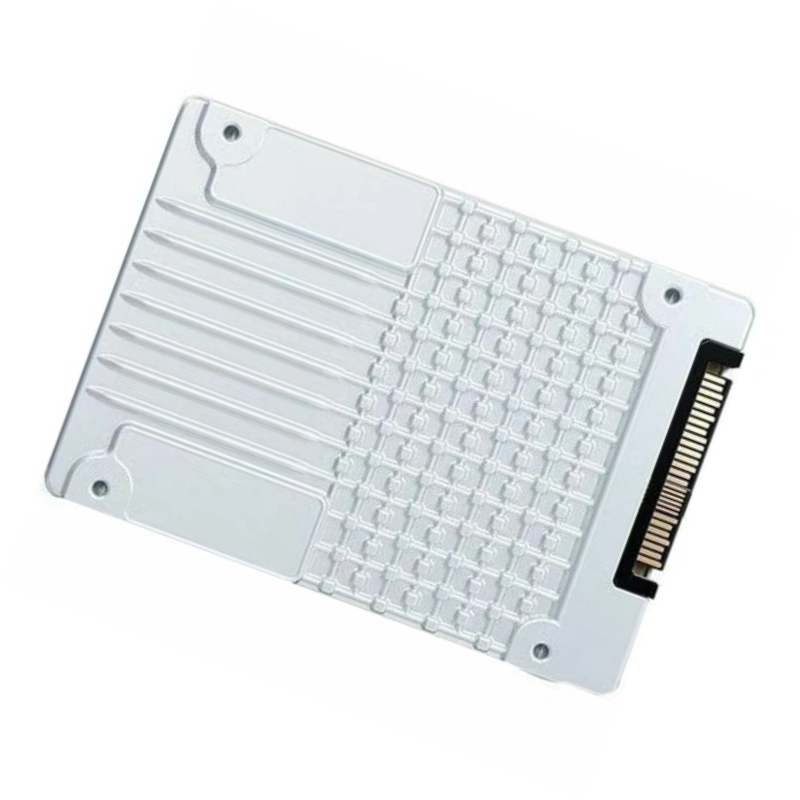
Solidigm SSDPF2KX076T1E D7-P5520 7.68TB PCIe 4.0 3d Nand TLC 2.5inch NVMe Solid State Drive. Excellent Refurbished with 1 year replacement warranty - Dell Version
Experience unparalleled data storage performance with the SOLIDIGM D7-p5520, a high-capacity U.2 form factor drive engineered for demanding enterprise environments.
The SSDPF2KX076T1E Solidigm D7-P5520 7.68TB PCIe 4.0 3D NAND TLC 2.5-inch NVMe solid state drive represents a high-capacity, high-throughput storage option designed specifically for enterprise-class workloads. Engineered for demanding data center environments, the D7-P5520 balances maximum throughput, predictable latency, and strong endurance characteristics. This continuous category description explores the technical attributes, real-world use cases, deployment and management considerations, comparative positioning, and procurement and lifecycle aspects that are most relevant to IT procurement teams, system architects, and storage administrators seeking a reliable, high-density NVMe U.2 / 2.5-inch form factor drive for read-intensive and mixed enterprise workloads.
The Solidigm SSDPF2KX076T1E D7-P5520 leverages PCIe 4.0 interface bandwidth to deliver significant improvements in read and write throughput compared with PCIe 3.0 predecessors. Built using 3D NAND TLC memory and enterprise-grade controllers and firmware, the D7-P5520 is tuned for sustained performance at scale. Its 2.5-inch NVMe U.2 form factor makes it compatible with a wide range of servers and storage enclosures that require hot-swap capability and dense rack-level capacity.
The controller in the D7-P5520 family is designed to orchestrate parallel access across multiple NAND channels, optimizing queue depth handling and garbage collection to sustain consistent throughput. Combined with multilayer 3D TLC NAND, the architecture focuses on delivering a cost-efficient balance between raw capacity and durability. For enterprise buyers, this means a drive that can achieve high sequential reads and strong random I/O performance while keeping endurance metrics suitable for mixed or read-heavy enterprise workloads.
PCIe 4.0 doubles the per-lane bandwidth of PCIe 3.0, unlocking higher sequential throughput and greater IOPS headroom without increasing CPU overhead. For the SSDPF2KX076T1E D7-P5520, this translates into accelerated data ingest, faster database query response, and reduced runtime for analytics jobs that are storage-bound. Systems using PCIe 4.0-capable hosts will extract the most benefit, particularly in multi-drive NVMe arrays where cumulative bandwidth is a limiting factor for legacy interfaces.
Performance for enterprise SSDs is multidimensional—sequential read/write throughput, random 4K/8K IOPS, sustained performance under heavy mixed loads, and consistency of latency are all essential metrics. The Solidigm D7-P5520 is optimized to offer industry-competitive sequential bandwidth for large-block transfers while also delivering strong random IOPS for small-block, transactional workloads.
One of the distinguishing features of enterprise-class drives is not just peak throughput but consistency of performance, especially under load. The D7-P5520 places emphasis on predictable tail latency behavior to ensure SLAs for latency-sensitive applications such as databases, virtualization platforms, and real-time analytics. Predictable latency helps avoid unpredictable application slowdowns when the system is under stress or during background maintenance operations like mapping and garbage collection.
Real-world data centers rarely run pure sequential or pure random workloads; instead, they run mixed I/O patterns that blend reads, writes, and background management. The D7-P5520’s firmware is tuned for mixed read/write patterns common to enterprise applications, providing a reliable balance between throughput and endurance across sustained operational windows.
At 7.68TB per drive, the SSDPF2KX076T1E offers a practical granularity for dense storage arrays and high-capacity caching layers. Capacity selection in enterprise infrastructure must always be balanced against endurance requirements, measured in drive writes per day (DWPD) or total bytes written (TBW). The D7-P5520 series is engineered to provide the endurance necessary for many read-intensive and mixed workloads while maximizing capacity-per-U.2 slot.
Enterprise SSDs include features beyond raw performance: power-loss protection, end-to-end data path protection, and advanced ECC (error-correcting code). These features reduce the chance of data corruption during unexpected power events or during internal controller operations, giving IT teams confidence that critical datasets remain intact. The D7-P5520 is constructed to include such enterprise reliability features appropriate for mission-critical deployments.
Understanding where the SSDPF2KX076T1E D7-P5520 provides the best return on investment helps guide purchasing and architecture decisions. This drive fits into several key deployment scenarios across the enterprise stack.
For transactional database workloads that require low latency and high IOPS, the D7-P5520 can serve as primary storage for performance-sensitive tablespaces. Its consistent random performance and low tail latency characteristics help reduce query response times and improve transaction throughput for relational and NoSQL databases.
Virtualized environments and virtual desktop infrastructure (VDI) have unpredictable and bursty I/O patterns. The Solidigm D7-P5520 provides the responsiveness required to service many concurrent virtual machines while maintaining acceptable boot storm behavior and desktop responsiveness in VDI pools.
When used as a cache tier in hybrid storage architectures, the SSDPF2KX076T1E D7-P5520 accelerates access to hot data, reducing load on slower HDD tiers and improving overall application performance. Its high capacity also makes it suitable for larger cache windows where more data can remain in a fast-access tier.
Analytics jobs and log indexing pipelines often perform sequential scans and heavy parallel reads. The drive’s sequential bandwidth and sustained performance make it an effective choice for data-in-motion tasks such as indexing, map/reduce operations, and log aggregation where throughput and capacity are both important.
Although the drive uses a 2.5-inch, U.2-style mechanical form factor and NVMe protocol, successful integration requires attention to host platform capabilities, cabling, and firmware compatibility. System architects should verify that server backplanes, NVMe enclosures, and RAID/HBA controllers (if used in front of NVMe fabrics) support NVMe and PCIe 4.0 operation, or accept a PCIe 3.0 fallback with corresponding performance impacts.
NVMe has become the standard protocol for high-performance flash storage in servers. The D7-P5520 adheres to NVMe specifications and works seamlessly with modern operating systems and hypervisors that include NVMe drivers. For multi-drive arrays, NVMe-oF (NVMe over Fabrics) infrastructures can extend the benefits of NVMe performance over RDMA or TCP networks; however, designers must validate network and fabric latency characteristics against application SLAs.
Self-encrypting drive (SED) functionality simplifies data protection by encrypting data at the drive level. For enterprises with regulatory or compliance requirements, hardware encryption combined with proper key management reduces the risk surface in the event of drive removal or decommissioning. Administrators should align SED policies with corporate key management systems and verification processes.
When evaluating the D7-P5520 against competitor drives or other Solidigm models, several decision factors should guide the selection: raw capacity per drive, DWPD/TBW endurance ratings, read/write performance balance, latency consistency, and total cost of ownership. Positioning the D7-P5520 effectively requires comparing these attributes against workload requirements, existing infrastructure, and growth forecasts.
Higher capacity models that use TLC NAND provide excellent cost-per-terabyte but may have lower endurance ratings compared with drives built on higher-endurance QLC or enterprise-grade SLC/MLC technologies. For primarily read-heavy environments, the D7-P5520’s TLC-based design typically offers the best balance between cost and durability. For extremely write-heavy workloads, evaluate drives with higher endurance ratings or consider mixing drive types across tiers.
Secure decommissioning processes should be established for drives that reach end-of-life or are removed from production. This includes secure erase procedures, cryptographic key disposal where applicable, and clear chain-of-custody records for drives being recycled or destroyed. Many organizations include hardware destruction or certified wipe procedures in their asset disposition policies to ensure data privacy and regulatory compliance.
While classic RAID controllers are less common with NVMe-centric builds, software-defined RAID, host-side RAID, or erasure coding at the storage stack level can provide redundancy and resilience. When grouping drives, balance capacity and performance across nodes and ensure the chosen redundancy method aligns with recovery time and performance requirements.
Even with high-reliability SSDs, a robust backup and HA strategy is non-negotiable. Combine on-premises replication, snapshotting, and off-site backups to meet RPO and RTO targets. For mission-critical systems, consider synchronous replication or active-active clustering to reduce failover complexity.
Energy efficiency becomes material at scale. Drives that deliver more terabytes per U.2 slot reduce the number of populated drive bays and corresponding power draw and cooling load. Consolidation effects at the rack and data center level can be a major contributor to long-term cost savings.
For certain workloads, the reduction in application runtime and faster data processing translate directly into business value—shorter batch windows, faster analytics cycles, and improved end-user experience. These performance-driven benefits should be quantified and compared to the incremental cost of higher-performing SSDs to establish ROI for procurement decisions.


 Contact Us
 Information
 Catalog
 Solid State Drives (SSD)
 Network Switches
 Hard Disk Drives
 HBA & Controllers
 PC & Servers
 PC & Server Memory
 CPU & Processors
 Network Routers
 Power Supplies
 Tape Drives & Libraries
 Network Devices
 Computer & Network Cables