(7% discount is applied at checkout)
Cart is empty
Your go-to destination for cutting-edge server products
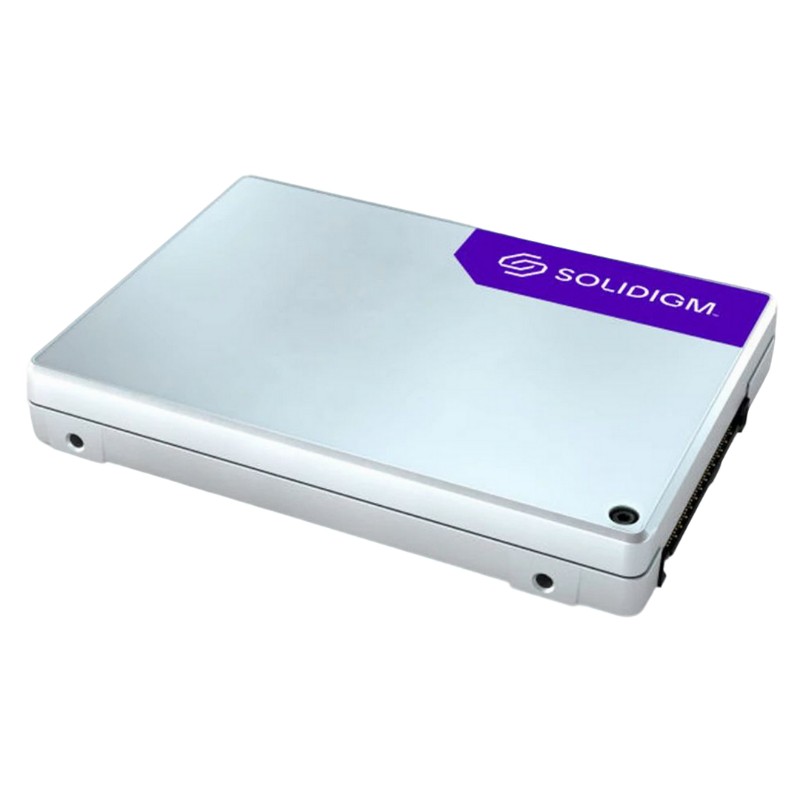


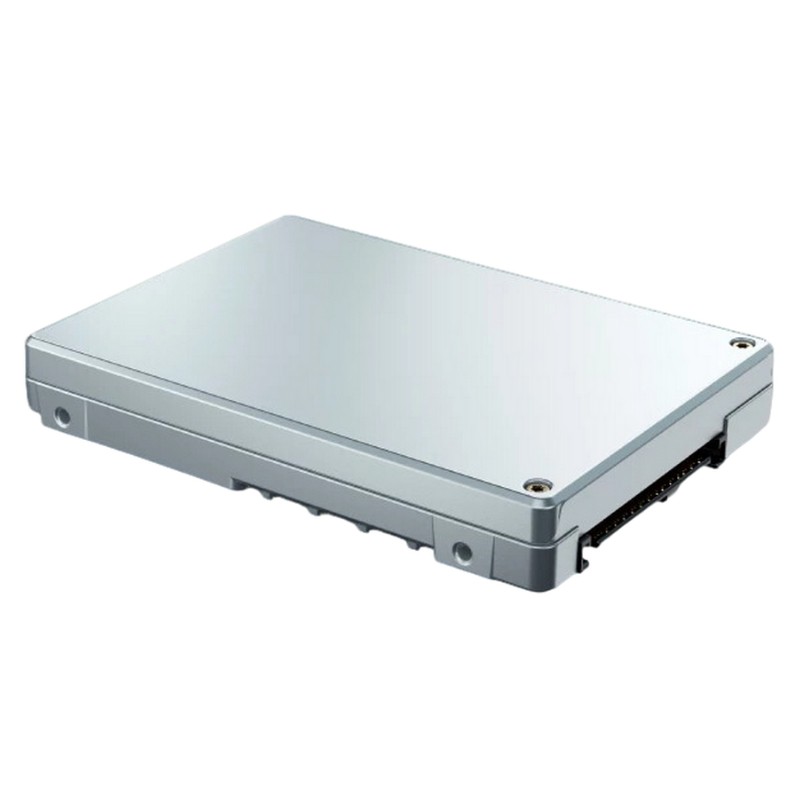
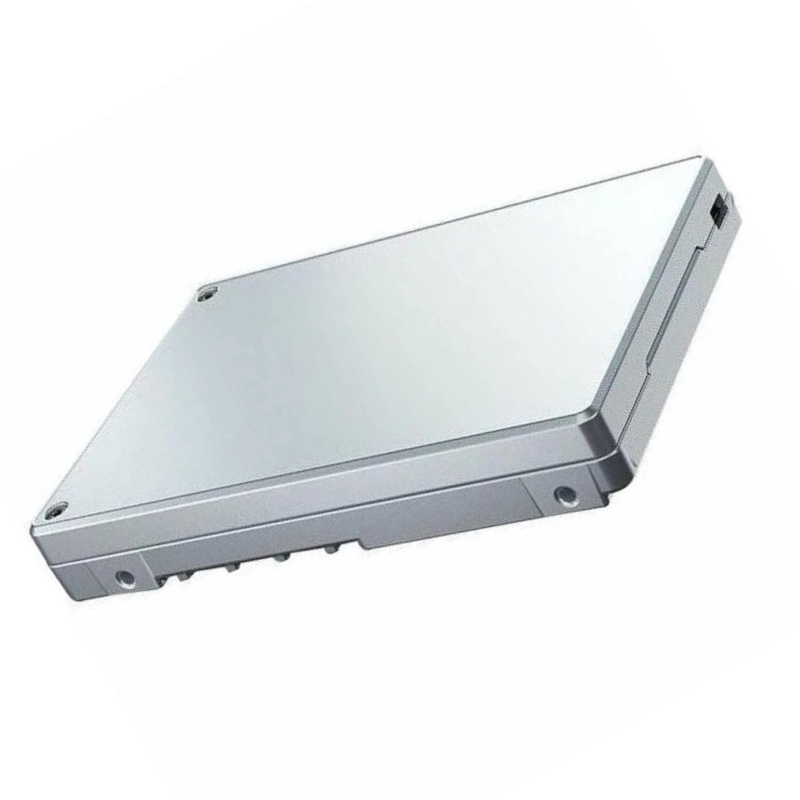
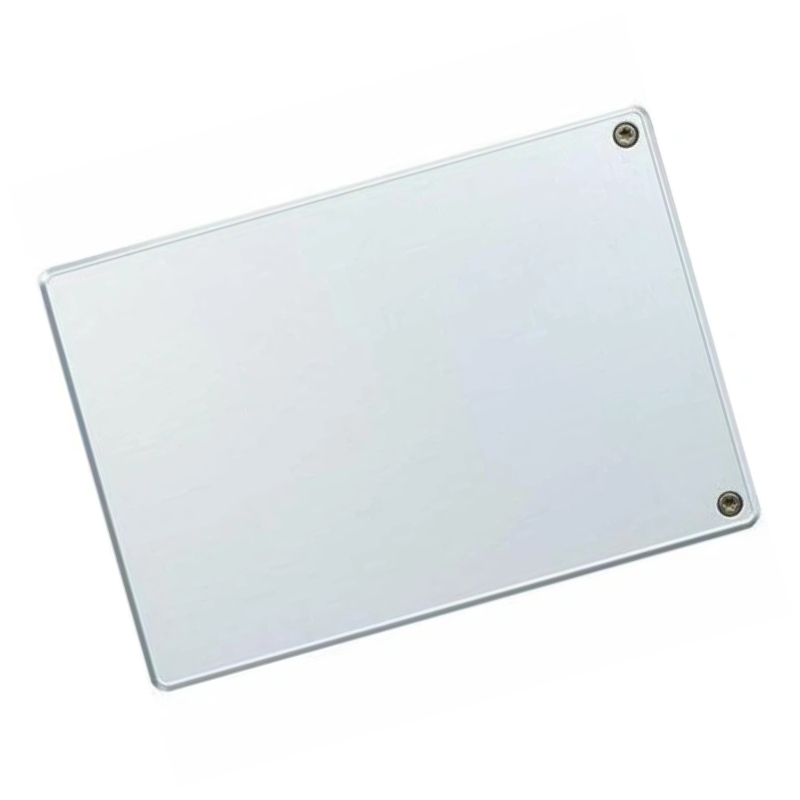
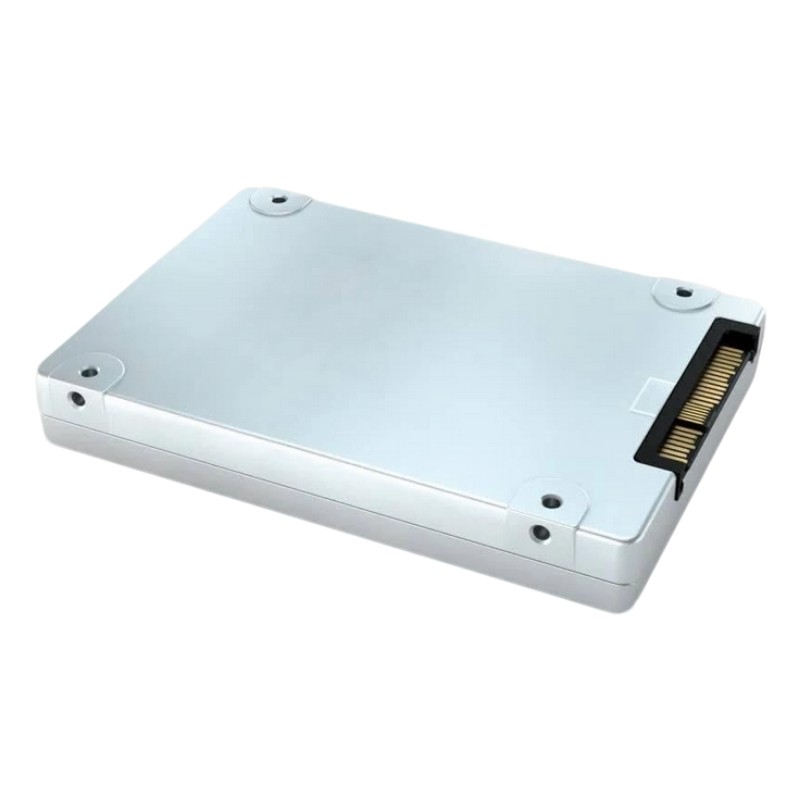
Solidigm SSDPF2KX153T1G PCIe Gen4 NVMe 15.36TB U.2 Read Intensive TLC 2.5inch SSD. Excellent Refurbished with 1 year replacement warranty - Dell Version
This Dell unit represents a high-performance storage solution engineered for demanding read-centric workloads, delivering exceptional reliability and speed. The SOLIDIGM D7-P5520, bearing part number SSDPF2KX153T1G, is a formidable 15.36TB solid-state drive. Housed in a 2.5-inch U.2 15mm form factor, it leverages the PCI Express Gen 4.0 x4 interface with NVMe protocol for maximum throughput. This drive is architected around advanced 144-layer 3D TLC NAND technology and features OPAL security management.
The SSDPF2KX153T1G Solidigm PCIe Gen4 NVMe 15.36TB U.2 Read Intensive TLC 2.5inch SSD represents a high-density storage option designed for enterprise applications that prioritize high throughput, low latency, and efficient power and thermal management. Built on PCIe Gen4 x4 NVMe architecture and offered in a U.2 2.5" form factor, this drive targets data center workloads such as caching layers, content distribution, analytics, and large-scale read-heavy databases. The product name and SKU—SSDPF2KX153T1G—reflect a class of Solidigm drives optimized for read-intensive endurance profiles while delivering scalable capacity and consistent performance across demanding production environments.
The PCIe Gen4 interface doubles the per-lane bandwidth compared with PCIe Gen3, enabling substantially higher sequential and random I/O performance when paired with a compatible host platform. The Solidigm SSDPF2KX153T1G leverages NVMe command sets to reduce protocol overhead and improve IOPS per watt, making it especially effective for latency-sensitive read operations. Expect sustained sequential read throughput appropriate for high-bandwidth streaming and fast random read IOPS for serving small files or database index lookups. Built with TLC NAND that is tuned for a read-intensive workload profile, this drive balances cost, capacity, and performance, positioning it between maximum endurance enterprise SSDs and lower-cost client drives.
In practice, PCIe Gen4 SSDs like the SSDPF2KX153T1G achieve notable improvements in both sequential bandwidth and random read latency compared to older generations. The drive’s firmware and controller implement advanced features such as intelligent I/O scheduling, background garbage collection and adaptive thermal throttling to maintain consistent, low latency under mixed loads. This consistent latency is crucial for distributed storage systems, search and recommendation engines, and real-time analytics where tail latency can directly affect application responsiveness.
At 15.36TB raw capacity in a 2.5" U.2 package, SSDPF2KX153T1G enables high rack-level storage density when used in U.2 NVMe servers, storage arrays, or converged infrastructure. Higher per-drive capacities reduce the number of hosts or sleds required to reach a given usable capacity, which in turn lowers the total cost of ownership (TCO) for data center operators because of fewer servers, reduced maintenance overhead and lower aggregate power and cooling demands. The read-intensive TLC NAND makes this SKU attractive when the workload is dominated by reads, allowing organizations to allocate higher cost per gigabyte only where endurance requirements truly justify it.
The SSDPF2KX153T1G is particularly well suited for the following classes of workloads: large-scale web content caches, CDN edge servers, analytics clusters performing heavy query reads, OLAP databases, virtual desktop infrastructure read-heavy golden images, and cold-to-warm tier storage within a multi-tier architecture. It is also a strong candidate for application acceleration layers, such as read caches in front of slower disk tiers or as a hot-data cache in hyperconverged infrastructures. While not optimized for the write-intensive extremes of certain logging or telemetry systems, its capacity and read performance make it an efficient component of hybrid storage tiers.
Although classified as read-intensive, the SSDPF2KX153T1G still includes enterprise-grade reliability features: power-loss protection mechanisms, error-correction code (ECC), health reporting via SMART and NVMe telemetry, and firmware features that extend useful life and maintain data integrity. Administrators should combine drive-level resiliency with system-level protections: RAID or erasure coding across drives, automated failover, frequent snapshots for critical data, and monitoring tools that track endurance metrics such as DWPD (Drive Writes Per Day), remaining life percentage, media health and spare block counts. For workloads with unpredictable write bursts, provisioning policies and monitoring thresholds should be established to avoid exceeding the drive’s write endurance characteristics.
U.2 2.5" form factor drives provide mechanical compatibility with many server drive bays and sleds but require attention to airflow and thermal dissipation in dense deployments. The Solidigm SSDPF2KX153T1G employs thermal throttling thresholds to protect NAND and the controller from overheating; however, sustained heavy reads at maximum throughput can still create elevated drive temperatures. Rack designers should ensure adequate front-to-back airflow, avoid obstructing drive bays, and leverage system fan profiles that respond to drive thermal telemetry. From a power perspective, NVMe Gen4 drives may draw more peak power under heavy I/O than legacy SATA drives, so power budget calculations are required when specifying PSUs and planning high-density enclosures.
Enterprise SSDs often contain built-in security features such as AES-256 encryption in hardware, secure erase commands and secure boot linkages in the firmware chain of trust. The SSDPF2KX153T1G includes support for data-at-rest encryption to protect sensitive datasets without incurring external encryption overhead. Integration with host key management and storage encryption key (SEK) infrastructure is recommended to meet compliance regimes and internal data governance policies. For regulated sectors, administrators should validate that encryption modes, erase procedures and audit logs satisfy industry or regional compliance requirements.
Secure decommissioning of high-capacity SSDs requires deliberate sanitization steps. The SSDPF2KX153T1G supports secure erase functions in NVMe, but organizations should follow vendor guidance combined with regulatory mandates. Maintain chain-of-custody documentation when drives leave the facility and consider physical destruction for drives that handled regulated or ultra-sensitive data. Establishing a data destruction policy that aligns with retention schedules ensures both compliance and reduced exposure to data leakage.
When evaluating storage architectures, choose the drive type that best matches workload characteristics. Compared to lower-cost QLC SSDs, the TLC NAND in this Solidigm model provides better sustained performance and write endurance for read-dominated patterns. Compared to NVMe in E1.S or E3.S short-length form factors, U.2 offers hot-swap convenience and straightforward replacement within many existing server fleets. For maximum IOPS per dollar in read-heavy applications, the SSDPF2KX153T1G often provides a compelling balance of capacity and sustained read throughput versus smaller, ultra-high-endurance drives that are optimized for write-dominant workloads.
For Kubernetes or similar platforms, set storage class parameters that reflect the read-intensive profile of the drive. Tune the CSI driver and provisioner to expose key QoS attributes. In virtual machine infrastructures, align guest disk queues and NVMe drivers to reduce virtualized latency. For hyperconverged infrastructures, use locality-aware placement to keep hot datasets on nodes equipped with these NVMe drives, and provision replication policies that balance availability with capacity efficiency.
Field deployments of high-capacity read-intensive NVMe SSDs commonly show substantial application performance gains when storage bottlenecks were previously network or disk bound. However, real gains depend on removing other system constraints: CPU, memory, network and software stack tuning must accompany the storage change. In many successful rollouts, teams perform pre-deployment benchmarking, create thermal profiles under peak load, and implement continuous monitoring to detect early signs of performance degradation or thermal contention.
To maintain sustained performance, disable unnecessary host background tasks that compete for I/O, tune filesystem mount options for NVMe workloads, and use write-coalescing or buffering layers where appropriate to smooth write bursts. Enable host TRIM/Deallocate support when the storage stack benefits from it, and configure firmware-recommended overprovisioning if predictable performance under mixed loads is required. Finally, establish maintenance windows for non-disruptive firmware updates and ensure metric baselines are captured before and after changes.


 Contact Us
 Information
 Catalog
 Solid State Drives (SSD)
 Network Switches
 Hard Disk Drives
 HBA & Controllers
 PC & Servers
 PC & Server Memory
 CPU & Processors
 Network Routers
 Power Supplies
 Tape Drives & Libraries
 Network Devices
 Computer & Network Cables