(7% discount is applied at checkout)
Cart is empty
Your go-to destination for cutting-edge server products
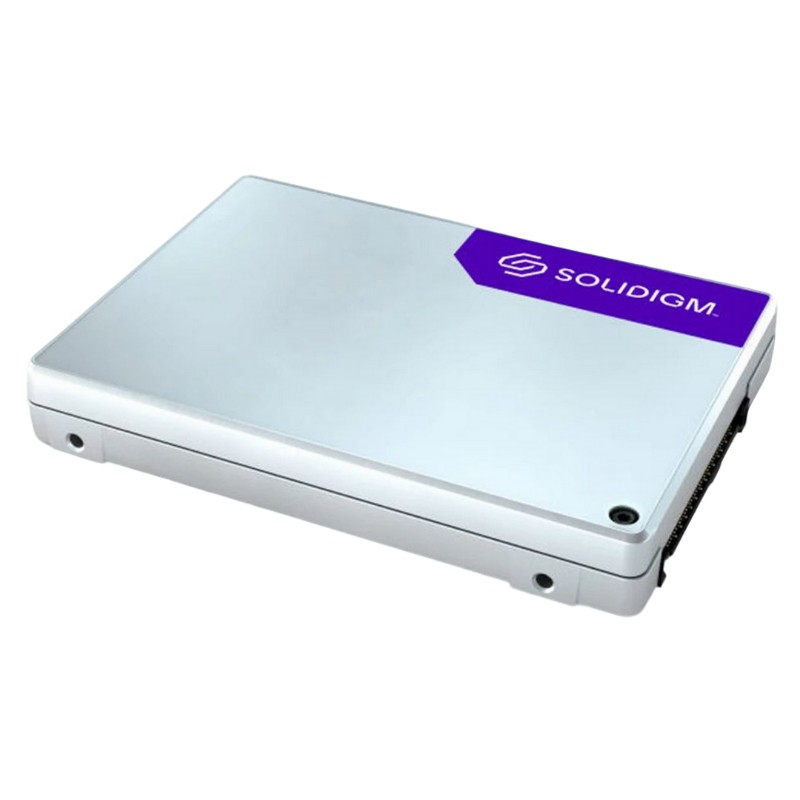


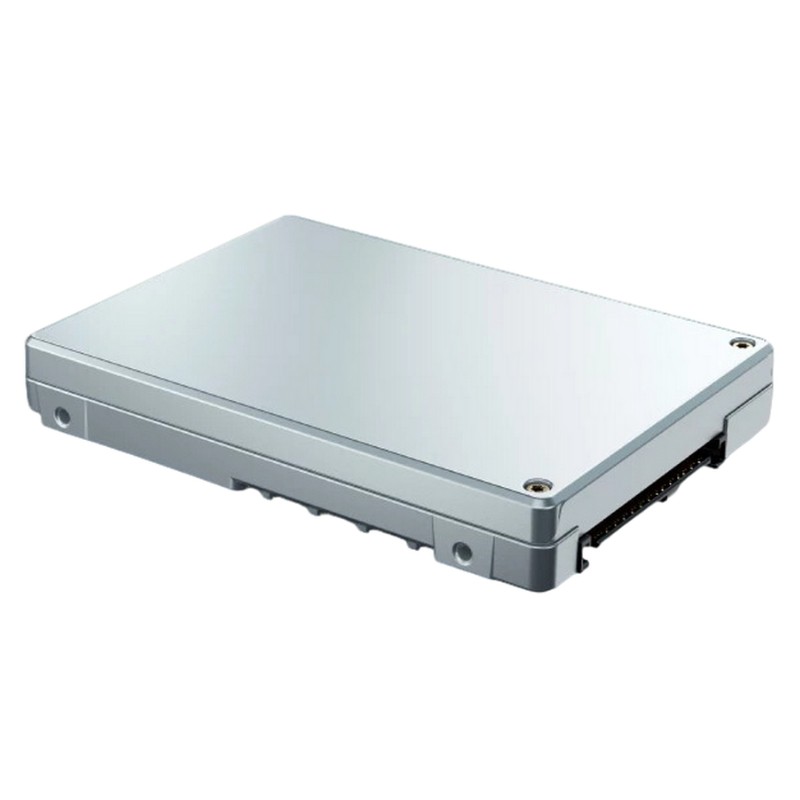
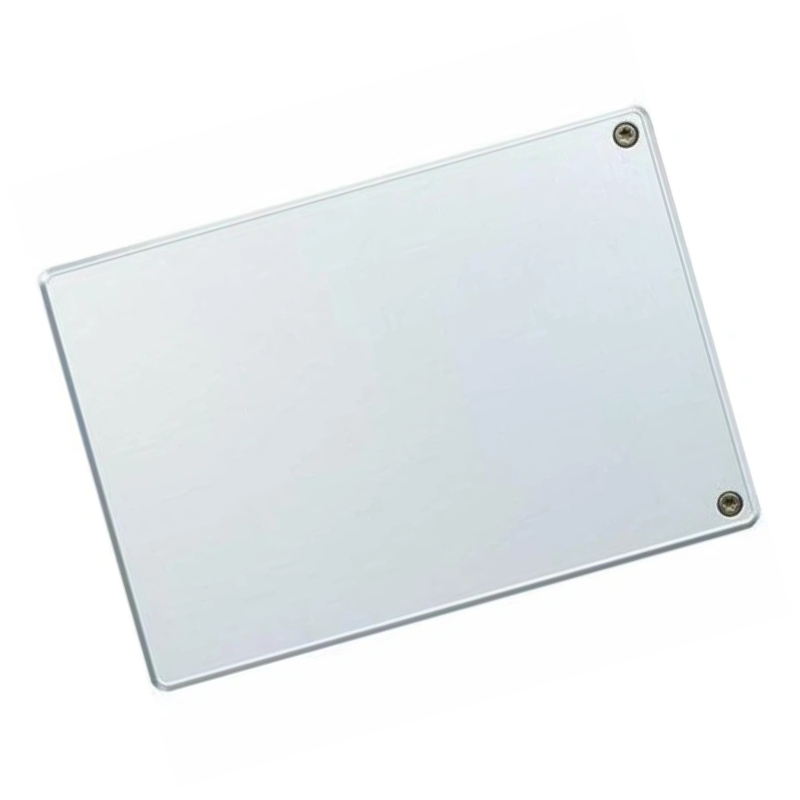
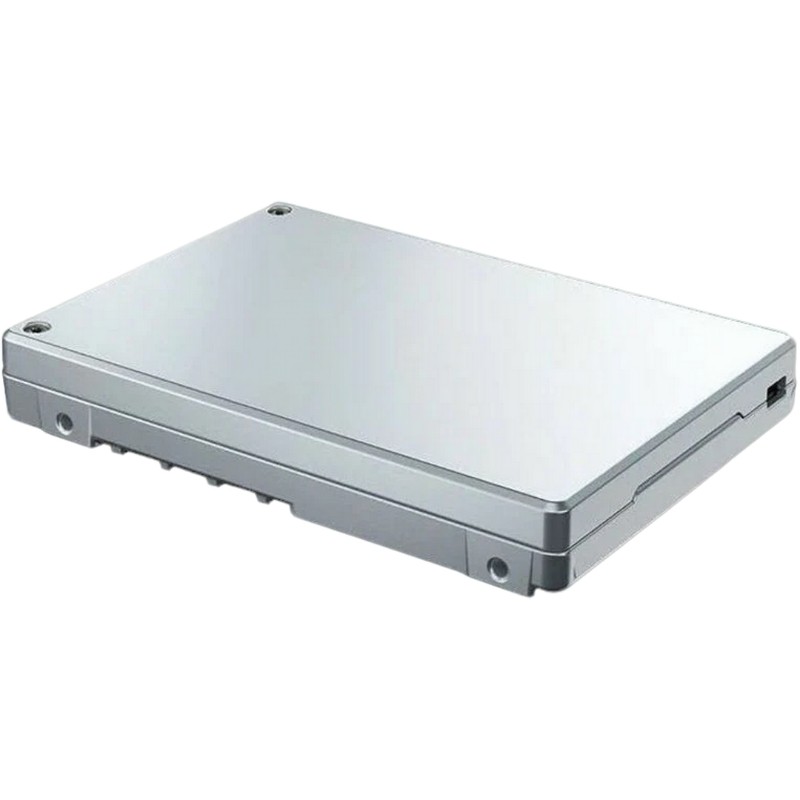
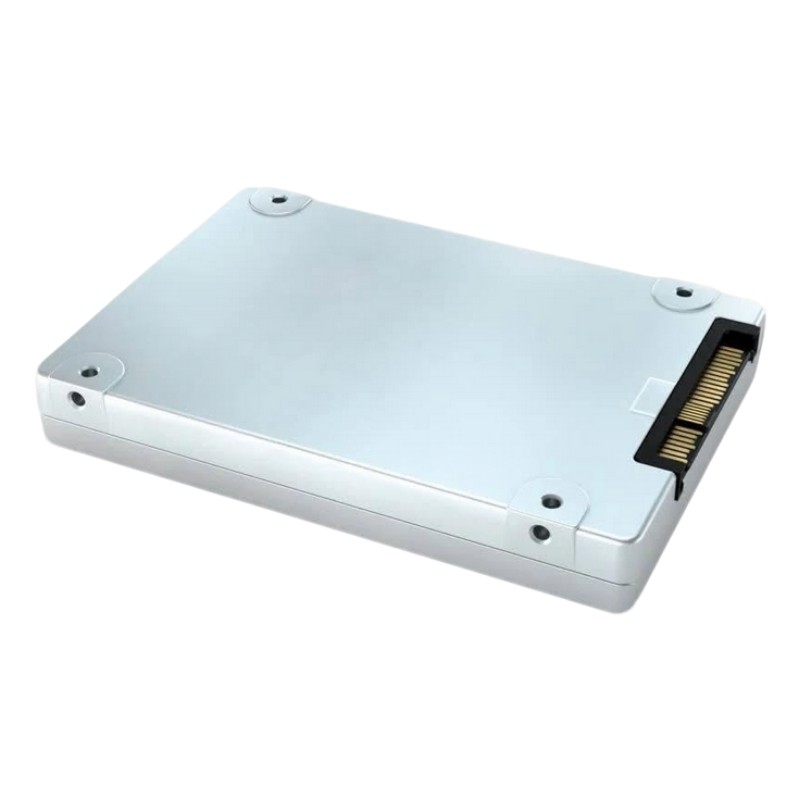
Solidigm SSDPF2NV153TZ1Z D5-P5316 15.36TB PCIe 4.0 x4 NVMe 3D4 QLC 2.5inch 15mm SSD. New Sealed in Box (NIB) with 3 years Warranty. Call
This high-performance solid state drive is engineered for data centers and enterprise storage solutions requiring immense capacity and robust reliability.
The Solidigm D5-P5316 series, represented by the part number SSDPF2NV153TZ1Z for the 15.36TB capacity point, is a read-optimized enterprise NVMe SSD designed for dense data-center storage and sequential or read-heavy workloads. It connects over PCIe 4.0 x4 NVMe and is offered in familiar enterprise physical formats (2.5-inch U.2 15 mm and E1.L variants across the family), delivering high capacity per drive and high capacity density per rack when deployed at scale. The D5-P5316 family is purpose-built to provide cost-effective, large-capacity storage with QLC 3D NAND architecture that emphasizes low cost per terabyte for cold, warm, and large-scale read workloads.
The model code SSDPF2NV153TZ1Z maps to Solidigm’s D5-P5316 product line at the 15.36TB point and signals the drive’s intended application: high capacity, read-optimized NVMe storage for servers and storage appliances. This drive uses QLC (quad-level) 3D NAND memory in a multi-layer stack (3D4 in Solidigm materials), which allows manufacturers to pack more bits per die for economical large capacity. Because QLC trades raw endurance and write performance for density and cost, the D5-P5316 is tuned by Solidigm with firmware optimizations and controller strategies to maximize read efficiency and sustain reasonable write behavior for expected data-center patterns. The drive fully supports NVMe feature sets relevant to modern servers and offers the enterprise reliability and management features customers expect at this product tier.
The SSDPF2NV153TZ1Z Solidigm D5-P5316 15.36TB is engineered to achieve headline sequential throughput figures enabled by PCIe Gen4 x4, with manufacturer reported sequential read peaks that reach up to around 7,000 MB/s on optimized test profiles and sequential write performance tailored to the QLC media characteristics. Random 4K read IOPS performance is a core advantage for this generation — the D5-P5316 has published targets in the high hundreds of thousands of IOPS for random reads under ideal conditions, providing a substantial improvement over earlier generations for read-centric tasks. These figures translate into measurable benefits for content delivery, analytics, and large-scale database read operations where throughput and predictable latency drive performance at scale. For comparative and test details, consult the product brief and datasheet for workload-specific numbers.
Solidigm specifically calls out improvements in latency and tail performance for the D5-P5316 versus previous generations. Tail latency — the higher percentiles that matter in production systems where worst-case response time drives user experience and SLA compliance — is lower on the P5316 compared with previous designs, due to controller improvements and firmware tuning. Lower 99.999th percentile latencies mean better predictability when many drives serve highly parallel workloads in the same cluster. These latency improvements are especially valuable to distributed services and caches that rely on fast, consistent reads.
The SSDPF2NV153TZ1Z 15.36TB SKU sits in a family that scales up to 30.72TB, allowing architects to select a drive capacity that matches their consolidation and density goals. The D5-P5316 is available in conventional enterprise formats: 2.5-inch U.2 15mm (appropriate for many server hot-swap bays and existing enterprise chassis) and E1.L (optimized for hyperscale and modern server trays), enabling massive consolidation of raw storage in 1U and OCP style deployments. When planning rack density, customers can achieve substantial TB per U metrics by using these large-capacity D5 drives in high-bay servers or purpose-built storage nodes.
The 2.5-inch U.2 15mm variant of SSDPF2NV153TZ1Z follows common enterprise mechanical and electrical expectations: robustness for shock and vibration, MTBF figures consistent with data-center SSDs, and power/thermal management compatible with dense server environments. Solidigm publishes environmental tolerances and MTBF figures in its technical documentation, enabling data-center operators to build trustworthy service level models. Because drive temperature and power are important at high density, Solidigm provides recommended operating ranges and guidance on chassis airflow to preserve long-term reliability and performance consistency.
Endurance for QLC-based drives is lower on a raw TBW (terabytes written) basis than single or triple-level cell parts, but Solidigm applies a combination of firmware algorithms, multi-plane garbage collection tuning, overprovisioning, and background maintenance strategies to extend usable life for read-dominant workloads. The D5-P5316 family is targeted at read-intensive and sequential workloads rather than heavy random write use. Depending on capacity and workload profile, customers should refer to Solidigm’s TBW guidance, typical DWPD or DWPD-equivalent recommendations, and warranty terms to align endurance expectations to their workload. Enterprise data integrity features such as end-to-end data path protection, power-loss protection, and support for standard NVMe health and telemetry reporting are included to help administrators monitor drive health and perform safe replacements when necessary.
The SSDPF2NV153TZ1Z D5-P5316 is optimized for read-heavy and sequential workloads where large capacity and low cost per terabyte are primary goals. Typical deployments include archival and cold data tiers, large-scale object stores, media streaming caches, content delivery systems, and analytic platforms where reads vastly outnumber writes. The drive’s combination of high sequential throughput and strong random read capabilities makes it suitable as a capacity tier backing higher-performance caches, or as a primary storage medium in workloads where writes are batched or infrequent. Cloud providers, hyperscale data centers, CDN operators and large enterprises commonly choose QLC large capacity drives for secondary and tertiary tiers to optimize TCO while keeping latency within acceptable bounds for end users.
SSDPF2NV153TZ1Z is sold through OEM and distribution channels and is listed on several major distributors and reseller inventories with associated datasheets, warranty terms, and ordering codes. Because the drive appears under Solidigm’s product taxonomy and was previously part of Intel’s D5 family prior to brand transition, buyers should confirm exact part numbers and FW/DN codes for compatibility with existing arrays, server BIOS, and storage controllers. Enterprise buyers should validate that their server BIOS, RAID firmware (if used), storage orchestrators, and drive bay hardware support U.2 15mm physical dimensions and the NVMe feature set provided by Solidigm. Many large distributors provide a datasheet and downloadable product brief for integration planning, and Solidigm’s website provides consolidated documentation for system integrators.
For predictable operation, administrators should account for thermal and power characteristics at full density. Dense installations of 15.36TB drives require careful cooling design: adequate airflow, proper blanking panels, and thermal monitoring are essential to avoid throttling under sustained workloads. Use NVMe telemetry and SMART attributes exposed by the drive to set up automated health monitoring; solid reporting on percent life used and media errors helps schedule nondisruptive replacements. For mixed workloads, configure host policies to route write-heavy spikes to more durable tiers and use the D5-P5316 for capacity and read traffic. Overprovisioning at the array level can further help maintain steady performance by reserving spare media for wear leveling and background tasks.
Compared to higher endurance TLC drives, QLC drives like the D5-P5316 provide a significantly lower cost per TB, which is compelling for capacity-focused tiers. The tradeoff is lower TBW and a need for architectural accommodations for write amplification and background maintenance tasks. In total cost of ownership conversations, include purchase price, power and cooling (since density drives higher rack heat), spare inventory, expected lifetime TBW consumption, and administrative overhead for monitoring and replacement. For many large-scale archival or read-dominant deployments, the net TCO advantage favors QLC capacity SSDs, especially when software tiering or object storage designs absorb intermittent write traffic.
When procuring SSDPF2NV153TZ1Z, verify the reseller part number, firmware revision, and whether the vendor is shipping Solidigm-branded or legacy Intel-branded inventory (often driven by transition stock). Request datasheets and test logs for the exact lot you plan to buy, and consider buying a small pilot set for interoperability testing in your environment prior to mass deployment. Confirm the reseller provides the required warranty and RMA SLA, and align spare-pool strategy to the scale of your deployment to ensure serviceability without immediate cross-border logistics friction.
Enterprise SSDs in the D5 family include features that assist with data protection and compliance workflows: NVMe security/migration commands, secure erase, and firmware controls that help sanitize drives prior to reuse or disposal. While hardware encryption features vary by SKU and firmware revision, the D5-P5316 family supports common enterprise patterns for secure decommissioning. Always validate the exact security features and certification levels (if any) against your organization’s data governance policies and any applicable regulations for data retention and destruction.
Because QLC flash is often repurposed in large fleets, ensure your decommissioning workflows include validated secure erase procedures or physical destruction where necessary to meet compliance. Work with your vendor to understand any special RMA or trade-in programs that may help recover value or ensure secure retirements at fleet scale. Solidigm product literature and distributor terms sometimes include guidance or processes for end-of-life handling—review these before committing to a mass refresh plan.
Operators commonly deploy SSDPF2NV153TZ1Z D5-P5316 drives as an object-store capacity tier behind a smaller, faster caching layer: a handful of high-end TLC NVMe devices for hot data, with the D5 series providing the bulk of persistent storage. Other patterns include backup archives with read-optimized restore paths, media asset stores for streaming where read bandwidth is the primary KPI, and large analytics clusters that stage cold data for batch processing. The drive’s strength in sequential throughput and random read IOPS makes it a practical choice for workloads where reads dominate and writes can be buffered or aggregated. While each deployment has unique needs, the cost profile and density of the D5 family often lead architects to standardize on these drives for mid-cold tiers.


 Contact Us
 Information
 Catalog
 Solid State Drives (SSD)
 Network Switches
 Hard Disk Drives
 HBA & Controllers
 PC & Servers
 PC & Server Memory
 CPU & Processors
 Network Routers
 Power Supplies
 Tape Drives & Libraries
 Network Devices
 Computer & Network Cables