(7% discount is applied at checkout)
Cart is empty
Your go-to destination for cutting-edge server products
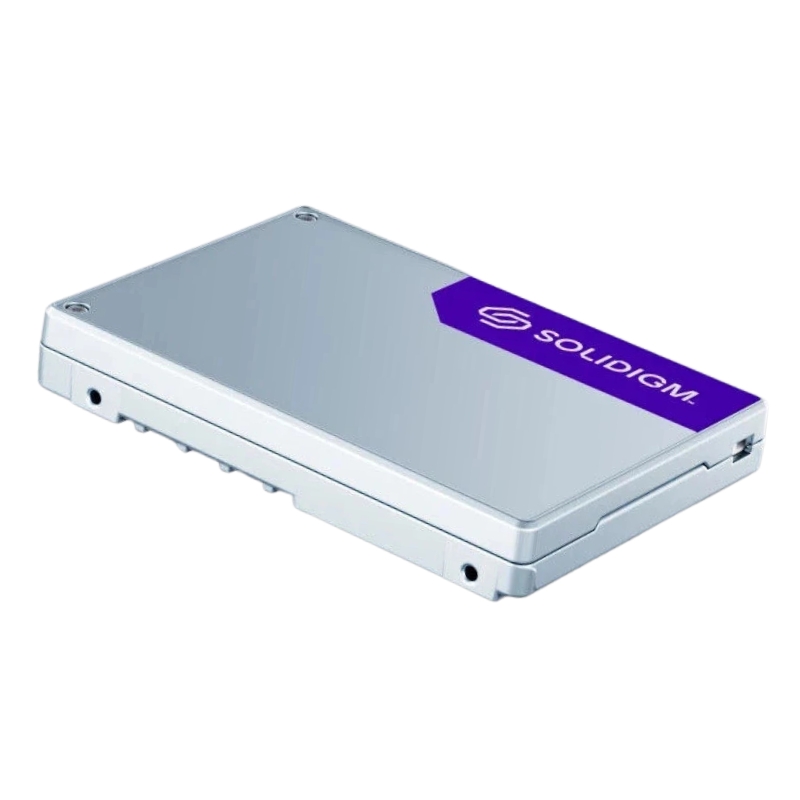


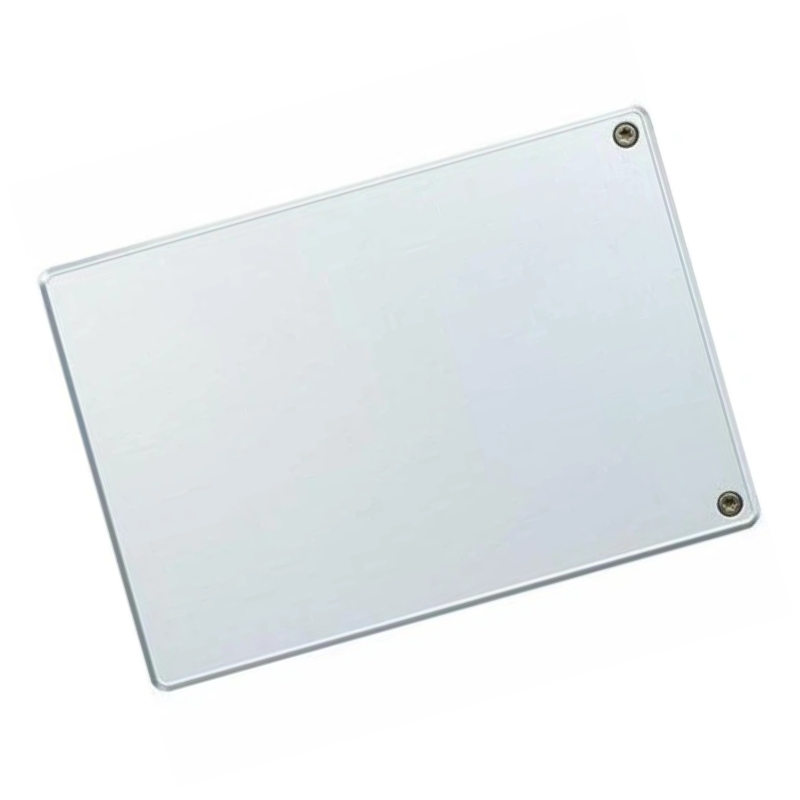
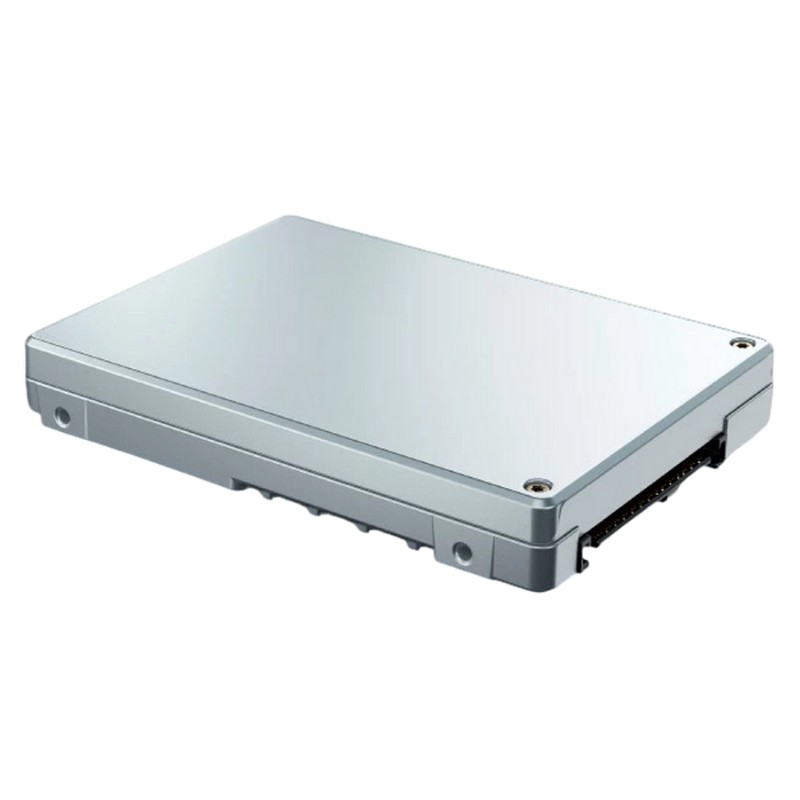
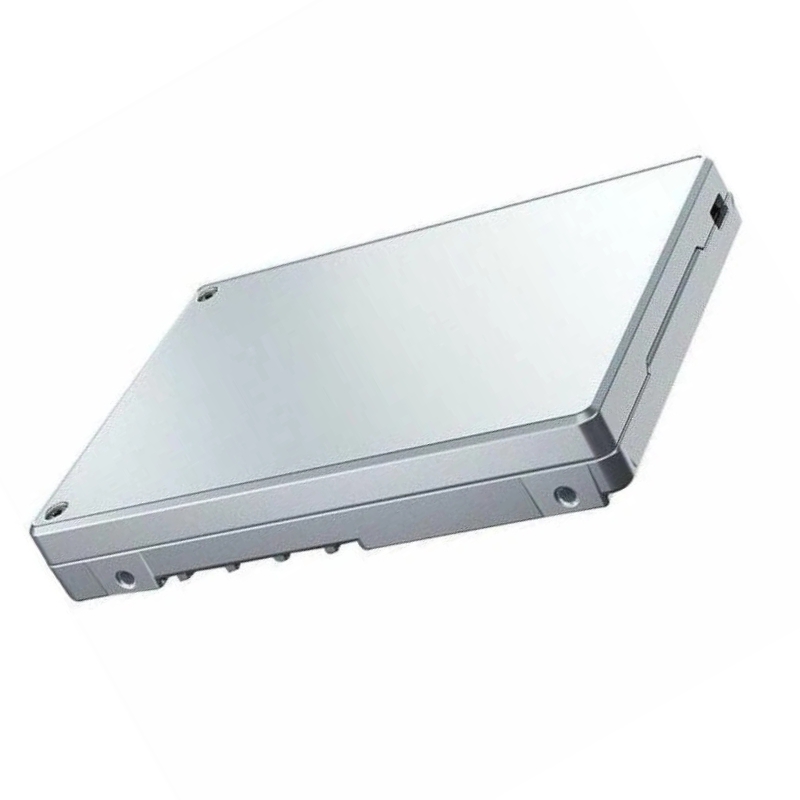
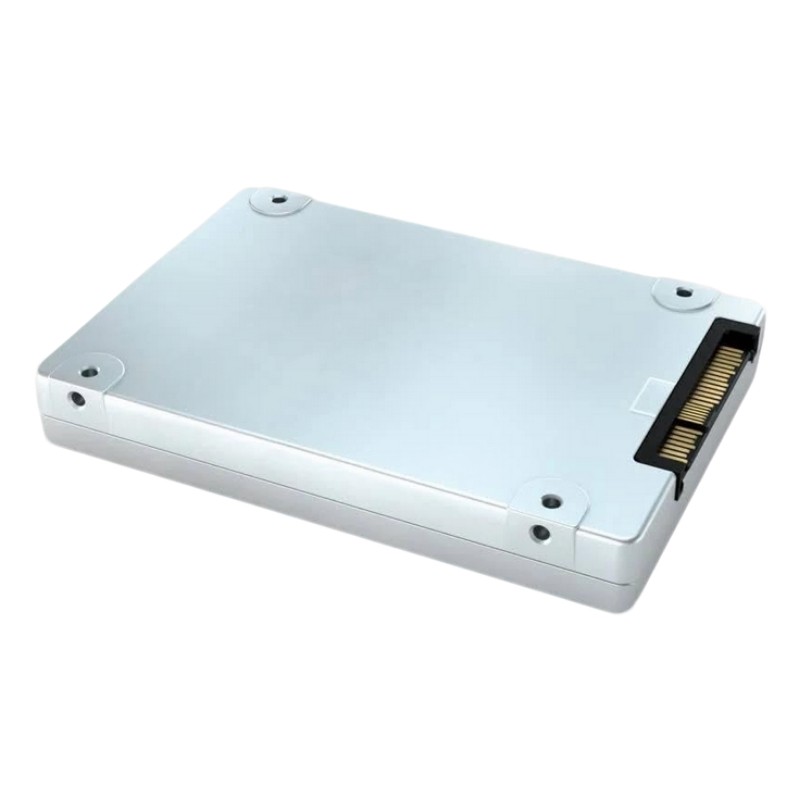
Solidigm SSDPF2NV307TZ1Z D5-P5316 30.72TB PCIe 4.0 X4 NVMe 15mm 3D4 QLC 2.5inch SSD. New Sealed in Box (NIB) with 3 years Warranty
Engineered for data centers requiring immense storage, the SOLIDIGM D5-P5316 represents a pinnacle in solid-state drive technology, offering a colossal 30.72 terabytes of space within a standard 2.5-inch form factor.
The SSDPF2NV307TZ1Z Solidigm D5-P5316 30.72TB PCIe 4.0 X4 NVMe 15mm 3D4 QLC 2.5-inch SSD represents a class of high-capacity, cost-optimized flash storage designed for dense data center deployments. Built on a PCIe 4.0 x4 NVMe interface and packaged in a 2.5-inch, 15mm form factor, this model focuses on delivering maximum usable capacity per slot while offering the protocol-level performance, low-latency access, and enterprise-grade management features required by hyperscalers, cloud service providers, and large-scale storage arrays. The D5-P5316 series targets workloads that favor large sequential transfers, read-dominant I/O patterns, and cold-to-warm storage tiers where minimizing cost per terabyte is a high priority.
With a PCIe 4.0 x4 NVMe interface, the Solidigm D5-P5316 enables a significant uplift in throughput and IOPS compared to previous-generation PCIe 3.0 devices. PCIe 4.0 doubles per-lane bandwidth, which benefits high-concurrency environments and makes it possible to stream large datasets faster to CPUs, GPUs, or network fabrics. Although QLC (quad-level cell) NAND prioritizes capacity over write endurance, Solidigm pairs advanced controller logic and firmware optimizations to balance sustained sequential throughput and predictable latency. This model is suitable for linear read-heavy tasks such as archive retrieval, media streaming, large-object serving, backup and restore operations, and content delivery where sustained bandwidth matters more than ultra-high write endurance.
Enterprise NVMe SSDs are evaluated not only by peak numbers but by their sustained behavior under load. The Solidigm D5-P5316 is engineered to deliver consistent sequential read throughput at multi-gigabyte-per-second levels when paired with a platform that supports PCIe 4.0 end-to-end. Random read latency remains low thanks to NVMe command queuing and the drive’s internal parallelism across NAND channels. For read-dominant workloads, users can expect excellent latency stability; for heavy mixed or sustained write workloads, planners should account for QLC’s lower program/erase cycle budget and design appropriate capacity overprovisioning, wear-leveling, and caching strategies to maintain consistent response times.
The SSDPF2NV307TZ1Z 30.72TB capacity point in a single 2.5-inch, 15mm chassis enables extremely high rack-level density. Storage architects can deploy many multi-terabyte devices per shelf or node, significantly reducing the number of devices needed for petabyte-scale pools. This density reduces rack space, lowers per-GB overhead for enclosures and networking, and simplifies maintenance by consolidating capacity into fewer hot-swap units. The 15mm thickness allows for thermal headroom and extra NAND channel counts compared to slimmer U.2 variants, which manufacturers often use to implement very high-capacity SSDs with broader channel-level parallelism.
Because the SSDPF2NV307TZ1Z Solidigm D5-P5316 is a 2.5-inch drive, it is compatible with a wide variety of server and storage chassis designed for standard 2.5-inch drives. System integrators should confirm that drive bays accommodate the 15mm height and that backplanes support the NVMe pinout or U.2 connectors. Adapters exist for platform retrofit scenarios, but native U.2/NVMe backplane support ensures best performance, thermal contact, and hot-swap reliability. When planning procurement, validate sleds, caddies, and carrier screws to achieve secure mounting and efficient airflow.
The D5-P5316 is optimized for multiple real-world data center scenarios. Primary fits include:
Object stores, archival layers, and warm content caches benefit from the D5-P5316’s large capacity and economical cost per TB. In multi-tier architectures, these drives serve as capacity-dense tiers that provide faster access than HDD-based cold tiers while remaining more affordable than high-endurance TLC/MLC enterprise SSDs.
When analytics or machine learning pipelines require quick access to large datasets that are read often but infrequently updated, capacity-optimized NVMe drives reduce staging time and accelerate overall pipeline throughput. The drive’s high sequential read rates enable faster dataset loading into compute nodes and shortened training or inference time when used as a local staging area.
Backup appliances and streaming nodes that handle large file transfers or sequential reads align well with the D5-P5316’s strengths. Content delivery nodes at the edge can use these drives to cache large media libraries, enabling high-throughput delivery to users while keeping costs manageable.
Enterprise QLC SSDs like the SSDPF2NV307TZ1Z D5-P5316 rely heavily on sophisticated firmware and controller features to deliver reliable service despite QLC’s lower raw P/E cycle rating compared to TLC or MLC. Endurance is typically provisioned with overprovisioning and intelligent wear-leveling algorithms to extend useful life. Solidigm integrates power-loss protection features, background data integrity scrubbing, and error-correcting code (ECC) tuned for high-density flash to reduce silent data corruption and maintain long-term reliability.
Modern enterprise SSD controllers include multi-bit ECC, read-retry, and RAID-like internal redundancy across NAND channels. These mechanisms, combined with host-level data protection (RAID, erasure coding), provide robust safeguards against bit errors and block failures. Ensure that host software and storage arrays are tuned to detect and react to drive health signals early — for example, remapping failing blocks and offloading rebuild tasks when drives show early wear symptoms.
Security features on enterprise NVMe drives may include TCG Opal support for drive-level encryption, secure erase, and firmware secure-update mechanisms. Administrators should use authenticated firmware update workflows, maintain an up-to-date firmware baseline, and validate cryptographic keys and policies through centralized management tools. NVMe Management Interface (NVMe-MI) and standardized telemetric protocols allow remote querying of drive health, temperature, and lifetime metrics, facilitating scalable fleet management across thousands of drives.
Because firmware updates can alter drive behavior, follow vendor guidance on staging updates in a test environment before mass deployment. Use vendor-supplied tools for authenticated updates, maintain change logs, and schedule updates during maintenance windows. Modern firmware sometimes includes performance optimizations, new SMART attributes, and fixes for corner-case wear behavior — staying current helps maximize the total cost of ownership and prevents avoidable field incidents.
High-capacity NVMe SSDs produce measurable heat, especially under sustained throughput. The 15mm form factor of the D5-P5316 provides extra thermal mass and space for heat spreaders, but system-level cooling must be designed to maintain recommended operating temperatures. Use front-to-back airflow within racks, ensure caddies have thermal pads or conductive interfaces to chassis, and provision for adequate fan curves in servers. Power management features on the drive can reduce idle power draw and support various power states; balancing performance policies with power budgets is essential for hyperscale deployments.
To prevent damage, SSDs implement thermal throttling when internal temperatures exceed safe thresholds. System architects should test drives under worst-case ambient conditions and with multiple drives under load to determine performance envelopes. Thermal throttling mechanisms maintain data safety but can reduce peak throughput during extended heavy transfers if cooling is inadequate.
When designing redundancy, account for rebuild times and the probability of encountering additional read errors during recovery. The large capacity of 30.72TB devices lengthens rebuild windows if a drive fails, so architects commonly adopt erasure coding schemes with optimized rebuild performance or smaller failure domains. Using parallel rebuilds across multiple drives and limiting rebuild concurrency helps shorten recovery times, but increases temporary load on surviving drives — plan maintenance windows and monitoring alerts accordingly.
Procurement teams should evaluate vendor roadmaps, firmware support timelines, and supply chain factors. Because flash technology evolves rapidly, lock in quantities, verify warranty terms, and negotiate support SLAs that include advanced replacement and firmware support. Lifecycle planning should anticipate periodic refresh cycles and include strategies for secure data sanitization and responsible disposal or return to vendor programs at end-of-life.
Compared to TLC-based enterprise SSDs, the D5-P5316 emphasizes capacity and cost efficiency. TLC or MLC devices provide higher write endurance and are better suited to heavy mixed or write-intensive workloads, while QLC excels at read-heavy and archive-oriented use cases. When comparing to HDDs, these NVMe devices deliver dramatically lower latency and much higher random read throughput, though at higher upfront cost per TB; the trade-off becomes favorable when performance-sensitive workloads and space/power budgets are considered. For highest performance caching layers or leader nodes, pair the D5-P5316 with a smaller pool of TLC drives or persistent memory to absorb write peaks and protect QLC endurance.
Large service providers frequently deploy QLC NVMe drives as capacity tiers in disaggregated storage systems, object storage backends, and archival clusters. Typical patterns include pairing these drives with NVMe-oF fabrics for disaggregated access, using them as local capacity on compute nodes for large datasets, or in dense JBOD enclosures where maximum capacity per slot drives down infrastructure costs.
When architecting systems with the SSDPF2NV307TZ1Z Solidigm D5-P5316 30.72TB NVMe SSD, consider it a capacity-optimized building block: ideal for high-density, read-heavy tiers, and use cases that benefit from NVMe throughput without requiring the endurance of higher-cost media. Balance the fleet with higher-endurance drives for write-intensive paths, ensure proper thermal and power provisioning, and implement comprehensive monitoring and firmware management. By combining these drives with thoughtful tiering, caching, and redundancy strategies, organizations can achieve a compelling blend of performance, density, and cost efficiency at scale.
Before purchasing, confirm support for PCIe 4.0 on host platforms, verify backplane and caddy compatibility, project workload read/write ratios to estimate TBW needs, and evaluate available management tools for firmware and telemetry. Run pilot deployments under representative load patterns to validate latency, sustained throughput, and thermal performance. Negotiating strong support and replacement SLAs will reduce operational risk and ensure predictable lifecycle management.
Technical teams should validate queue depth behavior, random vs. sequential benchmarks, and rebuild scenarios in lab conditions. Measure the impact of sustained transfers on temperature and throttling thresholds and model rebuild windows for different RAID or erasure code choices. These validations inform capacity planning, cooling design, and redundancy configuration to align with service-level objectives.


 Contact Us
 Information
 Catalog
 Solid State Drives (SSD)
 Network Switches
 Hard Disk Drives
 HBA & Controllers
 PC & Servers
 PC & Server Memory
 CPU & Processors
 Network Routers
 Power Supplies
 Tape Drives & Libraries
 Network Devices
 Computer & Network Cables