(7% discount is applied at checkout)
Cart is empty
Your go-to destination for cutting-edge server products
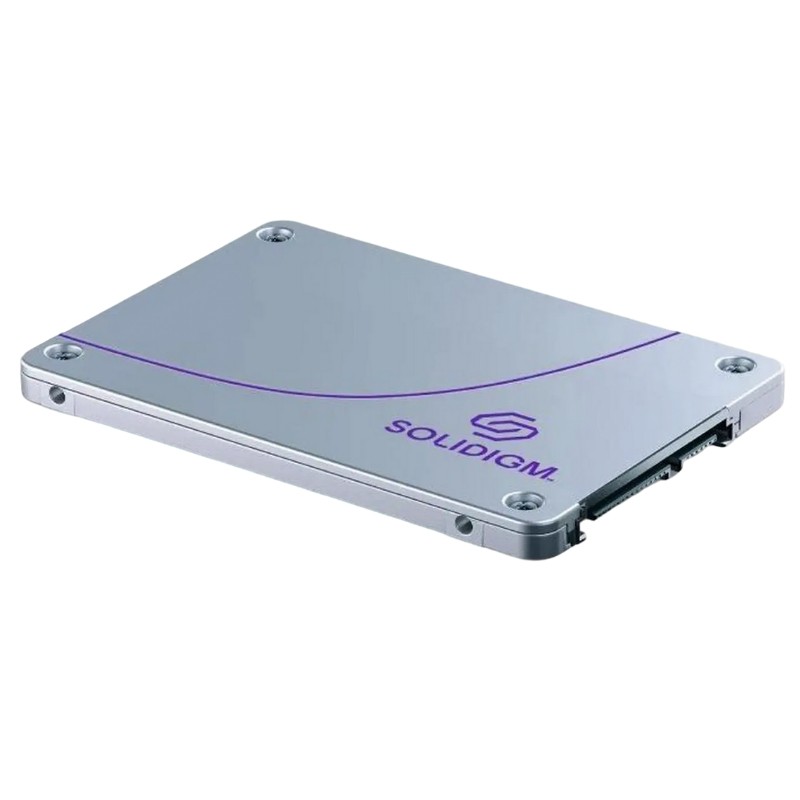


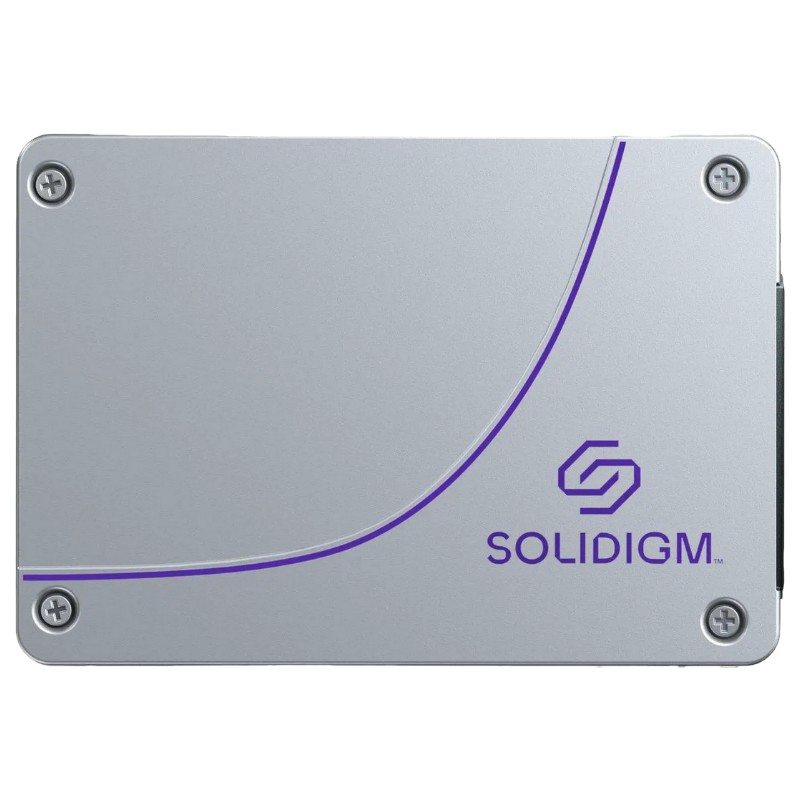
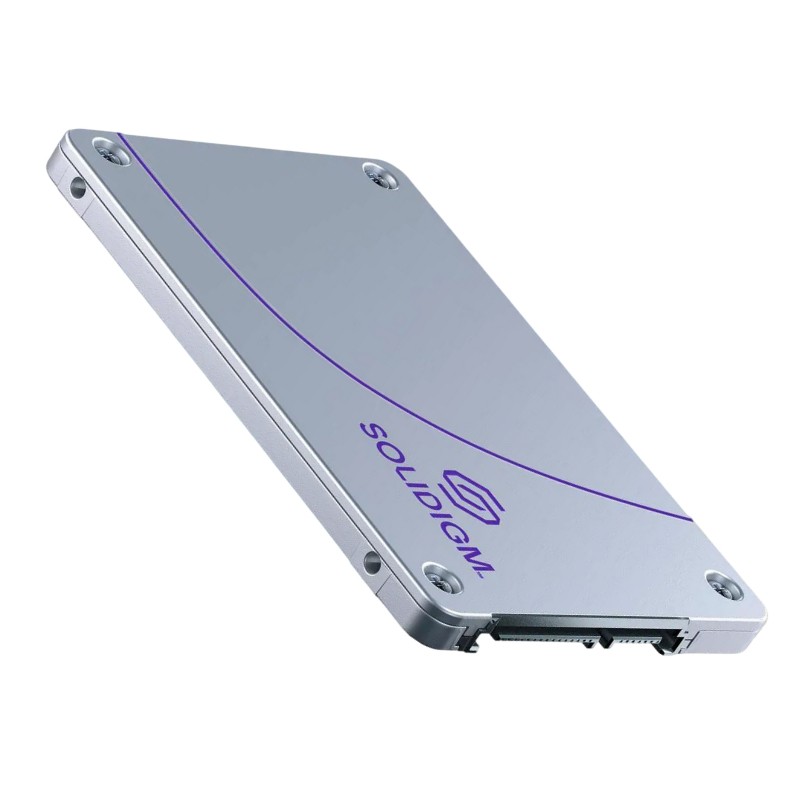
Solidigm SSDSC2KB038TZ01 D3-S4520 3.84TB SATA 6GBPS 3D4 Nand TLC 2.5inch Solid State Drive. New Sealed in Box (NIB) with 3 years Warranty
Experience exceptional data center capabilities with the Solidigm D3-s4520, a high-capacity 3.84TB solid-state drive engineered for reliability and speed. This 2.5-inch form factor drive delivers robust performance for demanding enterprise applications.
The SSDSC2KB038TZ01 Solidigm D3-S4520 3.84TB SATA 6GBPS 3D4 NAND TLC 2.5-inch Solid State Drive represents a class of enterprise SATA storage designed for dense, reliable, and cost-effective primary and secondary storage deployments. This category page description focuses on the full breadth of what the D3-S4520 family delivers to data centers, servers, backup systems, and mixed-workload storage arrays. Readers browsing this category will find detailed explanations of performance characteristics, endurance expectations, integration considerations, workload suitability, and the architectural advantages of 3D NAND TLC flash in a SATA form factor. The description emphasizes search-friendly keyword phrases such as "Solidigm D3-S4520 SSD", "3.84TB SATA enterprise SSD", "2.5 inch SATA TLC SSD", and related long-tail search queries useful to procurement teams, system integrators, and IT managers.
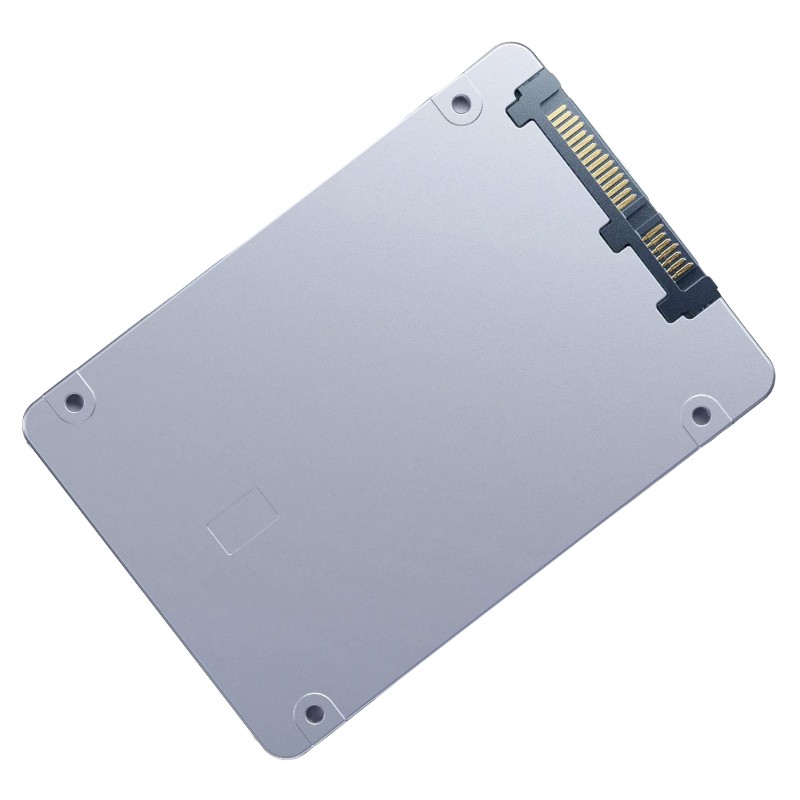
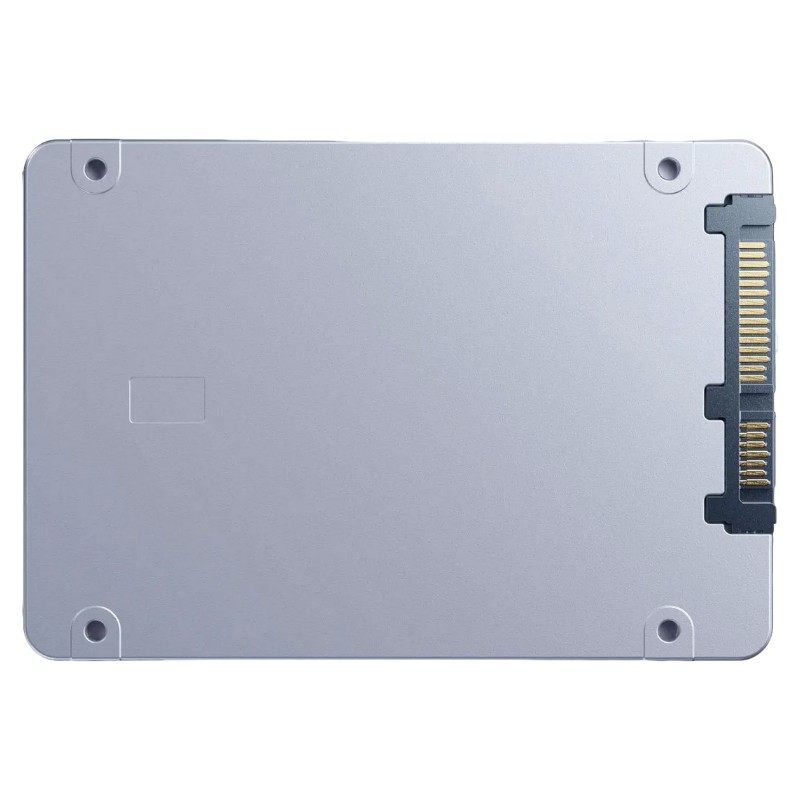
The SSDSC2KB038TZ01 D3-S4520 is packaged in a standard 2.5-inch enclosure, making it compatible with a wide range of server bays, storage trays, and external drive mounts. The compact physical profile enables high-density storage arrays and makes the drive appropriate for blade servers, rack servers, and limited-space network attached storage. Its SATA 6Gbps interface ensures backward compatibility with legacy SATA controllers while providing the interface bandwidth expected of modern SATA deployments.
While consumer grade SSDs focus primarily on desktop and mobile reliability, this enterprise category emphasizes durability and predictable behavior under continuous operation. The drive’s internal architecture is optimized for steady state performance and thermal behavior, supporting the sustained workloads typical of business-critical applications. Mechanical shock and vibration tolerances, though standardized across form factors, receive special attention in enterprise designs to reduce the chance of failure in rack and chassis environments.
The SSDSC2KB038TZ01 Solidigm D3-S4520 leverages 3D4 NAND TLC (triple level cell) flash memory technology. 3D NAND stacks memory cells vertically to increase density and improve cost per gigabyte compared to planar NAND. TLC stores three bits per cell, offering an advantageous balance of density and endurance for mainstream enterprise workloads. For buyers, the key search terms include "3D4 NAND", "TLC enterprise flash", and "high density SATA SSD", which signal the drive’s focus on maximizing capacity while maintaining acceptable endurance for many server and storage tasks.
TLC flash improves capacity and lowers cost compared to single or multi-level cell variants, making it ideal for large capacity tiers where budget and capacity eclipse the absolute highest endurance needs. The D3-S4520 is intended for read-centric and mixed workloads where TLC’s endurance is more than sufficient. Enterprise firmware and overprovisioning strategies often mitigate wear-leveling challenges inherent to TLC. Additionally, controller algorithms and background maintenance routines further extend effective drive life and maintain predictable performance over time.
The SATA 6Gbps interface standard is the backbone of compatibility for many enterprise and legacy systems. Although NVMe and PCIe SSDs have dominated high-performance tiers, SATA remains a widely deployed interface suitable for capacity tiers, boot volumes, caches, and archival storage. The D3-S4520’s SATA interface ensures straightforward integration into existing storage ecosystems without requiring changes to server backplanes or controller stacks.
Drives in this category emphasize consistent read performance and steady write behavior across prolonged workloads. Enterprise-class SATA SSDs like the SSDSC2KB038TZ01 Solidigm D3-S4520 utilize firmware routines to maintain I/O responsiveness under queue depth and sustained transfer scenarios. For administrators, predictable latency and steady IOPS under mixed reads and writes are frequently more valuable than short bursts of peak throughput. This drive is marketed and deployed where consistent performance and low latency jitter are required for customer-facing applications, virtualization hosts, and database indexes that do not require NVMe speeds.
Endurance for enterprise TLC SSDs is managed via a combination of flash quality, controller logic, and firmware strategies such as wear leveling and overprovisioning. While exact drive write endurance figures can vary by model and firmware revision, the D3-S4520 family targets balanced endurance suitable for mainstream enterprise workloads. IT buyers should consider write endurance in the context of their application’s daily write volume and plan capacity and replacement cycles accordingly. Using search phrases like "SSD endurance planning" or "enterprise TLC endurance" can guide procurement decisions and comparisons with other product families.
Enterprise SSDs typically include features to protect data during unexpected power loss and to reduce the risk of data corruption. The D3-S4520 category incorporates firmware mechanisms and internal buffering strategies that help commit in-flight data and preserve metadata integrity when system power is interrupted. While the drive is not a substitute for a full UPS or server-level power management strategy, its internal protections reduce the risk of file system inconsistencies and help maintain long-term data integrity across many operational cycles.
Security is a critical concern for enterprise storage. Drives in this category often support on-drive encryption standards and secure erase capabilities that allow for rapid cryptographic erasure when drives are repurposed or decommissioned. Administrators responsible for data governance and compliance will find on-drive cryptographic options useful for meeting regulatory requirements and for simplifying end-of-life disposal workflows. Search phrases such as "enterprise SATA SSD encryption" and "secure erase SATA drive" are commonly associated with procurement documentation and compliance checklists.
Organizations that operate under stringent regulatory regimes (financial services, healthcare, government) should verify that the chosen storage hardware and sanitization procedures align with legal and compliance frameworks. A drive with robust secure erase features, strong telemetry, and predictable behavior under forensic validation can simplify audits and ease the path to regulatory compliance.
The SSDSC2KB038TZ01 Solidigm D3-S4520 3.84TB SATA SSD is well suited to a variety of capacity-oriented roles. It is an excellent candidate for bulk boot volumes, hypervisor datastore tiers for virtual machines that do not require NVMe latency, read-heavy databases, content delivery caches, and high-density storage nodes. Its capacity and cost efficiency make it especially attractive for use where scaling gigabytes per dollar is a priority without completely sacrificing enterprise reliability.
Virtual environments with many lightweight VMs, read-optimized database indexes, and web servers serving largely static or cached content can leverage the D3-S4520’s capacity and SATA compatibility. The drive provides a pragmatic balance of low latency for SATA technology and ample storage capacity for medium-term data retention and caching. Performance under random read I/O is typically favorable compared to spinning disks, resulting in faster application responsiveness and improved user experience.
When designing tiered storage strategies, organizations frequently prioritize SSDs for tiers that demand faster access and HDDs for cold archival. However, high-capacity SATA SSDs blur these lines and enable organizations to implement hybrid strategies where parts of the archival tier can benefit from SSD speeds without incurring the higher premium of NVMe. The D3-S4520 can be part of a tiered architecture where frequently accessed historical data or nearline analytics are kept on fast SATA SSDs while colder, rarely accessed content moves to HDD arrays.
Deployments that use RAID arrays should account for rebuild times, consistency checks, and the impact of drive capacities on array behavior. High capacity SATA SSDs shorten rebuild times compared to HDDs but can still introduce load on the array during maintenance operations. Administrators should plan RAID levels and spare capacity carefully to achieve their target balance of fault tolerance, usable capacity, and rebuild performance.
Choosing between SATA SSDs and NVMe SSDs is a matter of performance needs and budget. NVMe drives deliver materially higher throughput and lower latency thanks to PCIe lanes and a modern protocol, making them ideal for latency-sensitive databases, high-performance computing, and I/O-intensive transactional systems. However, the SATA 6Gbps interface remains attractive for bulk capacity, legacy compatibility, and predictable behavior. The D3-S4520 fits classrooms where performance needs are moderate but capacity and cost efficiency are paramount.


 Contact Us
 Information
 Catalog
 Solid State Drives (SSD)
 Network Switches
 Hard Disk Drives
 HBA & Controllers
 PC & Servers
 PC & Server Memory
 CPU & Processors
 Network Routers
 Power Supplies
 Tape Drives & Libraries
 Network Devices
 Computer & Network Cables