(7% discount is applied at checkout)
Cart is empty
Your go-to destination for cutting-edge server products
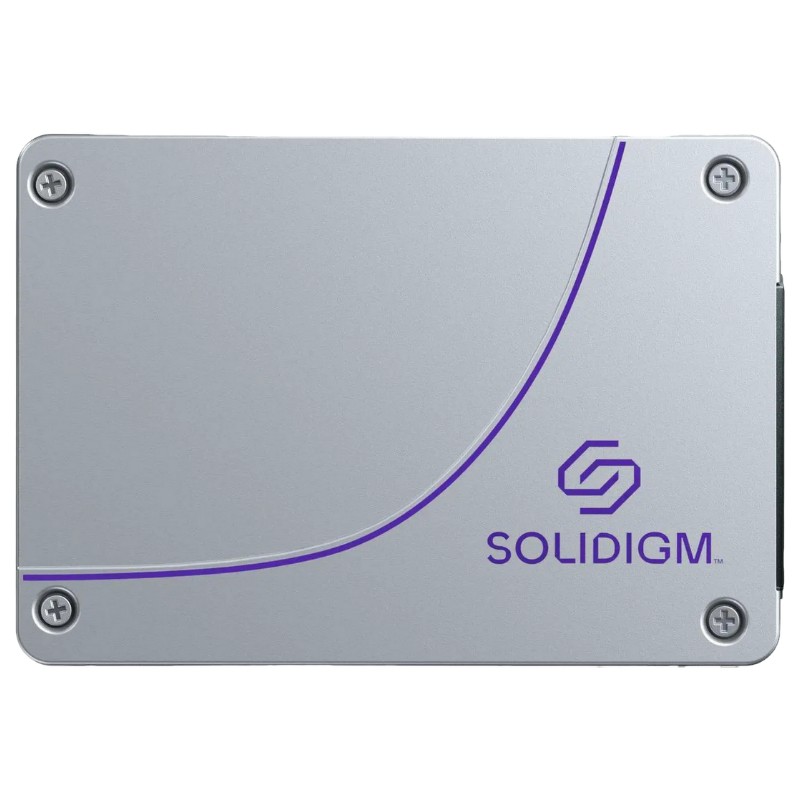


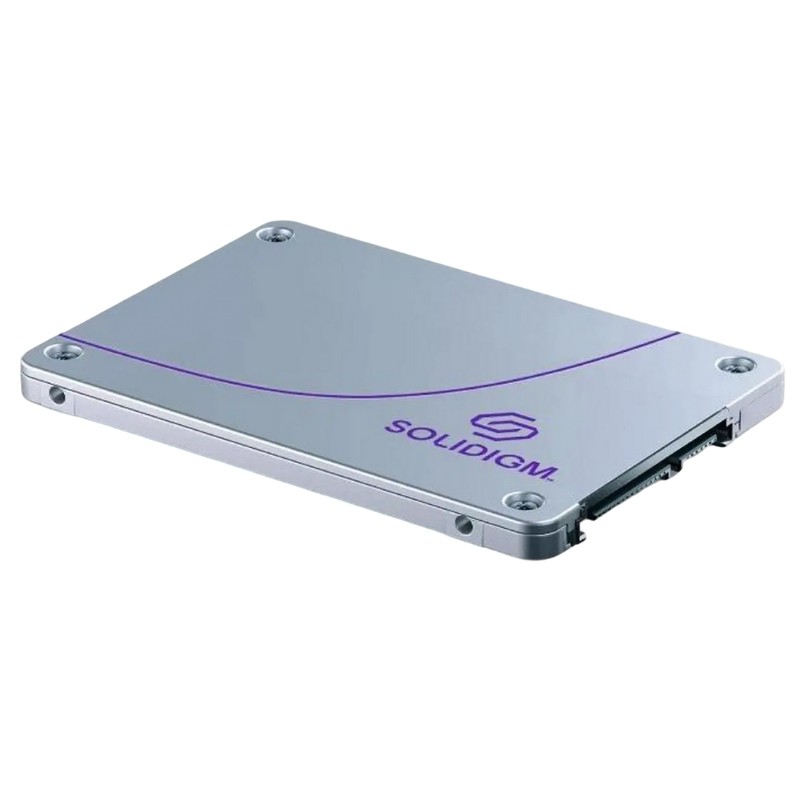
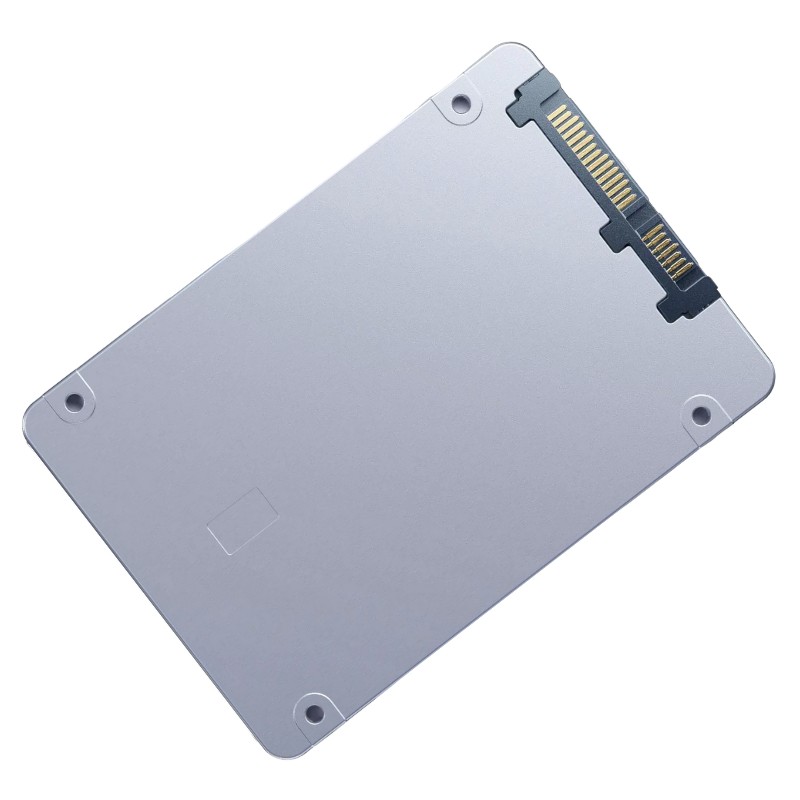
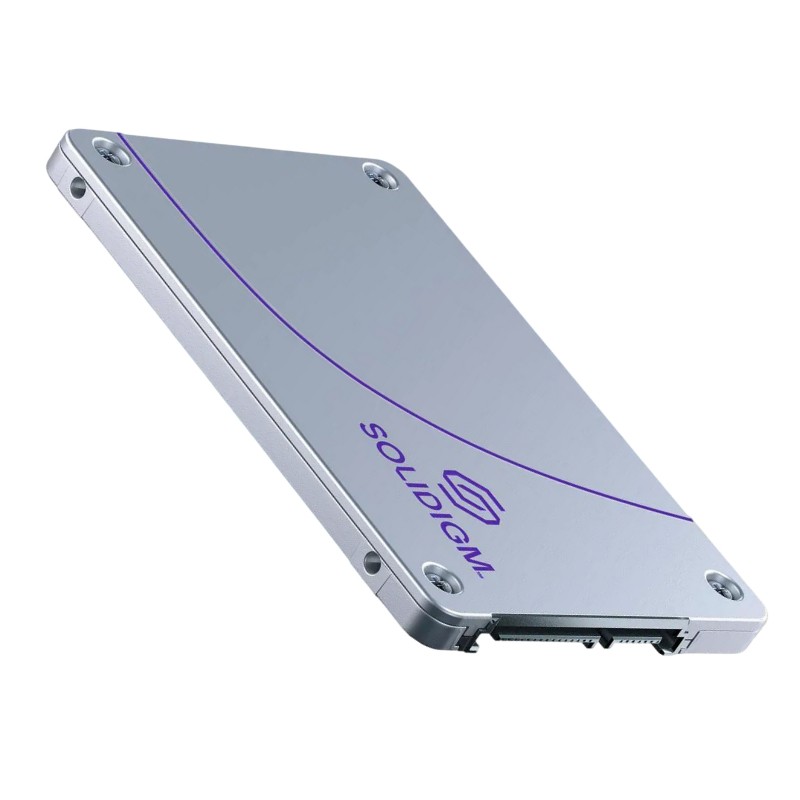
Solidigm SSDSC2KG960GZ1Z D3-S4620 960GB SATA 6GBPS TLC 3D Nand 2.5inch Solid State Drive. New Sealed in Box (NIB) with 3 years Warranty
A high-performance data storage solution engineered for reliability and speed in demanding computing environments.
Solidigm D3-S4620 SSDSC2KG960GZ1Z Represents A Purpose-Built 2.5-Inch SATA Solid State Drive Designed For Data-Center Workloads That Demand A Balance Of Cost, Endurance, And Predictable Performance. Engineered With 3D TLC NAND And A Mature SATA 6Gbps Interface, This 960GB Model Balances Density And Price Efficiency While Maintaining The Enterprise-Grade Feature Set Required By System Integrators, Hyperscalers, And Mid-Sized Server Deployments.
Solidigm D3-S4620 SSDSC2KG960GZ1Z Ships In A Standard 2.5-Inch Form Factor With SATA III 6.0Gbps Signaling, Offering 960GB Usable Capacity In A Compact, Industry-Familiar Package. The Drive Is Built On TLC 3D NAND Flash Memory, Coupled With Advanced Controller Firmware Optimized For Steady-State Throughput, Small-Block Random I/O, And Enterprise Workload Patterns. Endurance And Power Profiles Are Tuned For Read-Heavy And Mixed Workloads Common In Boot, Cache, And Capacity-Tier Applications.
Solidigm Implements A Robust Controller Architecture That Harmonizes Wear Leveling, Bad Block Management, And Error Correction To Deliver Consistent Service Levels. The SSDSC2KG960GZ1Z Leverages Multi-Die 3D NAND To Maximize Storage Density And Maintain A Competitive Cost-Per-Gigabyte While Preserving The Performance Characteristics Needed For Transparent Scale-Out Deployments.
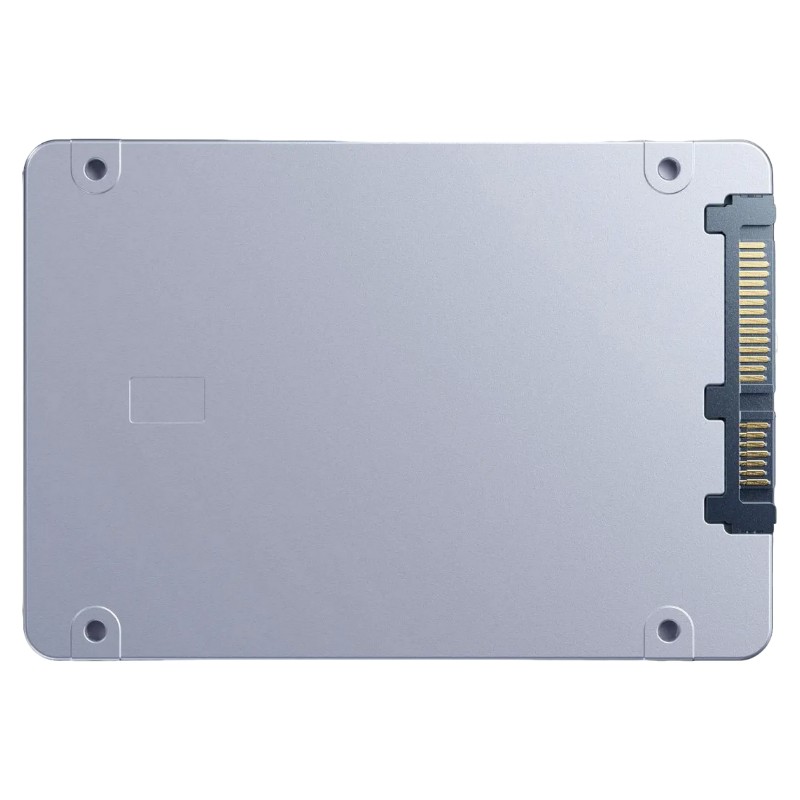
This Drive Uses The Standard 2.5-Inch Mechanical Envelope And SATA Power/Signal Pinout, Making It Interchangeable With A Wide Variety Of Servers, Storage Arrays, And Workstation Platforms. System Designers Appreciate The Familiar Physical And Electrical Characteristics Of SATA, Which Simplify Integration Into Existing Backplanes And Drive Trays.
Solidigm D3-S4620 SSDSC2KG960GZ1Z Delivers A Carefully Balanced Mix Of Sequential And Random Performance Optimized For Enterprise Use Cases. While Sequential Throughput On SATA Is Naturally Bounded By The Interface, The Drive Excels In Delivering Low-Latency Random Reads And Stable Mixed I/O That Translate Into Better Application Responsiveness Compared To Mechanical Disks.
Sequential Read And Write Speeds Are Tuned For Large-Block Transfers Common In Backup, Imaging, And Bulk Data Movement. The SATA 6Gbps Interface Places A Practical Ceiling On Peak Throughput, But Firmware Optimizations Help Maintain High Efficiency Across Variable Transfer Sizes.
Random I/O Performance Is A Strong Suit For The D3-S4620 Family; SSDSC2KG960GZ1Z Offers Low-Latency Read Operations And Predictable Write Behavior Under Sustained Loads. This Makes The Drive Particularly Well Suited For Database Cache Layers, Virtual Machine Boot Volumes, And Metadata Storage Where Small, Frequent I/O Is The Norm.
Drive Firmware Includes Predictive Background Maintenance And Intelligent Over-Provisioning Mechanisms That Preserve Steady-State Performance Even During Long Periods Of Heavy Activity. System Administrators Will Observe Less Performance Degradation Over Time Compared With Commodity Consumer Drives, Especially Under Continuous Mixed Read/Write Patterns.
Solidigm D3-S4620 SSDSC2KG960GZ1Z Is Built With Enterprise-Grade Endurance Levels And Error Management Features To Safeguard Data And Extend Service Life. Error Correcting Codes, Power-Loss Protection Strategies, And Wear-Management Algorithms Work Together To Maintain Data Integrity Across The Drive’S Lifecycle.
Advanced Wear-Leveling Ensures That Writes Are Distributed Evenly Across The 3D TLC Media, Preserving The Drive’S Usable Life And Meeting The Write-Byte Lifetime Spec For Its Class. Endurance Ratings Reflect Typical Enterprise Usage Models Rather Than Consumer Burst Patterns, Providing Predictability For Capacity Planning.
Although The SATA Form Factor Has Physical Constraints, The D3-S4620 Implements Firmware Safeguards Against Unexpected Power Interruptions. These Mechanisms Aim To Protect Critical Metadata And Minimize The Risk Of Corrupted Pages Or File-System Inconsistencies After Sudden Power Loss.
SSDSC2KG960GZ1Z Supports Standard SMART Attributes And Telemetry That Integrators And Monitoring Systems Use To Track Drive Health, Media Wear, And Error Rates. Combining These Metrics With Predictive Analytics Enables Proactive Replacement Strategies, Reducing Unplanned Downtime.
The Solidigm D3-S4620 Series Integrates Manageability Features That Simplify Deployment At Scale. From Firmware Update Mechanisms To Vendor-Specific Diagnostic Tools, The Drive Is Designed For Fleet Management And Integration Into Existing Storage Monitoring Frameworks.
SSDSC2KG960GZ1Z Is Compatible With A Broad Range Of RAID Controllers, Software-Defined Storage Platforms, And Hypervisor Storage Drivers. Careful Validation On The Target Platform Is Recommended To Ensure Optimal Rebuild Behavior, Consistent Latency Under Array Reconstruction, And Proper Recognition Of SMART Attributes.
In Virtualized Environments, The Drive Offers Faster VM Boot Times, Improved Snapshot Performance, And Reduced Latency For I/O-Intensive Virtual Disks. Containerized Workloads Also Benefit From The Drive’S Low-Latency Read Behavior When Used For Image Layers, Databases, And Local Caches.
Solidigm D3-S4620 SSDSC2KG960GZ1Z Balances Thermal Output And Power Consumption To Fit In Dense Rack Deployments. The Drive’S Power Profile Is Tailored To Deliver Energy Efficiency Without Sacrificing The Performance Needed For Enterprise Tasks.
Advanced Power Management Allows The Drive To Enter Lower-Power States During Idle Periods While Remaining Capable Of Quickly Resuming Full Performance. Power Management Should Be Configured To Align With The Overall System Power Policy To Avoid Adverse Effects On Latency-Sensitive Applications.
The Drive Is Rated For Typical Data-Center Operating Temperatures; However, In Extremely Dense Or Poorly Ventilated Enclosures, Thermal Throttling Can Occur If Intake Air Temperatures Exceed Recommended Thresholds. Monitoring Temperature Sensors And Ensuring Proper Airflow Are Critical For Sustained Performance.
Security Features On The D3-S4620 Series Address Fundamental Enterprise Needs: Data-at-Rest Protection, Secure Erase Capabilities, And Standard Authentication Methods. These Capabilities Support Compliance Efforts And Make The Drive Better Suited To Regulated Workloads Than Consumer Alternatives.
SSDSC2KG960GZ1Z Offers Support For TCG Opal And Host-Managed Encryption Schemes Which Allow For Hardware-Based Key Management When Paired With Compatible Controllers. Secure Erase And Cryptographic Erase Mechanisms Are Useful For Decommissioning Drives While Preserving Regulatory Compliance.
When Deployed With Host Systems That Support ATA Security Or TCG Standards, The Drive Can Be Configured To Require Authentication Before Revealing Plaintext Data. This Adds A Layer Of Protection For Mobile And Removable Deployments, As Well As For Colocated Storage Systems.
Solidigm D3-S4620 SSDSC2KG960GZ1Z Finds Natural Fit In Numerous Enterprise And Edge Scenarios Where The Combination Of Cost Efficiency, Reliability, And Compact Form Factor Is Valuable. Typical Deployments Include Boot Volumes, Read-Intensive Caching Tiers, Metadata Stores, Virtual Machine Hosts, And High-Density Edge Appliances.
Using This Drive As A System Boot Volume Greatly Improves Boot Times, System Responsiveness, And Update Cycle Performance Compared With Traditional Hard Drives. The 960GB Capacity Supports Multiple VMs Or A Generous OS And Application Footprint For Edge Servers.
When Employed As A Read Cache Or SSD Tier In Hybrid Arrays, The D3-S4620 Series Helps Offload Hot Blocks From Slower Capacity Drives, Reducing Latency And Improving Throughput For Frequently Accessed Data Sets.
For Branch And Edge Locations Where Space Is Limited And Cooling Infrastructure May Be Constrained, The 2.5-Inch Solid State Drive Offers A Compact, Shock-Resistant Option That Enhances Reliability And Lowers Power Draw Compared To Rotating Media.
Content Distribution Use Cases Benefit From The Drive’S Fast Read Behavior For Serving Static Objects, Reducing Load Times And Improving End-User Experience In Geographically Distributed Caches.
Comparing SSDSC2KG960GZ1Z To Consumer SSDs, Higher-End NVMe Drives, And Older SATA Enterprise Models Highlights Its Strength As A Cost-Effective Enterprise SATA Option. It Trades Off Peak NVMe Bandwidth For Better Price Per Gigabyte And Familiar Host Integration, While Outperforming Consumer Drives In Reliability, Endurance, And Firmware Robustness.
Unlike Consumer-Class Drives, The D3-S4620 Emphasizes Predictability, Data Integrity, And Long-Term Endurance. Firmware Features Target Enterprise Failure Modes, And Telemetry Is Geared Toward Fleet Monitoring.
NVMe Alternatives Offer Superior Latency And Parallelism But At Higher Cost And Different Integration Requirements. The SSDSC2KG960GZ1Z Provides A Pragmatic Tradeoff For Organizations Prioritizing Cost, Compatibility With Legacy Backplanes, Or High-Density SATA Chassis.
Organizations Often Adopt A Hybrid Strategy: NVMe For Hot Tiers, SATA SSDs Like The D3-S4620 For Warm Tiers, And HDDs For Cold Capacity. This Approach Balances Cost And Performance Across The Storage Hierarchy.
Planning For Drive Rotation, Inventory Of Spare Units, And Firmware Compliance Reduces Risk During Field Failures. Tracking SMART Telemetry And Implementing Rollout Policies For Firmware Updates Helps Maintain Fleet Stability.
When Placed In RAID Arrays, Enterprise SATA SSDs Exhibit Distinct Rebuild Characteristics Compared To HDDs. It Is Important To Use Controller Firmware That Understands SSD Behavior To Avoid Unnecessary Strain During Reconstruction Operations.
Filesystems That Favor Small-Block Efficiency And Offer Robust Journaling Or Copy-On-Write Options Complement The Drive’S Strengths. Operating System Parameters Such As Elevator Scheduler, I/O Queue Depth, And Background Flushing Should Be Tuned For Predictable Latency.
Follow Vendor Guidance For Cryptographic Erase And Sanitize Commands To Ensure That Data Is Irrecoverable When Drives Leave Controlled Environments. Keep Records Of Sanitization Activities For Audit Purposes.


 Contact Us
 Information
 Catalog
 Solid State Drives (SSD)
 Network Switches
 Hard Disk Drives
 HBA & Controllers
 PC & Servers
 PC & Server Memory
 CPU & Processors
 Network Routers
 Power Supplies
 Tape Drives & Libraries
 Network Devices
 Computer & Network Cables