(7% discount is applied at checkout)
Cart is empty
Your go-to destination for cutting-edge server products
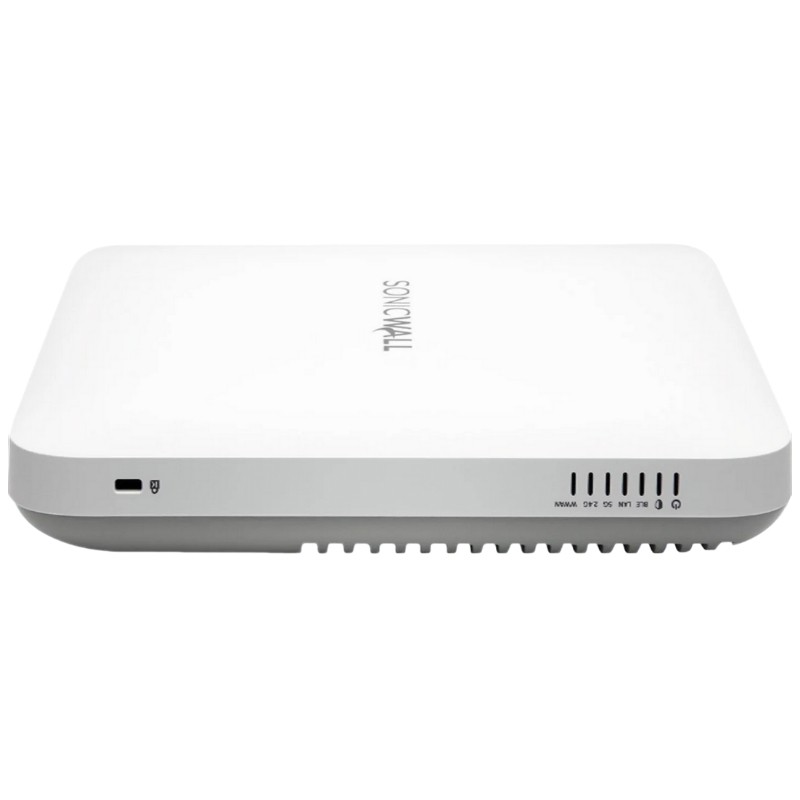


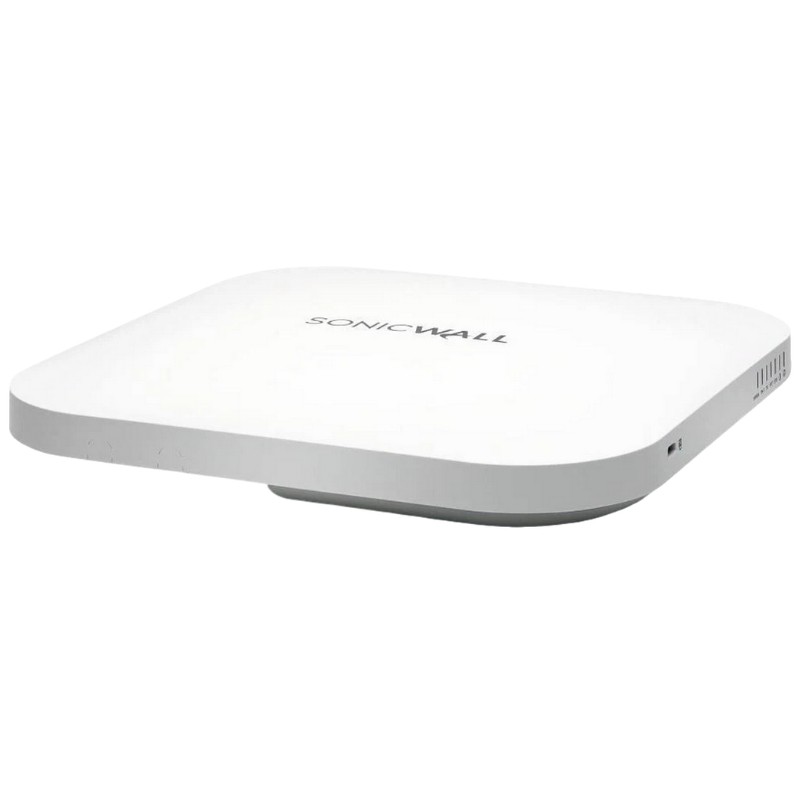
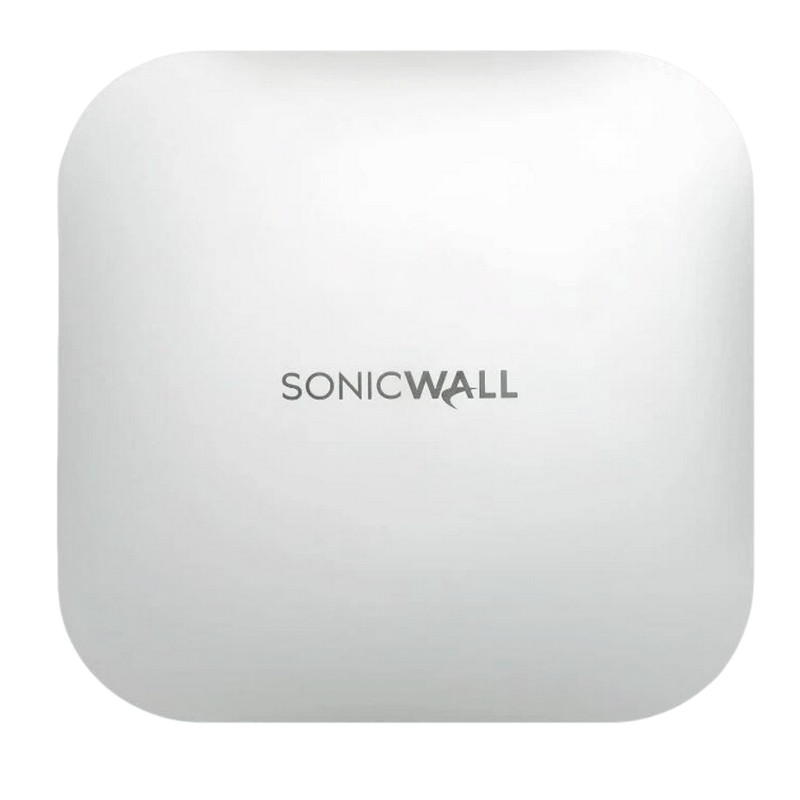
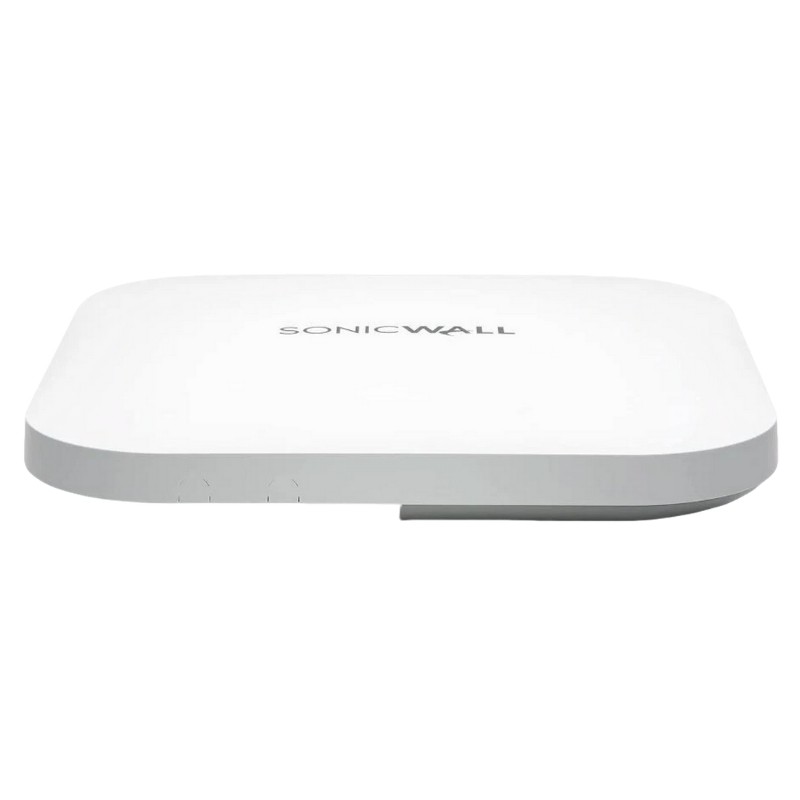
SonicWall 03-SSC-0722 Sonicwave 621 2.5GBPS Gigabit Ethernet Essential Secure PoE+ Wireless Access Point. Factory-Sealed New in Original Box (FSB) with 3 Years Warranty
Engineered for high-performance enterprise environments, this indoor networking device delivers robust and secure wireless coverage.
Designed For Organizations Seeking High-Performance, Secure, And Cost-Effective Wireless Connectivity, The SonicWall 03-SSC-0722SonicWave 621 Series Represents A Balanced Solution For Small To Medium-Sized Enterprises, Branch Offices, And Managed Service Providers. This Category Emphasizes Reliable 2.5Gbps Multigigabit Ethernet Connectivity Coupled With Security Features That Integrate Seamlessly Into Modern Network Architectures. The Device Family Focuses On Delivering Stable Wireless Coverage, Robust User Experience, And Simplified Management Without Compromising On SonicWall’s Core Security Principles.
Performance Is A Primary Pillar For This Category, With Emphasis On Multigigabit Connectivity That Supports High-Density Environments And Bandwidth-Hungry Applications. Security Is Equally Central, As SonicWall Integrates Advanced Wireless Protections To Safeguard Users And Data From Common Wireless Threats. Manageability And Deployment Flexibility Round Out The Category’s Core Strengths, Offering Centralized Cloud-Based Controls And A Range Of Installation Options That Fit Diverse Physical Site Constraints.
The 03-SSC-0722 SonicWave 621 Category Prioritizes High Throughput Via 2.5Gbps Ethernet Uplinks, Which Allow Single-Device Aggregation Of Multiple Client Streams Without Bottlenecking Internal Traffic. This Capability Is Particularly Relevant For Sites Where Multiple Concurrent Video Streams, Large File Transfers, And Low-Latency Applications Are The Norm. The Access Points In This Category Typically Provide Dual-Band Operation With Optimized Radio Chains To Ensure Balanced Load Across The 2.4GHz And 5GHz Bands, Reducing Interference And Improving Aggregate Capacity.
Advanced Radio Designs Support Multiuser MIMO And Spatial Stream Optimization, Which Improve Overall Network Efficiency When Multiple Clients Communicate Simultaneously. The Category Embraces Industry-Standard Techniques Such As Channel Bonding And Dynamic Channel Selection To Optimize Airtime Usage. These Devices Are Engineered To Deliver Predictable Performance In Environments With Dense Device Populations, Including Office Floors, Classrooms, Retail Spaces, And Conference Areas.
Security Remains A Defining Attribute Of The SonicWall Wireless Portfolio, And The 03-SSC-0722 SonicWave 621 Category Integrates Several Layers Of Protection That Operate At The Access Point Level And Within The Management Plane. The Category Emphasizes Secure Onboarding, Rogue Device Detection, And Encryption Best Practices To Protect Data In Transit. Additional Security Controls Help Enforce Network Segmentation And Limit Lateral Movement By Compromised Devices.
Authentication Options Within This Category Typically Include WPA3 Support Where Available, 802.1X Integration For RADIUS-Based Enforcement, And Role-Based Access Controls That Allow Administrators To Map User And Device Types To Appropriate VLANs Or Security Policies. These Mechanisms Make It Easier To Distinguish Between Corporate Devices, Guest Users, And IoT Endpoints, Each Receiving A Tailored Level Of Network Privilege.
Ease Of Management Is A Cornerstone Of The Category, With SonicWall Offering Centralized Tools That Simplify Configuration, Monitoring, Firmware Updates, And Policy Enforcement. Administrators Benefit From Cloud-Based Dashboards That Provide Visibility Into Client Activity, Throughput Metrics, And Security Events. Deployment Flexibility Includes Standalone Operation For Simple Installations, Controller-Less Mesh Topologies For Extending Coverage, And Full Integration With Central Management Platforms For Multi-Site Rollouts.
Cloud-Based Management Platforms Associated With This Category Present A Unified View Of Wireless Deployments Across Locations. These Platforms Often Provide Detailed Analytics That Highlight Traffic Trends, Application Usage Patterns, And Potential Security Anomalies. Administrators Can Use Role-Based Dashboards To Delegate Monitoring Tasks, Automate Routine Maintenance, And Schedule Firmware Upgrades To Maintain Consistent Security Posture Across All Deployed Access Points.
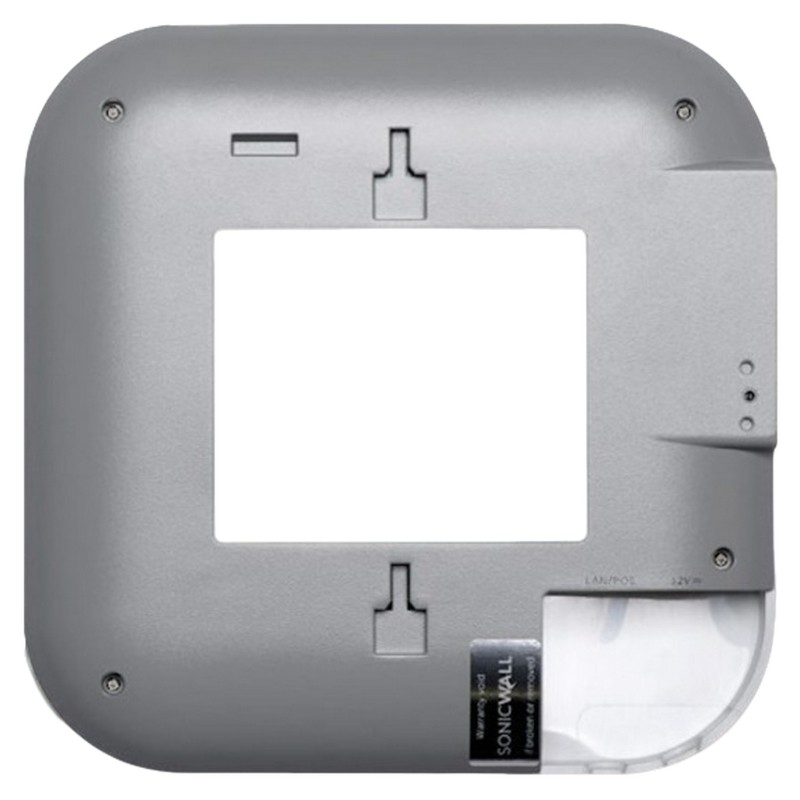
The 03-SSC-0722 SonicWave 621 Category Includes Form Factors And Mounting Options That Cater To Office Ceilings, Wall-Mounted Halls, And Open Areas. The Design Focuses On Low-Profile Aesthetics, Reliable Thermal Management, And Power Options That Include PoE Alternatives. When Considering Site Design, This Category Encourages Placement Strategies That Maximize Coverage While Avoiding Channel Overlap And Co-Channel Interference.
Deployers Should Evaluate Power Delivery Mechanisms, Especially Where High Performance Or Additional Modules Are Required. While Multigigabit Ethernet Links Provide The Bandwidth Needed For High-Density Deployments, Power Options Such As 802.3at PoE+ Or Similar Standards Ensure That Devices Receive Adequate Power Without Requiring Separate AC Outlets. Thoughtful Cabling Design Also Reduces Latency And Improves Reliability For Critical Applications.
The 03-SSC-0722 SonicWave 621 Category Suits A Broad Range Of Use Cases, From Small Branch Offices Requiring Secure Connectivity For Dozens Of Users To Larger Enterprise Spaces That Need To Support Hundreds Of Concurrent Devices. Typical Environments Include Professional Services Offices, Education Campuses, Retail Locations, Healthcare Clinics, And Hospitality Venues. Each Use Case Benefits From The Category’s Emphasis On Secure Authentication, Predictable Throughput, And Centralized Management.
In Educational Environments, The Requirement To Serve A Large Number Of Student Devices Concurrently Makes Radio Planning And Capacity Management Critical. The SonicWave 621 Category Offers The Performance Headroom Needed For Digital Classrooms, Video Streaming, And Collaborative Tools. Additionally, Enhanced Authentication Schemes Facilitate Secure Access For Faculty, Staff, Guests, And Student-Owned Devices.
Beyond Baseline Connectivity And Security, The 03-SSC-0722 SonicWave 621 Category May Include Advanced Capabilities That Differentiate It From Commodity Access Points. These Features Often Focus On Enhancing Operational Efficiency, Strengthening Security Signals, And Enabling Richer Telemetry For Proactive IT Management. The Category Aims To Combine SonicWall’s Security Expertise With Wireless Engineering To Deliver A Unique Value Proposition.
Radio-Level Threat Detection Monitors For Rogue Access Points, Unusual Traffic Patterns, And Potential Packet Manipulation. When Integrated With Central Security Appliances, These Wireless-Specific Alerts Can Trigger Automated Responses Such As Quarantining Devices, Enforcing Captive Portals, Or Adjusting Radio Parameters To Mitigate Interference. Such Capabilities Are Valuable For Environments Where Compliance And Threat Visibility Are Important.
With The Proliferation Of IoT Devices, The Category Provides Mechanisms For Profiling Unknown Devices, Assigning Appropriate Policy Templates, And Limiting Access To Only The Services Those Devices Require. This Reduces Attack Surfaces And Helps Administrators Balance Innovation With Security Control.
Built-In Quality Of Service Mechanisms Allow Administrators To Prioritize Latency-Sensitive Traffic Such As Voice And Video Over Less Critical Bulk Transfers. Application-Level Identification And Prioritization Assist In Delivering A Smoother End-User Experience For Real-Time Collaboration Tools And Unified Communications Platforms.
The 03-SSC-0722 SonicWave 621 Category Is Designed To Operate As Part Of A Broader SonicWall Security Ecosystem. Tight Integration With Firewalls, Secure SD-WAN Solutions, And Central Management Consoles Enables Policy Consistency Across Wired And Wireless Domains. This Convergence Simplifies Security Management And Reduces Complexity For Teams Managing Hybrid Networks.
When Wireless Policies Are Managed Centrally, Organizations Can Ensure That Access Controls, Content Filtering, And Security Profiles Follow Users Across Multiple Sites. The Category Encourages Administrators To Leverage Central Rule Sets To Maintain Compliance And Implement Rapid Policy Changes When Required.
Access Points In This Category Typically Feature Neutral Coloration And Slim Profiles To Minimize Visual Impact. This Is Particularly Important In Retail And Hospitality Environments Where The Visual Experience Contributes To Brand Perception. Mounting Kits Often Provide Flexible Placement Options For Ceilings, Walls, Or Freestanding Installations.
Commercial-Grade Components And Rigor In Manufacturing Ensure That Devices Maintain Performance Over Long Service Lives. Organizations Should Evaluate Environmental Ratings If Devices Will Be Deployed In Non-Standard Locations Such As Warehouses Or Semi-Outdoor Areas Where Temperature And Dust Exposure Could Be Factors.
To Maximize The Value Of The SonicWave 621 Category, Administrators Should Follow Best Practices For Radio Planning, Security Hardening, And Lifecycle Management. Proper Channel Planning, Regular Firmware Updates, And A Focus On Secure Authentication Will Ensure A Stable, High-Performing Wireless Environment That Meets Organizational Needs.
Conducting A Pre-Deployment Site Survey Helps Identify Optimal Access Point Locations, Detect Potential Sources Of Interference, And Establish Expected Coverage Patterns. A Thorough Survey Also Guides Decisions On Antenna Orientation, Channel Allocation, And Required Device Density To Achieve Desired Throughput And Signal Strength.
Maintaining An Up-To-Date Firmware Baseline Is Crucial For Security And Stability. Central Management Platforms Facilitate Scheduled Firmware Rollouts That Minimize Disruption While Ensuring Critical Security Fixes Are Applied Promptly. Administrators Should Test Major Firmware Versions In A Controlled Environment Before Mass Deployment To Avoid Unexpected Service Impacts.
Forecasting Future Capacity Needs Involves Tracking Trends In Application Usage, Average Connected Device Counts, And Peak Throughput Events. Regularly Reviewing Usage Metrics And Planning Upgrades Well Before Capacity Limits Are Reached Helps Prevent Performance Degradation. Lifecycle Management Practices Such As Staged Replacements And Hardware Refresh Planning Reduce Operational Disruption.
Maintaining Interoperability With Network Ecosystems Ensures That Wireless Deployments Can Seamlessly Integrate With Evolving WAN Technologies, Cloud Platforms, And Security Orchestration Tools. Organizations Should Prioritize Vendors That Demonstrate A Clear Roadmap For Supporting Emerging Standards And Providing Backward Compatibility Where Appropriate.
When Evaluating Products In This Category, Decision-Makers Should Consider Performance Benchmarks, Security Feature Sets, Management Capabilities, Total Cost Of Ownership, And Vendor Support. Real-World Testing In Representative Environments, Along With Reference Deployments And Customer Case Studies, Helps Validate Suitability For Specific Organizational Needs.
Running Pilot Deployments In Representative Locations Enables IT Teams To Validate Coverage, Performance Under Real User Loads, And Integration With Existing Security Workflows. Pilot Programs Also Offer An Opportunity To Fine-Tune Policies, Verify Provisioning Workflows, And Gather End-User Feedback Before Full-Scale Rollout.
In This Scenario, The Firm Leverages Centralized Templates To Ensure That Each Branch Adheres To The Same Security Baselines. Zero-Touch Provisioning Accelerates New Site Openings, While Central Analytics Provide IT With The Visibility Needed To Troubleshoot And Optimize Network Performance Across The Footprint.
Hospitality Environments Need To Balance Performance, Guest Experience, And Security. The 03-SSC-0722 SonicWave 621 Category Enables The Creation Of Segmented Guest Networks That Deliver Fast, Reliable Connectivity While Protecting Back-End Systems. Management Consoles Help Enforce Usage Policies And Provide Operators With Usage Analytics For Capacity Planning.


 Contact Us
 Information
 Catalog
 Solid State Drives (SSD)
 Network Switches
 Hard Disk Drives
 HBA & Controllers
 PC & Servers
 PC & Server Memory
 CPU & Processors
 Network Routers
 Power Supplies
 Tape Drives & Libraries
 Network Devices
 Computer & Network Cables