(7% discount is applied at checkout)
Cart is empty
Your go-to destination for cutting-edge server products
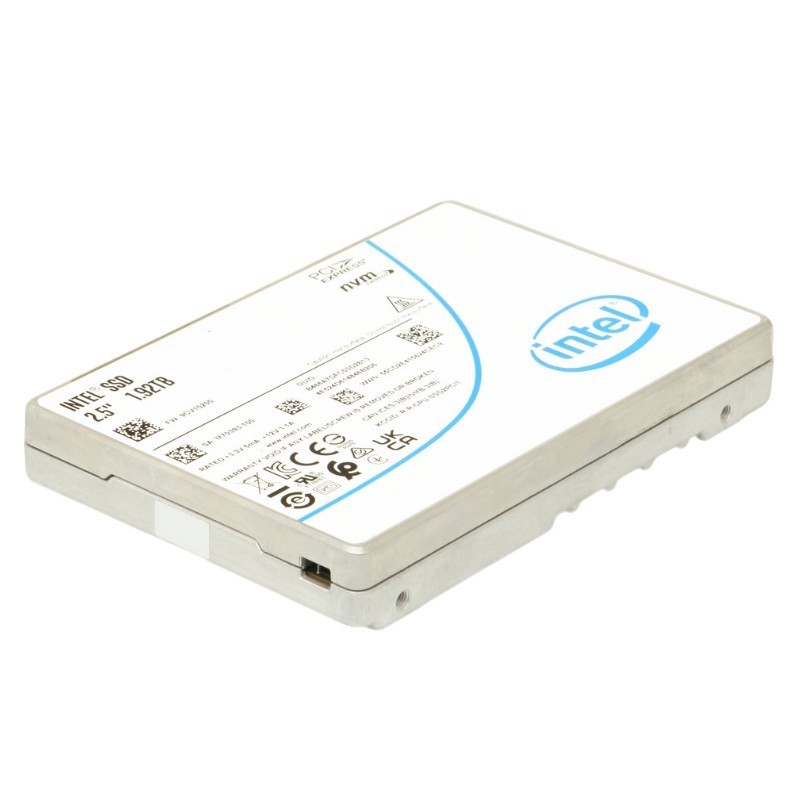


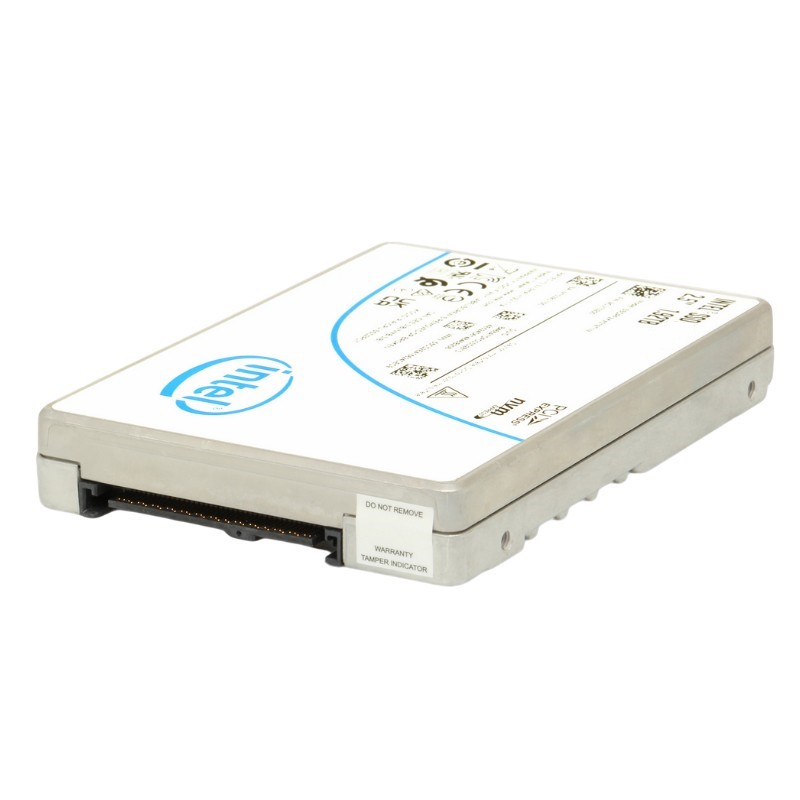
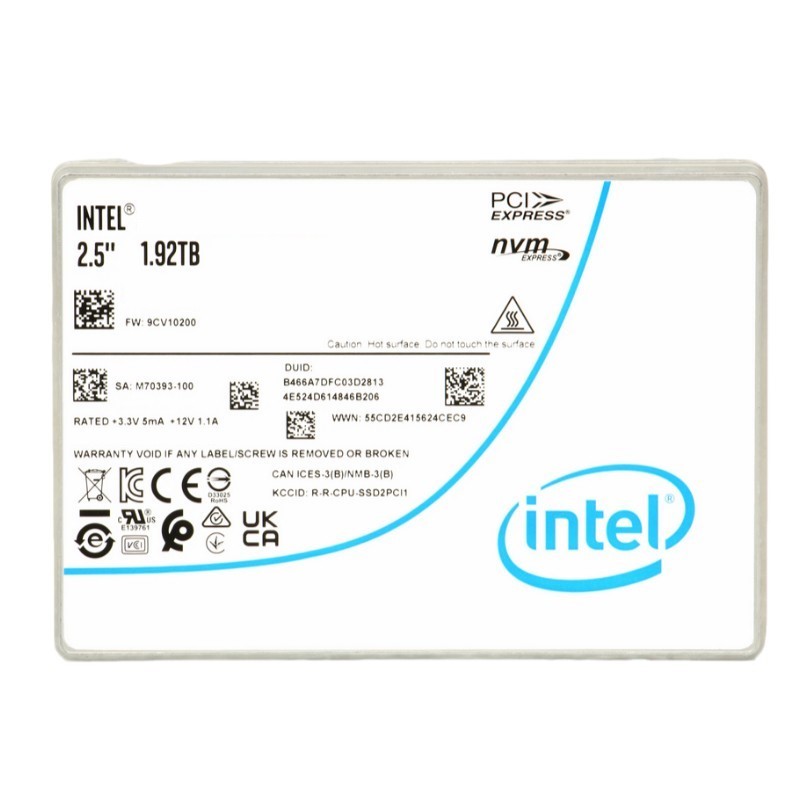
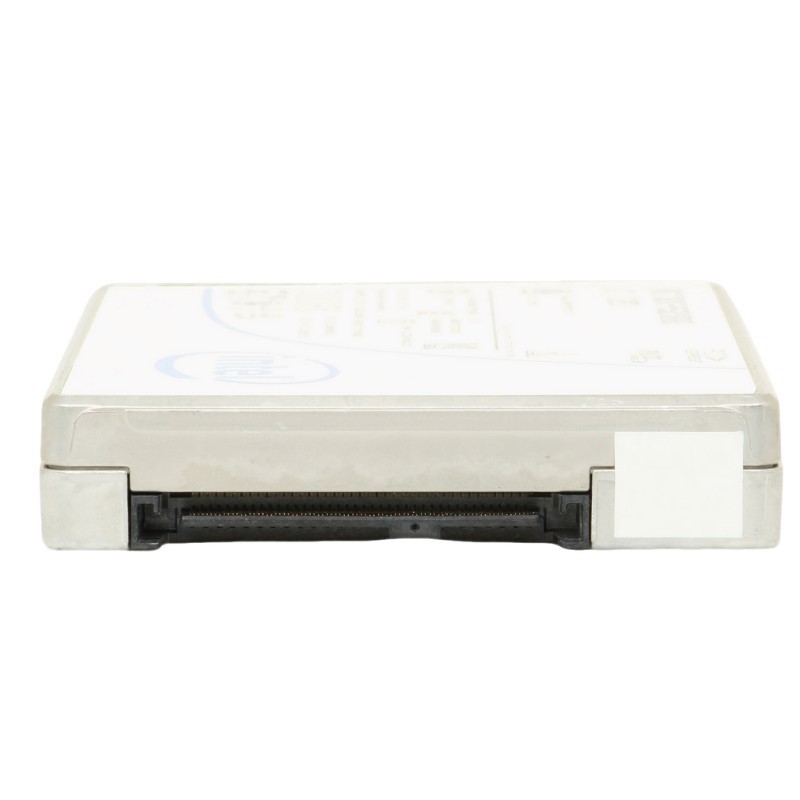
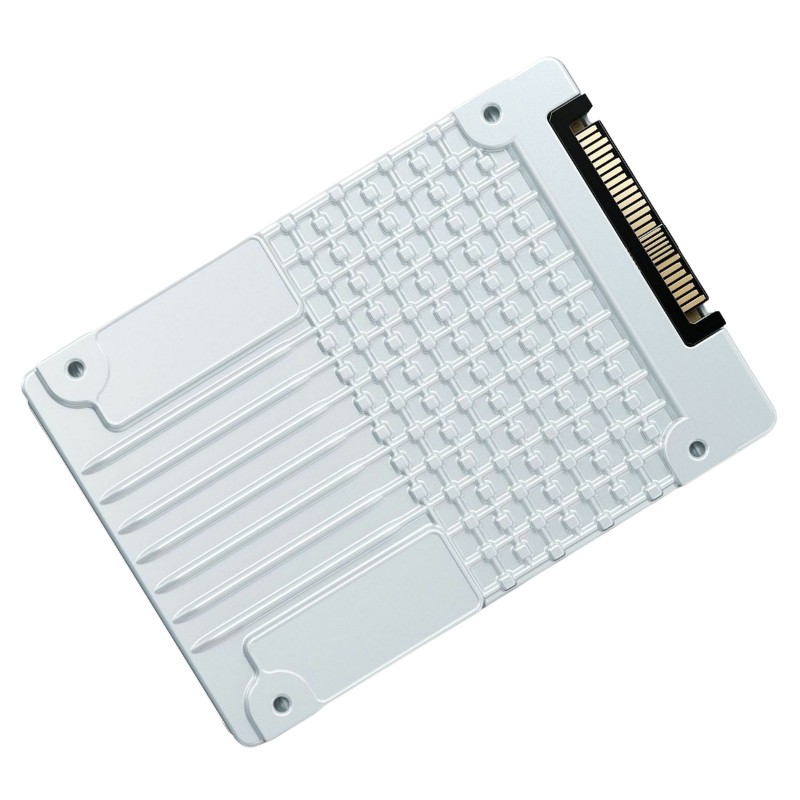
Intel SSDPF2KX019T9K D7-P5500 1.92TB PCI Express 4.0 x4 NVMe SFF Internal Solid State Drive. New (System) Pull with 1 Year Replacement Warranty
This analysis provides an in-depth examination of the Intel D7-P5500, a high-performance internal solid-state drive engineered for demanding data center and enterprise applications.
The Intel D7-P5500 family represents a high-performance enterprise NVMe SSD category engineered for demanding data center workloads. The model SSDPF2KX019T9K, in its 1.92TB capacity point, sits within a class of storage products designed to deliver a balance of sustained throughput, low latency, and predictable Quality of Service for mixed read/write, random and sequential access patterns. This continuous category description explores the technical attributes, targeted use cases, deployment considerations, and buyer guidance that define this enterprise NVMe segment. Content is focused on functionality, operational benefits, system integration, and optimization tactics that matter to storage architects, cloud operators, and procurement teams.
At the core of this category is the adoption of the PCI Express 4.0 x4 interface coupled with the NVMe protocol. PCIe 4.0 provides a doubling of per-lane bandwidth compared with PCIe 3.0, enabling higher sequential throughput on NVMe flash media without requiring additional lanes or host resources. NVMe, designed specifically for non-volatile memory, unlocks parallelism through multiple I/O submission and completion queues, reducing overhead and improving queue depth efficiency. Together these technologies allow drives like the SSDPF2KX019T9K D7-P5500 1.92TB to serve high-concurrency workloads with lower CPU utilization and faster I/O completion than older SATA or SAS-based SSDs. The small form factor and SFF internal design make the drive compatible with modern server drive bays, add-in card slots with carriers, and direct-attached or composable infrastructure where NVMe is preferred for density and performance.
Enterprise NVMe drives in this category typically pair advanced controllers with high-density NAND to maximize usable capacity while maintaining endurance and consistent performance. Controllers incorporate sophisticated firmware to manage wear leveling, garbage collection, and background media management tasks. For enterprise deployments, firmware behavior is tuned to minimize performance variance under sustained and mixed workloads. The NAND flash used is selected for enterprise endurance profiles, with over-provisioning and error correction mechanisms to ensure data integrity and drive longevity. These design choices are critical to delivering the predictable I/O characteristics expected from a premium enterprise SSD family.
When evaluating this category, buyers prioritize a set of performance attributes: steady-state throughput under sustained workloads, low and predictable latency for both reads and writes, high random IOPS especially at low queue depths common in multi-tenant environments, and strong mixed workload handling. Drives in this segment are optimized for scenarios where consistent performance is more valuable than short-term peak bursts — for example, virtualized infrastructure, heavy database activity, search indexes, and transaction processing systems. Thermal throttling behavior and performance under high ambient temperatures are also key criteria because they affect real-world throughput and QoS in dense rack deployments.
Latency distribution and tail latency are essential metrics for enterprise NVMe SSD categories. Low 99th and 99.9th percentile latencies ensure that a single slow I/O does not cascade into application-level timeouts or degraded user experience. Drives in this class include firmware-level optimizations to cap background maintenance jitter and to return predictable service levels under sustained load. Quality of Service in the storage stack is achieved through a combination of efficient NVMe command scheduling, host-level I/O shaping, and drive-level algorithms that prevent expensive background tasks from interfering with foreground I/O during critical windows.
Endurance metrics, commonly expressed in drive writes per day (DWPD) or total terabytes written (TBW) over a warranty period, distinguish enterprise drives from client-class consumer products. The category represented by Intel’s D7-P5500 targets data center durability through higher endurance ratings, enterprise-grade error correction, and power-loss protection mechanisms. Reliability extends beyond raw write endurance to include features such as persistent write caches, robust SMART telemetry, and cryptographic erase capabilities for secure decommissioning. For organizations running write-intensive analytics, logging, or caching layers, the higher endurance tier reduces replacement frequency and total cost of ownership.
Enterprise NVMe drives often integrate power-loss protection to ensure that in-flight data in volatile caches is either flushed to non-volatile media or preserved in a way that prevents corruption. Firmware resilience is equally important; enterprise firmware undergoes extensive validation to prevent field failures, and drives often support secure firmware update mechanisms and rollback protection. Together these capabilities make the category suitable for mission-critical storage tiers where data integrity and continuity are non-negotiable.
This category of SSDPF2KX019T9K NVMe SSDs excels in a range of modern data center workloads. Primary use cases include virtual machine datastore acceleration in hyperconverged infrastructure, persistent storage for containerized platforms, primary storage for high-performance databases, indexing and search systems, real-time analytics, AI/ML training pipelines that require rapid random reads, and caching layers that bridge DRAM and slower back-end storage tiers. The combination of NVMe parallelism, high IOPS, and low latency enables these drives to reduce query latency, increase transactions per second, and improve the responsiveness of end-user facing applications.
Transactional databases demand consistent low-latency I/O for both small random reads and writes. NVMe enterprise drives in this category can significantly improve transaction throughput and reduce commit latency. Mixed workload handling — the ability to process concurrent random reads and writes without steep degradation — is particularly valuable in multi-tenant database clusters and cloud-hosted database as a service environments. Architectural choices, such as prioritizing background compaction scheduling and predictable garbage collection, enable these drives to maintain high service consistency for databases.
For cloud service providers and hosting operators, the drive’s ability to provide predictable I/O under diverse tenant workloads is critical. Enterprise NVMe SSDs in this class allow denser VM consolidation, improved VM boot times, and faster snapshot and cloning operations. Features such as namespace partitioning and NVMe-MI compatibility enable advanced multi-tenant management and telemetry, helping operators isolate and monitor tenant I/O behavior and provision storage resources more transparently.
Deploying drives from this enterprise NVMe category requires careful planning around host platform compatibility, cooling, power delivery, and firmware lifecycle management. Systems architects should verify motherboard and server compatibility with PCIe 4.0 devices and ensure that BIOS and NVMe driver stacks are updated to fully exploit the performance envelope. Rack-level airflow patterns and drive bay spacing matter because NVMe SSD controllers and NAND packages can generate sustained thermal loads under heavy I/O. Adequate thermal headroom prevents throttling and preserves long-term reliability.
Enterprise SSD firmware is a living component of the storage stack. Firmware updates often contain performance improvements, security fixes, and reliability patches. An effective deployment includes a firmware maintenance policy that schedules non-disruptive updates, verifies compatibility with host drivers and orchestration tools, and maintains an audit trail for regulatory and operational purposes. Drive telemetry, accessible through NVMe health logs and vendor management tools, helps practitioners decide when a firmware update is required or when a drive should be retired based on SMART indicators.
The SSDPF2KX019T9K 1.92TB capacity point is optimized for use as a high-performance building block within tiered storage architectures. Organizations typically combine these drives with higher-capacity, lower-cost media for cold or archival tiers while reserving NVMe drives for hot data, metadata stores, and performance-sensitive caches. This stratified approach reduces overall storage costs while delivering top-tier responsiveness where it matters. For instance, pairing NVMe drives as a front-end cache in front of denser bulk storage yields a cost-effective balance for large-scale analytics or object storage front-ends.
Scalability planning is influenced by drive density per server, I/O demand per host, and network fabric capabilities. NVMe drives enable high-density storage nodes with impressive IOPS per rack U, but designers must consider host CPU utilization, NVMe controller offload characteristics, and fabric bandwidth to avoid bottleneck shifts from storage to network or compute layers. When scaling out, consistent performance across multiple nodes is achieved through homogeneous drive selection, consistent firmware versions, and uniform thermal management.
Security features in this category include support for encryption standards, secure erase capabilities, and compliance-oriented features that assist in meeting regulatory requirements. Drive-level encryption reduces the need for host-side encryption in some architectures and aids rapid secure decommissioning. Enterprise drives often support hardware-based encryption and secure key management interfaces compliant with industry standards, enabling integration with broader key management and HSM solutions used in regulated environments.
Benchmarks and synthetic tests provide useful baselines but should be complemented with application-level measurements. Capture metrics such as 99th-percentile latency under mixed loads, steady-state throughput over extended durations, and behavior during simulated failure or power-loss events. Use representative dataset sizes, concurrency levels, and I/O mixes reflective of production environments to ensure meaningful validation. Long-term soak tests that stress the drive’s garbage collection and wear leveling algorithms reveal how performance evolves over the life cycle.


 Contact Us
 Information
 Catalog
 Solid State Drives (SSD)
 Network Switches
 Hard Disk Drives
 HBA & Controllers
 PC & Servers
 PC & Server Memory
 CPU & Processors
 Network Routers
 Power Supplies
 Tape Drives & Libraries
 Network Devices
 Computer & Network Cables