
(7% discount is applied at checkout)
Cart is empty
Your go-to destination for cutting-edge server products
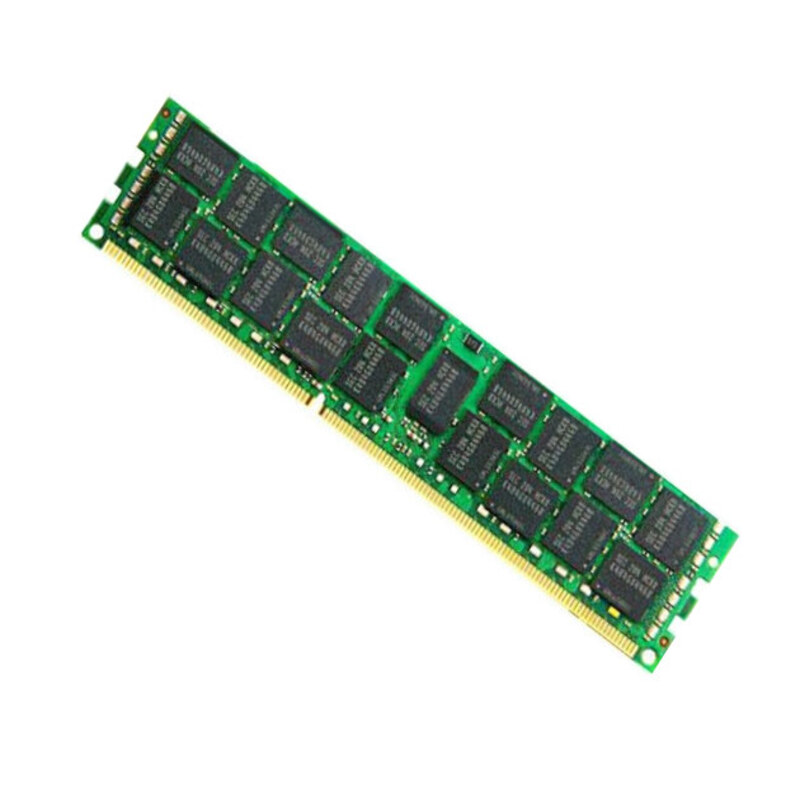
Supermicro MEM-DR416LA-ER29 16GB DDR4 SDRAM 2933MHz PC4-23400 CL22 ECC Registered Single Rank X4 1.2V 288-Pin RDIMM RAM. New (System) Pull with 1 year replacement warranty - Samsung Version
The Supermicro MEM-DR416LA-ER29 is a high-performance memory module designed for enterprise-grade servers and workstations. With advanced DDR4 SDRAM technology, this RAM ensures reliability, speed, and efficiency for demanding computing environments.
The Supermicro MEM-DR416LA-ER29 16GB DDR4 SDRAM module represents a specialized class of enterprise-grade memory designed for server environments that demand consistent reliability, efficient data throughput, and long-term stability. Built with advanced DDR4 technology, this registered DIMM (RDIMM) operates at 2933MHz, delivering optimized performance for modern data center workloads. Its PC4-23400 bandwidth classification ensures that high-volume data transfers are handled with precision, making it suitable for virtualization, cloud infrastructure, database management, and high-performance computing environments.
DDR4 SDRAM technology marks a significant improvement over previous generations in terms of power efficiency, speed, and density. Operating at 1.2V, this memory module reduces overall power consumption, which is a critical factor in large-scale server deployments. Lower voltage not only decreases energy costs but also contributes to reduced heat output, improving the longevity of system components and reducing cooling requirements.
The 2933MHz speed rating allows faster data transfer between the memory and CPU, ensuring minimal latency and improved responsiveness for demanding workloads. This is particularly important in enterprise systems where multiple applications and virtual machines run simultaneously. DDR4 also supports higher module densities, allowing servers to scale memory capacity without increasing physical footprint.
Error-Correcting Code (ECC) memory is essential in mission-critical systems where data integrity cannot be compromised. The Supermicro MEM-DR416LA-ER29 incorporates ECC functionality that automatically detects and corrects single-bit memory errors, significantly reducing the risk of system crashes and data corruption. This makes it ideal for environments such as financial systems, healthcare databases, and scientific computing platforms where accuracy is paramount.
Registered DIMMs include a register between the memory module and the system’s memory controller. This register helps stabilize data signals, allowing for more memory modules to be installed without compromising system performance. As a result, RDIMM modules like this one are commonly used in servers and workstations rather than consumer desktops.
The registered architecture provides enhanced signal integrity by buffering memory commands and addresses. This leads to improved system stability, especially in multi-DIMM configurations. Servers that require large memory capacities benefit from RDIMM modules because they allow more modules per channel while maintaining performance consistency.
Another advantage is improved scalability. As businesses grow and workloads increase, servers can be upgraded with additional RDIMM modules without risking signal degradation. This flexibility ensures that IT infrastructure can evolve alongside organizational needs.
The Supermicro MEM-DR416LA-ER29 features a single rank X4 configuration, which plays a key role in its performance and compatibility. A single rank module contains one block of memory accessible by the memory controller, allowing for simplified addressing and reduced latency in certain configurations.
The X4 chip organization indicates that each memory chip handles four bits of data. This configuration is particularly beneficial for ECC memory, as it enhances error detection and correction capabilities. In enterprise environments, this contributes to improved system reliability and fault tolerance.
Single rank modules are often preferred in scenarios where lower latency is critical. While dual-rank modules may offer higher density, single rank modules can provide faster access times under certain workloads. Combined with X4 chip architecture, this module strikes a balance between performance efficiency and robust error correction.
The CL22 latency rating of this module indicates the number of clock cycles required to access data. While higher clock speeds generally improve performance, latency also plays a critical role in determining overall responsiveness. The combination of 2933MHz speed and CL22 latency provides a balanced performance profile suitable for a wide range of server applications.
In multi-threaded environments, where multiple processes access memory simultaneously, this balance ensures efficient data handling without bottlenecks. The module’s design minimizes delays in data retrieval, contributing to smoother system operation and improved user experience.
With a PC4-23400 rating, this memory module supports high bandwidth, enabling faster data transfer rates between the CPU and memory. This is particularly important in applications such as virtualization, where multiple virtual machines share system resources. High bandwidth ensures that each virtual machine receives adequate memory access, preventing performance degradation.
Energy-efficient memory modules contribute to greener IT infrastructure. By reducing power consumption and heat output, organizations can lower their carbon footprint while maintaining high-performance standards. This aligns with modern sustainability goals and regulatory requirements in many industries.
Compatibility is a crucial factor when selecting server memory. The Supermicro MEM-DR416LA-ER29 is designed to work seamlessly with a wide range of server platforms that support DDR4 RDIMM modules. Its adherence to industry standards ensures that it can be integrated into existing systems without compatibility issues.
System administrators can deploy this module in compatible motherboards and processors with confidence, knowing that it meets stringent quality and performance standards. This reduces the risk of system instability and ensures smooth operation.


 Contact Us
 Information
 Catalog
 Solid State Drives (SSD)
 Network Switches
 Hard Disk Drives
 HBA & Controllers
 PC & Servers
 PC & Server Memory
 CPU & Processors
 Network Routers
 Power Supplies
 Tape Drives & Libraries
 Network Devices
 Computer & Network Cables