(7% discount is applied at checkout)
Cart is empty
Your go-to destination for cutting-edge server products


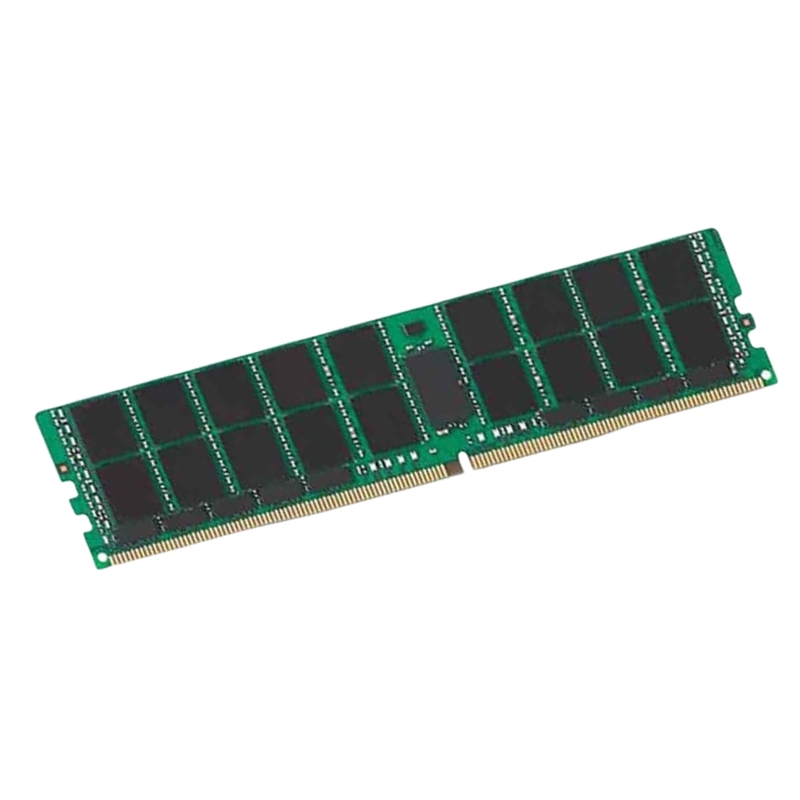
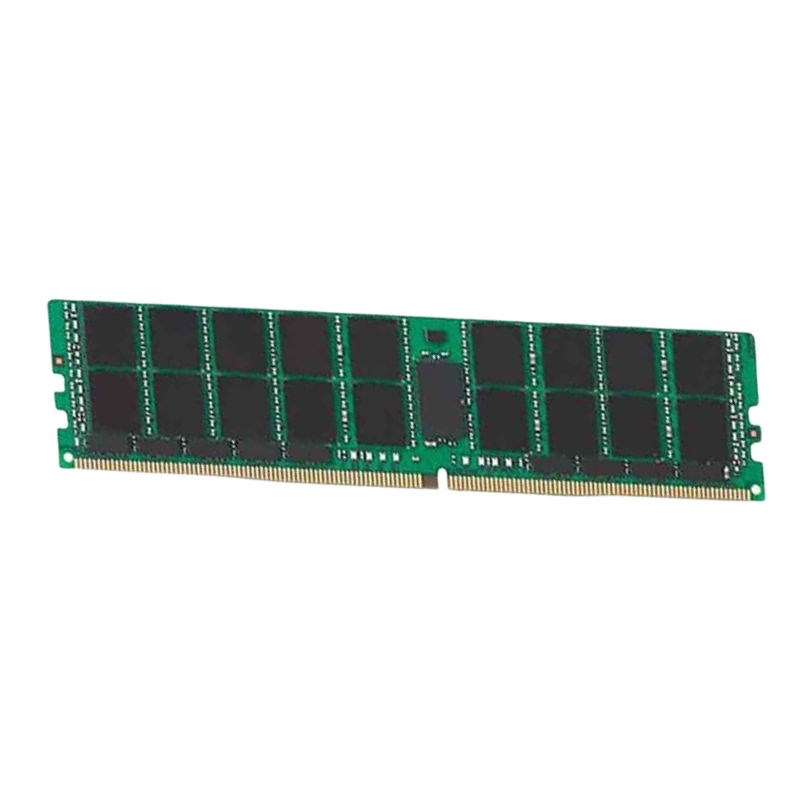
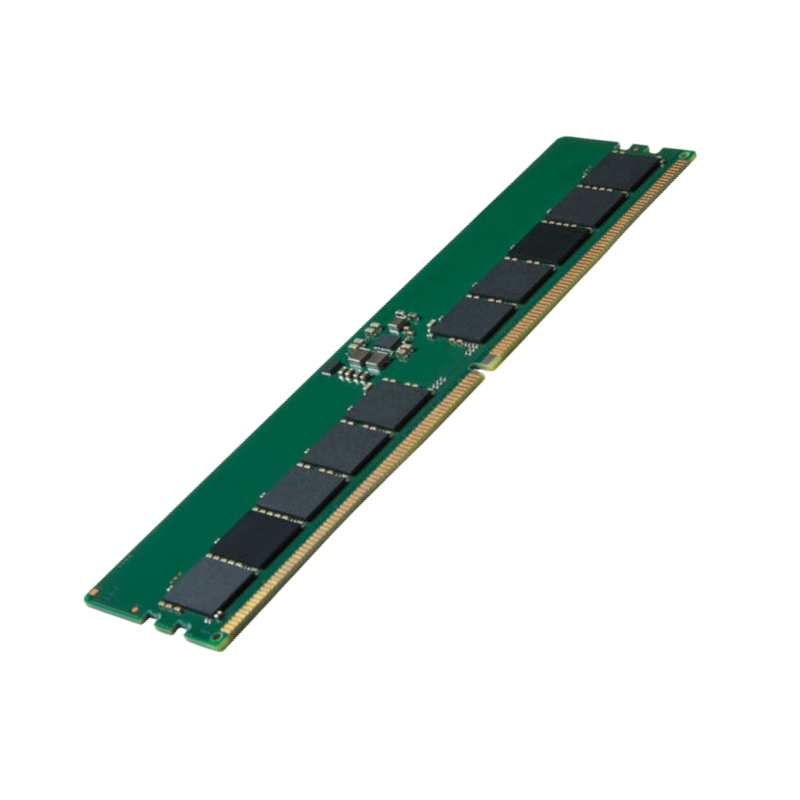
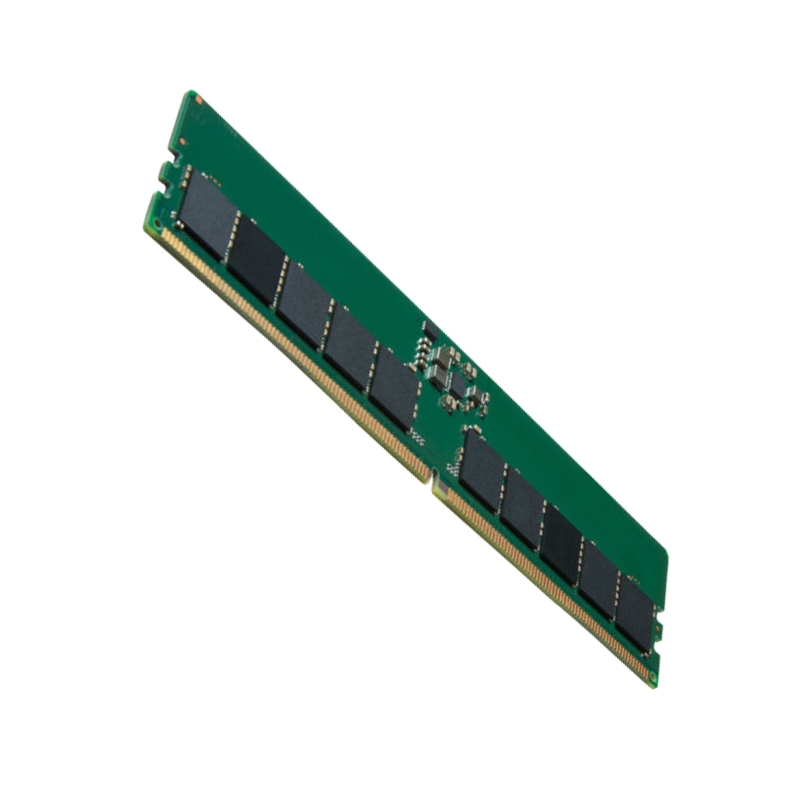
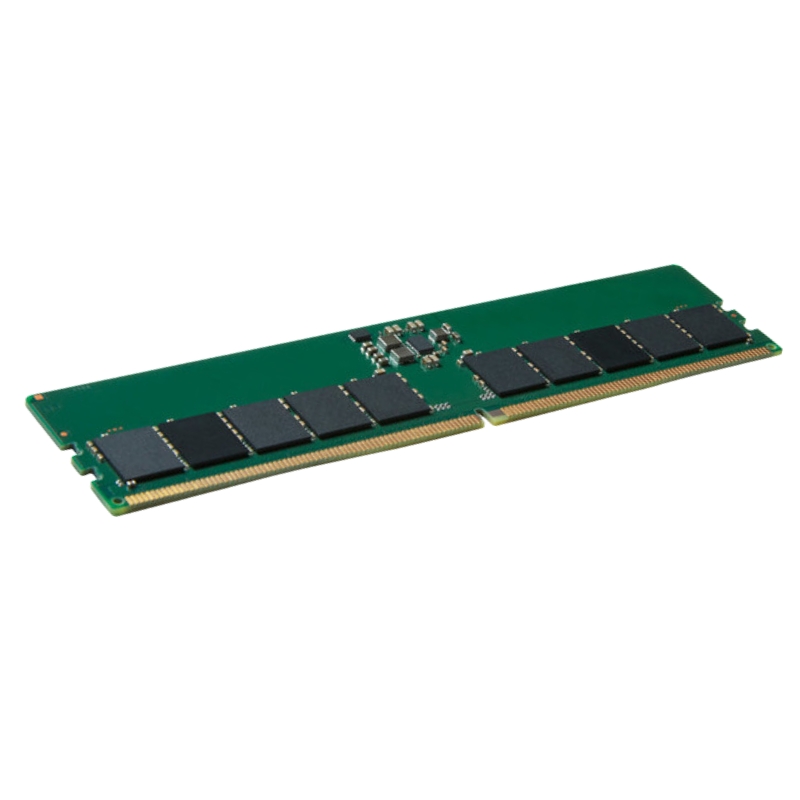
Supermicro MEM-DR564L-SL01-ER56 64GB DDR5 5600Mbps PC5-44800 2Rx4 ECC Memory Module. New (System) Pull with 1 year replacement warranty - Samsung Version
| SKU/MPN | Warranty | Price | Condition | You save |
|---|---|---|---|---|
| MEM-DR564L-SL01-ER56 | 1 Year Warranty | $2,688.00 | New (System) Pull | You save: $940.80 (26%) |
| MEM-DR564L-SL01-ER56 | 1 Year Warranty | $3,446.00 | New Sealed in Box (NIB) | You save: $1,206.10 (26%) |
This category is tailored for compatibility with the latest server processors and chipsets that support DDR5 memory. Enterprise buyers must ensure alignment between memory specifications and platform requirements, including supported speeds, capacities, and module types. DDR5 ECC RDIMM modules are commonly used in servers based on contemporary CPU architectures designed for data center workloads.
The enterprise-grade DDR5 ECC Registered DIMM (RDIMM) memory category is designed to meet the rigorous demands of modern data centers, cloud infrastructures, virtualization platforms, and high-performance computing environments. Products within this category, including the MEM-DR564L-SL01-ER56 Supermicro 64GB DDR5 5600Mbps PC5-44800 2Rx4 ECC Memory Module, represent a new generation of system memory that significantly improves bandwidth, efficiency, capacity, and reliability compared to previous DDR4 solutions. This category focuses on mission-critical workloads where data integrity, predictable performance, and long-term stability are non-negotiable requirements.
DDR5 represents a significant architectural evolution over DDR4, and this category emphasizes those advancements at a platform level. DDR5 memory introduces doubled bank groups, increased burst lengths, and higher base frequencies that collectively deliver substantial improvements in memory bandwidth. With data rates reaching 5600Mbps and beyond, DDR5 RDIMM modules enable processors to access data more efficiently, reducing bottlenecks in compute-intensive workloads.
Another defining architectural change is the integration of on-die ECC within DDR5 DRAM chips. While on-die ECC improves internal cell reliability, enterprise-class RDIMM modules also retain full end-to-end ECC functionality at the module and system level. This layered approach to error detection and correction enhances overall data integrity, making DDR5 ECC RDIMM memory especially suitable for environments where even single-bit errors can have serious consequences.
The registered DIMM design employed in this category uses a register (or buffer) between the memory controller and DRAM chips. This register reduces electrical load on the memory controller, enabling support for higher capacities and more populated memory channels. As server platforms scale to accommodate larger memory footprints, RDIMM modules ensure signal integrity and stable operation across all DIMM slots.
In high-density server configurations, registered DIMMs play a crucial role in maintaining consistent performance. By buffering command and address signals, RDIMM memory allows enterprise systems to achieve maximum capacity without compromising reliability or timing margins.
High-capacity memory modules are a defining feature of this category. A 64GB DDR5 ECC RDIMM provides a balance between density and flexibility, allowing system architects to scale memory resources according to workload demands. Whether deployed in dual-socket or multi-socket servers, these modules support large in-memory datasets, virtualization hosts with numerous virtual machines, and database systems that benefit from extensive caching.
The 2Rx4 configuration commonly found in this category refers to a dual-rank layout using x4 DRAM devices. This configuration enhances fault tolerance and memory interleaving efficiency, contributing to improved reliability and performance under heavy workloads. For enterprise buyers, understanding rank and chip organization is essential when optimizing memory layouts for specific server platforms.
DDR5 5600Mbps memory modules deliver a substantial increase in bandwidth compared to previous generations. With a theoretical peak bandwidth of PC5-44800, this category enables faster data movement between memory and CPU cores. Applications that rely on rapid data access, such as real-time analytics, financial modeling, and scientific simulations, benefit directly from these improvements.
In addition to raw bandwidth, DDR5 memory introduces enhancements in command efficiency and scheduling. These optimizations reduce latency in many scenarios, especially in multi-threaded and highly parallel workloads. The result is smoother performance scaling as core counts increase in modern server processors.
Virtualization platforms place unique demands on system memory, requiring consistent performance across multiple isolated workloads. DDR5 ECC RDIMM memory supports higher virtual machine density by providing ample capacity and stable bandwidth. Cloud service providers can allocate resources more efficiently, improving overall utilization and reducing infrastructure costs.
For containerized environments and microservices architectures, fast and reliable memory access is essential to maintain responsiveness. DDR5 memory in this category helps ensure predictable performance even during peak usage periods.
ECC (Error Correcting Code) memory is a cornerstone of enterprise computing, and this category places a strong emphasis on data integrity. ECC RDIMM modules detect and correct single-bit errors while detecting multi-bit errors, preventing data corruption that could otherwise lead to system crashes, incorrect calculations, or security vulnerabilities.
In environments such as financial services, healthcare, and scientific research, the cost of data errors can be extremely high. ECC memory provides peace of mind by safeguarding critical information and ensuring computational accuracy over extended periods of continuous operation.
Enterprise servers often operate around the clock, making memory reliability a key purchasing consideration. DDR5 ECC RDIMM modules are validated for continuous duty cycles and are designed to withstand thermal and electrical stress over long lifespans. This category prioritizes components that meet stringent quality standards and undergo extensive testing to ensure consistent performance.
Advanced error reporting and correction mechanisms also aid system administrators in identifying potential issues before they escalate, supporting proactive maintenance strategies.
DDR5 memory introduces improvements in power efficiency that are particularly valuable in large-scale deployments. By operating at lower voltages and incorporating on-module power management integrated circuits (PMICs), DDR5 RDIMM memory reduces overall power consumption while maintaining high performance.
Thermal management is another important aspect of this category. High-density memory modules generate heat under sustained workloads, and DDR5 designs include features that improve thermal distribution. Efficient heat dissipation contributes to system stability and allows servers to operate within optimal temperature ranges, even in densely packed racks.
Lower power consumption at the memory level translates into reduced cooling requirements and lower operational costs. For data centers focused on energy efficiency and sustainability, DDR5 ECC RDIMM memory supports initiatives to minimize power usage effectiveness (PUE) without sacrificing performance.
These efficiency gains become especially significant when deployed across hundreds or thousands of servers, amplifying the overall impact on energy budgets.
Platform validation is a key consideration, as server manufacturers qualify specific memory modules to ensure optimal performance and reliability. Choosing memory from this category helps reduce compatibility risks and simplifies deployment in certified server configurations.
As server architectures scale to multiple sockets and higher core counts, memory scalability becomes increasingly important. DDR5 RDIMM memory supports larger memory pools and higher aggregate bandwidth, enabling balanced system designs that avoid memory bottlenecks.
This scalability is essential for applications such as in-memory databases, large-scale analytics, and high-performance computing clusters, where memory capacity and throughput directly influence results.
The DDR5 ECC RDIMM memory category serves a wide range of industries and applications. In enterprise IT environments, these modules support core infrastructure services such as directory services, email servers, and enterprise resource planning systems. Their reliability and performance characteristics make them suitable for workloads that demand consistent uptime.
In research and engineering fields, DDR5 memory enables faster simulations, modeling, and data analysis. Scientific applications that process large datasets benefit from increased memory bandwidth and capacity, reducing computation times and improving productivity.
AI and machine learning workloads rely heavily on fast data access to train and infer models efficiently. While GPUs and accelerators play a major role, system memory remains critical for feeding data to these processing units. DDR5 ECC RDIMM memory provides the throughput and reliability needed to support complex AI pipelines.
As models grow in size and complexity, the ability to scale memory resources becomes a key factor in system design. This category addresses those needs with high-capacity, high-speed modules.
DDR5 ECC RDIMM memory modules in this category adhere to industry standards set by organizations such as JEDEC. Compliance with these standards ensures interoperability, predictable performance, and adherence to electrical and thermal specifications.
Quality assurance processes typically include rigorous testing at multiple stages of production. These tests verify signal integrity, error correction functionality, and compatibility with target platforms, ensuring that each module meets enterprise-grade expectations.
Enterprise buyers often require long-term availability and consistent specifications to support standardized deployments. This category emphasizes products with stable lifecycles, enabling organizations to expand or refresh systems without introducing compatibility issues.
Long-term support and documentation are also important factors, as they simplify procurement and maintenance over the lifespan of server infrastructure.
While memory is not always the first component considered in security planning, its role in data protection is significant. ECC memory helps prevent data corruption that could be exploited or lead to incorrect system behavior. In secure computing environments, maintaining data integrity at every layer contributes to overall system trustworthiness.
DDR5 memory advancements also support modern security features implemented at the platform level, complementing encryption and access control mechanisms.
High-density server deployments place unique demands on memory subsystems. DDR5 ECC RDIMM modules are designed to operate reliably in environments with limited airflow and high ambient temperatures. Efficient thermal characteristics and power management features support stable operation in densely packed racks.
For colocation facilities and hyperscale data centers, these attributes are critical to maintaining service levels while maximizing compute density.
Adopting DDR5 ECC RDIMM memory positions organizations to take advantage of future platform enhancements. As processors continue to increase core counts and integrate new features, memory subsystems must evolve in parallel. DDR5 provides a foundation that supports emerging workloads and next-generation server architectures.
By investing in this category, enterprises can extend the useful life of their infrastructure and reduce the frequency of major upgrades, aligning technology investments with long-term business goals.
Modern servers incorporate sophisticated management frameworks that provide visibility into hardware components, including memory. DDR5 ECC RDIMM modules integrate seamlessly with these ecosystems, enabling administrators to monitor performance, health, and configuration from centralized management consoles.
This level of integration simplifies large-scale operations and supports automation initiatives, such as predictive maintenance and dynamic resource allocation.
When selecting memory from this category, enterprise buyers consider factors such as compatibility, performance requirements, reliability, and total cost of ownership. High-quality DDR5 ECC RDIMM memory represents an investment in system stability and performance, reducing the risk of downtime and data loss.
Standardized part numbers, detailed specifications, and clear documentation support efficient procurement processes and simplify inventory management across large organizations.
Memory is a critical component of balanced server design, influencing overall system performance as much as CPUs and storage. DDR5 ECC RDIMM memory helps ensure that processing power is not underutilized due to memory constraints. By providing ample bandwidth and capacity, this category supports harmonious interaction between all system components.
In workloads where memory access patterns dominate performance, the advantages of DDR5 become especially pronounced, making it a key consideration in enterprise architecture planning.
Predictable performance is essential in enterprise environments where service level agreements (SLAs) must be met consistently. DDR5 ECC RDIMM memory contributes to this predictability by delivering stable throughput and minimizing the risk of memory-related errors.
For organizations running mission-critical applications, the assurance provided by enterprise-grade memory is a fundamental requirement rather than an optional feature.


 Contact Us
 Information
 Catalog
 Solid State Drives (SSD)
 Network Switches
 Hard Disk Drives
 HBA & Controllers
 PC & Servers
 PC & Server Memory
 CPU & Processors
 Network Routers
 Power Supplies
 Tape Drives & Libraries
 Network Devices
 Computer & Network Cables