
(7% discount is applied at checkout)
Cart is empty
Your go-to destination for cutting-edge server products
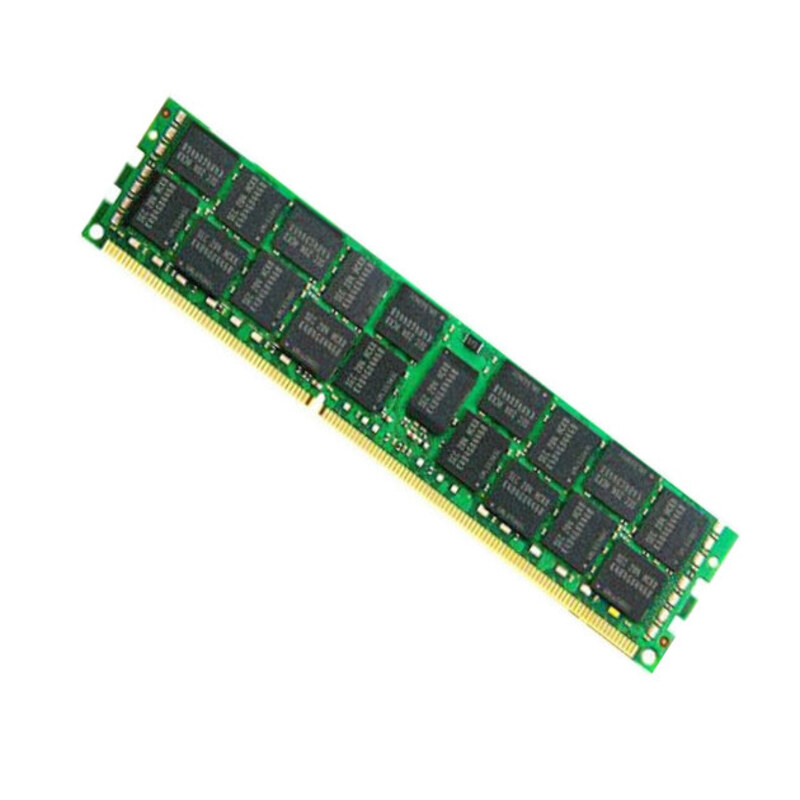
Supermicro MEM-DR464L-SL01-LR24 64GB 2400MHz Pc4-19200 Cas-17 Ecc Registered Quad Rank X4 DDR4 SDRAM 288-Pin Lrdimm Memory Module. New (System) Pull with 1 Year Replacement Warranty - Samsung Version
The Supermicro MEM-DR464L-SL01-LR24 is a high-capacity enterprise-grade memory module designed for demanding server and workstation environments. Built with reliability, performance, and scalability in mind, this 64GB DDR4 LRDIMM ensures consistent operation in data centers, virtualization platforms, and mission-critical computing systems.
The Supermicro MEM-DR464L-SL01-LR24 64GB DDR4 memory module represents a specialized category of enterprise-grade server memory engineered for data centers, cloud infrastructures, virtualization platforms, and mission-critical computing environments. This category focuses on high-capacity, load-reduced memory solutions that enable servers to scale memory footprints efficiently while maintaining signal integrity, performance consistency, and long-term reliability. Built on DDR4 SDRAM technology and designed in a 288-pin LRDIMM form factor, this class of memory is essential for organizations seeking to maximize memory density per socket without sacrificing system stability.DDR4 LRDIMM memory modules like this Supermicro model are widely deployed in multi-socket server architectures where memory bandwidth, capacity scalability, and power efficiency are primary considerations. The 64GB capacity per module allows system architects to populate fewer DIMM slots while still achieving large total memory configurations, simplifying system design and improving airflow within densely packed server chassis. This category addresses the needs of modern enterprise workloads that demand consistent performance under heavy memory utilization.
This memory category is built on DDR4 SDRAM architecture, which introduced significant improvements over previous DDR3 generations. DDR4 memory modules operate at lower voltages, deliver higher data rates, and support increased memory densities, making them ideal for contemporary server platforms. With a rated speed of 2400MHz and PC4-19200 bandwidth, this class of memory supports fast data transfers that are critical for database-driven applications, analytics workloads, and virtualized environments.
The PC4-19200 specification indicates a theoretical peak bandwidth of 19.2GB per second per module, enabling servers to handle concurrent processes with minimal latency. This level of throughput ensures smooth performance for memory-intensive workloads such as in-memory databases, virtualization hosts, enterprise resource planning systems, and high-performance computing clusters. The DDR4 architecture also improves burst length and prefetch capabilities, further enhancing overall system responsiveness.
The 2400MHz operating frequency positions this memory category as a balanced solution between performance and stability. While higher frequencies may be available, 2400MHz remains a widely supported and optimized speed across a broad range of Intel Xeon and AMD EPYC server platforms. This ensures broad compatibility while maintaining predictable latency characteristics, which is essential for enterprise deployments where consistency is as important as raw performance.
Servers equipped with 2400MHz DDR4 memory can efficiently support mixed workloads, including transaction processing, application hosting, virtualization, and containerized services. The frequency is particularly well-suited for environments where memory capacity and reliability are prioritized alongside sustained performance under continuous operation.
Memory modules in this category deliver PC4-19200 bandwidth, providing the data throughput required for modern multi-core processors. As CPUs continue to increase core counts, memory bandwidth becomes a critical factor in preventing bottlenecks. This category ensures that each processor core has sufficient access to memory resources, reducing contention and improving overall system efficiency.
High bandwidth memory supports faster data retrieval, improved caching efficiency, and better handling of parallel workloads. This makes the Supermicro MEM-DR464L-SL01-LR24 category suitable for virtualization hosts running dozens of virtual machines, as well as data analytics platforms that rely on rapid access to large datasets.
Error Correcting Code registered memory is a defining feature of this category. ECC technology automatically detects and corrects single-bit memory errors while identifying multi-bit errors, significantly reducing the risk of data corruption and system crashes. This level of protection is essential in enterprise and mission-critical environments where data integrity directly impacts business continuity and operational reliability.
Registered memory, also known as buffered memory, includes a register between the memory controller and the DRAM chips. This register reduces the electrical load on the memory controller, allowing systems to support more memory modules and higher total capacities. In large server configurations, registered memory improves signal integrity and ensures stable operation even when all DIMM slots are populated.
Memory modules in this category are designed for continuous 24/7 operation in data center environments. ECC registered DDR4 memory minimizes the risk of unexpected downtime caused by memory-related errors, making it ideal for servers hosting critical applications such as financial systems, healthcare databases, telecommunications platforms, and cloud services.
The combination of ECC and registered design ensures that memory errors are handled transparently without impacting application performance. This contributes to higher system uptime, lower maintenance costs, and improved confidence in infrastructure reliability.
This category of Supermicro memory modules is engineered to meet stringent enterprise validation standards. Compatibility testing with supported server platforms ensures that the memory operates within specified parameters across temperature ranges, workloads, and system configurations. This level of validation reduces deployment risks and simplifies system integration for IT teams.
Registered ECC memory is typically required or strongly recommended by server manufacturers for use in multi-socket systems, ensuring compliance with platform specifications and warranty requirements.
Load-Reduced DIMM technology defines a key subcategory within enterprise DDR4 memory solutions. LRDIMM modules use a memory buffer to isolate the memory controller from the electrical load of the DRAM chips. This allows servers to support higher-capacity modules and more populated DIMM configurations without compromising stability or performance.
The Supermicro MEM-DR464L-SL01-LR24 falls into this load-reduced memory category, making it suitable for systems that require maximum memory density per socket. LRDIMM technology is especially valuable in virtualization hosts, in-memory databases, and large-scale analytics platforms where total memory capacity directly impacts performance and scalability.
By reducing the electrical load on the memory controller, LRDIMM modules enable higher memory capacities than traditional registered DIMMs. This allows organizations to scale memory independently of CPU upgrades, extending the useful life of server hardware and improving return on investment.
Load-reduced memory also improves signal integrity at higher capacities, ensuring reliable data transmission even in fully populated server configurations. This makes LRDIMM memory a preferred choice for enterprise deployments that require predictable performance at scale.
This category is commonly deployed in database servers, virtualization clusters, private and public cloud infrastructures, and scientific computing environments. Applications that rely on large in-memory datasets benefit significantly from the increased capacity and stability offered by load-reduced DDR4 memory.
High-capacity LRDIMM memory also supports advanced features such as memory overcommitment in virtualization platforms, allowing more virtual machines to run on a single host without performance degradation.
The quad rank x4 configuration is a defining characteristic of this memory category. Quad rank modules contain four sets of memory ranks, allowing for higher capacity per module compared to single or dual rank designs. The x4 DRAM organization enhances error correction capabilities and is commonly used in enterprise-class memory modules.
This configuration enables the 64GB capacity of the Supermicro MEM-DR464L-SL01-LR24 module, making it suitable for servers that require large memory footprints without excessive DIMM counts. Quad rank memory is particularly beneficial in systems with limited DIMM slots per CPU socket.
Quad rank memory can influence memory controller behavior, but enterprise server platforms are designed to optimize performance with such configurations. The x4 organization supports robust ECC functionality, further enhancing data protection in critical applications.
This category is optimized for compatibility with modern server chipsets and processors that support high-density DDR4 LRDIMM modules, ensuring stable operation across supported platforms.
CAS latency is an important parameter in memory performance, representing the delay between a memory request and data availability. With a CAS latency rating of 17, this memory category balances performance and stability, providing predictable access times for enterprise workloads.
Lower CAS latency contributes to reduced memory access delays, which can improve application responsiveness, particularly in latency-sensitive environments such as transactional databases and real-time analytics platforms.
In enterprise environments, memory capacity and reliability often take precedence over minimal latency differences. A CAS-17 rating at 2400MHz delivers consistent performance that aligns with the requirements of large-scale workloads while maintaining system stability.
This category is designed to operate within manufacturer-specified timing parameters, ensuring long-term reliability and minimizing the risk of memory-related issues under sustained workloads.
The 288-pin DIMM form factor is standard for DDR4 server memory, ensuring compatibility with modern server motherboards. This category adheres to industry-standard dimensions and pin configurations, simplifying installation and replacement in enterprise systems.
The physical design of LRDIMM modules includes advanced PCB layouts and high-quality components to support reliable operation at high capacities and frequencies. Thermal considerations are also addressed to ensure stable performance in densely populated server environments.
DDR4 memory operates at lower voltages compared to previous generations, reducing overall power consumption and heat generation. This contributes to improved energy efficiency in data centers and helps manage thermal loads in high-density server deployments.
The load-reduced design further enhances efficiency by optimizing electrical signaling, reducing stress on the memory controller, and supporting stable operation under heavy workloads.
This category reflects Supermicro’s commitment to enterprise-quality components and rigorous validation processes. Memory modules are engineered to meet the demands of high-performance server environments, with a focus on compatibility, reliability, and long-term operational stability.
Supermicro memory solutions are commonly selected for use in Supermicro server platforms, ensuring seamless integration and optimal performance. This alignment between memory and server design simplifies procurement and deployment for organizations standardizing on Supermicro infrastructure.
While optimized for Supermicro servers, this category of memory is also designed to be compatible with a wide range of enterprise server platforms that support DDR4 LRDIMM modules. This flexibility allows IT teams to deploy memory across mixed environments while maintaining consistent performance characteristics.
Platform compatibility is critical for enterprise deployments, and memory in this category undergoes extensive testing to ensure stable operation under various configurations and workloads.
The Supermicro MEM-DR464L-SL01-LR24 category is suited for a broad range of enterprise applications. Virtualization platforms benefit from high memory density and ECC reliability, enabling higher virtual machine consolidation ratios. Database servers leverage the large capacity to keep datasets in memory, improving query performance and reducing disk I/O.
Cloud service providers and hosting environments use this category to build scalable, reliable infrastructure capable of supporting diverse customer workloads. Scientific computing and analytics platforms also benefit from the memory capacity and bandwidth offered by DDR4 LRDIMM modules.
Investing in high-capacity DDR4 LRDIMM memory allows organizations to scale their infrastructure efficiently. By maximizing memory per server, businesses can reduce hardware sprawl, lower power and cooling costs, and simplify management.
This category supports long-term infrastructure planning by providing a reliable foundation for evolving workloads and increasing memory demands. As applications continue to grow in complexity and data volume, enterprise-grade memory solutions like this remain a critical component of modern IT environments.


 Contact Us
 Information
 Catalog
 Solid State Drives (SSD)
 Network Switches
 Hard Disk Drives
 HBA & Controllers
 PC & Servers
 PC & Server Memory
 CPU & Processors
 Network Routers
 Power Supplies
 Tape Drives & Libraries
 Network Devices
 Computer & Network Cables