
(7% discount is applied at checkout)
Cart is empty
Your go-to destination for cutting-edge server products
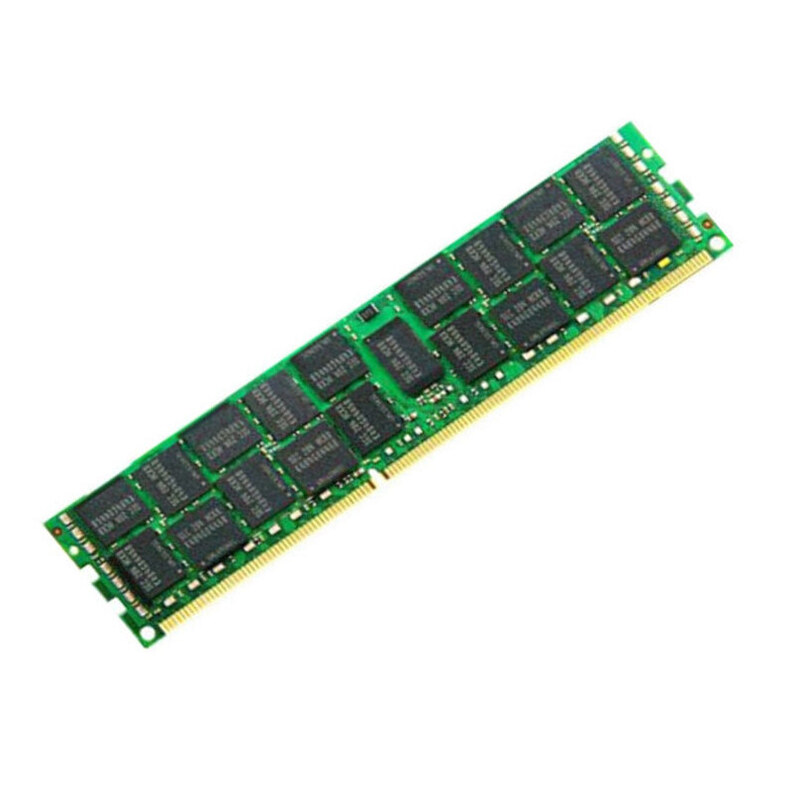
Supermicro MEM-DR464L-SL02-ER32 64GB 3200Mhz Pc4-25600 Cl24 Ecc Registered Dual Rank 288-Pin Rdimm Memory Module for Server. New (System) Pull with 1 year replacement warranty - Samsung Version
| SKU/MPN | Warranty | Price | Condition | You save |
|---|---|---|---|---|
| MEM-DR464L-SL02-ER32 | 1 Year Warranty | $1,142.00 | New (System) Pull | You save: $399.70 (26%) |
| MEM-DR464L-SL02-ER32 | 1 Year Warranty | $1,699.00 | New Sealed in Box (NIB) | You save: $594.65 (26%) |
Supermicro MEM-DR464L-SL02-ER32 64GB DDR4 RDIMM memory module belongs to an advanced enterprise memory category designed to support the growing demands of modern data centers, enterprise servers, cloud infrastructures, and virtualization-heavy environments.
The Supermicro MEM-DR464L-SL02-ER32 64GB DDR4 RDIMM memory module belongs to an advanced enterprise memory category designed to support the growing demands of modern data centers, enterprise servers, cloud infrastructures, and virtualization-heavy environments. This category focuses on high-speed, high-capacity DDR4 registered memory modules that deliver consistent performance, improved scalability, and enhanced reliability for mission-critical workloads. With a capacity of 64GB, a data rate of 3200MHz, and PC4-25600 bandwidth, this class of memory is optimized for next-generation server architectures that rely on fast memory access and high throughput.DDR4 RDIMM memory modules in this category are engineered for servers that must operate continuously under heavy workloads. They provide a balanced combination of speed, capacity, power efficiency, and error protection, making them suitable for enterprise applications such as virtualization, database management systems, enterprise resource planning platforms, artificial intelligence workloads, and large-scale analytics. The 288-pin RDIMM form factor ensures compatibility with a wide range of modern server motherboards and processor platforms.
This memory category is built on DDR4 SDRAM technology, which represents a significant evolution in server memory design. DDR4 introduced higher frequencies, greater memory densities, and reduced operating voltage compared to previous generations, enabling servers to achieve better performance per watt. These improvements are critical for data centers aiming to increase compute density while controlling power consumption and thermal output.
DDR4 memory modules in this category operate at 1.2 volts, contributing to lower energy usage and improved thermal efficiency. This allows servers to maintain stable operation even in densely packed racks, where thermal management is a key consideration. The architecture also supports higher bank counts and improved prefetch mechanisms, enabling more efficient data handling for multi-threaded and multi-core processors.
The 3200MHz operating frequency places this category at the high-performance end of DDR4 server memory. This speed is particularly important for modern processors with high core counts, as it ensures that memory bandwidth keeps pace with CPU processing capabilities. Faster memory access reduces bottlenecks, allowing applications to scale more effectively across multiple cores.
Servers equipped with 3200MHz DDR4 memory are well-suited for workloads that require rapid data movement, such as real-time analytics, high-frequency trading platforms, machine learning training, and large-scale virtualization. This category supports the performance requirements of enterprises transitioning to more data-intensive and latency-sensitive applications.
The PC4-25600 specification indicates a theoretical peak bandwidth of 25.6GB per second per module. This level of throughput is essential for maintaining system responsiveness in environments where multiple applications and virtual machines compete for memory resources. High bandwidth ensures that data flows efficiently between memory and processors, minimizing wait times and improving overall system utilization.
In multi-socket server configurations, PC4-25600 memory helps balance memory access across processors, supporting non-uniform memory access architectures and improving performance consistency. This makes the category particularly suitable for enterprise servers designed to handle diverse and unpredictable workloads.
Error Correcting Code registered memory is a defining characteristic of this category. ECC technology plays a critical role in maintaining data integrity by detecting and correcting single-bit errors and identifying multi-bit errors. In enterprise environments where data accuracy and system stability are paramount, ECC memory significantly reduces the risk of data corruption, application crashes, and unplanned downtime.
Registered memory includes a register that buffers address and command signals between the memory controller and the DRAM chips. This buffering reduces electrical load on the memory controller, enabling servers to support more memory modules and higher total memory capacities. Registered ECC memory is a standard requirement for most enterprise-class server platforms.
This memory category is designed for systems that must operate reliably under continuous load. ECC registered DDR4 memory is widely used in financial systems, healthcare platforms, telecommunications infrastructure, and cloud services where even minor data errors can have significant consequences. The ability to correct memory errors in real time enhances system stability and protects critical data.
By minimizing memory-related failures, this category contributes to higher service availability and reduced maintenance overhead. IT teams benefit from fewer troubleshooting incidents and improved confidence in system reliability.
Memory modules in this category are engineered to meet strict enterprise validation standards. Compatibility testing ensures proper operation with supported processors, chipsets, and server motherboards. This compliance is essential for maintaining vendor warranties and ensuring predictable performance across different deployment scenarios.
Registered ECC memory is often specified by server manufacturers as a requirement for supported configurations, making this category a safe and reliable choice for enterprise deployments.
The dual rank design of this memory category plays an important role in balancing performance and capacity. Dual rank modules contain two sets of memory ranks, allowing more efficient utilization of memory channels while maintaining compatibility with a wide range of server platforms. This architecture enables higher capacity per module compared to single rank designs without introducing the additional complexity of quad rank configurations.
Dual rank memory can improve memory interleaving and access efficiency, leading to better overall performance in many server workloads. This makes the Supermicro MEM-DR464L-SL02-ER32 category suitable for servers that require both high capacity and consistent performance.
Dual rank memory modules present a balanced electrical load to the memory controller, supporting stable operation at high frequencies such as 3200MHz. Modern server processors are optimized to take advantage of dual rank configurations, enabling improved throughput and reduced latency in many scenarios.
This category is particularly effective in systems where memory channels are fully populated, as dual rank modules can enhance memory access patterns and improve overall system efficiency.
CAS latency is a key timing parameter that influences memory access delays. With a CL24 rating at 3200MHz, this category delivers predictable and stable performance suitable for enterprise workloads. While lower latency values are desirable, higher-frequency memory often balances latency with increased bandwidth to achieve superior overall performance.
CL24 timing is optimized for reliability at high speeds, ensuring that memory operates within manufacturer-specified parameters even under sustained load. This stability is essential for servers that must maintain performance consistency over long periods of continuous operation.
In enterprise environments, overall system performance is influenced by a combination of latency, bandwidth, and capacity. This memory category prioritizes high bandwidth and capacity, which often have a greater impact on real-world workloads than marginal latency differences. Applications such as virtualization, databases, and analytics benefit more from increased throughput and memory availability.
The timing characteristics of this category are carefully tuned to deliver reliable performance across a wide range of workloads, making it a versatile choice for enterprise servers.
The 288-pin RDIMM form factor is the industry standard for DDR4 server memory, ensuring broad compatibility with modern server motherboards. This category adheres to standardized dimensions, pin layouts, and electrical specifications, simplifying installation and upgrades in enterprise environments.
RDIMM modules are designed with robust printed circuit boards and high-quality components to support stable operation at high frequencies. The physical design also considers airflow and thermal management, which are critical factors in densely populated server systems.
DDR4 memory modules in this category benefit from reduced operating voltage and improved power efficiency compared to earlier generations. Lower power consumption translates to reduced heat output, helping maintain stable temperatures within server enclosures.
Efficient thermal characteristics are especially important in large data centers where power and cooling costs represent a significant portion of operational expenses. This category supports energy-efficient infrastructure design without compromising performance.
This memory category reflects Supermicro’s focus on delivering enterprise-grade components that meet the demands of high-performance server environments. Supermicro memory modules are designed to integrate seamlessly with Supermicro server platforms, ensuring optimal compatibility and performance.
Extensive testing and validation processes ensure that memory modules meet strict quality and reliability standards. This commitment to quality makes Supermicro memory a trusted choice for organizations building or expanding enterprise infrastructure.
While optimized for Supermicro servers, this category of DDR4 RDIMM memory is also compatible with many industry-standard server platforms that support DDR4 registered memory. This flexibility allows organizations to deploy consistent memory solutions across heterogeneous environments.
Compatibility with major processor families ensures that this category remains relevant as server architectures continue to evolve.
This memory category supports long-term infrastructure scalability by enabling servers to be equipped with large memory capacities and high-speed access. As application demands grow, organizations can expand memory configurations without replacing entire systems, extending the lifespan of existing hardware.
High-capacity DDR4 RDIMM memory allows businesses to plan for future growth while maintaining predictable performance and reliability. This makes the Supermicro MEM-DR464L-SL02-ER32 category a strategic investment for enterprises seeking to build resilient and scalable IT infrastructure.
With support for high frequencies, large capacities, and enterprise reliability features, this category is designed to remain relevant as workloads evolve. Organizations adopting advanced analytics, artificial intelligence, and data-driven applications can rely on this memory class to support increasing demands.
The balance of performance, efficiency, and stability offered by this category makes it an essential component of modern server deployments focused on long-term value and operational excellence.


 Contact Us
 Information
 Catalog
 Solid State Drives (SSD)
 Network Switches
 Hard Disk Drives
 HBA & Controllers
 PC & Servers
 PC & Server Memory
 CPU & Processors
 Network Routers
 Power Supplies
 Tape Drives & Libraries
 Network Devices
 Computer & Network Cables