(7% discount is applied at checkout)
Cart is empty
Your go-to destination for cutting-edge server products
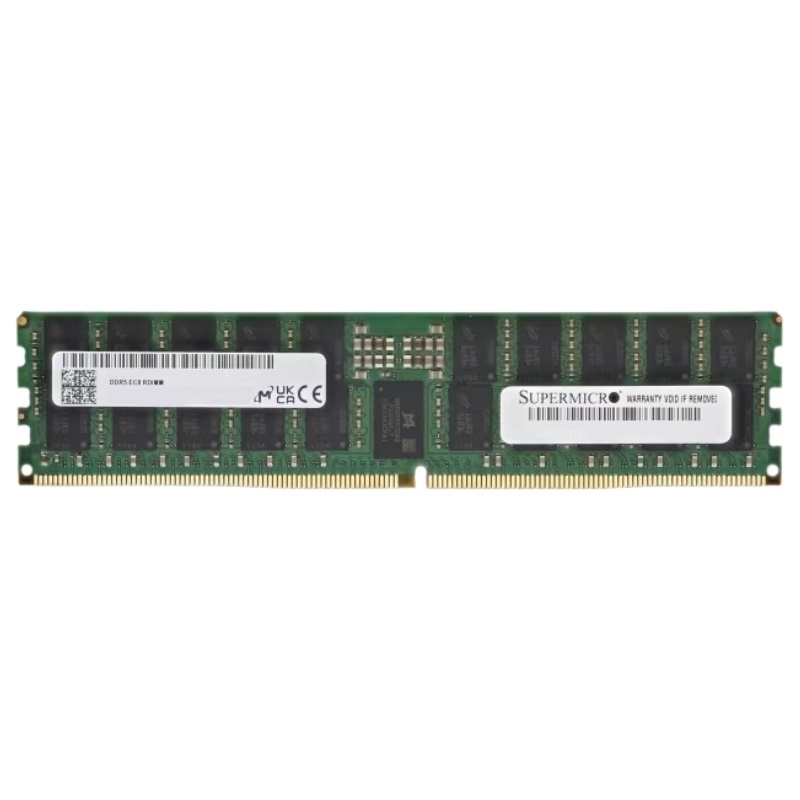


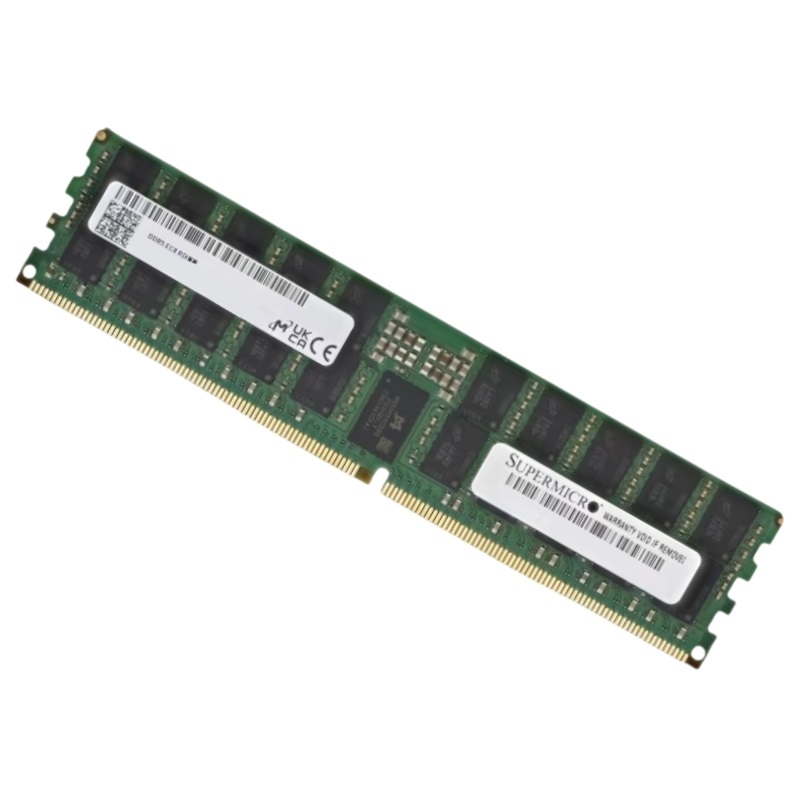
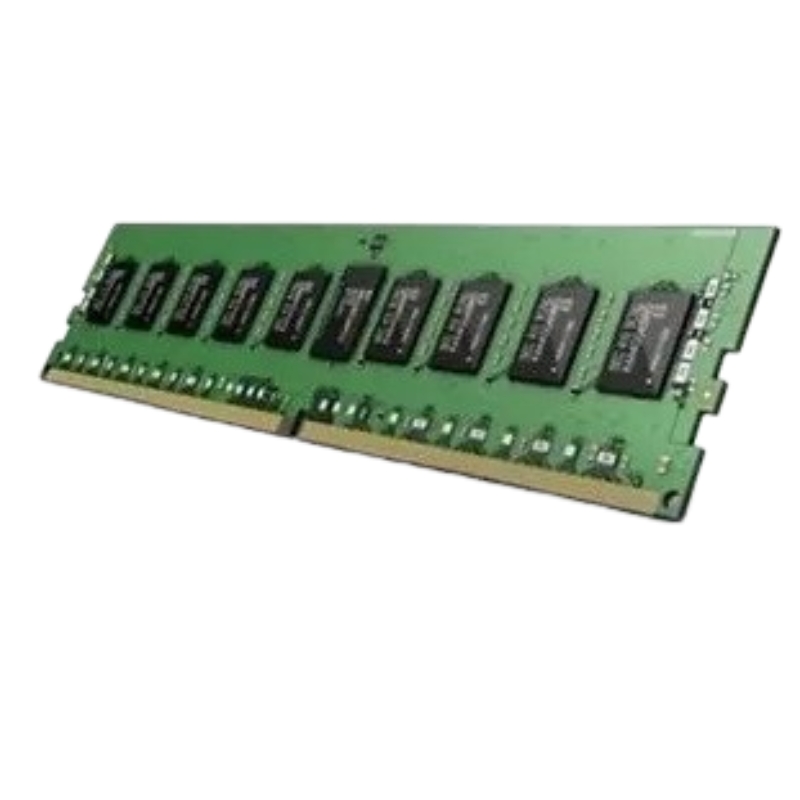
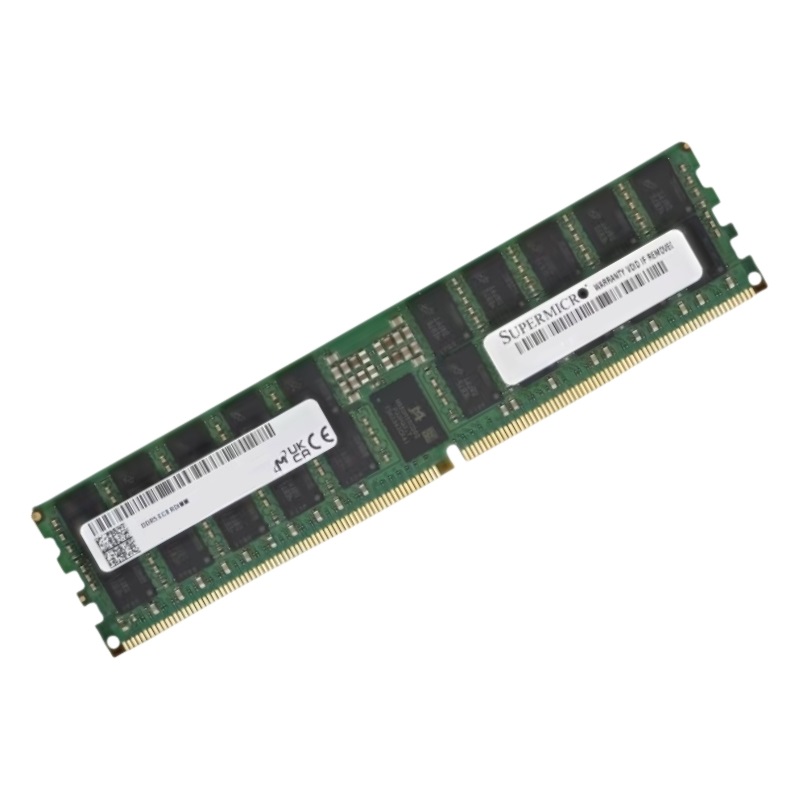
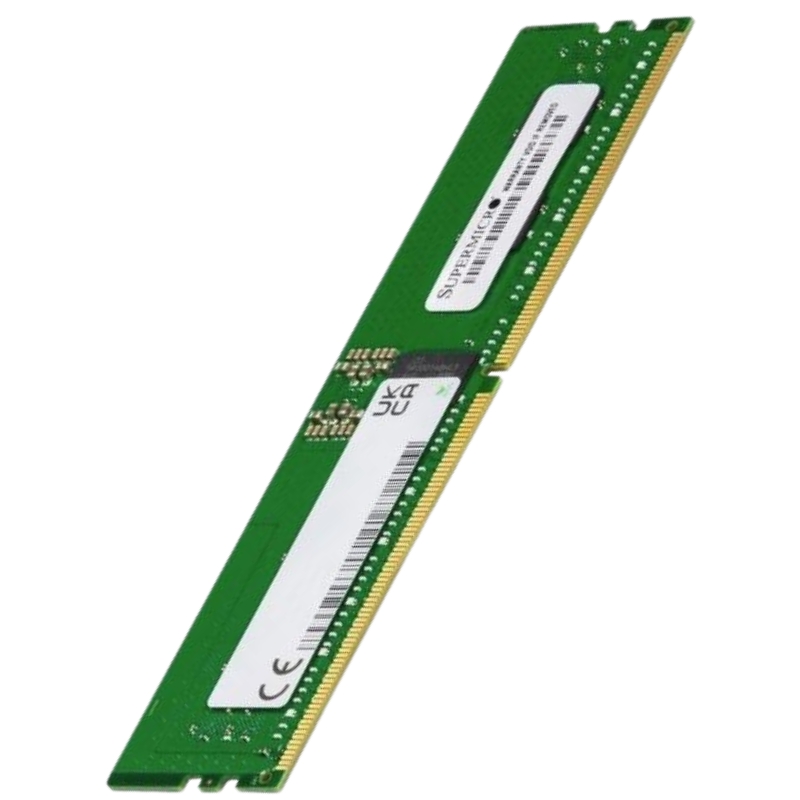
Supermicro MEM-DR516L-CL03-ER56 16GB Pc5-44800 DDR5 5600MHz SDRAM ECC Reg DIMM 288-pin Registered Memory. New Sealed in Box (NIB) with 3 years Replacement Warranty - micron Version
The Supermicro MEM-DR516L-CL03-ER56 is a high-performance 16GB DDR5 SDRAM ECC Registered DIMM designed to deliver exceptional speed, reliability, and efficiency for enterprise-grade systems.
The Supermicro MEM-DR516L-CL03-ER56 16GB PC5-44800 DDR5 5600MHz SDRAM ECC Registered DIMM represents a modern category of enterprise-grade system memory engineered to meet the demanding performance, reliability, and scalability requirements of contemporary server and workstation environments. This category focuses on high-speed DDR5 registered memory modules designed specifically for data centers, virtualization platforms, cloud infrastructure, and mission-critical enterprise computing workloads where stability and data integrity are essential.
DDR5 registered memory introduces a significant architectural evolution over previous DDR generations by offering increased bandwidth, improved power efficiency, and enhanced signal integrity. The PC5-44800 classification indicates an effective bandwidth capable of supporting advanced multi-core processors, enabling servers to process large datasets with reduced latency. Within this category, the Supermicro-certified module is designed to integrate seamlessly with compatible Supermicro motherboards and server systems, ensuring validated performance and long-term reliability.
This memory category is defined by the adoption of DDR5 SDRAM technology, which brings notable enhancements compared to DDR4. DDR5 memory operates at higher base frequencies, with this 5600MHz module delivering substantial throughput improvements that directly benefit compute-intensive applications such as database processing, artificial intelligence workloads, real-time analytics, and high-density virtualization. The increased memory bandwidth allows CPUs to access data more efficiently, reducing bottlenecks in multi-threaded server environments.
DDR5 also introduces on-module power management, which shifts voltage regulation responsibilities from the motherboard to the memory module itself. This architectural change improves power efficiency and stability, especially in densely populated server systems. Within this category, registered DDR5 memory is optimized for sustained operation under heavy loads, maintaining consistent performance while minimizing thermal and electrical fluctuations that could otherwise compromise system reliability.
The PC5-44800 designation places this memory within a high-performance tier of DDR5 modules. This classification corresponds to a theoretical maximum bandwidth of 44.8 GB/s per module, supporting modern processors that rely on fast memory access to maintain high instruction throughput. Servers equipped with multiple memory channels can leverage this bandwidth to maximize parallel processing efficiency, making this category particularly suitable for enterprise-scale deployments.
In practical terms, PC5-44800 memory enhances responsiveness across a wide range of server workloads, from transactional databases to in-memory computing platforms. This level of performance supports higher consolidation ratios in virtualized environments, allowing more virtual machines or containers to operate simultaneously without performance degradation.
Error-Correcting Code memory is a defining characteristic of this category, providing an essential layer of protection against data corruption. ECC memory detects and corrects single-bit memory errors in real time, significantly reducing the risk of system crashes, data loss, or silent data corruption. In enterprise and data center environments, where uptime and data accuracy are paramount, ECC functionality is a foundational requirement.
The Supermicro MEM-DR516L-CL03-ER56 module integrates ECC technology directly into its DDR5 architecture, ensuring continuous monitoring of memory operations. This capability is particularly valuable in applications that handle sensitive information, financial transactions, scientific simulations, and large-scale data processing. By maintaining data integrity at the hardware level, this category supports compliance, reliability, and long-term operational stability.
Servers deployed in mission-critical roles must operate continuously without unexpected interruptions. ECC registered memory plays a crucial role in achieving this reliability by mitigating the impact of transient memory errors caused by electrical interference or cosmic radiation. Within this category, ECC functionality contributes to predictable system behavior and reduces the need for manual intervention or unscheduled maintenance.
This reliability advantage translates into lower total cost of ownership for enterprises, as fewer system failures result in reduced downtime and maintenance expenses. Organizations that prioritize continuous availability and consistent performance benefit significantly from deploying ECC DDR5 memory in their server infrastructure.
Registered DIMMs, commonly referred to as RDIMMs, are a core element of this memory category. The registered design incorporates a register between the memory controller and the DRAM chips, which buffers address and command signals. This buffering improves signal integrity and allows servers to support larger memory capacities across multiple DIMM slots without compromising stability.
The 288-pin registered DIMM form factor used by this module is standard for DDR5 server memory, ensuring compatibility with modern enterprise platforms. RDIMMs are particularly well-suited for systems that require high memory density, such as virtualization hosts, database servers, and high-performance computing clusters. By reducing electrical load on the memory controller, registered memory enables scalable configurations that can grow alongside organizational needs.
Multi-socket server architectures demand memory solutions that can scale efficiently as additional processors and DIMMs are added. This category of registered DDR5 memory supports such scalability by maintaining consistent performance and reliability across fully populated memory channels. Servers equipped with multiple CPUs and large memory footprints benefit from the signal buffering provided by RDIMMs, which helps prevent timing issues and data errors.
As enterprises expand their computing environments, the ability to scale memory capacity without redesigning infrastructure becomes increasingly important. Registered DDR5 memory enables this flexibility, supporting future growth while maintaining compatibility with existing hardware investments.
The 5600MHz operating frequency of this memory category represents a significant performance milestone in server memory technology. Higher frequency memory allows faster data transfers between the CPU and memory subsystem, directly influencing application performance. For workloads that rely heavily on memory access, such as large-scale simulations or in-memory databases, this increased speed can result in measurable productivity gains.
Operating at 5600MHz also aligns with the capabilities of the latest server processors, which are designed to take advantage of higher memory speeds. By pairing compatible CPUs with high-frequency DDR5 registered memory, organizations can achieve balanced system configurations that maximize overall throughput and efficiency.
While higher frequencies are often associated with improved performance, latency remains an important factor in memory responsiveness. This category of DDR5 memory is engineered to balance frequency and latency, ensuring that increased bandwidth does not come at the expense of excessive access delays. Advanced timing optimization and improved signaling techniques contribute to responsive memory access even under heavy workloads.
In real-world enterprise environments, this balance between speed and latency supports consistent application performance across a wide range of usage scenarios, from peak processing periods to sustained background operations.
This memory category is distinguished by Supermicro certification, which ensures compatibility and validated performance with Supermicro server and motherboard platforms. Certification involves rigorous testing to verify electrical, thermal, and functional compatibility, reducing the risk of integration issues in enterprise deployments. Organizations that rely on Supermicro infrastructure benefit from memory solutions that are designed to meet the manufacturer’s exact specifications.
Using certified memory modules simplifies system configuration and support, as compatibility concerns are minimized. This category supports a wide range of Supermicro server models, making it a reliable choice for standardized deployments across data centers and enterprise environments.
Database servers require fast, reliable memory to handle concurrent transactions and complex queries. This category of DDR5 ECC registered memory supports such workloads by delivering high throughput and maintaining data integrity. Faster memory access reduces query response times and improves overall database performance, especially in in-memory database configurations.
Transaction processing systems benefit from ECC protection, as even minor data errors can have significant consequences in financial or transactional contexts. This category provides the reliability required to support these critical applications.
As memory speeds increase, thermal management becomes an important consideration in server design. DDR5 memory introduces improved power efficiency compared to previous generations, reducing heat output per bit transferred. This category benefits from on-module voltage regulation, which enhances power delivery stability and reduces overall system power consumption.
Efficient thermal characteristics support higher memory densities without requiring excessive cooling infrastructure. In data centers where energy efficiency and thermal management are key operational concerns, this category contributes to more sustainable and cost-effective deployments.
Lower power consumption and improved thermal efficiency translate into reduced operating costs for data centers. By deploying energy-efficient DDR5 registered memory, organizations can decrease cooling requirements and power usage, supporting environmental sustainability goals while managing expenses.
Over the lifecycle of a server deployment, these efficiency gains can result in significant cost savings, particularly in large-scale environments with hundreds or thousands of systems.
The 16GB capacity offered by this memory module represents a balanced option within the category, suitable for a wide range of server configurations. This capacity allows organizations to populate memory channels efficiently, achieving optimal performance while maintaining flexibility in scaling. Multiple 16GB modules can be combined to reach higher total capacities as needed.
For mid-range enterprise servers, 16GB DDR5 registered memory provides an effective balance between cost, performance, and scalability. It supports workloads that require moderate to high memory capacity without overprovisioning resources.


 Contact Us
 Information
 Catalog
 Solid State Drives (SSD)
 Network Switches
 Hard Disk Drives
 HBA & Controllers
 PC & Servers
 PC & Server Memory
 CPU & Processors
 Network Routers
 Power Supplies
 Tape Drives & Libraries
 Network Devices
 Computer & Network Cables