(7% discount is applied at checkout)
Cart is empty
Your go-to destination for cutting-edge server products
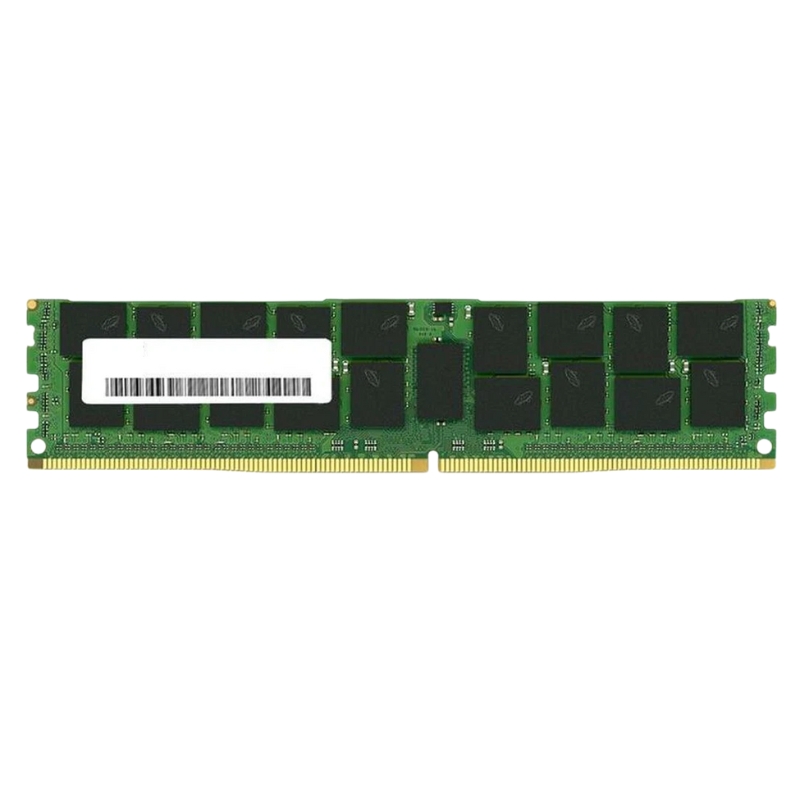


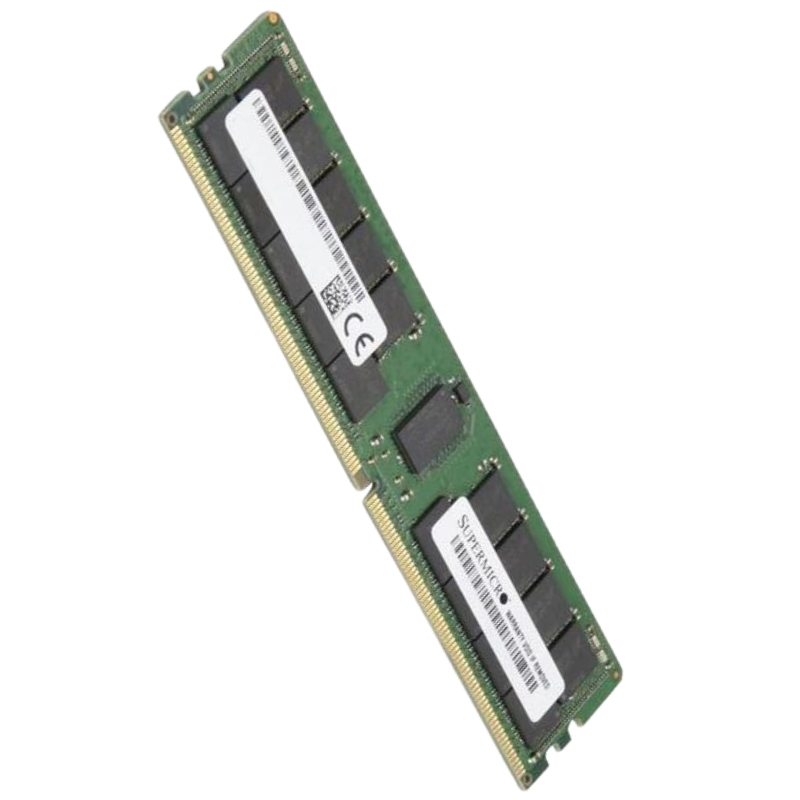
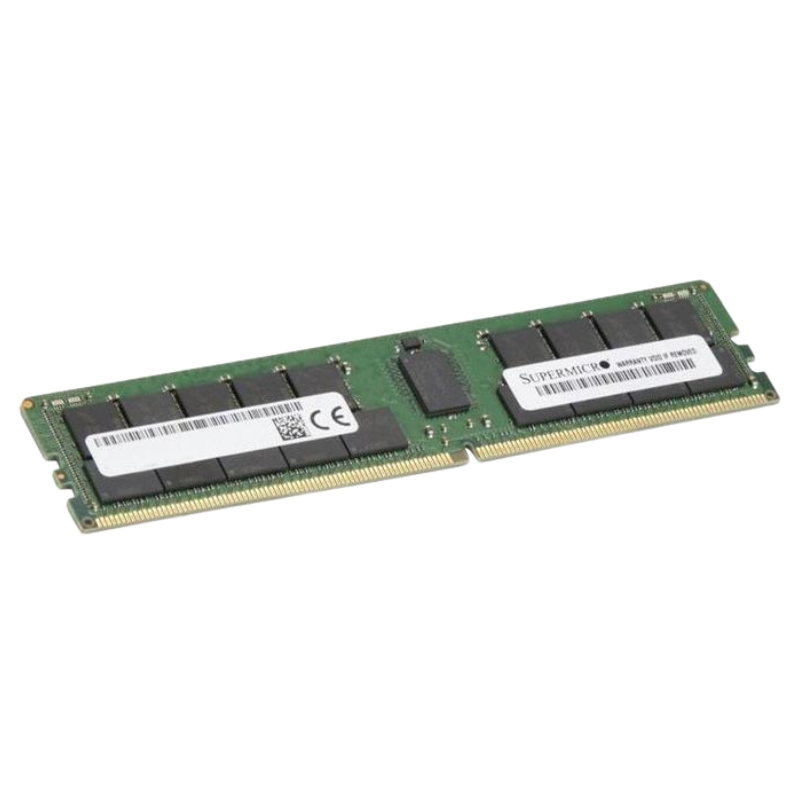
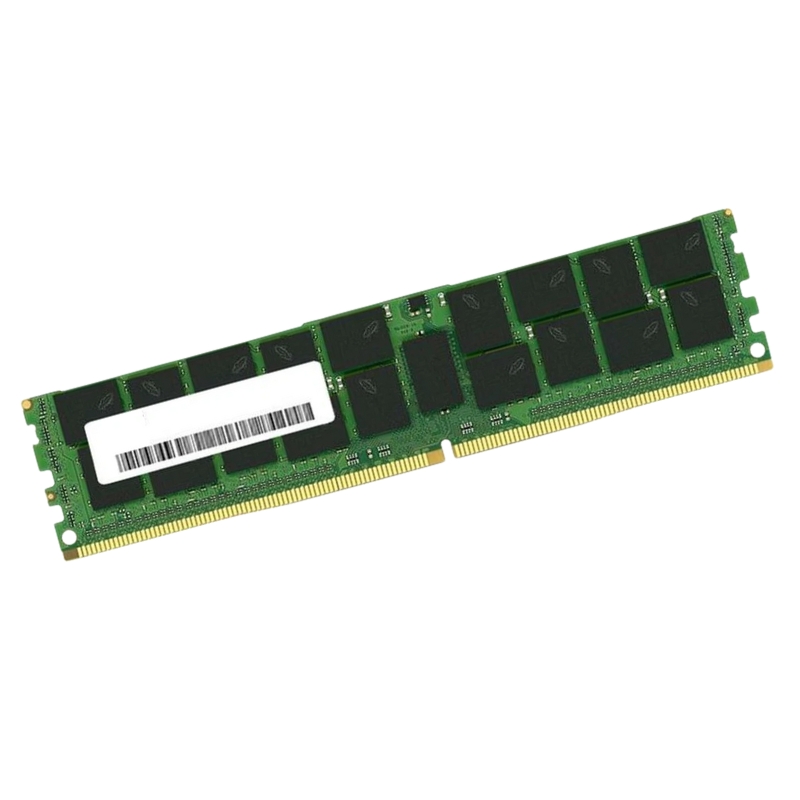
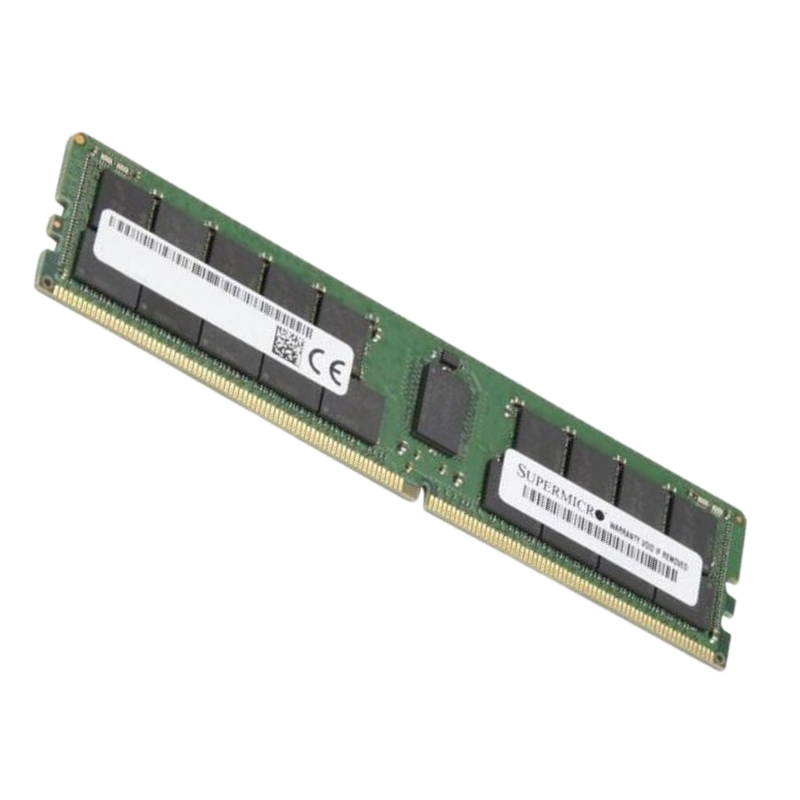
Supermicro MEM-DR516MB-ER56 16GB Pc5-44800 DDR5 5600MHz 1rx8 ECC Registered 1.1v Cl46 Sdram 288-pin RDIMM Memory Module For Server. New Sealed in Box (NIB) with 3 Year Warranty - Samsung Version
The Supermicro MEM-DR516MB-ER56 is a high-speed DDR5 RDIMM memory module engineered for enterprise servers and data center environments. With enhanced bandwidth, improved error correction, and low power consumption, this server RAM is ideal for virtualization, cloud computing, and database-driven workloads.
The Supermicro MEM-DR516MB-ER56 16GB DDR5 5600MHz ECC Registered RDIMM is positioned within the enterprise-grade DDR5 server memory category, a class of memory modules engineered to support modern data centers, cloud infrastructures, and mission-critical server environments. This category focuses on sustained performance, electrical stability, data integrity, and platform compatibility rather than consumer-oriented burst performance. Server memory in this classification is designed to operate continuously under heavy workloads while maintaining predictable behavior across diverse deployment scenarios.
DDR5 RDIMM memory has become a foundational component in contemporary server platforms as CPU architectures evolve toward higher core counts and increased parallel processing. The Supermicro MEM-DR516MB-ER56 operates at 5600MHz, representing a higher-speed tier within the DDR5 ecosystem. This frequency aligns with newer-generation server processors designed to take advantage of increased memory bandwidth to feed multiple cores efficiently. DDR5 introduces a range of architectural improvements over DDR4, including enhanced channel efficiency, improved power management, and greater scalability. These changes directly impact how servers handle concurrent workloads, making DDR5 RDIMM memory an essential element in enterprise systems designed for virtualization, analytics, databases, and cloud-native applications.
The PC5-44800 designation indicates a theoretical peak bandwidth of 44.8 GB/s per module, significantly increasing data throughput compared to lower-speed DDR5 and previous-generation DDR4 memory. This additional bandwidth enables servers to handle memory-intensive workloads more effectively, reducing bottlenecks that can occur when multiple applications or virtual machines compete for memory access. In enterprise environments, bandwidth scalability is critical for maintaining consistent performance as workloads grow. High-bandwidth memory like the MEM-DR516MB-ER56 supports smoother multitasking, faster data processing, and improved responsiveness across a wide range of server applications.
While higher memory frequencies often involve increased latency values, the CL46 timing of this module is engineered to deliver stable and predictable performance within enterprise operating conditions. DDR5 memory balances frequency and latency differently than DDR4, prioritizing overall throughput and efficiency rather than minimizing raw latency numbers. For enterprise workloads, consistent and predictable memory access times are often more important than absolute latency. The CL46 timing profile ensures reliable operation under sustained load, supporting applications that require deterministic performance characteristics.
ECC Registered RDIMM memory modules form a specialized subcategory within server memory, designed to maximize reliability, scalability, and signal integrity. The Supermicro MEM-DR516MB-ER56 integrates Error-Correcting Code functionality alongside registered buffering, creating a robust memory solution suitable for mission-critical environments. ECC continuously monitors memory operations, detecting and correcting single-bit errors before they impact system behavior. This process occurs transparently at the hardware level, ensuring that applications remain unaffected while data integrity is preserved. In large-scale server deployments, where memory errors can accumulate over time, ECC plays a vital role in maintaining system stability.
The registered design introduces a buffer between the memory controller and the DRAM chips, reducing the electrical load on the controller. This buffering improves signal integrity, particularly in configurations with multiple DIMMs per channel or multi-socket server architectures. By stabilizing signal transmission, registered memory enables servers to support higher memory capacities without compromising reliability. The MEM-DR516MB-ER56 leverages this architecture to ensure consistent performance across dense memory configurations. This makes it an ideal choice for enterprise servers that require scalability over time, allowing IT teams to expand memory capacity as workloads evolve.
The 1Rx8 configuration denotes a single-rank module composed of x8 DRAM chips, a widely supported organization in enterprise server platforms. This configuration provides a favorable balance between performance, power efficiency, and compatibility. Single-rank modules often deliver efficient memory access patterns, particularly in systems where memory channels are fully populated. This memory organization also simplifies platform validation and deployment, reducing the likelihood of configuration limitations or reduced operating speeds. For enterprises managing diverse server fleets, such consistency is essential for streamlined operations.
In mission-critical systems, even minor data corruption can have serious consequences. ECC memory mitigates this risk by correcting transient errors that may occur due to electrical interference or environmental factors. The MEM-DR516MB-ER56 ensures that such corrections occur seamlessly, supporting uninterrupted operation in environments where reliability is paramount. This level of protection is particularly important for financial systems, healthcare platforms, telecommunications infrastructure, and government applications, where data accuracy and system uptime are non-negotiable.
Power efficiency is a key consideration in modern server memory design, as energy consumption directly impacts operational costs and thermal management. The Supermicro MEM-DR516MB-ER56 operates at 1.1 volts, reflecting the reduced voltage requirements of DDR5 technology. This lower operating voltage contributes to decreased power consumption per module, which becomes significant in large-scale deployments. Lower power consumption also reduces heat generation, helping maintain stable operating conditions within server chassis. Effective thermal management is essential for sustaining performance and extending component lifespan, particularly in high-density data center environments.
DDR5 memory introduces on-DIMM power management, shifting voltage regulation from the motherboard to the memory module itself. This architectural change allows more precise control over power delivery, reducing electrical noise and improving overall efficiency. The MEM-DR516MB-ER56 benefits from this design by maintaining stable voltage levels even during peak workload conditions. For enterprise servers operating continuously, stable power delivery is critical to preventing transient errors and ensuring consistent performance. On-DIMM power management also simplifies motherboard design, contributing to improved system reliability.
Server memory modules are expected to operate under sustained load conditions, often with limited airflow. The MEM-DR516MB-ER56 is engineered using high-quality PCB materials and carefully selected DRAM components to ensure effective heat dissipation. This design supports thermal stability even in demanding environments. Thermal stability reduces the risk of performance throttling and premature component failure, helping enterprises maintain consistent service levels and reduce maintenance overhead.
Standards compliance is fundamental to enterprise server memory, ensuring interoperability and long-term viability. The Supermicro MEM-DR516MB-ER56 adheres to JEDEC specifications, providing standardized timing, voltage, and signaling characteristics. This compliance ensures predictable behavior across supported server platforms and simplifies integration into existing infrastructures. The 288-pin RDIMM form factor is the established standard for DDR5 server memory, ensuring physical compatibility with modern server motherboards. This standardized design allows for straightforward installation, replacement, and future upgrades.
As a Supermicro-certified memory module, the MEM-DR516MB-ER56 undergoes extensive validation on Supermicro server platforms. This validation process includes stress testing under real-world workload conditions, ensuring compatibility and stability. Platform-level optimization enables the memory to operate at intended specifications without extensive manual tuning. When deployed within Supermicro systems, this module benefits from BIOS and firmware support designed to maximize DDR5 RDIMM performance and reliability, streamlining deployment and reducing configuration complexity.
Modern server processors are designed to leverage higher DDR5 memory speeds, including 5600MHz operation. The MEM-DR516MB-ER56 aligns with these processor architectures, enabling efficient memory access for high core-count CPUs. This compatibility ensures that memory performance scales alongside processor capabilities. From single-socket servers to complex multi-socket configurations, this module supports a wide range of enterprise use cases.
Many enterprises operate mixed server environments with varying hardware generations. The standardized design and JEDEC compliance of the MEM-DR516MB-ER56 simplify deployment across such environments, reducing operational complexity and improving inventory management. This consistency allows IT teams to focus on strategic initiatives rather than compatibility troubleshooting.
The Supermicro MEM-DR516MB-ER56 is optimized to support a wide range of enterprise workloads. Virtualization platforms benefit from its high bandwidth and ECC protection, enabling higher virtual machine density and stable performance. Improved memory throughput reduces contention among virtualized workloads. Database servers rely heavily on memory for caching, indexing, and transaction processing. This module provides fast, stable memory access while maintaining data integrity, supporting both relational and non-relational database systems.
Analytics and artificial intelligence workloads often involve processing large datasets in memory. The high bandwidth of PC5-44800 DDR5 memory enables faster data access, reducing processing times and improving throughput. This is particularly beneficial for in-memory analytics, real-time data processing, and AI model training. In machine learning environments, memory performance can significantly influence training and inference efficiency. Reliable, high-speed memory access supports these advanced workloads in enterprise server deployments.
High-availability systems require components that can operate reliably under continuous load. The ECC Registered design of the MEM-DR516MB-ER56 minimizes the risk of memory-related failures, supporting stringent uptime requirements. In clustered and failover environments, consistent memory performance across nodes ensures predictable behavior during failover events, enhancing overall system resilience.
As enterprise workloads evolve, memory requirements continue to increase. The MEM-DR516MB-ER56 supports scalable memory configurations, allowing organizations to expand capacity incrementally. Its compatibility with DDR5 platforms ensures long-term relevance as infrastructure evolves. This scalability protects investment value and supports strategic infrastructure growth.
Supermicro emphasizes rigorous quality assurance throughout the manufacturing and validation process. Each MEM-DR516MB-ER56 module is tested to ensure consistent performance and compatibility, reducing deployment risks and enhancing confidence in long-term operation. High-quality DRAM components and precise manufacturing processes contribute to the durability required for continuous enterprise use.
Enterprise memory solutions are expected to remain available and supported throughout the lifecycle of server platforms. The standardized design of the MEM-DR516MB-ER56 supports long-term availability and simplifies maintenance and replacement planning. This lifecycle stability is essential for organizations managing large-scale deployments with extended refresh cycles.
Although DDR5 5600MHz memory represents a higher initial investment, its performance and efficiency benefits can deliver substantial long-term value. Improved throughput, reduced power consumption, and enhanced reliability contribute to a lower total cost of ownership. The MEM-DR516MB-ER56 offers a balanced investment profile, delivering enterprise-grade capabilities aligned with modern server requirements.
As enterprise software continues to evolve, memory performance and reliability remain critical to overall system effectiveness. The Supermicro MEM-DR516MB-ER56 plays a strategic role in future-ready server architectures by combining high-speed DDR5 performance, ECC protection, and registered stability. This combination ensures that enterprise servers can meet both current and emerging workload demands with confidence and efficiency.


 Contact Us
 Information
 Catalog
 Solid State Drives (SSD)
 Network Switches
 Hard Disk Drives
 HBA & Controllers
 PC & Servers
 PC & Server Memory
 CPU & Processors
 Network Routers
 Power Supplies
 Tape Drives & Libraries
 Network Devices
 Computer & Network Cables