(7% discount is applied at checkout)
Cart is empty
Your go-to destination for cutting-edge server products
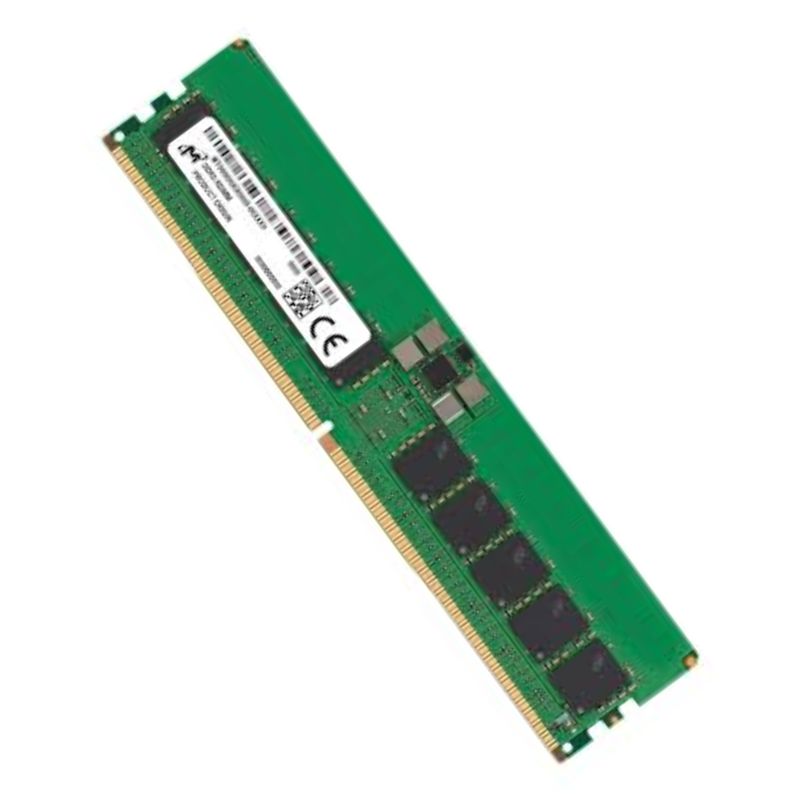


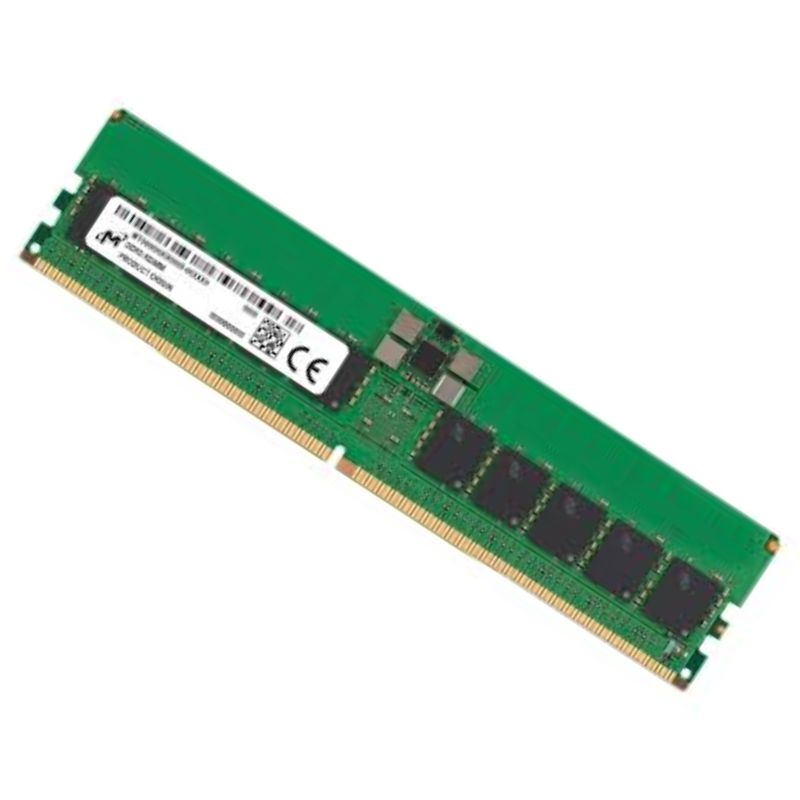
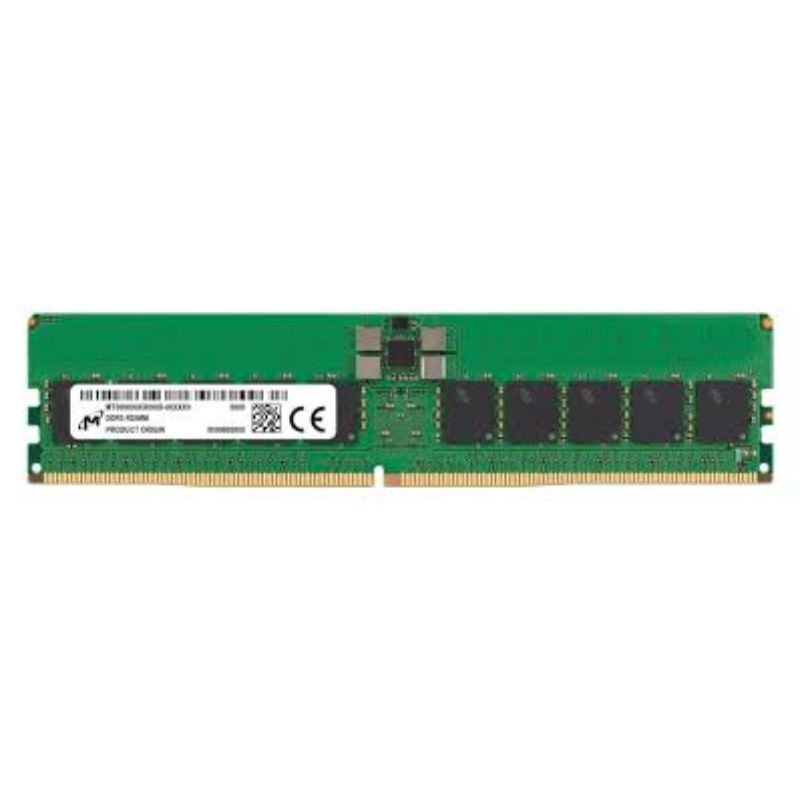
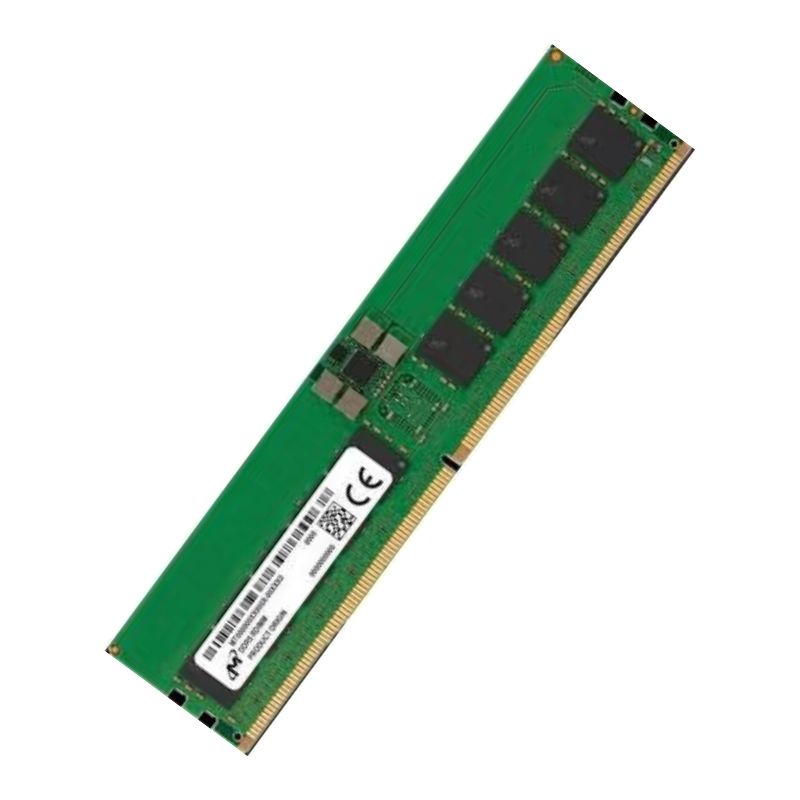
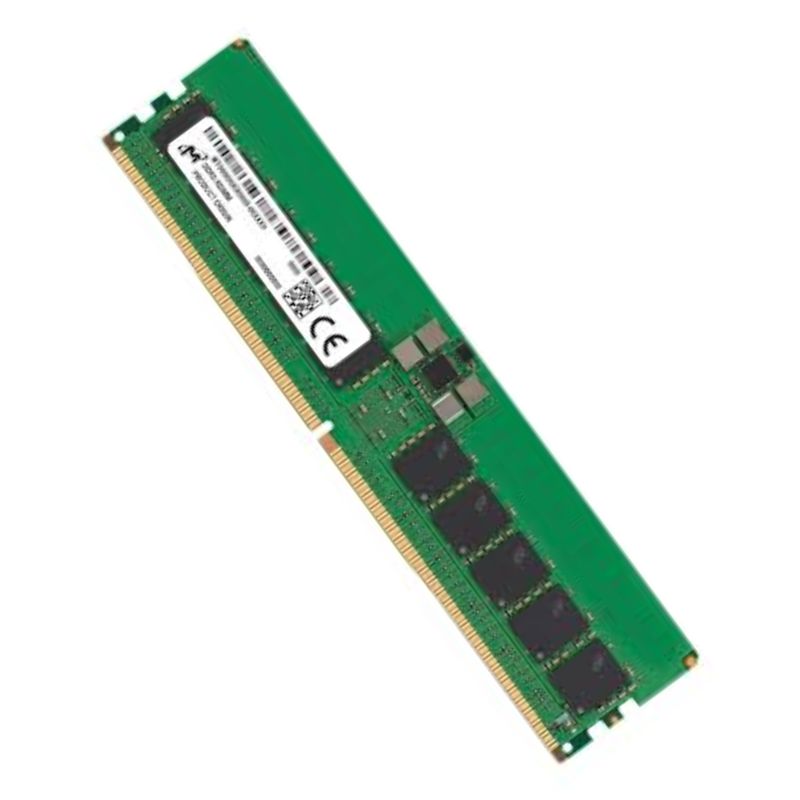
Supermicro MEM-DR532L-CL02-EU56 32GB 5600MHz PC5-44800 ECC CL46 Unbuffered DDR5 SDARM 288-pin UDIMM Memory. New Sealed in Box (NIB) with 3-Years Warranty – Micron Version.
The Supermicro MEM-DR532L-CL02-EU56 32GB DDR5 SDRAM 5600MHz PC5-44800 ECC CL46 Unbuffered 288-Pin RDIMM Memory delivers high-speed performance, robust error correction, and reliable stability for advanced computing environments.
The Supermicro MEM-DR532L-CL02-EU56 32GB 5600MHz PC5-44800 ECC CL46 Unbuffered DDR5 SDRAM 288-pin DIMM Memory Module belongs to a specialized category of next-generation DDR5 unbuffered ECC memory designed for professional workstations, entry-level servers, and enterprise systems that require high performance combined with data integrity without the use of registered buffering. This category bridges the gap between traditional consumer UDIMM memory and enterprise RDIMM solutions by offering ECC protection in an unbuffered architecture, making it suitable for platforms that demand reliability but are not designed to support registered memory.
DDR5 unbuffered ECC DIMMs are increasingly relevant in modern computing environments where memory speed, efficiency, and accuracy are critical. These modules are optimized for systems that leverage advanced CPU memory controllers capable of handling ECC logic directly, enabling error detection and correction while maintaining lower latency characteristics compared to registered memory. This category is particularly well suited for workstation-class applications, edge servers, virtualization hosts, and professional computing environments where performance consistency and system stability are essential.
DDR5 SDRAM represents a significant evolution over DDR4, and this category fully embraces the architectural improvements introduced by the DDR5 standard. Operating at 5600MHz with a PC5-44800 bandwidth rating, DDR5 unbuffered ECC modules deliver substantially higher data throughput, supporting modern processors that rely on rapid memory access to feed increasing core counts and parallel workloads. The enhanced bandwidth improves responsiveness across compute-intensive applications, including rendering, simulation, compilation, and real-time data processing.
A defining feature of DDR5 is its dual independent 32-bit subchannel architecture per DIMM. This design increases memory efficiency by allowing simultaneous memory operations, reducing contention and improving effective bandwidth utilization. In unbuffered ECC configurations, this architecture ensures that latency-sensitive workloads benefit from faster access times while maintaining the reliability required in professional environments.
With a CAS latency rating of CL46, this category of DDR5 memory balances high operating frequency with optimized timing parameters. Although numerical latency values appear higher than previous generations, the increased clock speed significantly reduces actual access time in nanoseconds. This results in improved real-world performance for workloads that depend on rapid memory transactions, such as software development environments, CAD applications, and scientific workloads.
Timing optimization in DDR5 unbuffered ECC memory is further enhanced by on-die ECC and advanced signal integrity features. These capabilities ensure stable operation at high speeds, reducing the likelihood of timing-related errors and maintaining consistent performance under sustained load.
The ECC functionality integrated into this category is a critical differentiator from standard consumer DDR5 UDIMM memory. ECC unbuffered memory detects and corrects single-bit errors while identifying multi-bit faults, significantly improving system reliability. This capability is essential in professional and enterprise environments where silent data corruption can compromise results, cause application instability, or lead to system crashes.
Unlike registered ECC memory, unbuffered ECC DIMMs rely on the CPU’s memory controller to manage error correction directly. This approach maintains lower latency while still providing robust data protection. The category is therefore ideal for systems that support ECC UDIMM but do not accommodate registered DIMMs, offering a balance between performance and reliability.
Systems utilizing DDR5 unbuffered ECC memory benefit from enhanced uptime and predictable behavior. Applications such as virtualization, containerized workloads, and professional content creation often run for extended periods under heavy load, increasing the probability of memory errors. ECC protection mitigates this risk, ensuring that workloads remain stable and data remains accurate over long operational cycles.
This category is particularly valuable in environments where system crashes or data corruption can result in productivity loss or operational downtime. By incorporating ECC at the memory level, organizations can improve overall system resilience without incurring the complexity or cost associated with fully registered memory architectures.
DDR5 memory introduces on-die ECC, which complements system-level ECC by correcting internal DRAM cell errors before data reaches the memory controller. In unbuffered ECC DIMMs, this layered approach to error handling enhances overall reliability. On-die ECC improves manufacturing yields and operational stability, while system-level ECC ensures end-to-end data integrity.
This multi-tiered error correction strategy is a defining characteristic of the DDR5 ECC unbuffered category, providing confidence for workloads that require consistent and accurate computation.
DDR5 memory modules incorporate integrated power management circuitry, shifting voltage regulation from the motherboard to the DIMM itself. This category benefits from more precise voltage control, reduced electrical noise, and improved power efficiency. Operating at lower voltages compared to DDR4, DDR5 unbuffered ECC memory contributes to reduced overall system power consumption.
For professional workstations and compact servers, improved power efficiency translates into lower thermal output and quieter operation. This is particularly important in environments where systems operate continuously or are deployed in thermally constrained spaces.
Thermal stability is a key consideration in this memory category. DDR5 unbuffered ECC modules are designed to maintain consistent performance across a wide temperature range, ensuring reliability in both desktop and rack-mounted environments. Optimized PCB layouts and component placement facilitate effective heat dissipation, preventing thermal throttling and preserving memory bandwidth under sustained workloads.
Stable thermal behavior is essential for maintaining predictable system performance, particularly in professional environments where workloads cannot tolerate performance fluctuations.
As system memory capacity scales, power efficiency becomes increasingly important. DDR5 unbuffered ECC memory supports higher capacities per DIMM, reducing the number of modules required to achieve target memory sizes. This consolidation improves airflow and reduces cumulative power draw, supporting efficient system design.
The category aligns well with modern sustainability goals by enabling high-performance computing with reduced energy overhead.
The 32GB capacity of this DDR5 unbuffered ECC memory module positions it within a category optimized for balanced scalability. This capacity is well suited for professional systems that require substantial memory resources without excessive complexity. Multiple 32GB DIMMs can be deployed to achieve higher total memory capacities, supporting demanding workloads such as large datasets, complex simulations, and multi-application environments.
Scalability is a defining attribute of this category, enabling system builders and IT professionals to tailor memory configurations to specific workload requirements. The unbuffered architecture ensures straightforward installation and compatibility with supported platforms.
This category of DDR5 unbuffered ECC memory is designed to be compatible with modern processors and chipsets that explicitly support ECC UDIMM configurations. Workstation-grade CPUs and select server processors leverage integrated memory controllers capable of handling ECC functionality without registered buffering. Compliance with JEDEC standards ensures interoperability across supported platforms.
System compatibility is critical in professional environments, and this category benefits from extensive validation by motherboard and system manufacturers. Proper support at the firmware and BIOS level ensures that ECC functionality is enabled and monitored effectively.
DDR5 unbuffered ECC memory modules utilize the 288-pin DIMM form factor, ensuring physical compatibility with DDR5-enabled motherboards. Precision manufacturing ensures accurate pin alignment and robust mechanical integrity, reducing the risk of connection issues during installation or operation.
The standardized form factor simplifies system upgrades and maintenance, allowing memory modules to be installed or replaced with minimal effort.
Software development environments often involve large codebases, frequent compilation, and extensive use of memory caches. DDR5 unbuffered ECC memory improves build times by accelerating memory access, while ECC protection ensures that compilation results remain accurate and reproducible.
For development teams, improved memory performance translates into increased productivity and reduced turnaround times.
Data analytics applications rely on rapid access to large datasets stored in memory. DDR5 unbuffered ECC modules provide the bandwidth necessary to process data efficiently, while ECC ensures analytical accuracy. Professional visualization tools benefit from smoother data handling and reduced latency, enhancing user experience.


 Contact Us
 Information
 Catalog
 Solid State Drives (SSD)
 Network Switches
 Hard Disk Drives
 HBA & Controllers
 PC & Servers
 PC & Server Memory
 CPU & Processors
 Network Routers
 Power Supplies
 Tape Drives & Libraries
 Network Devices
 Computer & Network Cables