(7% discount is applied at checkout)
Cart is empty
Your go-to destination for cutting-edge server products
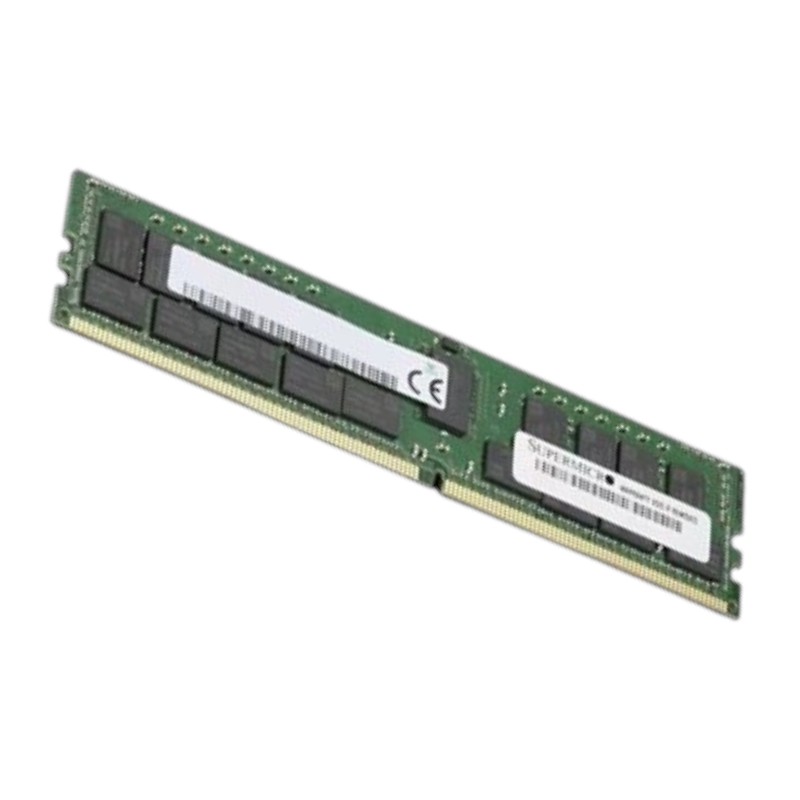


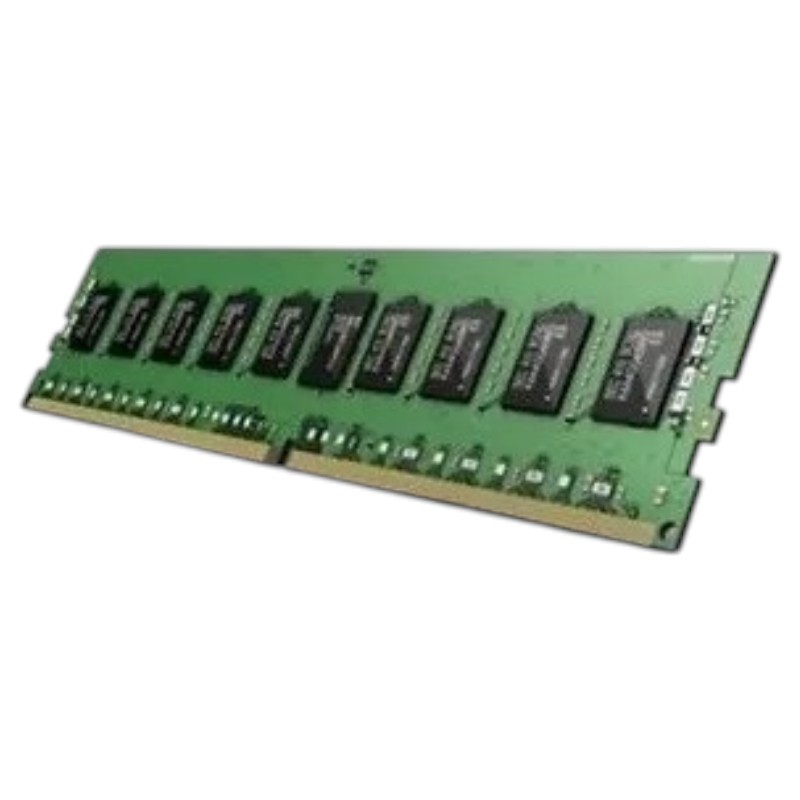
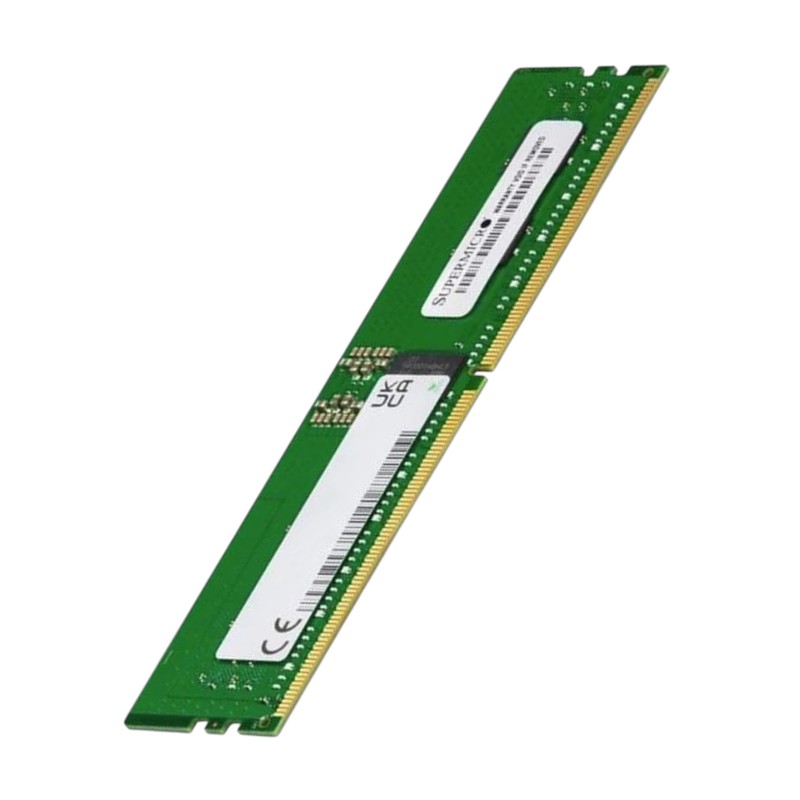
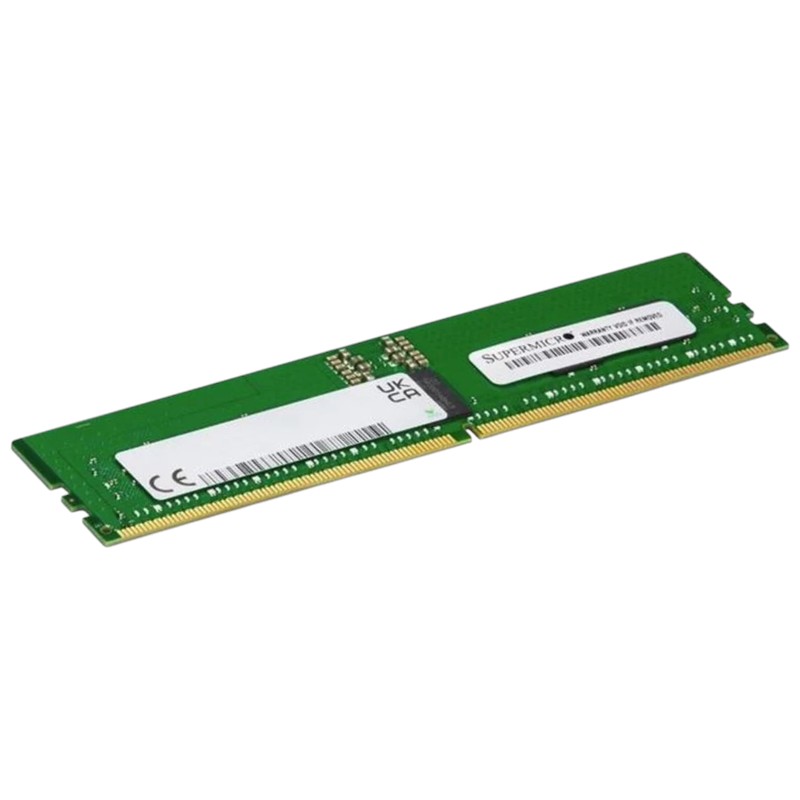
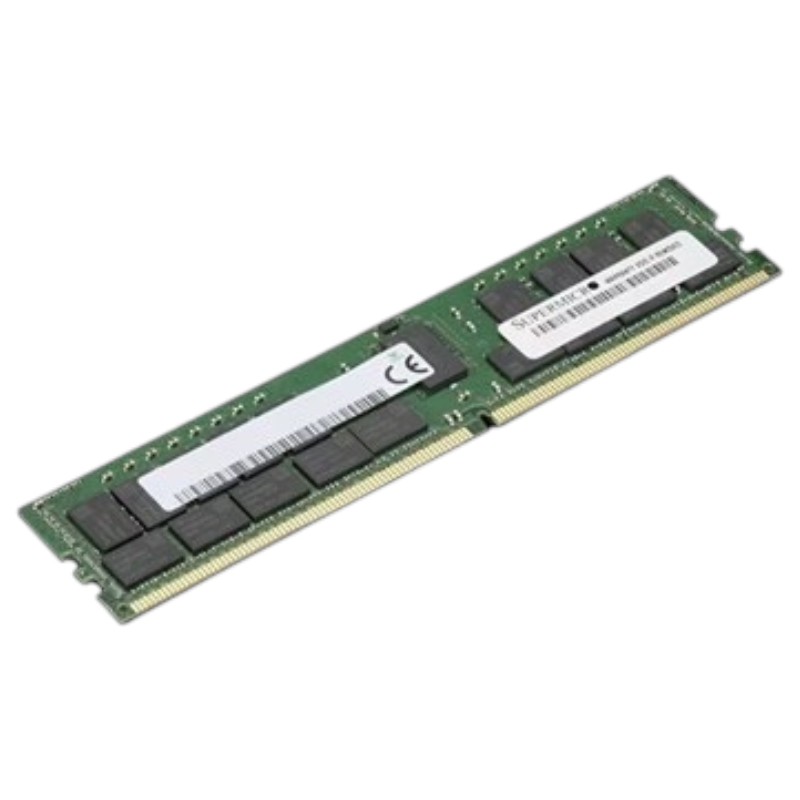
Supermicro MEM-DR548L-HL01-ER56 48GB 5600MHz Pc5-44800 ECC Registered Dual Rank X8 1.1v DDR5 SDRAM 288-pin Rdimm Memory. New (System) Pull with 1 Year Replacement Warranty - Hynix Version
The Supermicro MEM-DR548L-HL01-ER56 is a high-performance 48GB DDR5-5600 ECC Registered Dual Rank X8 Rdimm Memory Module designed for enterprise-grade servers and workstations. Built to deliver speed, reliability, and efficiency, this module ensures seamless multitasking and optimized system performance.
The Supermicro MEM-DR548L-HL01-ER56 48GB 5600MHz PC5-44800 ECC Registered Dual Rank x8 1.1V DDR5 SDRAM 288-Pin RDIMM memory module is engineered for modern enterprise computing environments that require dependable performance, high-speed data processing, advanced reliability, and optimized memory bandwidth. Designed specifically for enterprise-grade servers and data center infrastructures, this DDR5 RDIMM module delivers superior memory efficiency for virtualization, artificial intelligence workloads, cloud deployments, analytics processing, and mission-critical applications.
As data centers continue to evolve toward more demanding workloads, memory technology plays a critical role in maintaining application responsiveness and server scalability. The 48GB DDR5 ECC Registered memory architecture offers substantial improvements over previous-generation DDR4 technology by increasing transfer speeds, improving power management, and enabling enhanced memory density. This enables businesses to support larger datasets, faster transaction handling, and more concurrent virtual machines within enterprise server environments.
The 5600MHz operating speed allows servers to process memory-intensive workloads with reduced latency and improved throughput. High-frequency DDR5 memory contributes to faster application execution, optimized database response times, and improved overall system efficiency. Organizations deploying large-scale infrastructure benefit from enhanced server responsiveness while minimizing bottlenecks associated with memory-intensive operations.
DDR5 memory introduces a substantial leap in server memory technology. Compared to DDR4 memory modules, DDR5 RDIMM solutions provide significantly greater bandwidth, increased capacity support, lower operating voltage, and enhanced power efficiency. The Supermicro MEM-DR548L-HL01-ER56 module operates at 5600MHz, delivering dramatically improved memory transfer rates for enterprise applications that require continuous high-speed processing.
Modern server processors depend heavily on memory performance to maximize computational capabilities. DDR5 architecture enables better communication between CPUs and memory modules, resulting in more efficient data access. This becomes particularly important in environments running virtualization software, enterprise resource planning systems, cloud-native applications, and high-performance computing tasks.
The increased bandwidth associated with DDR5 technology allows multiple applications to run simultaneously without substantial performance degradation. Businesses operating multi-user systems or large-scale cloud platforms benefit from improved workload distribution and reduced memory contention.
PC5-44800 classification indicates the module’s extremely high data transfer capabilities. This specification reflects the advanced bandwidth available through DDR5 architecture, making the module suitable for enterprise servers requiring accelerated memory communication. High-bandwidth memory is especially valuable for applications involving large datasets, real-time processing, and advanced virtualization environments.
Organizations utilizing artificial intelligence processing, machine learning algorithms, and data analytics applications often encounter demanding memory requirements. PC5-44800 memory technology helps reduce delays during data retrieval and improves application responsiveness across enterprise workloads.
The bandwidth improvements also support faster communication between processors and memory subsystems. As server CPUs continue to increase core counts, memory modules must keep pace with processing demands. DDR5 RDIMM technology ensures balanced performance across modern enterprise infrastructures.
Error Correction Code memory is essential in enterprise environments where system stability and data integrity are critical. The Supermicro MEM-DR548L-HL01-ER56 memory module includes ECC functionality designed to detect and correct memory errors before they impact system operations. ECC memory significantly reduces the risk of data corruption, unexpected crashes, and application failures.
Enterprise servers operating continuously in data centers require dependable memory performance around the clock. Even minor memory errors can lead to application instability or database inconsistencies. ECC technology provides an additional layer of protection by automatically identifying and correcting single-bit memory errors during operation.
Industries such as healthcare, financial services, cloud hosting, and telecommunications depend heavily on ECC memory to maintain uninterrupted operations. Businesses handling sensitive transactions or critical customer data require memory solutions capable of maintaining high levels of reliability under continuous workloads.
Registered DIMM memory includes a register placed between the DRAM modules and the memory controller. This design improves signal integrity and stability, especially in servers using multiple memory modules simultaneously. RDIMM technology enables systems to support higher memory capacities while maintaining dependable operation.
The registered architecture reduces electrical load on the memory controller, allowing servers to scale more effectively. Large enterprise systems with substantial memory configurations benefit from improved stability when operating under demanding workloads.
Server platforms designed for virtualization, database hosting, and cloud computing frequently require extensive memory capacity. RDIMM memory enables these systems to maintain consistent performance even when configured with large amounts of RAM across multiple channels.
The 48GB memory capacity provides an ideal balance between performance scalability and infrastructure efficiency. This capacity is particularly useful for enterprise applications requiring substantial memory resources without excessive hardware overhead. Businesses deploying virtualization environments can allocate memory resources more efficiently while supporting multiple virtual machines on a single server platform.
Data-intensive applications such as analytics engines, in-memory databases, and content delivery systems benefit from increased memory availability. Higher memory capacity reduces reliance on storage-based caching mechanisms, enabling faster data access and improved application responsiveness.
The 48GB configuration also offers deployment flexibility for organizations upgrading server infrastructures incrementally. IT administrators can build balanced memory configurations that optimize both performance and scalability within enterprise environments.
Virtualization technology places substantial demands on server memory resources. Hypervisors allocate dedicated memory to each virtual machine, making high-capacity memory modules essential for efficient consolidation. The Supermicro MEM-DR548L-HL01-ER56 module enables organizations to maximize virtualization density while maintaining stable system performance.
Modern virtualization platforms support a wide range of enterprise workloads including application hosting, database management, cloud services, and remote desktop infrastructure. High-speed DDR5 RDIMM memory ensures virtualized workloads receive sufficient bandwidth to maintain responsive user experiences.
Organizations seeking to reduce hardware footprints often consolidate multiple workloads onto fewer physical servers. High-capacity DDR5 RDIMM memory supports these consolidation efforts by enabling increased virtual machine density without compromising operational reliability.
The 5600MHz operating frequency delivers exceptional memory throughput for enterprise servers requiring rapid data access. Faster memory speeds improve system responsiveness across a variety of workloads including transactional databases, high-frequency computing, cloud services, and large-scale analytics operations.
Applications processing significant volumes of information depend on rapid communication between processors and memory subsystems. DDR5 5600MHz memory reduces latency while increasing bandwidth, allowing servers to complete tasks more efficiently.
Organizations deploying modern multi-core processors benefit significantly from high-speed memory architectures. Advanced CPUs require sufficient memory bandwidth to prevent processing bottlenecks and maximize computational efficiency.
Artificial intelligence workloads frequently involve large datasets, matrix computations, and parallel processing operations that place extreme demands on server memory. The Supermicro MEM-DR548L-HL01-ER56 module supports AI frameworks by delivering rapid memory access and high data throughput.
Machine learning environments require efficient handling of training datasets and inference operations. DDR5 memory technology helps accelerate these tasks by improving data transfer rates between memory and processors.
Analytics platforms processing real-time business intelligence data also benefit from high-frequency DDR5 memory. Faster memory performance enables quicker query execution, improved report generation, and reduced analysis latency.
Dual rank memory modules contain two sets of memory chips accessible independently by the memory controller. This architecture improves performance by allowing memory operations to overlap more efficiently. The dual rank design contributes to enhanced data throughput and optimized memory access patterns within enterprise systems.
Servers operating under multi-threaded workloads benefit from improved parallelism provided by dual rank memory configurations. This enables better resource utilization and smoother handling of concurrent application demands.
Dual rank DDR5 RDIMM memory is commonly used in enterprise server environments where consistent performance under load is essential. The design supports efficient communication between processors and memory channels during intensive operations.
The x8 chip organization provides an effective balance between reliability, compatibility, and performance. Enterprise servers often utilize x8-based RDIMM modules due to their proven operational stability and support for advanced ECC functionality.
x8 memory architecture contributes to robust error correction capabilities while maintaining efficient data transfer rates. This configuration is widely preferred for enterprise workloads involving mission-critical applications and long-term server reliability.
Organizations deploying scalable server infrastructures frequently select x8 RDIMM memory because of its compatibility with modern enterprise processors and chipset architectures.
The 1.1V operating voltage represents a major improvement in memory power efficiency compared to earlier DDR generations. Lower voltage operation reduces overall energy consumption within server environments, contributing to decreased operational costs and improved thermal management.
Large data centers containing hundreds or thousands of servers benefit substantially from power-efficient memory technology. Reduced power consumption helps organizations lower electricity expenses while supporting sustainability initiatives.
Lower operating voltage also contributes to reduced heat generation, enabling more efficient cooling within high-density server deployments. This helps improve overall data center efficiency while supporting long-term hardware reliability.
Enterprise servers operating continuously under heavy workloads generate significant thermal output. Efficient memory modules help minimize additional heat accumulation within chassis environments. DDR5 memory architecture incorporates improved power management features that optimize thermal performance during operation.
Reduced thermal stress contributes to improved component longevity and stable system performance. Data centers benefit from lower cooling requirements and more predictable infrastructure operation.
Organizations deploying rack-dense server environments require memory solutions capable of maintaining stable performance under elevated thermal conditions. The Supermicro MEM-DR548L-HL01-ER56 module is engineered to support such demanding environments.
The 288-pin RDIMM form factor is specifically designed for enterprise-class server motherboards and workstation platforms supporting DDR5 registered memory technology. Proper pin configuration ensures stable communication between memory modules and server memory controllers.
Modern server platforms from Supermicro and other enterprise hardware vendors rely on standardized RDIMM configurations to ensure compatibility across advanced computing environments. The module’s physical architecture supports seamless integration into compatible DDR5 server infrastructures.
IT administrators benefit from straightforward deployment and memory expansion capabilities when using standardized RDIMM technology. This simplifies server upgrades and infrastructure scaling initiatives.
Enterprise servers frequently utilize multi-socket processor configurations designed to support demanding workloads. These systems require high-performance memory capable of maintaining stable communication across multiple CPUs and memory channels.
The Supermicro MEM-DR548L-HL01-ER56 memory module is engineered for compatibility with advanced enterprise server architectures supporting DDR5 RDIMM technology. This allows organizations to build scalable systems capable of handling complex workloads efficiently.
Multi-socket systems used in virtualization clusters, cloud environments, and high-performance computing infrastructures benefit from the bandwidth and stability provided by DDR5 registered memory modules.
Cloud computing platforms require memory solutions capable of supporting dynamic workloads and high user concurrency. DDR5 RDIMM memory enables cloud servers to manage virtualized resources efficiently while maintaining responsive application performance.
Cloud service providers often operate large-scale infrastructures supporting diverse workloads ranging from web hosting to enterprise software applications. High-speed ECC memory helps ensure consistent service delivery while minimizing operational disruptions.
The 48GB capacity provides flexibility for allocating resources across multiple tenants or applications within cloud environments. This helps optimize infrastructure utilization while supporting scalable deployment strategies.
Database servers rely heavily on memory performance to accelerate query processing and transaction handling. Faster DDR5 memory helps reduce response times and improve throughput within enterprise database environments.
Applications involving real-time analytics, financial processing, and transactional systems benefit significantly from high-bandwidth memory architectures. DDR5 RDIMM technology supports rapid access to cached datasets and frequently used application data.
Organizations operating mission-critical databases require stable and dependable memory solutions capable of maintaining consistent performance under continuous demand. ECC registered memory helps safeguard database integrity and operational continuity.
Scientific computing, engineering simulations, and research applications often require substantial computational resources combined with high-speed memory performance. The Supermicro MEM-DR548L-HL01-ER56 module supports these environments by providing exceptional bandwidth and reliable operation.
High-performance computing clusters frequently execute parallel workloads requiring efficient memory communication across processing nodes. DDR5 technology enhances computational efficiency by reducing memory bottlenecks and improving workload scalability.
Research institutions, engineering firms, and enterprise analytics platforms benefit from advanced DDR5 RDIMM memory architectures designed for sustained high-performance operation.
Enterprise hardware infrastructures continue evolving toward increased processing power, larger datasets, and more sophisticated applications. DDR5 memory technology provides the scalability necessary to support future server advancements and emerging workload requirements.
The Supermicro MEM-DR548L-HL01-ER56 module helps organizations prepare for evolving computational demands by delivering advanced memory performance suitable for next-generation enterprise environments.
Businesses investing in long-term infrastructure modernization benefit from deploying DDR5 memory capable of supporting future application growth and processor enhancements.
Modern enterprises require flexible infrastructure capable of adapting to changing business demands. High-capacity DDR5 RDIMM memory enables organizations to scale server resources efficiently while maintaining performance consistency.
IT administrators can configure memory architectures tailored to workload requirements, enabling balanced resource allocation across enterprise systems. The 48GB capacity supports modular infrastructure expansion while maintaining operational efficiency.
Flexible memory deployment strategies help organizations optimize hardware investments and support evolving application ecosystems without requiring complete infrastructure replacement.
Mission-critical environments require hardware components capable of maintaining uninterrupted operation under demanding conditions. ECC registered memory plays a central role in preserving system stability and protecting sensitive business data.
The Supermicro MEM-DR548L-HL01-ER56 memory module is designed to support enterprise uptime requirements by reducing the risk of memory-related failures. This contributes to improved operational continuity across data center environments.
Organizations operating financial systems, healthcare applications, telecommunications platforms, and cloud infrastructures depend on reliable server memory to ensure uninterrupted service delivery.


 Contact Us
 Information
 Catalog
 Solid State Drives (SSD)
 Network Switches
 Hard Disk Drives
 HBA & Controllers
 PC & Servers
 PC & Server Memory
 CPU & Processors
 Network Routers
 Power Supplies
 Tape Drives & Libraries
 Network Devices
 Computer & Network Cables