(7% discount is applied at checkout)
Cart is empty
Your go-to destination for cutting-edge server products
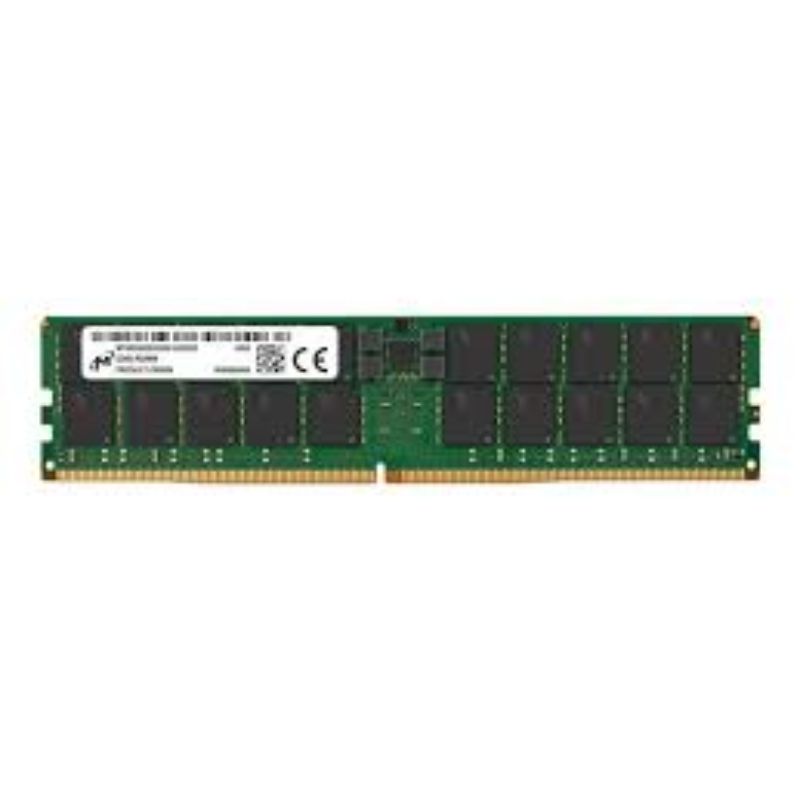


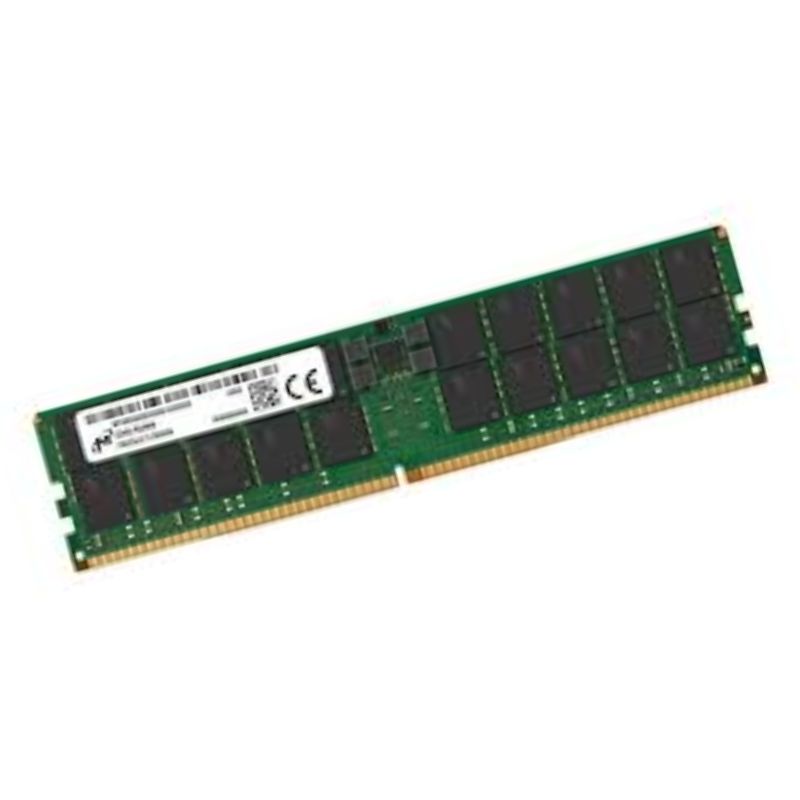
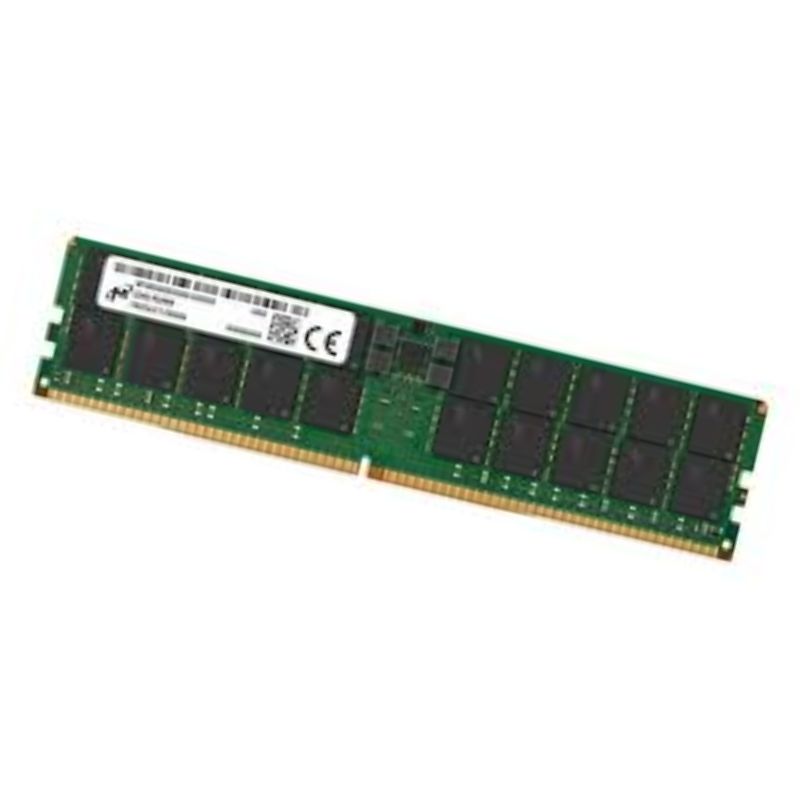
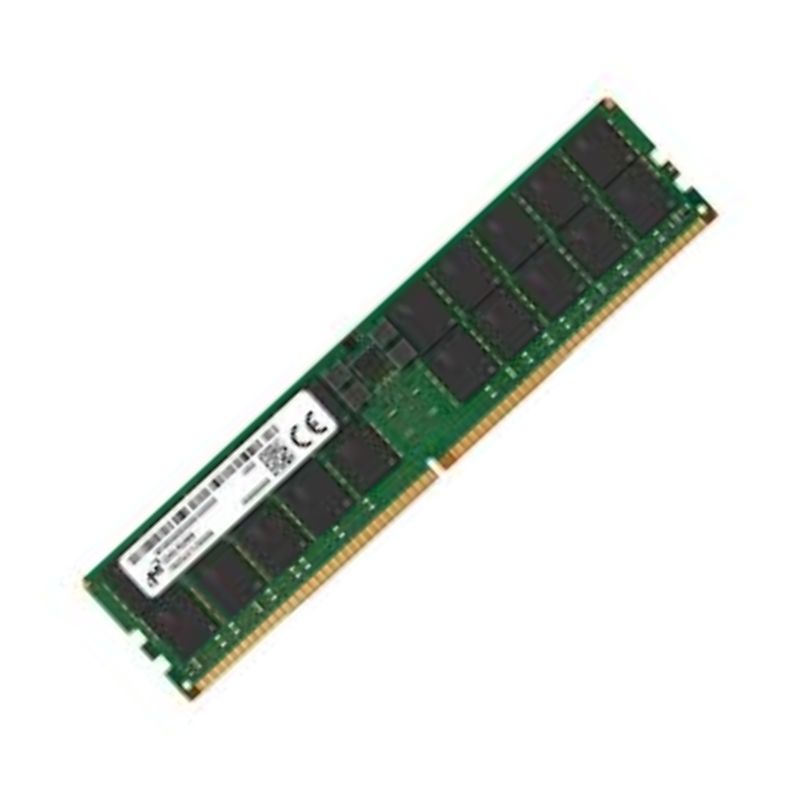
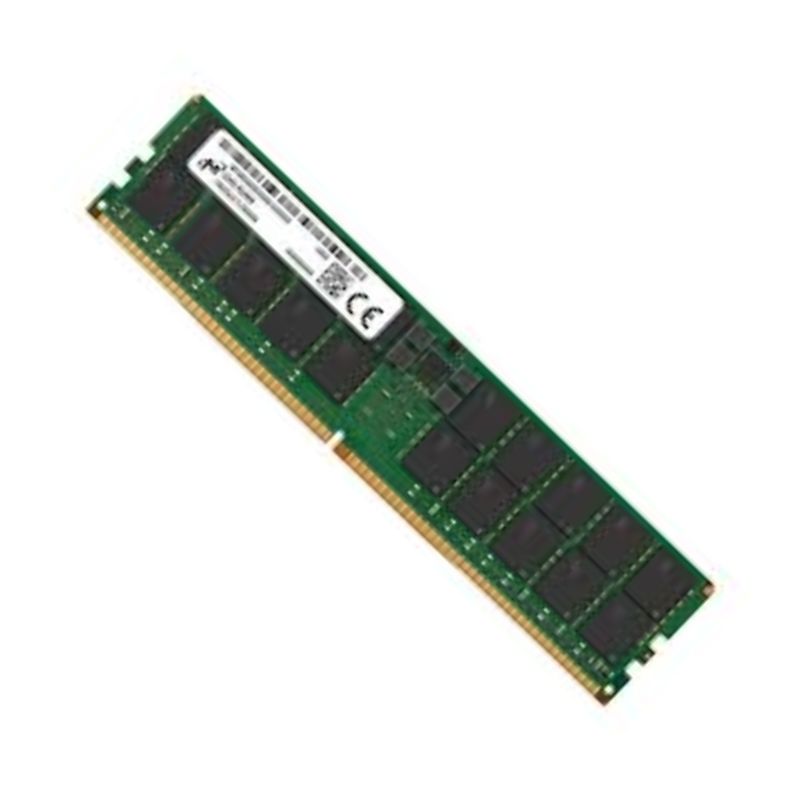
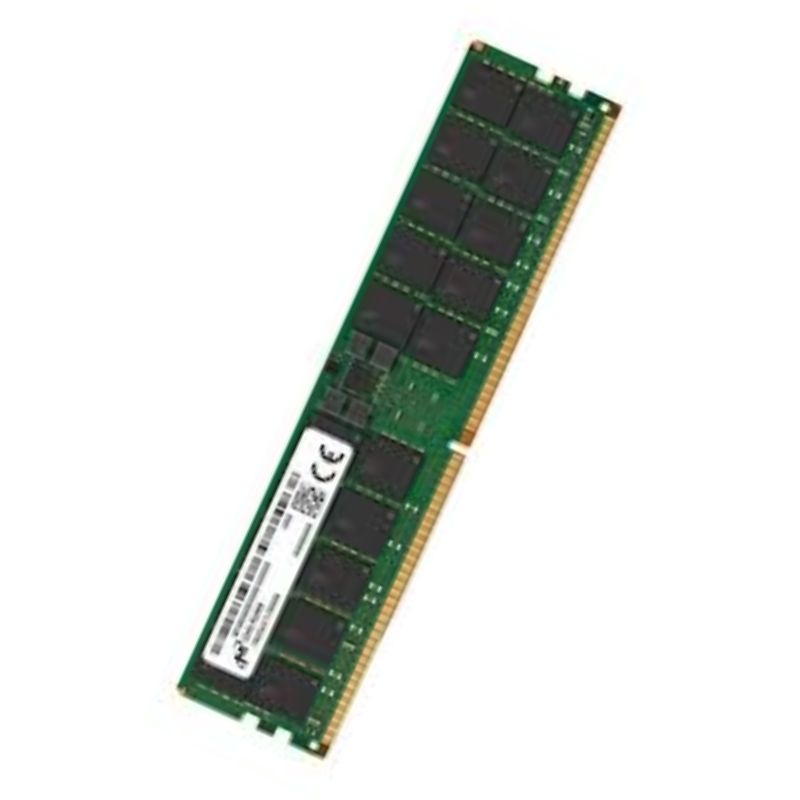
Supermicro MEM-DR564L-CL03-ER56 64GB 5600MHz PC5-44800 Cas-46 ECC Dual Rank X4 DDR5 SDRAM 288-pin RDIMM Memory Module. New Sealed in Box (NIB) with 3-Years Warranty - Micron Version.
| SKU/MPN | Warranty | Price | Condition | You save |
|---|---|---|---|---|
| MEM-DR564L-CL03-ER56 | 1 Year Warranty | $1,872.00 | New (System) Pull | You save: $655.20 (26%) |
| MEM-DR564L-CL03-ER56 | 1 Year Warranty | $2,160.00 | New Sealed in Box (NIB) | You save: $756.00 (26%) |
The Supermicro MEM-DR564L-CL03-ER56 64GB DDR5 SDRAM 5600MHz PC5-44800 ECC CL46 Dual Rank X4 288-Pin RDIMM Memory Module is engineered for enterprise-grade computing, offering high-speed performance, advanced error correction, and dependable stability for mission-critical workloads.
The Supermicro MEM-DR564L-CL03-ER56 64GB 5600MHz PC5-44800 Cas-46 ECC Dual Rank X4 DDR5 SDRAM 288-pin RDIMM Memory Module belongs to the advanced category of DDR5 registered server memory designed for enterprise-grade computing environments. This category encompasses memory solutions built to support modern server processors, dense memory configurations, and data-intensive workloads that require a balance of high bandwidth, large capacity, and uncompromising reliability. DDR5 RDIMM memory represents a foundational component in contemporary server architectures, enabling scalable performance across single-socket and multi-socket platforms.
Registered dual in-line memory modules are engineered with an integrated register that buffers command and address signals between the memory controller and the DRAM chips. This architectural feature significantly reduces electrical loading, allowing systems to support more memory modules per channel without signal degradation. Within the DDR5 generation, RDIMM memory extends these advantages by combining higher transfer rates with architectural efficiencies that enhance throughput, stability, and power management. This category is essential for enterprise servers, cloud infrastructure, virtualization hosts, and professional workstations where predictable performance and uptime are critical.
The transition from DDR4 to DDR5 registered memory marks a significant milestone in server memory evolution. DDR5 RDIMM modules operate at substantially higher frequencies, with the Supermicro MEM-DR564L-CL03-ER56 positioned at 5600MHz, delivering PC5-44800 bandwidth. This increase in data transfer capability directly impacts system responsiveness and workload efficiency, particularly in applications that rely heavily on memory bandwidth such as analytics, simulation, and large-scale transactional processing.
DDR5 introduces structural changes that differentiate this category from previous generations. The use of dual independent 32-bit subchannels per module improves parallelism and reduces access contention, allowing the memory controller to service multiple requests more efficiently. These improvements result in smoother scaling under multi-threaded workloads and better utilization of modern multi-core CPUs. As processors continue to increase core counts, DDR5 RDIMM memory becomes a necessary component to prevent memory bottlenecks.
Operating at 5600MHz, DDR5 RDIMM modules in this category provide a substantial increase in bandwidth over DDR4-based solutions. PC5-44800 denotes a theoretical peak bandwidth of 44.8 GB/s per module, enabling faster data movement between memory and processor cores. This level of throughput is particularly beneficial for memory-bound workloads, where performance is limited not by compute power but by the speed at which data can be accessed and processed.
Higher bandwidth also supports emerging workloads such as real-time data analytics, in-memory databases, and AI inference pipelines. These applications often involve frequent access to large datasets, making memory performance a decisive factor in overall system efficiency. DDR5 RDIMM memory helps ensure that processors remain fed with data, reducing idle cycles and improving utilization.
ECC functionality is a defining characteristic of this memory category, providing essential data integrity protection for mission-critical systems. The Supermicro MEM-DR564L-CL03-ER56 incorporates error correction code mechanisms that detect and correct single-bit memory errors while identifying multi-bit faults. This capability significantly reduces the risk of silent data corruption, which can compromise application accuracy and system stability.
In enterprise environments, memory errors can arise from a variety of factors including electrical interference, cosmic radiation, and component aging. ECC RDIMM memory mitigates these risks by ensuring that data stored in memory remains accurate throughout its lifecycle. This level of reliability is mandatory for applications such as financial modeling, healthcare systems, scientific research, and large-scale enterprise databases where data integrity is non-negotiable.
This category of DDR5 ECC RDIMM memory is engineered for continuous operation in always-on environments. Servers deployed in data centers often run uninterrupted for extended periods, handling fluctuating workloads and high transaction volumes. DDR5 RDIMM modules are validated to maintain stable operation under sustained load, thermal stress, and varying power conditions.
ECC memory integrates seamlessly with server-level reliability features such as memory scrubbing, redundancy, and predictive failure analysis. These features enable proactive detection and correction of memory errors before they impact system performance or cause downtime. As a result, organizations benefit from higher service availability and reduced maintenance costs.
With a CAS latency rating of 46, this category of DDR5 RDIMM memory balances high-frequency operation with consistent access timing. While CAS latency values are numerically higher than those of DDR4, the increased clock speeds and architectural efficiencies of DDR5 offset this difference. In real-world workloads, the combination of high bandwidth and optimized timing results in improved overall performance.
Precise timing control is critical in multi-DIMM server configurations, where variations in signal timing can lead to instability. DDR5 RDIMM modules adhere to strict timing specifications defined by industry standards, ensuring predictable behavior across diverse system configurations.
The 64GB capacity of the Supermicro MEM-DR564L-CL03-ER56 places it within a category optimized for high-density memory configurations. This capacity is well-suited for servers that require substantial memory per node, such as virtualization hosts, database servers, and analytics platforms. By using 64GB RDIMM modules, system architects can achieve high total memory capacity with fewer modules, simplifying configuration and improving airflow.
Dual rank architecture further enhances memory performance by allowing the memory controller to interleave access between ranks. This interleaving improves effective bandwidth and reduces latency under certain access patterns. Dual rank DDR5 RDIMM memory is particularly advantageous in workloads with high concurrency, where multiple threads or processes access memory simultaneously.
DDR5 RDIMM memory is designed to scale efficiently in multi-socket server environments. Registered memory reduces electrical load on the memory controller, enabling support for more DIMMs per channel without compromising stability. This scalability is essential for enterprise systems that require large memory footprints to support complex applications and large user bases.
As organizations expand their computing infrastructure, the ability to scale memory capacity incrementally becomes a key consideration. This category of memory supports gradual expansion, allowing additional modules to be added as workload demands increase. The consistency and reliability of DDR5 RDIMM memory ensure that performance remains stable as capacity grows.
The x4 DRAM organization used in this category enhances reliability and fault tolerance. By distributing data across more memory chips, x4 configurations improve the effectiveness of ECC mechanisms and reduce the impact of individual chip failures. This design choice aligns with enterprise reliability requirements, making DDR5 RDIMM memory suitable for mission-critical deployments.
X4 memory organization is often preferred in server environments due to its balance of performance, capacity, and error resilience. It supports advanced RAS features implemented at the platform level, contributing to overall system robustness.
DDR5 introduces significant advancements in power management that define this memory category. Unlike previous generations, DDR5 RDIMM modules integrate power management integrated circuits directly on the DIMM. This approach improves voltage regulation accuracy and reduces noise, resulting in more stable operation at high frequencies.
Operating at lower voltages than DDR4, DDR5 RDIMM memory reduces overall power consumption while delivering higher performance. This efficiency is particularly important in data center environments, where power and cooling costs represent a significant portion of operational expenses. Improved power efficiency allows for higher memory densities without proportionally increasing thermal output.
Thermal performance is a critical factor in high-density server configurations. DDR5 RDIMM modules are designed with optimized PCB layouts and component placement to facilitate effective heat dissipation. Proper thermal management ensures sustained performance and prevents throttling under heavy workloads.
In rack-mounted servers with constrained airflow, the thermal efficiency of memory modules contributes to overall system stability. DDR5 RDIMM memory supports higher operating temperatures while maintaining reliable performance, providing flexibility in data center cooling strategies.
When deployed across large server fleets, the cumulative energy savings of DDR5 RDIMM memory become significant. Reduced power consumption per module translates into lower electricity usage and decreased cooling requirements. These efficiencies support sustainable data center operations and align with organizational goals for energy optimization.
This category of DDR5 RDIMM memory is engineered to comply with industry standards, ensuring broad compatibility with modern server platforms. Adherence to JEDEC specifications guarantees that modules operate within defined electrical, mechanical, and thermal parameters. This compliance simplifies system integration and reduces the risk of compatibility issues during deployment.
Supermicro designs its memory modules to align closely with its server platforms, ensuring optimal compatibility and performance. However, the standardized nature of DDR5 RDIMM memory allows these modules to be used across a wide range of compatible systems from various manufacturers.
Modern server processors feature advanced memory controllers designed to take full advantage of DDR5 capabilities. This memory category is optimized to work seamlessly with these controllers, enabling features such as increased channel bandwidth, improved error handling, and enhanced power management. Proper integration ensures that systems achieve their intended performance and reliability targets.
As processor architectures continue to evolve, DDR5 RDIMM memory provides the flexibility needed to support new features and higher performance levels without requiring fundamental changes to memory infrastructure.
The DDR5 5600MHz ECC RDIMM memory category is tailored to support a wide range of enterprise workloads. Virtualization environments benefit from high memory capacity and bandwidth, enabling efficient consolidation of virtual machines and improved resource utilization. Database servers leverage fast memory access to accelerate query processing and transaction handling.
High-performance computing applications rely on DDR5 RDIMM memory to deliver consistent throughput for simulations, modeling, and data analysis tasks. The combination of high bandwidth, large capacity, and ECC protection ensures that computational results are accurate and delivered in a timely manner.
Cloud service providers depend on reliable and scalable memory solutions to deliver consistent performance to customers. DDR5 RDIMM memory supports high-density configurations and rapid scaling, making it ideal for cloud environments where workloads vary dynamically. ECC protection ensures data integrity across multi-tenant systems, maintaining trust and service quality.
In addition to traditional servers, this memory category is suitable for high-end professional workstations used in fields such as engineering, media production, and scientific research. These systems require large memory capacities and reliable operation to handle complex projects and datasets. DDR5 RDIMM memory provides the performance headroom needed for demanding professional applications.


 Contact Us
 Information
 Catalog
 Solid State Drives (SSD)
 Network Switches
 Hard Disk Drives
 HBA & Controllers
 PC & Servers
 PC & Server Memory
 CPU & Processors
 Network Routers
 Power Supplies
 Tape Drives & Libraries
 Network Devices
 Computer & Network Cables