(7% discount is applied at checkout)
Cart is empty
Your go-to destination for cutting-edge server products
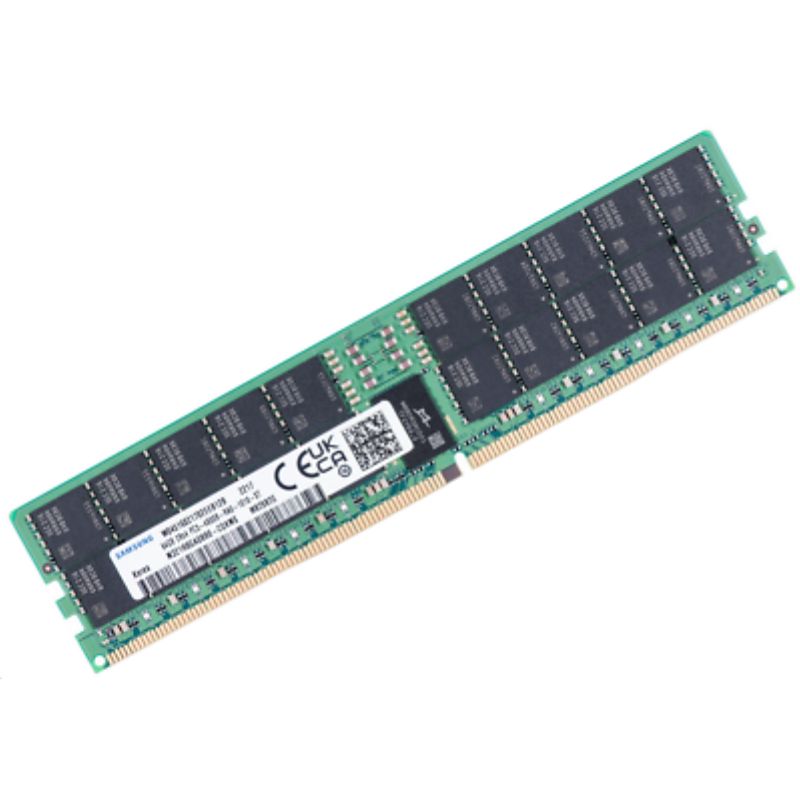


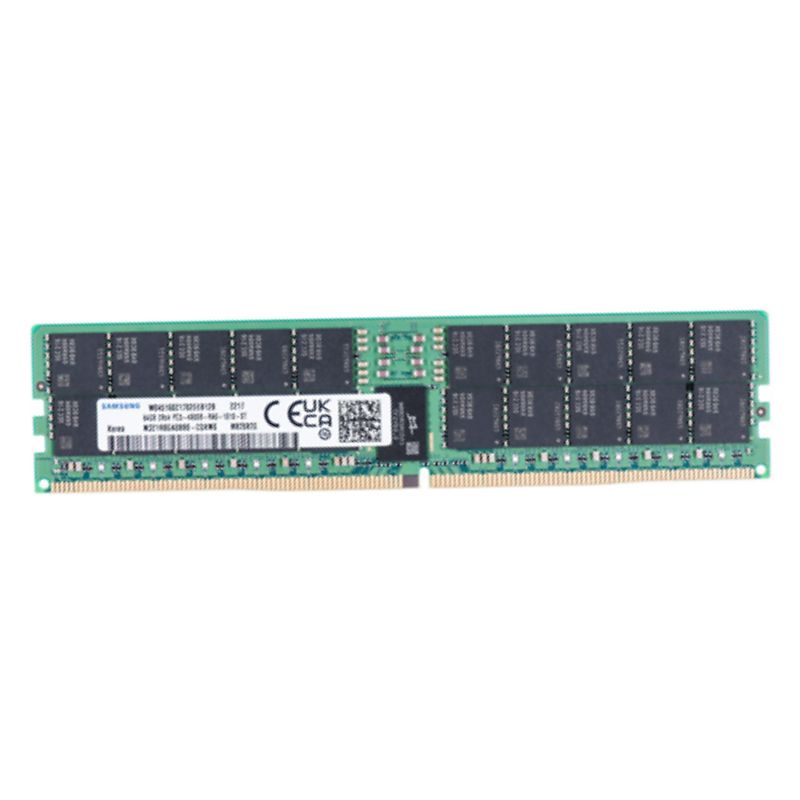
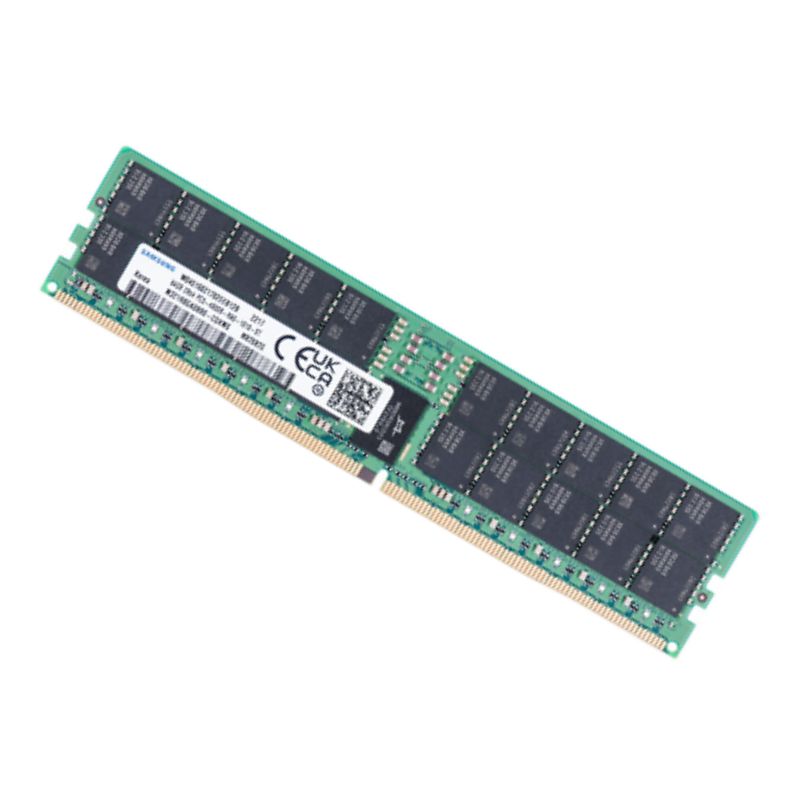
Supermicro MEM-DR564MC-ER56 64GB DDR5 5600MHZ PC5-44800 CL46 ECC Registered 1.1v RDIMM Memory. New Sealed in Box (NIB) with 3-Years Warranty - Hynix Version.
The Supermicro MEM-DR564MC-ER56 64GB DDR5 5600MHz PC5-44800 CL46 ECC Registered 1.1V RDIMM Memory Module is engineered for enterprise-grade computing, offering ultra-fast speeds, advanced error correction, and dependable stability for servers and high-performance workstations.
The Supermicro MEM-DR564MC-ER56 64GB DDR5 5600MHz PC5-44800 CL46 ECC Registered 1.1V RDIMM Memory belongs to a high-capacity, enterprise-grade DDR5 ECC RDIMM memory category engineered for modern server, cloud, and workstation infrastructures. This category represents a significant evolution in system memory design, focusing on higher bandwidth, improved power efficiency, increased density, and uncompromising reliability. DDR5 ECC Registered memory modules are purpose-built for platforms that demand continuous operation, deterministic performance, and data integrity under heavy computational and memory-intensive workloads.
This category primarily targets enterprise servers, data centers, virtualization platforms, and high-performance computing environments where memory stability and scalability are foundational requirements. By combining DDR5 architecture with ECC protection and registered buffering, this class of memory ensures predictable performance even in large, multi-DIMM configurations. The Supermicro-branded module reflects strict adherence to server validation standards, ensuring seamless compatibility with supported Supermicro systems and industry-standard DDR5 server platforms.
DDR5 memory represents a generational shift that directly impacts how enterprise systems manage data throughput and memory efficiency. Compared to DDR4, DDR5 introduces significantly higher data transfer rates, starting at speeds that exceed the upper limits of DDR4 and scaling far beyond. The DDR5-5600 specification within this category delivers PC5-44800 bandwidth, enabling faster communication between processors and memory subsystems.
DDR5 also introduces architectural refinements such as dual independent 32-bit subchannels per DIMM. This change enhances memory access concurrency and reduces latency penalties associated with parallel workloads. In server environments running multi-core processors with dozens or hundreds of threads, this architectural improvement allows memory controllers to service more requests simultaneously, resulting in smoother scaling and improved workload responsiveness.
The PC5-44800 rating defines the theoretical maximum bandwidth achievable by DDR5-5600 memory modules in this category. This level of throughput is critical for workloads that rely on rapid access to large datasets, such as real-time analytics, in-memory databases, and high-performance transaction processing systems. Increased memory bandwidth reduces contention at the memory controller level, allowing CPUs to operate closer to their full computational potential.
For enterprise applications that are sensitive to memory performance, such as virtualization hosts and container orchestration platforms, higher bandwidth directly translates into improved VM density and reduced performance variability across workloads. This makes DDR5 ECC RDIMM memory a strategic component in modern infrastructure planning.
The CL46 latency specification of this memory category reflects the balance between operating frequency and access timing inherent to DDR5 technology. While numerical latency values are higher compared to earlier DDR generations, the increased clock speeds significantly reduce actual access time in nanoseconds. This results in comparable or improved real-world performance, particularly under sustained memory load conditions.
Consistent latency behavior is especially important in enterprise environments where predictable performance is essential. Applications such as databases, middleware, and distributed systems benefit from stable memory response times, which contribute to overall system determinism.
ECC functionality is a defining attribute of this DDR5 RDIMM memory category. Error Correction Code memory detects and corrects single-bit errors while identifying multi-bit errors that could compromise data integrity. In enterprise systems handling mission-critical data, even minor memory errors can lead to data corruption, application crashes, or system instability. ECC memory mitigates these risks by ensuring that data stored in memory remains accurate and reliable.
The Supermicro MEM-DR564MC-ER56 module integrates ECC seamlessly, operating transparently without requiring software intervention. This is essential for environments where uptime and data accuracy are non-negotiable, such as financial services, healthcare systems, and enterprise resource planning platforms.
Registered DIMM technology incorporates a register between the memory controller and the DRAM chips. This register buffers command and address signals, reducing electrical load on the memory controller and improving signal integrity. As a result, systems can support more memory modules per channel without compromising stability.
This architectural advantage is critical in high-density server configurations where multiple RDIMMs are installed across several memory channels. The registered design ensures reliable operation at DDR5-5600 speeds, even under heavy workloads and continuous operation.
DDR5 ECC RDIMM memory enhances overall system stability by working in conjunction with platform-level features such as memory scrubbing, patrol scanning, and predictive failure analysis. These mechanisms proactively identify and address memory issues before they impact system availability. This category of memory is therefore integral to fault-tolerant system designs that prioritize resilience and uptime.
In large-scale deployments, improved fault tolerance reduces operational risk and lowers the total cost of ownership by minimizing unplanned downtime and maintenance interventions.
The 64GB capacity of the Supermicro MEM-DR564MC-ER56 positions it within a high-density memory category optimized for scalable enterprise systems. This capacity enables servers to support large memory footprints using fewer physical DIMMs, improving airflow, simplifying configuration, and reducing power consumption per gigabyte.
High-capacity DDR5 RDIMM modules are particularly advantageous in virtualization and cloud environments, where memory is often the limiting resource. By deploying 64GB modules, organizations can increase total system memory without occupying additional DIMM slots, preserving expansion potential for future upgrades.
Virtualization platforms rely heavily on memory capacity to host multiple virtual machines efficiently. This category of memory supports higher VM consolidation ratios by providing ample memory resources per host. Increased memory density also reduces the likelihood of memory overcommitment, which can negatively impact performance and stability.
For containerized workloads and microservices architectures, abundant memory capacity ensures that services can scale dynamically without encountering resource constraints. DDR5 ECC RDIMM memory supports these dynamic environments by delivering both capacity and performance.
In multi-socket server architectures, memory configuration plays a crucial role in performance optimization. DDR5 RDIMM memory in this category is designed to work efficiently within Non-Uniform Memory Access environments, ensuring balanced memory distribution across CPU sockets. Proper memory population with high-capacity modules helps reduce cross-socket memory access penalties and improves overall application performance.
This is especially relevant for database servers, analytics engines, and scientific applications that are sensitive to memory locality and access patterns.
Power efficiency is a key consideration in modern data centers, and DDR5 memory introduces notable improvements in this area. Operating at 1.1V, this category of memory consumes less power compared to previous DDR generations. Lower operating voltage reduces overall energy consumption and heat generation, contributing to more efficient thermal management.
DDR5 also integrates on-DIMM power management circuitry, relocating voltage regulation from the motherboard to the memory module itself. This design improves power delivery precision and reduces electrical noise, enhancing stability and efficiency under varying load conditions.
DDR5 ECC RDIMM modules are engineered for continuous operation in controlled thermal environments. The PCB layout, component placement, and electrical design are optimized to support effective heat dissipation. This ensures that memory modules maintain stable performance even under sustained heavy workloads.
In high-density server deployments, improved thermal efficiency allows for higher memory capacity per system without requiring disproportionate increases in cooling infrastructure. This contributes to better rack density and lower operational costs.
Lower power consumption and improved efficiency align this memory category with data center sustainability initiatives. Reduced energy usage translates into lower carbon emissions and operational expenses. As organizations increasingly prioritize environmentally responsible infrastructure, DDR5 ECC RDIMM memory supports these goals without sacrificing performance or reliability.
Supermicro memory modules are designed and validated specifically for compatibility with Supermicro server platforms. This validation process ensures that the MEM-DR564MC-ER56 module meets stringent performance, reliability, and interoperability standards. Compatibility extends across a wide range of Supermicro systems and supported DDR5 server architectures.
Platform-specific validation reduces deployment risk and simplifies system integration. Enterprises benefit from predictable behavior, consistent performance, and vendor-backed support when deploying Supermicro-certified memory modules.
This memory category adheres strictly to JEDEC DDR5 standards, ensuring interoperability across compliant platforms. Standards compliance guarantees that electrical characteristics, timing parameters, and mechanical specifications meet industry benchmarks. This is essential for maintaining compatibility with BIOS firmware, memory controllers, and system management tools.
JEDEC compliance also facilitates long-term support and lifecycle management, as standardized components are easier to replace and upgrade over time.


 Contact Us
 Information
 Catalog
 Solid State Drives (SSD)
 Network Switches
 Hard Disk Drives
 HBA & Controllers
 PC & Servers
 PC & Server Memory
 CPU & Processors
 Network Routers
 Power Supplies
 Tape Drives & Libraries
 Network Devices
 Computer & Network Cables