(7% discount is applied at checkout)
Cart is empty
Your go-to destination for cutting-edge server products
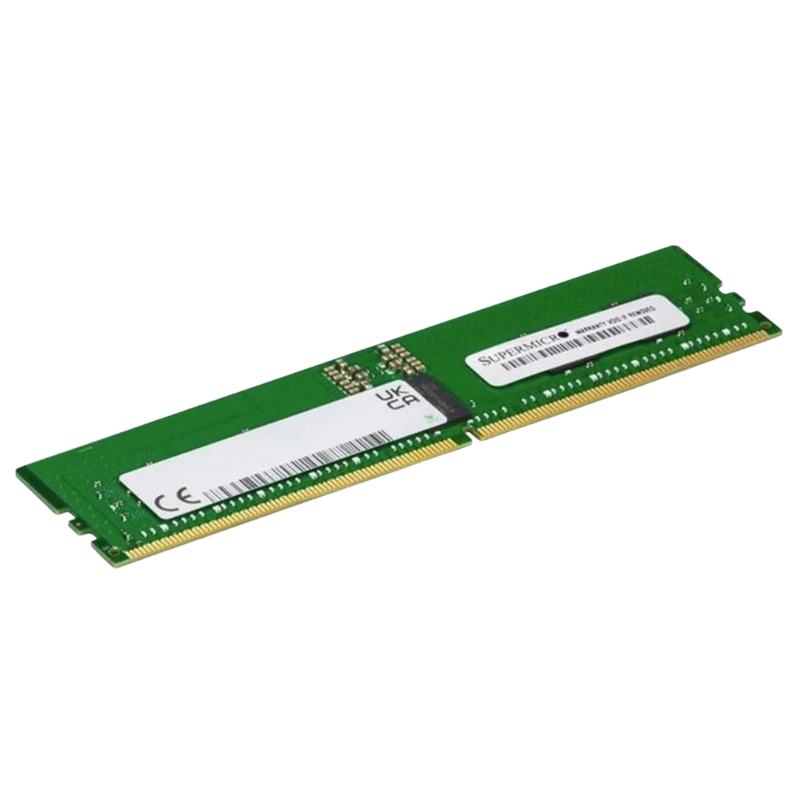


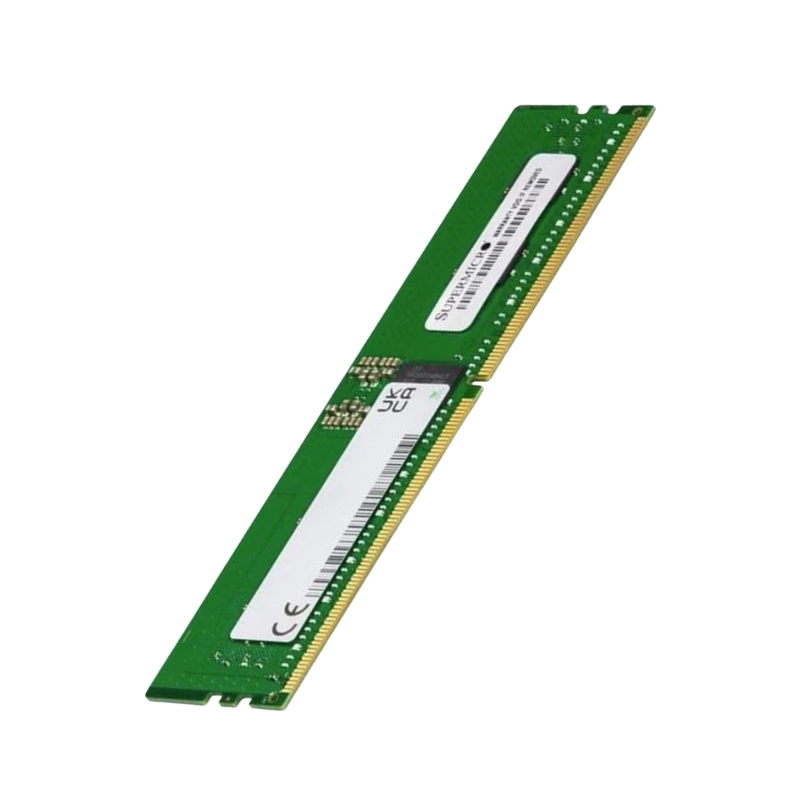
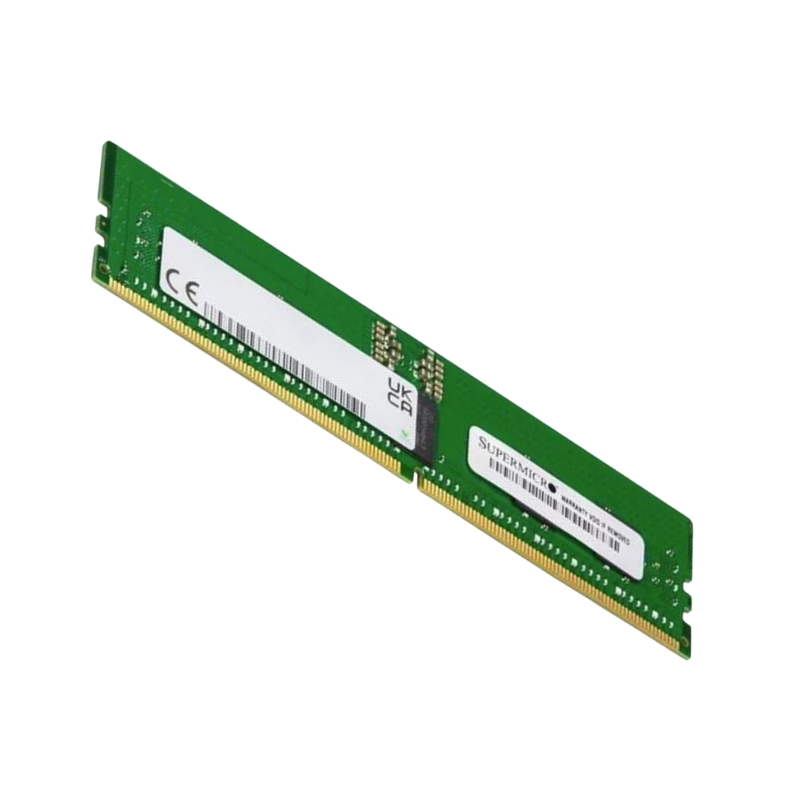
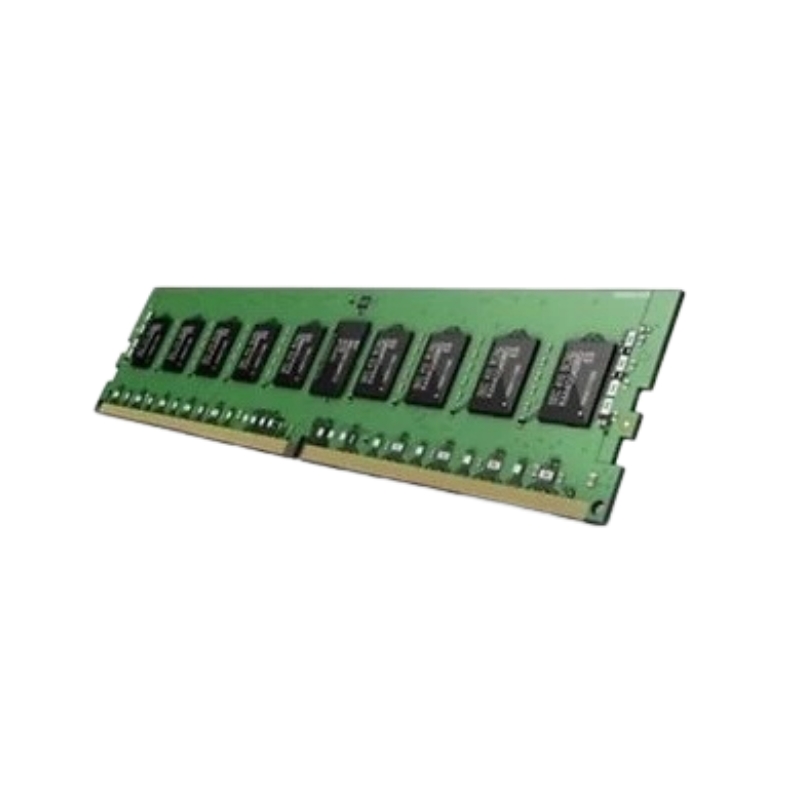
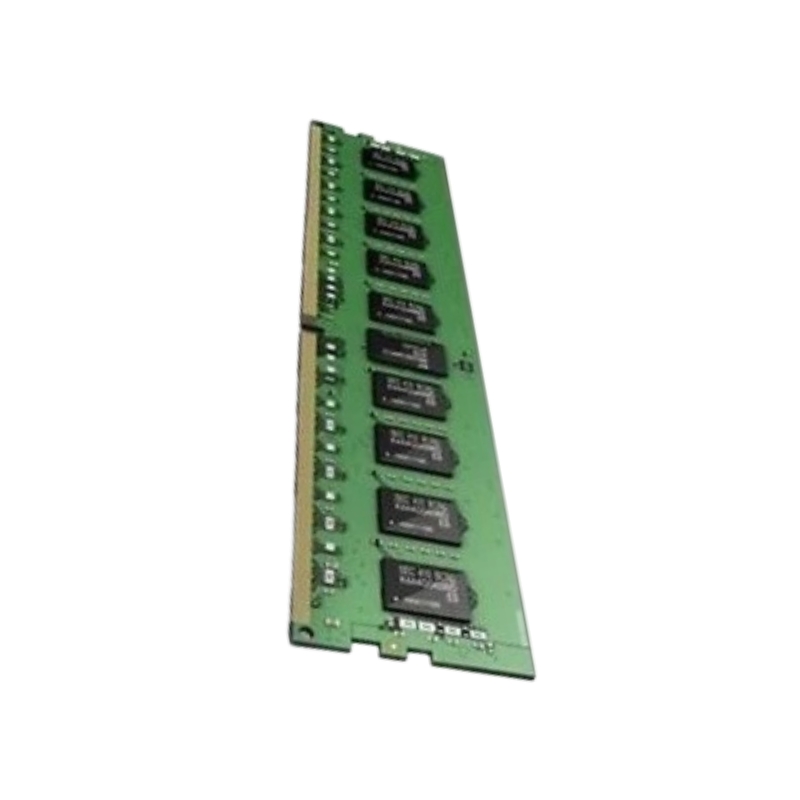
Supermicro MEM-DR596L-CL02-ER64 96GB 6400MHz Pc5-51200 ECC Registered Dual Rank Cl52 Ddr5 Sdram 288-pin Rdimm Memory Module. New Sealed in Box (NIB) with 3 Year Warranty - Micron Version
| SKU/MPN | Warranty | Price | Condition | You save |
|---|---|---|---|---|
| MEM-DR596L-CL02-ER64 | 1 Year Warranty | $4,977.00 | New (System) Pull | You save: $1,741.95 (26%) |
| MEM-DR596L-CL02-ER64 | 1 Year Warranty | $6,720.00 | New Sealed in Box (NIB) | You save: $2,352.00 (26%) |
The MEM-DR596L-CL02-ER64 Supermicro 96GB 6400MHz PC5-51200 ECC DDR5 Memory belongs to a high-performance enterprise memory category designed for modern data centers, cloud infrastructures, AI platforms, and mission-critical server environments. This category focuses on registered ECC DDR5 memory modules that deliver exceptional bandwidth, scalability, reliability, and power efficiency, meeting the evolving requirements of next-generation computing workloads.
DDR5 server memory represents a significant technological leap over previous generations, offering doubled bank counts, higher burst lengths, improved power management, and unprecedented data transfer rates. Products within this category are engineered to support intensive multi-core processors, memory-hungry virtualization environments, real-time analytics platforms, and high-throughput transaction processing systems. Supermicro memory modules are rigorously validated for compatibility with Supermicro server platforms, ensuring optimal stability and predictable performance under sustained workloads.
The PC5-51200 specification denotes a memory bandwidth of up to 51.2GB/s per module, positioning this category at the forefront of server memory performance. The 6400MHz effective data rate enables faster data access, reduced latency bottlenecks, and enhanced responsiveness across CPU-intensive and memory-bound applications. Systems equipped with DDR5-6400 modules benefit from smoother multitasking, accelerated data pipelines, and improved application scaling.
High-frequency DDR5 memory is especially critical for workloads such as artificial intelligence training, machine learning inference, in-memory databases, scientific simulations, and large-scale virtualization. The increased throughput allows processors to maintain higher utilization levels without stalling for memory access, translating into tangible performance gains and better return on infrastructure investments.
DDR5 introduces two independent 32-bit channels per DIMM, compared to a single 64-bit channel in DDR4. This architectural improvement significantly increases memory efficiency and parallelism, allowing simultaneous data transactions and reducing access contention. In server environments, this translates to improved overall system throughput, particularly in multi-socket configurations where memory access patterns are complex and demanding.
The 96GB capacity of the MEM-DR596L-CL02-ER64 module addresses the growing demand for higher memory densities per DIMM. This category is designed to maximize memory capacity without requiring additional slots, making it ideal for space-constrained servers and dense compute nodes. High-capacity modules allow organizations to scale memory resources efficiently while maintaining optimal airflow and power profiles.
Large memory capacity is essential for applications such as virtualization hosts running numerous virtual machines, containerized microservices, big data analytics platforms, and enterprise resource planning systems. By reducing the need for excessive DIMM counts, high-density DDR5 modules also simplify system design and maintenance.
Deploying fewer high-capacity memory modules can lower total cost of ownership by minimizing power consumption, reducing heat output, and simplifying upgrade paths. This category supports long-term scalability, allowing organizations to expand memory resources incrementally as workloads evolve.
Error-Correcting Code (ECC) functionality is a defining characteristic of this memory category. ECC memory detects and corrects single-bit errors in real time, preventing data corruption, application crashes, and system instability. In enterprise and mission-critical environments, data integrity is paramount, making ECC memory a non-negotiable requirement.
Supermicro ECC DDR5 memory modules are engineered to meet stringent reliability standards, ensuring consistent operation under continuous load. This level of reliability is crucial for financial systems, healthcare platforms, telecommunications infrastructure, and cloud service providers where downtime or data errors can have significant consequences.
The registered DIMM architecture enhances signal integrity and stability by buffering address and control signals. RDIMM modules enable higher memory capacities and improved scalability in multi-DIMM configurations, making them ideal for enterprise servers and high-end workstations. This category supports stable operation even in systems populated with large numbers of high-capacity modules.
DDR5 memory integrates on-die power management circuits, shifting voltage regulation from the motherboard to the memory module itself. This innovation improves power efficiency, reduces electrical noise, and enhances overall system stability. The result is more consistent performance and improved energy utilization across server platforms.
Power efficiency is a critical consideration in modern data centers, where energy costs and thermal constraints directly impact operational expenses. This category of DDR5 memory supports greener computing initiatives by delivering higher performance per watt compared to previous generations.
High-speed memory modules generate heat, but Supermicro DDR5 designs are optimized for effective heat dissipation. Advanced PCB layouts and component placement contribute to stable thermal behavior, ensuring sustained performance even under heavy workloads. Proper thermal management extends component lifespan and reduces the risk of throttling.
This memory category is specifically validated for compatibility with Supermicro server and workstation platforms. Rigorous testing ensures seamless integration, optimal BIOS recognition, and reliable operation across supported systems. Using manufacturer-validated memory minimizes compatibility risks and simplifies deployment in enterprise environments.
Compatibility validation is especially important for high-frequency DDR5 modules, as platform-level tuning and firmware support play a critical role in achieving rated performance. Supermicro memory solutions are engineered to work harmoniously with corresponding chipsets, processors, and system architectures.
The MEM-DR596L-CL02-ER64 category supports modern server processors that leverage DDR5 memory technology, including platforms optimized for high core counts and advanced interconnects. This ensures future-ready infrastructure capable of handling evolving workload demands.
High-capacity, high-speed DDR5 ECC memory is a cornerstone of virtualization and cloud computing platforms. This category enables higher virtual machine density, improved performance isolation, and faster provisioning times. Cloud service providers benefit from enhanced scalability and consistent performance across diverse workloads.
In-memory databases and transaction-heavy applications rely on low-latency, high-reliability memory. ECC DDR5 modules ensure data accuracy while delivering the performance required for real-time analytics, financial transactions, and enterprise reporting systems.
As applications continue to grow in complexity and scale, memory requirements increase accordingly. This category of high-density DDR5 memory provides a scalable foundation that can adapt to future demands without requiring frequent hardware replacements. Organizations can confidently invest in infrastructure that remains relevant over extended deployment cycles.
DDR5 memory adheres to evolving industry standards, ensuring long-term compatibility and availability. Supermicro’s commitment to standards-based design ensures that memory modules integrate seamlessly into diverse enterprise ecosystems while maintaining performance and reliability benchmarks.


 Contact Us
 Information
 Catalog
 Solid State Drives (SSD)
 Network Switches
 Hard Disk Drives
 HBA & Controllers
 PC & Servers
 PC & Server Memory
 CPU & Processors
 Network Routers
 Power Supplies
 Tape Drives & Libraries
 Network Devices
 Computer & Network Cables