(7% discount is applied at checkout)
Cart is empty
Your go-to destination for cutting-edge server products
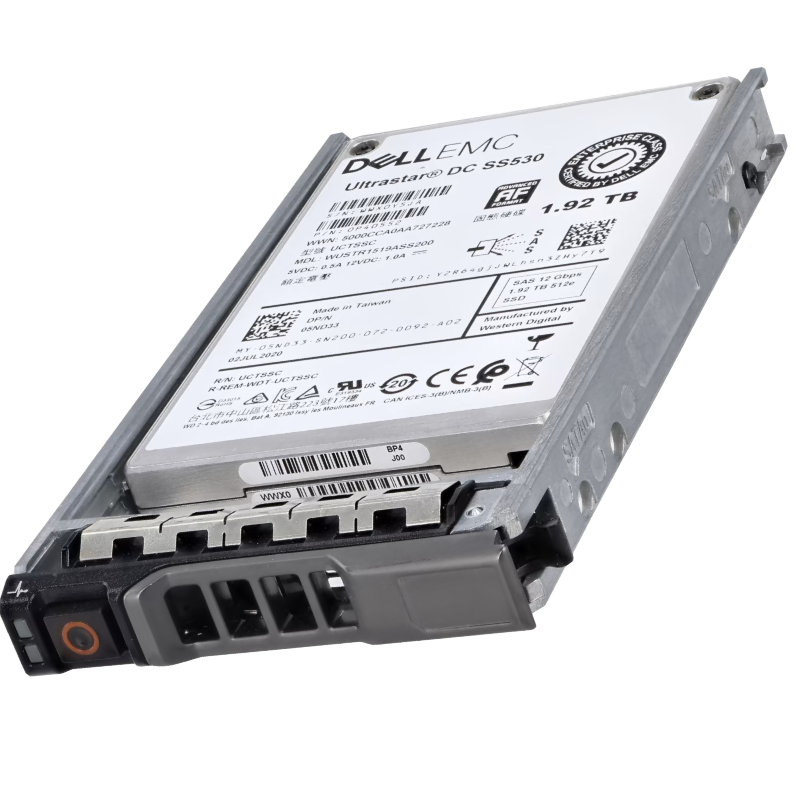


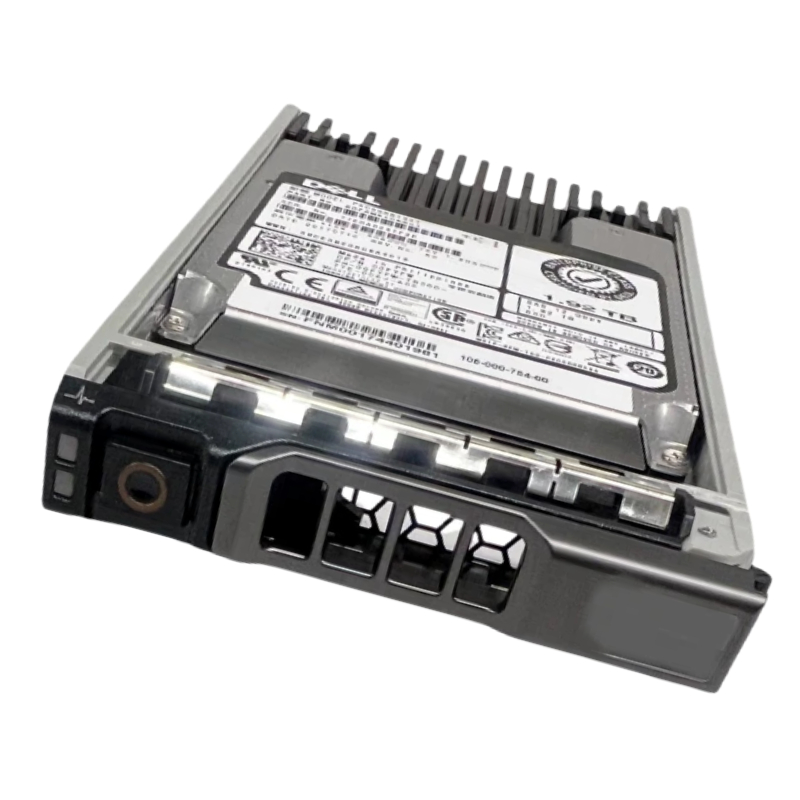
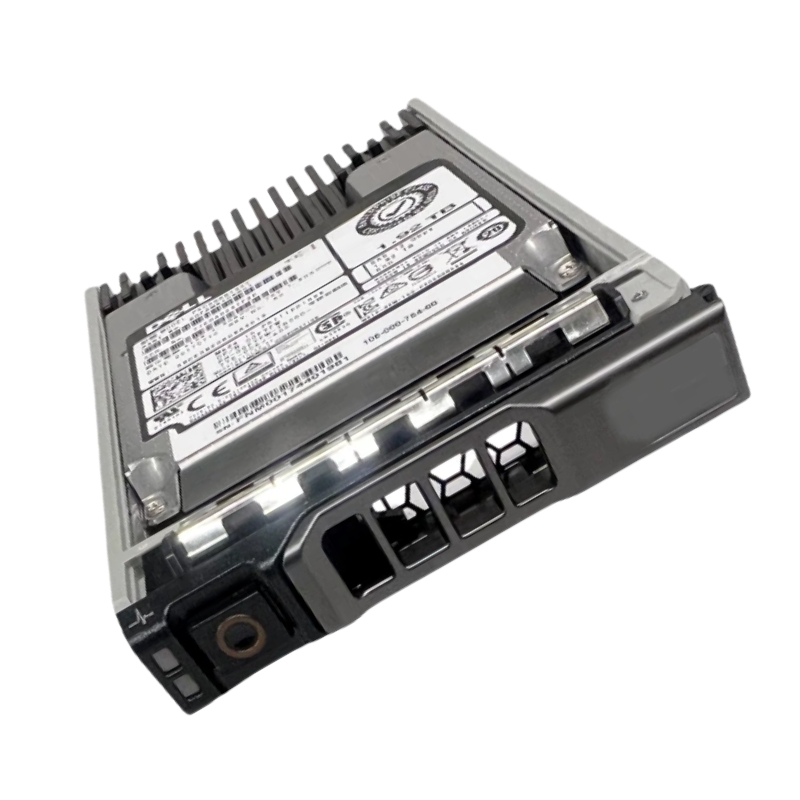
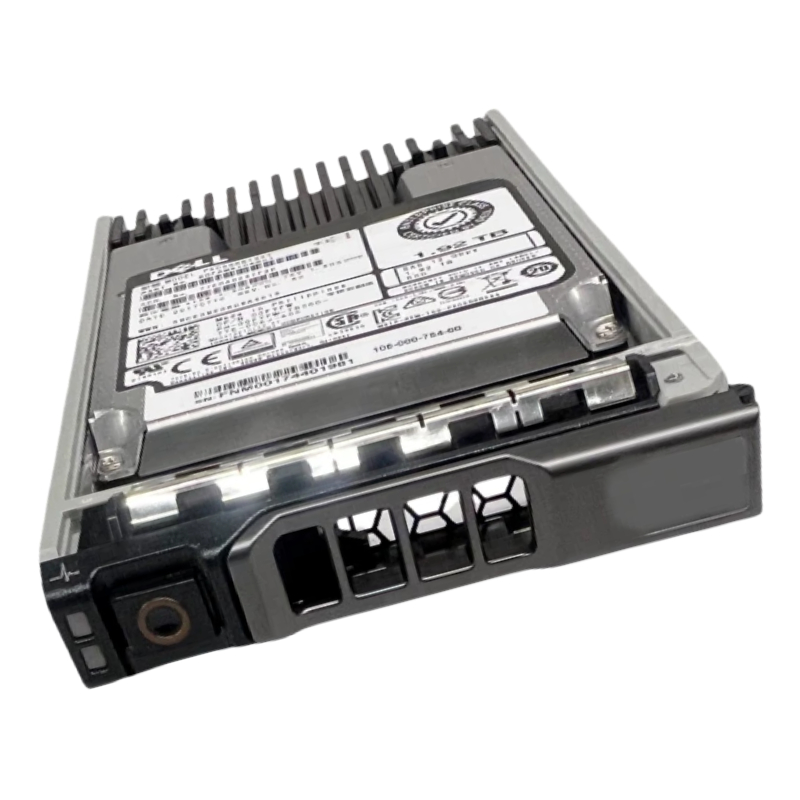
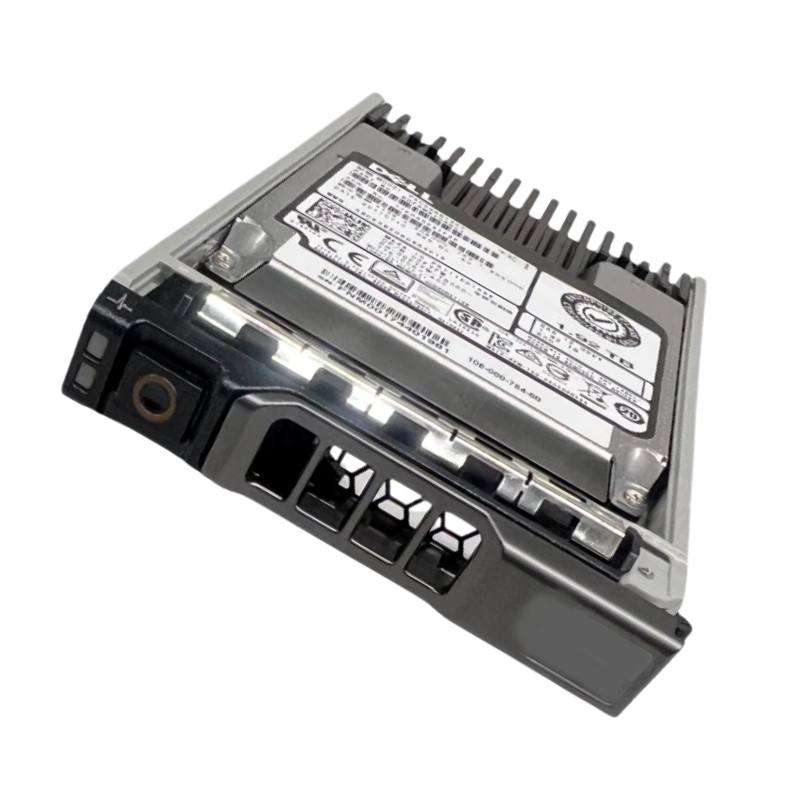
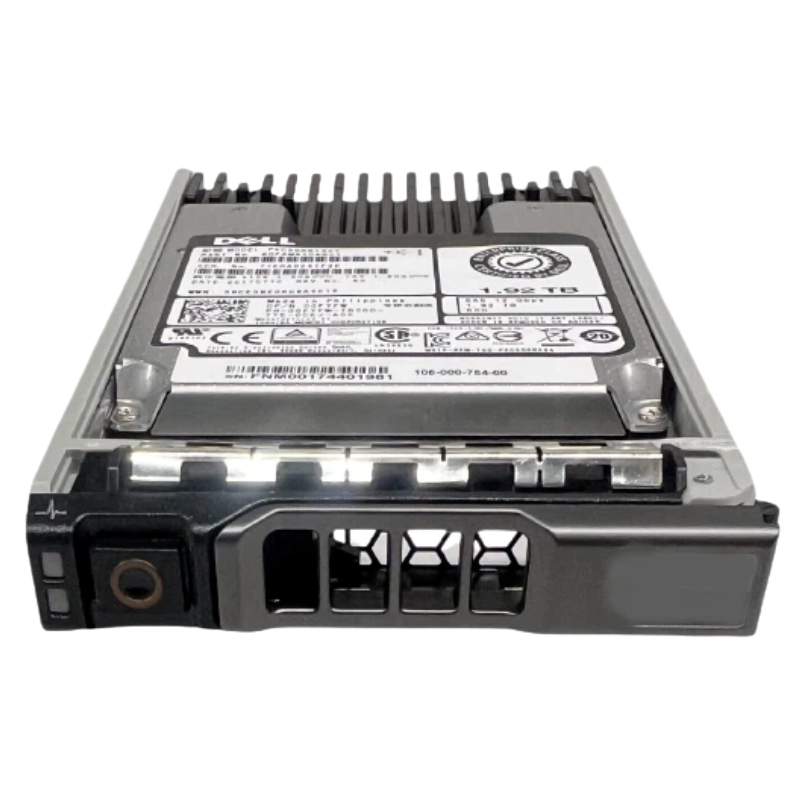
Dell TM19D 1.92TB SATA-6GBPS Read Intensive 512e SFF for Poweredge Server SSD. New Sealed in Box (NIB) 1 Year Warranty
The Dell TM19D 1.92TB SATA-6GBPS Read Intensive 512e SFF Solid State Drive is a purpose-built enterprise component that addresses a narrow but vital set of workloads where read throughput, predictable latency, and compatibility with legacy sector sizes matter. This drive is presented in a 2.5-inch small form factor specifically designed to fit Dell PowerEdge server trays and enclosures. It communicates over a SATA 6Gb/s interface and offers 1.92 terabytes of raw formatted capacity in the popular 512e sector emulation format, enabling straightforward replacement of older 512-byte-sector drives in established server fleets while maintaining improved density and performance. The TM19D is commonly sold under Dell part numbers including TM19D and 400-BDQG and is frequently identified in product listings as an S4510-class SATA SSD tailored for 13G PowerEdge generations.
The TM19D’s internal architecture and firmware are tuned for read-intensive workloads rather than the random write-heavy patterns typical of high-endurance mixed-use or write-intensive enterprise SSDs. This design emphasis shows up in performance characteristics and endurance ratings: the drive maximizes read IOPS and sustained sequential read throughput while providing sufficient write endurance for caching, OS images, virtual machine images that are read far more often than they are written, and content-delivery style applications.
The 2.5-inch SFF profile places the TM19D into dense server arrays, allowing administrators to increase storage capacity without sacrificing node density. Its tray and connector layouts align with Dell PowerEdge designs; many product packages include a hot-swap tray or are sold ready for insertion into 13G PowerEdge drive bays. That physical and electrical compatibility reduces installation friction and enables straightforward upgrades in existing PowerEdge environments that previously used 2.5-inch SATA drives. The drive’s hot-swap ability and adherence to Dell’s mechanical carrier standards make it practical for live data center maintenance and modular server architectures.
The Dell TM19D leverages the SATA 6Gb/s interface to deliver predictable sequential and random read performance within the constraints of the SATA protocol. While modern NVMe SSDs dramatically outpace SATA devices in raw bandwidth and queue-depth scalability, SATA remains a broadly supported and stable interface for legacy systems and mixed-environment deployments. The TM19D’s engineering objective is to deliver high, consistent read bandwidth and low latency under sustained loads so that server applications that depend on frequent reads remain responsive. Because SATA is limited by command queue depth and link speed, practical throughput measurements will depend on host controller implementation and system-level tuning, but administrators can expect a step-up in read consistency compared to spinning media and older generation TLC-based designs.
Many enterprise ecosystems still expect 512-byte logical sector visibility even when underlying NAND is organized in larger physical pages. The TM19D’s use of 512e emulation maintains that logical compatibility while internally using larger physical sectors for efficiency and density. This makes the drive attractive for environments that cannot immediately migrate to native 4K sector awareness without reformatting or reimaging systems. The emulation minimizes migration friction and preserves interoperability with older operating systems, hypervisors, backup appliances, and RAID controllers that assume 512B sectors. The semantic compatibility also eases warranty support and lifecycle transitions across generations of server hardware.
Within a multi-tier storage strategy, the TM19D acts as an efficient mid-tier component: denser and cheaper per gigabyte than high-endurance NVMe or SAS drives but far faster and lower-latency than mechanical disk tiers. System architects commonly place these drives in tiers that serve read-heavy databases, content caches, frequently accessed VM image stores, and application servers with predictable read patterns. The TM19D’s presence helps reduce load on higher-cost tiers by absorbing frequently requested data close to the compute layer, which improves overall cluster performance without the capital expense of a fully NVMe-based storage stack.
Enterprise hot-swap operation assumes that hardware is installed in supported carriers and that server firmware supports online drive replacement for the chosen RAID or software-defined storage configuration. To maintain data integrity during replacement, practitioners should follow well-established steps: migrate or failover volumes when required, mark the drive for removal or offline state from the RAID controller or OS if necessary, follow electrostatic discharge precautions while handling, and verify the drive’s firmware compatibility with the host to prevent unexpected controller interactions. After physical insertion, RAID controllers typically detect the drive and either automatically begin rebuilds or wait for administrative action depending on configuration. Documenting each replacement action in change logs ensures traceability and accelerates troubleshooting if a new drive encounters firmware or compatibility issues.


 Contact Us
 Information
 Catalog
 Solid State Drives (SSD)
 Network Switches
 Hard Disk Drives
 HBA & Controllers
 PC & Servers
 PC & Server Memory
 CPU & Processors
 Network Routers
 Power Supplies
 Tape Drives & Libraries
 Network Devices
 Computer & Network Cables