(7% discount is applied at checkout)
Cart is empty
Your go-to destination for cutting-edge server products
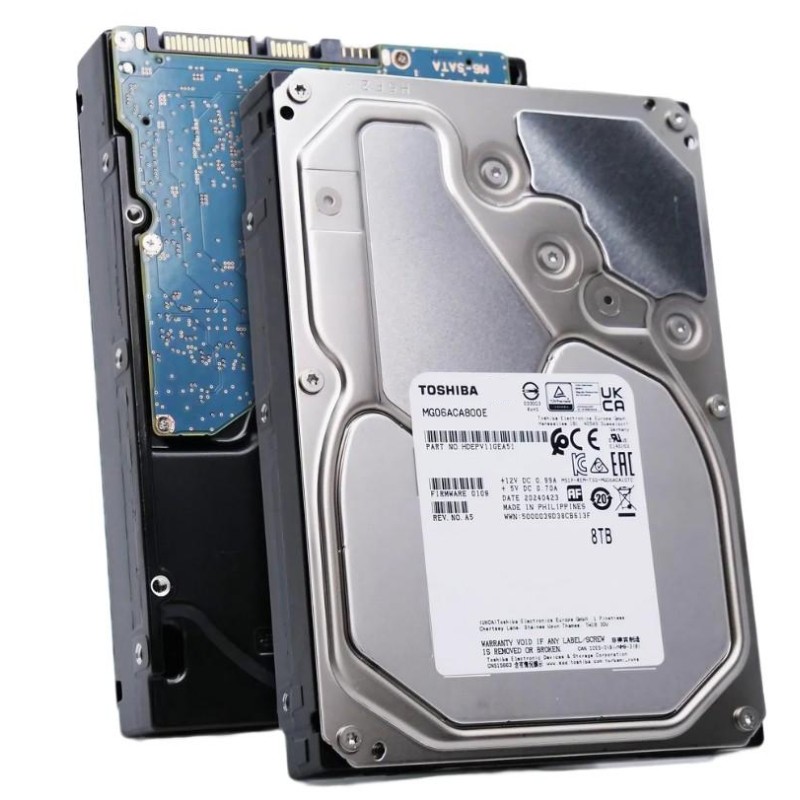


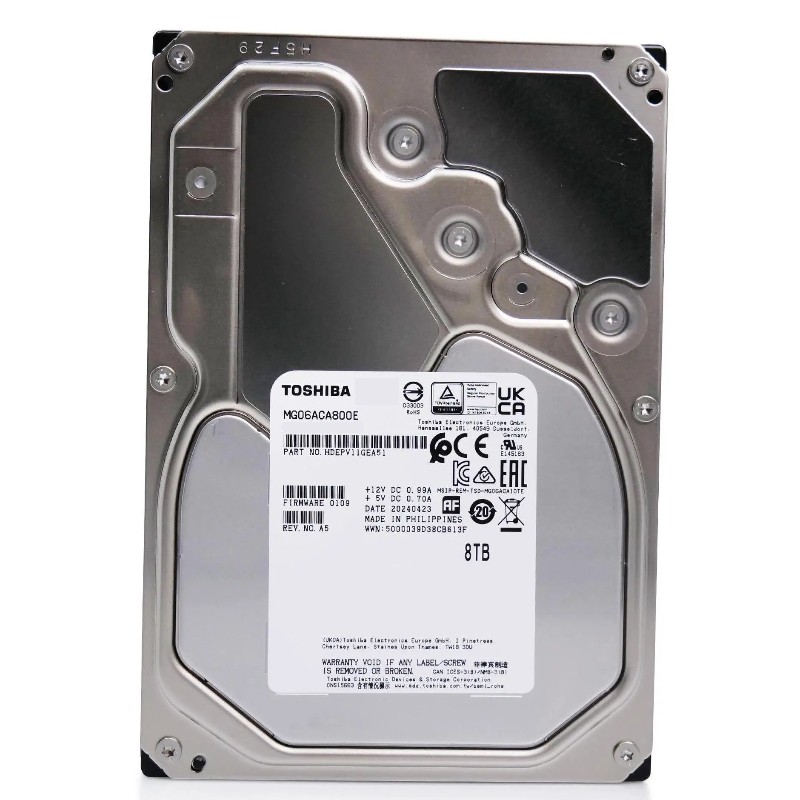
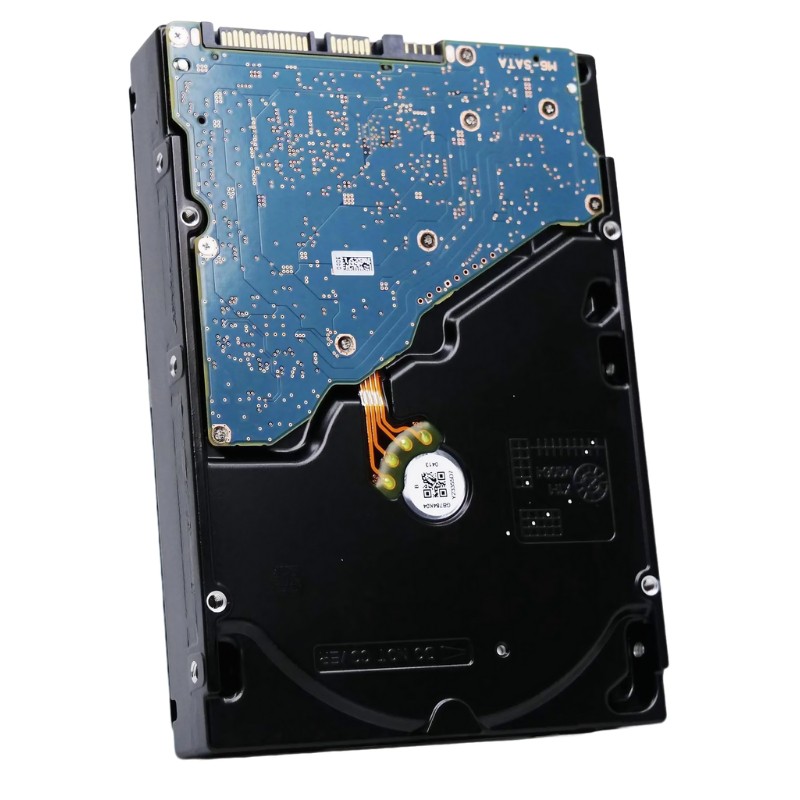
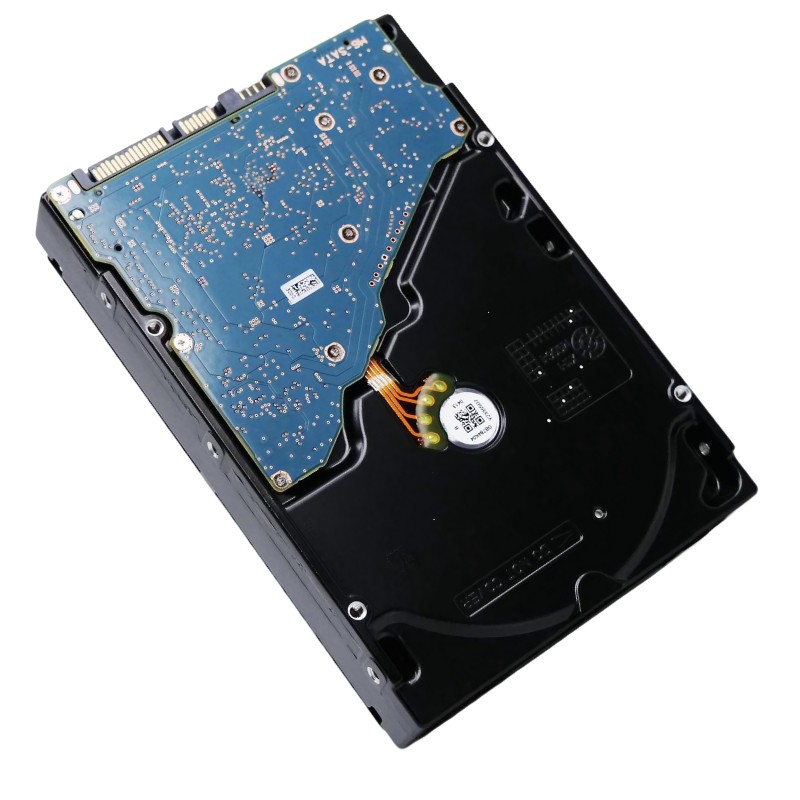
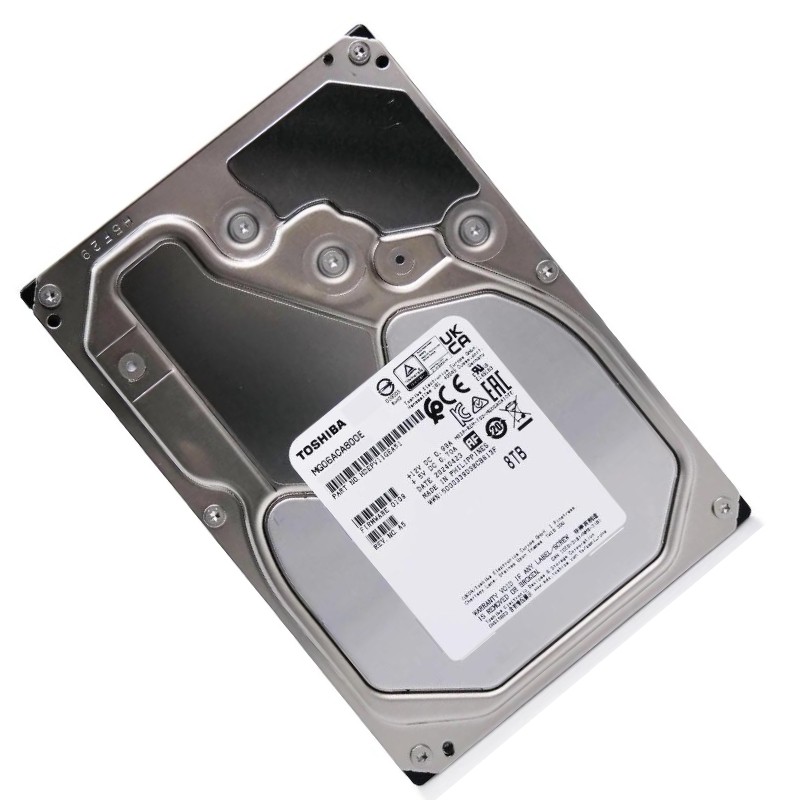
Toshiba HDEJN14GEA51 SAS 8TB 12GBPS 7.2K RPM Enterprise Hard Drive. New Sealed in Box (NIB) with 3 Years Warranty
The Toshiba HDEJN14GEA51 is a high-capacity enterprise-grade hard disk drive designed to deliver reliable performance, scalability, and durability for modern data center environments. Built with advanced storage engineering, this 8TB SAS HDD is optimized for business-critical workloads, offering consistent throughput and long-term operational stability.
The Toshiba HDEJN14GEA51 SAS 8TB 12Gbps 7.2K RPM enterprise hard drive belongs to a specialized category of high-performance storage devices engineered for mission-critical computing environments. This class of storage solutions is designed to support large-scale data processing, continuous workloads, and enterprise-level reliability requirements where data integrity, sustained throughput, and operational endurance are essential. In modern data-driven infrastructures, enterprise SAS hard drives play a central role in supporting servers, cloud platforms, virtualization clusters, and large archival systems that demand consistent and predictable performance under heavy loads.
Within the enterprise storage ecosystem, this type of drive is optimized for multi-user environments and 24/7 operation, making it fundamentally different from consumer-grade storage devices. The Toshiba HDEJN14GEA51 model integrates a balance of capacity, speed, and durability, which is particularly suitable for environments where large datasets must be accessed continuously without interruption. Its SAS interface and rotational performance characteristics are engineered to support sustained workloads rather than short bursts of consumer-level activity.
The Toshiba HDEJN14GEA51 is positioned in the enterprise storage segment as a high-capacity mechanical hard drive utilizing Serial Attached SCSI (SAS) technology. SAS drives are widely adopted in data center environments due to their reliability, scalability, and ability to maintain consistent data throughput across multiple simultaneous operations. The 8TB capacity allows organizations to store vast amounts of structured and unstructured data, making it suitable for applications such as database storage, backup repositories, and large-scale virtualization systems.
Unlike SATA-based consumer drives, SAS drives such as this model are built with enhanced error correction protocols, dual-port connectivity options, and improved command queuing mechanisms. These features allow them to integrate seamlessly into enterprise RAID configurations, where redundancy and data integrity are critical. The Toshiba HDEJN14GEA51 is engineered to maintain stability under sustained workloads, ensuring that performance degradation is minimized even under heavy read and write operations.
An 8TB capacity provides a substantial storage footprint for modern enterprise systems. In environments where data accumulation grows rapidly, such as cloud computing platforms, surveillance systems, and large-scale content delivery networks, storage density becomes a critical factor. The Toshiba HDEJN14GEA51 addresses this requirement by offering high storage volume within a single drive unit, reducing the physical space required for storage arrays while maintaining operational efficiency.
Efficient data management is a core advantage of high-capacity enterprise drives. By consolidating large datasets into fewer physical drives, organizations can reduce complexity in storage architecture and improve scalability. This allows data center administrators to optimize RAID configurations, improve storage utilization rates, and reduce overall hardware footprint without compromising performance or reliability.
The increasing demand for big data analytics and real-time processing has made storage density a key consideration in infrastructure planning. The Toshiba HDEJN14GEA51 supports this trend by providing high-capacity storage within a standardized 3.5-inch form factor, allowing it to integrate into existing enterprise server racks and storage enclosures without modification. This compatibility ensures seamless upgrades and expansions in enterprise environments.
The 12Gbps SAS interface is one of the defining characteristics of the Toshiba HDEJN14GEA51 enterprise hard drive. SAS technology is designed for high-performance enterprise environments where multiple users or applications access data simultaneously. The 12-gigabit-per-second transfer rate enables significantly faster communication between the drive and host systems compared to traditional SATA interfaces.
This high-speed interface is particularly beneficial in data centers where latency reduction and throughput optimization are critical. The SAS protocol also supports full-duplex communication, meaning data can be read and written simultaneously, improving efficiency in workloads that involve continuous data streaming or transactional processing.
One of the most important features of SAS architecture is dual-port connectivity, which enhances system redundancy and fault tolerance. The Toshiba HDEJN14GEA51 leverages this capability to ensure continuous data availability even in the event of a path failure. Dual-port functionality allows the drive to connect to two independent data paths, improving system resilience and enabling seamless failover in enterprise storage arrays.
This feature is particularly valuable in mission-critical systems where downtime is not acceptable. By providing multiple access routes to stored data, SAS drives reduce the risk of data unavailability and improve overall system uptime.
Enterprise SAS drives incorporate advanced command queuing technologies that optimize how data requests are processed. The Toshiba HDEJN14GEA51 is designed to handle multiple simultaneous input/output requests efficiently, prioritizing and reorganizing operations to reduce latency and improve throughput. This is especially important in multi-user environments where numerous applications access storage resources concurrently.
The ability to manage high queue depths ensures that performance remains stable even under heavy workloads. This makes the drive suitable for database servers, virtualization clusters, and enterprise application hosting environments where consistent response times are essential.
The 7,200 RPM rotational speed of the Toshiba HDEJN14GEA51 provides a balance between performance and energy efficiency. While higher RPM drives such as 10K or 15K models may offer faster access times, 7.2K RPM drives are widely used in capacity-focused enterprise storage systems due to their optimal balance of speed, reliability, and storage density.
This rotational speed allows the drive to maintain steady data transfer rates while minimizing wear and mechanical stress. It is particularly well-suited for workloads that involve sequential data access, such as backup operations, media storage, and large-scale archival systems.
The mechanical design of enterprise hard drives plays a crucial role in ensuring durability over extended operational periods. The Toshiba HDEJN14GEA51 is engineered with vibration resistance and shock tolerance mechanisms that help maintain performance stability in densely packed server environments. These features reduce the risk of mechanical failure and ensure consistent operation even under continuous use.
Reliability is a defining characteristic of enterprise storage systems, and the Toshiba HDEJN14GEA51 incorporates multiple layers of protection to ensure data integrity. These include advanced error correction algorithms, firmware-level data validation, and continuous monitoring of drive health parameters. These systems work together to detect and correct potential issues before they impact data availability.
Enterprise drives are expected to operate continuously in demanding environments, and this model is designed to meet those expectations through rigorous engineering standards. The focus on reliability ensures that organizations can depend on consistent performance without frequent maintenance or unexpected downtime.
Heat management is a critical aspect of enterprise storage performance. The Toshiba HDEJN14GEA51 is designed to operate efficiently within controlled thermal environments typical of data centers. Effective heat dissipation helps maintain optimal operating conditions, reducing the risk of thermal throttling and extending the lifespan of the drive.
Stable thermal performance ensures that the drive can sustain continuous workloads without degradation, which is essential for enterprise applications that require uninterrupted data access.
The Toshiba HDEJN14GEA51 is widely used in RAID configurations, where multiple drives are combined to improve performance, redundancy, and fault tolerance. RAID systems are fundamental to enterprise storage infrastructure, enabling data protection and scalability across large storage arrays.
This drive’s SAS interface and enterprise-grade reliability make it suitable for various RAID levels, supporting both performance-oriented and redundancy-focused configurations. Its consistent performance characteristics ensure predictable behavior when integrated into large-scale storage systems.
Scalability is a key requirement in modern IT infrastructure, and enterprise SAS drives like this model support horizontal scaling of storage systems. As data requirements grow, additional drives can be added to storage arrays without disrupting existing operations. This flexibility allows organizations to expand their storage capacity incrementally while maintaining system stability.
The Toshiba HDEJN14GEA51 is designed to support a wide range of enterprise workloads, including database management systems, cloud storage platforms, enterprise resource planning systems, and large-scale backup solutions. These environments require consistent performance under continuous access patterns, making enterprise SAS drives an ideal choice.
In virtualization environments, where multiple virtual machines share storage resources, the drive’s ability to handle simultaneous I/O requests ensures smooth operation and minimal latency. This makes it suitable for hosting infrastructure where performance consistency is essential.
Enterprise storage planning involves lifecycle management strategies that ensure data remains accessible and secure over extended periods. The Toshiba HDEJN14GEA51 supports long-term storage strategies by providing durable mechanical construction and consistent performance characteristics that align with archival and backup requirements.
Lifecycle management also includes monitoring drive health, optimizing usage patterns, and integrating redundancy mechanisms to extend the operational life of storage systems. Enterprise SAS drives are designed to support these strategies through built-in monitoring and reporting features.
Integration into existing IT infrastructure is a critical requirement for enterprise storage devices. The Toshiba HDEJN14GEA51 is designed to be compatible with a wide range of server platforms, storage enclosures, and RAID controllers. This ensures smooth deployment in diverse IT environments without requiring significant hardware modifications.
Compatibility with standardized SAS backplanes allows the drive to be deployed in both legacy and modern enterprise systems, ensuring long-term usability and investment protection for organizations.
Deployment flexibility allows organizations to use the drive in various configurations depending on workload requirements. Whether used in high-density storage arrays or distributed server environments, the Toshiba HDEJN14GEA51 adapts to different architectural needs while maintaining consistent performance.
Data protection is a fundamental requirement in enterprise storage systems. The Toshiba HDEJN14GEA51 incorporates multiple layers of protection, including error correction, firmware validation, and redundancy support. These mechanisms ensure that data remains intact even in the event of hardware or system-level issues.
System resilience is further enhanced through integration with RAID and backup systems, ensuring continuous data availability and minimizing the risk of data loss in critical environments.
Operational continuity is essential for enterprise applications that require uninterrupted access to data. The design of the Toshiba HDEJN14GEA51 ensures that it can maintain performance stability under continuous workloads, supporting business-critical operations without interruption.


 Contact Us
 Information
 Catalog
 Solid State Drives (SSD)
 Network Switches
 Hard Disk Drives
 HBA & Controllers
 PC & Servers
 PC & Server Memory
 CPU & Processors
 Network Routers
 Power Supplies
 Tape Drives & Libraries
 Network Devices
 Computer & Network Cables