(7% discount is applied at checkout)
Cart is empty
Your go-to destination for cutting-edge server products
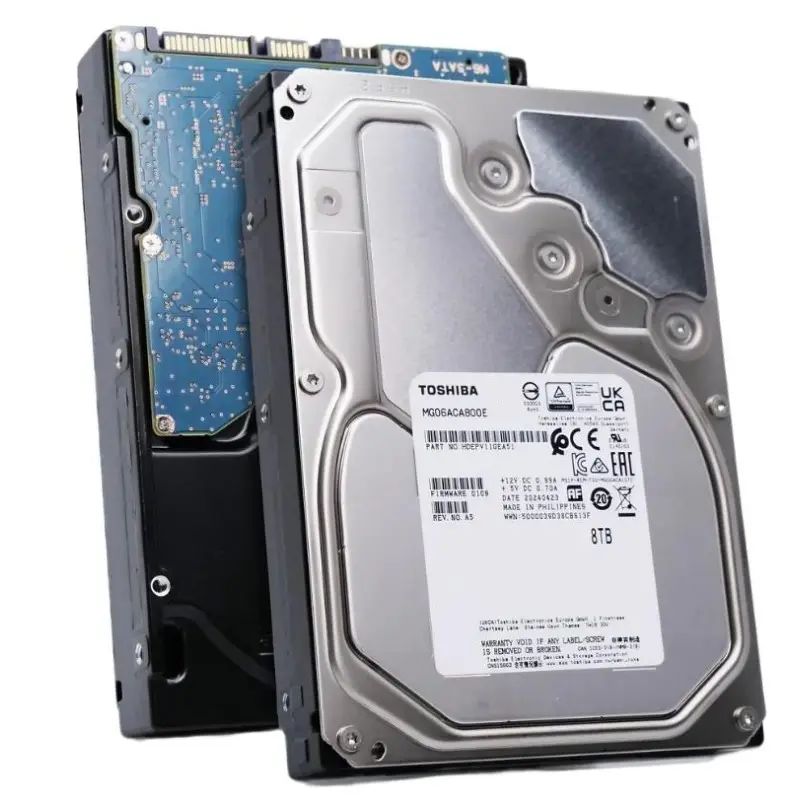


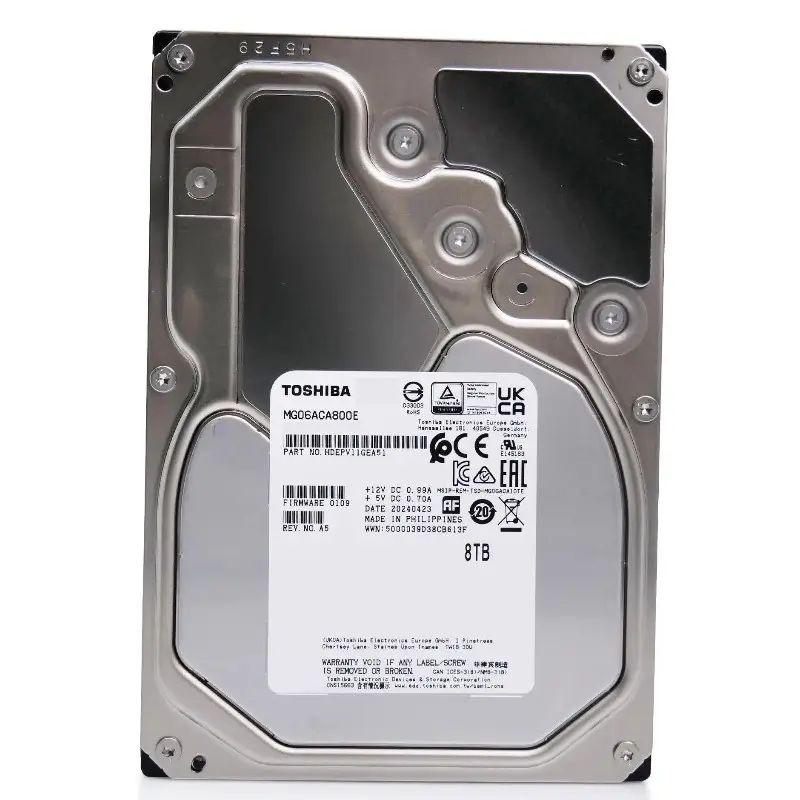
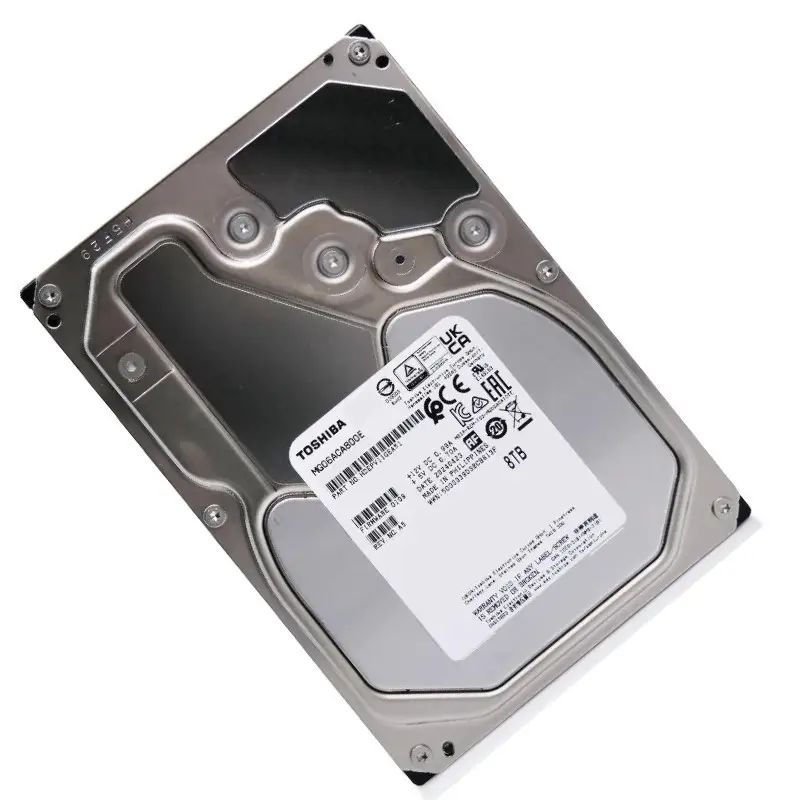
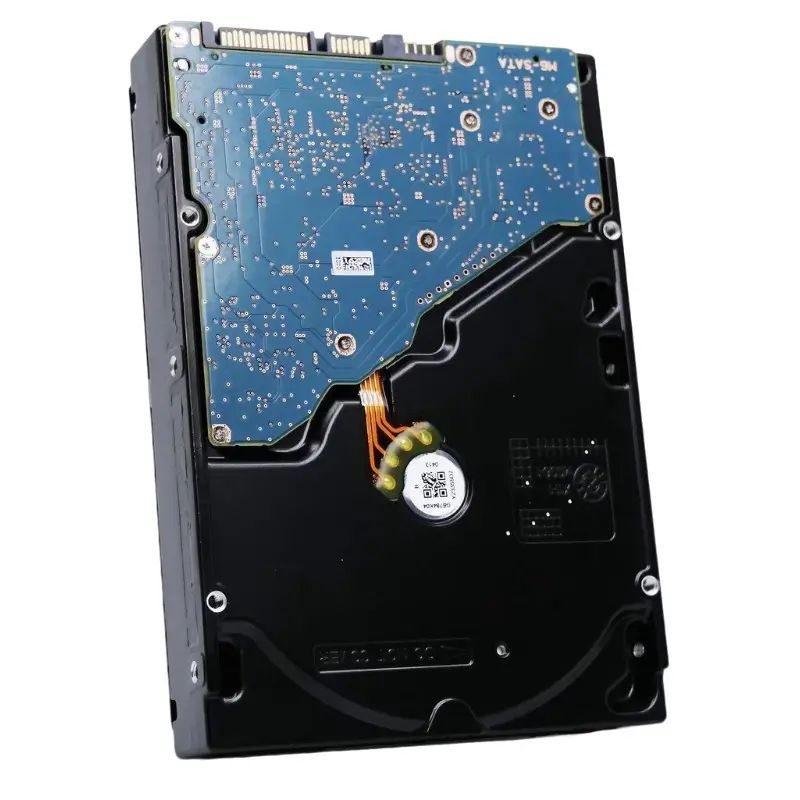
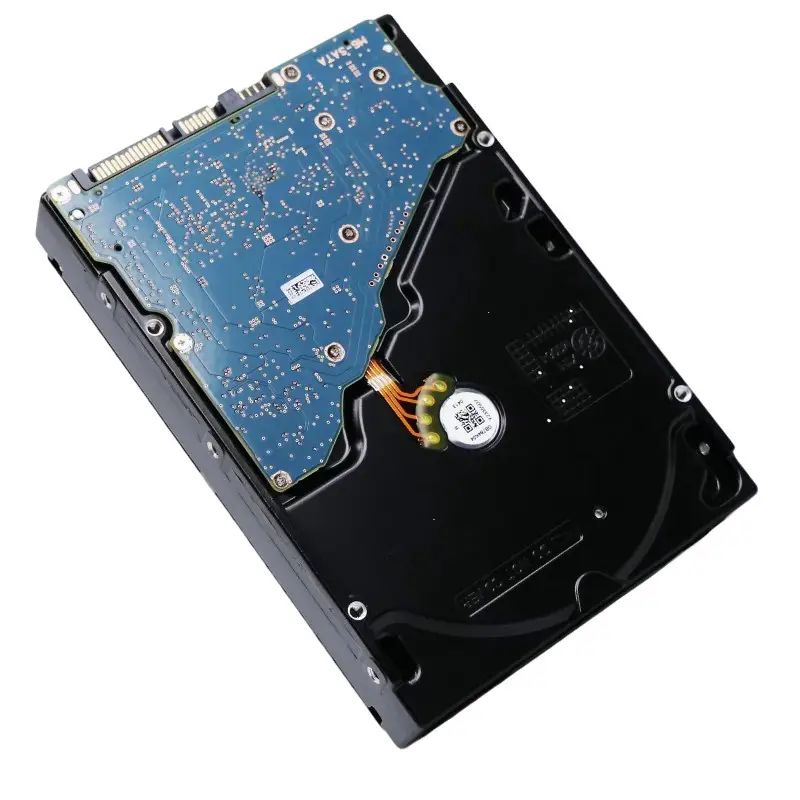
Toshiba HDEJN44DAB51 8TB MG08-D Series 7.2K RPM SAS-12GBPS 3.5Inch 256MB Cache 512e SIE Enterprise HDD. Excellent Refurbished with 1 year Replacement Warranty - Dell Version.
The Toshiba HDEJN44DAB51 8TB MG08-D Series enterprise hard drive is engineered for large-scale data environments. Featuring 7.2K RPM rotational speed, SAS-12Gbps interface, and a 256MB cache, this 3.5-inch HDD with 512e SIE technology delivers reliable performance, scalability, and secure storage for demanding workloads.
The Toshiba MG08-D Series enterprise hard disk drive category represents a class of high-capacity, high-reliability storage solutions engineered for data-intensive enterprise environments. This category focuses on 3.5-inch SAS hard drives designed to deliver consistent performance, long operational lifecycles, and dependable data integrity in mission-critical systems. Enterprise SAS HDDs such as the Toshiba HDEJN44DAB51 8TB model are optimized for servers, storage arrays, and data center infrastructures where continuous operation, predictable latency, and scalability are essential requirements.
Enterprise-class HDDs differ significantly from consumer or desktop storage solutions. They are purpose-built for sustained workloads, multi-drive enclosures, and complex storage architectures. The MG08-D Series aligns with enterprise storage standards by combining large storage capacity with a 7,200 RPM rotational speed, a high-speed SAS 12Gbps interface, and advanced firmware features designed to maintain performance consistency under heavy, simultaneous access patterns.
The Serial Attached SCSI interface defines this category by offering superior reliability, command queuing, and full-duplex communication compared to consumer-grade interfaces. A 12Gbps SAS interface enables enterprise HDDs to maintain high data transfer rates between the drive and host controller, even in environments with multiple concurrent read and write operations. This architecture supports complex storage topologies commonly found in enterprise servers and storage area networks.
SAS drives are designed for compatibility with enterprise RAID controllers and backplanes, enabling advanced storage management features such as redundancy, failover, and high availability. The dual-port capability of SAS technology enhances fault tolerance by allowing multiple paths to the same drive, which is essential for mission-critical applications that cannot tolerate downtime.
Enterprise SAS HDDs are engineered to handle deep command queues efficiently. This capability allows storage controllers to issue numerous commands simultaneously, optimizing drive utilization and reducing latency in multi-user environments. The MG08-D Series benefits from advanced command scheduling algorithms that prioritize operations to maintain consistent response times, even during peak workload periods.
High queue depth efficiency is particularly important in virtualization, database hosting, and enterprise backup systems where multiple processes access storage concurrently. This category of HDD ensures that performance remains stable as system demand increases.
The 8TB capacity of the Toshiba HDEJN44DAB51 places it within a high-density enterprise HDD category designed to maximize storage per rack unit. Increasing storage density is a critical objective for modern data centers, where physical space, power consumption, and cooling efficiency directly impact operational costs. High-capacity enterprise HDDs allow organizations to store vast amounts of structured and unstructured data while minimizing hardware footprint.
This category supports data growth driven by cloud computing, big data analytics, multimedia content storage, and long-term archival requirements. By integrating advanced magnetic recording technologies and precise manufacturing processes, enterprise HDDs achieve higher areal density without compromising reliability or performance.
Enterprise storage architectures are designed to scale horizontally and vertically as data requirements evolve. High-capacity SAS HDDs play a crucial role in scalable storage systems by enabling incremental expansion without disrupting existing infrastructure. The MG08-D Series supports seamless integration into large drive arrays, allowing storage administrators to increase total capacity while maintaining consistent performance characteristics.
Scalability is essential for enterprises managing exponential data growth, particularly in industries such as finance, healthcare, media, and telecommunications. High-capacity HDD categories provide the foundation for scalable storage strategies that balance cost efficiency with long-term reliability.
The 512e sector format used in this category ensures compatibility with a wide range of operating systems, applications, and storage controllers. Emulated 512-byte sectors allow modern large-capacity drives to maintain backward compatibility while leveraging advanced internal sector structures for improved error correction and data integrity.
This compatibility simplifies deployment in mixed storage environments and reduces the need for extensive system reconfiguration. Enterprises benefit from the ability to integrate high-capacity HDDs into existing infrastructures without disrupting workflows or requiring specialized software modifications.
The 7,200 RPM rotational speed defines a performance-balanced category of enterprise HDDs optimized for capacity-oriented workloads. While not designed to match the latency of solid-state storage, these drives deliver predictable performance suitable for sequential and mixed workloads common in enterprise environments. The rotational speed strikes a balance between throughput, power efficiency, and thermal output.
Enterprise HDDs in this category are well-suited for applications such as bulk data storage, backup repositories, content delivery, and large-scale file systems. Their performance characteristics align with workloads that prioritize capacity and sustained throughput over ultra-low latency.
A 256MB cache enhances data buffering and read-ahead efficiency, allowing the drive to optimize access patterns and reduce mechanical latency. Cache memory plays a critical role in smoothing performance during burst workloads and improving throughput for sequential data transfers.
Advanced caching algorithms intelligently manage frequently accessed data, ensuring that read and write operations are handled efficiently. This feature contributes to consistent performance in enterprise applications that rely on predictable data access patterns.
Enterprise HDD firmware is specifically optimized to handle sustained workloads and continuous operation. The MG08-D Series incorporates firmware features that manage error recovery, thermal behavior, and vibration tolerance. These optimizations ensure that the drive operates reliably in dense multi-drive enclosures where environmental conditions can vary significantly.
Firmware-level workload management helps prevent performance degradation over time, maintaining consistent throughput and reliability throughout the drive’s operational lifespan.
Reliability is a defining characteristic of the enterprise HDD category. Drives such as the Toshiba MG08-D Series are engineered for 24/7 operation with high workload ratings. This reliability is achieved through rigorous testing, advanced component selection, and robust mechanical design.
Enterprise HDDs are designed to withstand continuous read and write operations, temperature fluctuations, and mechanical stress associated with multi-drive systems. This level of durability is essential for data centers and enterprise environments where downtime can result in significant financial and operational consequences.
In enterprise storage arrays, multiple drives operate in close proximity, generating vibrations that can impact performance and longevity. This category incorporates rotational vibration sensors and compensation mechanisms to maintain stable operation under such conditions.
Enhanced vibration tolerance ensures consistent performance and reduces the risk of premature failure, supporting long-term deployment in high-density storage systems.
Enterprise HDDs integrate advanced error detection and correction technologies to safeguard data integrity. These mechanisms detect and correct errors during read and write operations, minimizing the risk of data loss or corruption.
Data integrity features are essential for enterprise applications that rely on accurate and reliable information. By maintaining strict error management standards, this category supports mission-critical workloads and compliance requirements.
Power efficiency is an increasingly important consideration in enterprise storage design. High-capacity HDDs are optimized to deliver maximum storage per watt, reducing overall power consumption in large-scale deployments. Efficient power usage contributes to lower operational costs and improved sustainability.
Thermal management is closely linked to power efficiency, as reduced heat output simplifies cooling requirements. Enterprise HDDs are designed to operate within defined thermal envelopes, ensuring reliable performance without excessive cooling infrastructure.
Advanced power management features allow enterprise HDDs to adjust power consumption based on workload demands. These features help balance performance and energy efficiency, particularly in environments with variable access patterns.
Energy-efficient operation supports green data center initiatives and helps organizations meet regulatory and environmental objectives.
The 3.5-inch form factor provides ample surface area for heat dissipation, contributing to stable thermal performance. Precision mechanical design ensures optimal airflow across the drive surface, reducing hotspots and maintaining consistent operating temperatures.
Effective heat dissipation enhances reliability and extends drive lifespan, making this category suitable for long-term enterprise deployment.
Cloud service providers depend on scalable, reliable storage to deliver consistent performance to customers. Enterprise HDDs form the backbone of object storage platforms, enabling efficient storage of massive datasets across distributed systems.
The combination of high capacity and SAS reliability supports cloud workloads that require durability, availability, and predictable performance.


 Contact Us
 Information
 Catalog
 Solid State Drives (SSD)
 Network Switches
 Hard Disk Drives
 HBA & Controllers
 PC & Servers
 PC & Server Memory
 CPU & Processors
 Network Routers
 Power Supplies
 Tape Drives & Libraries
 Network Devices
 Computer & Network Cables