(7% discount is applied at checkout)
Cart is empty
Your go-to destination for cutting-edge server products
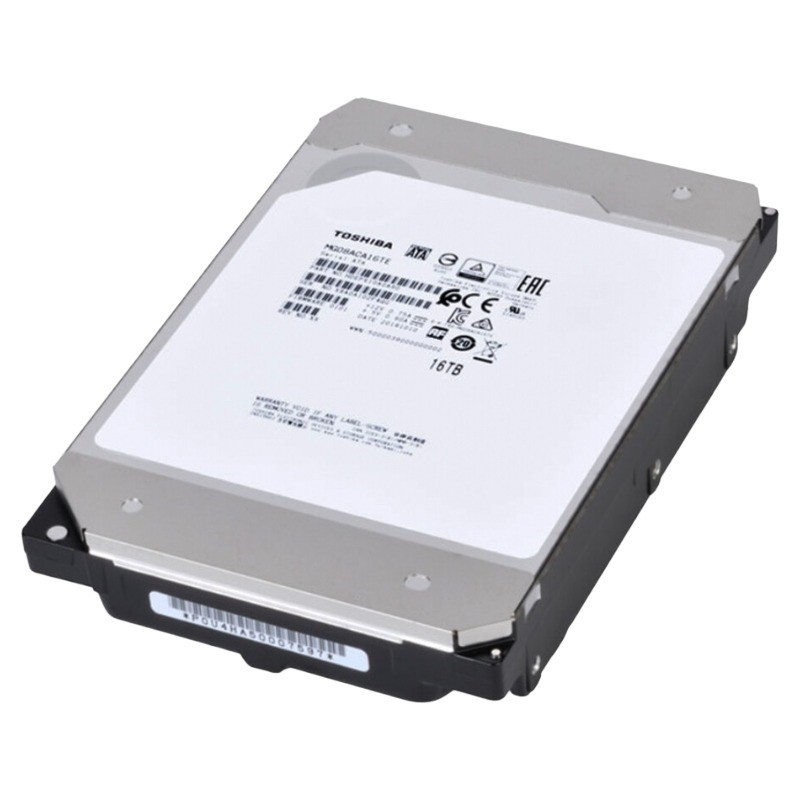


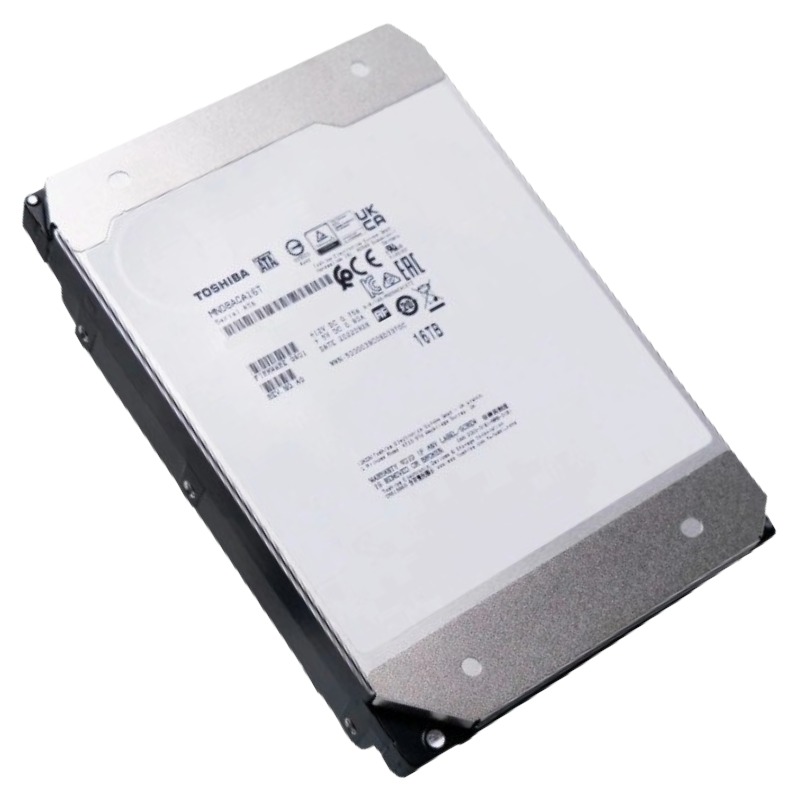
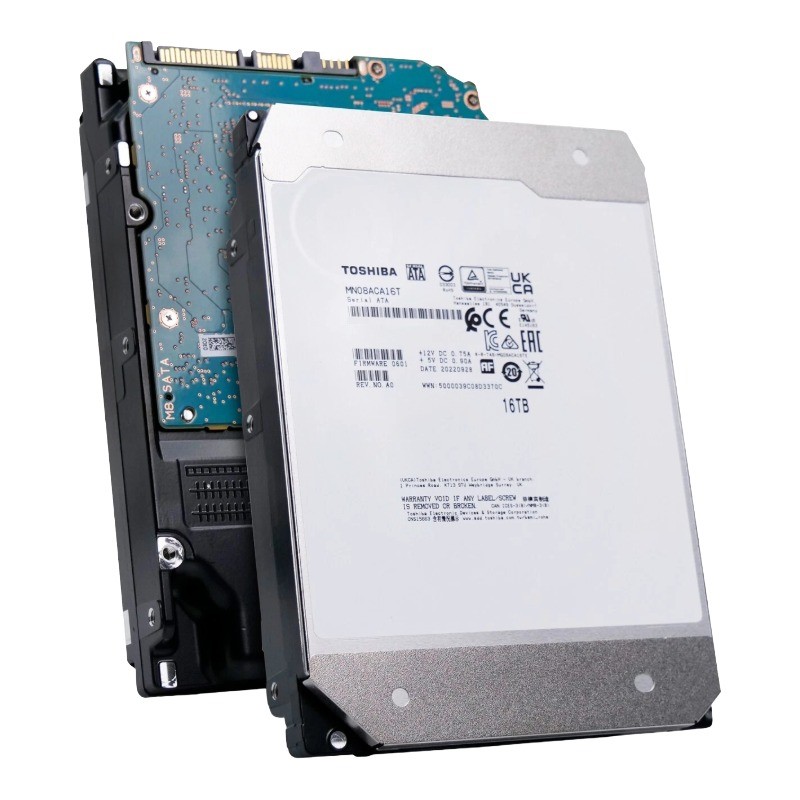
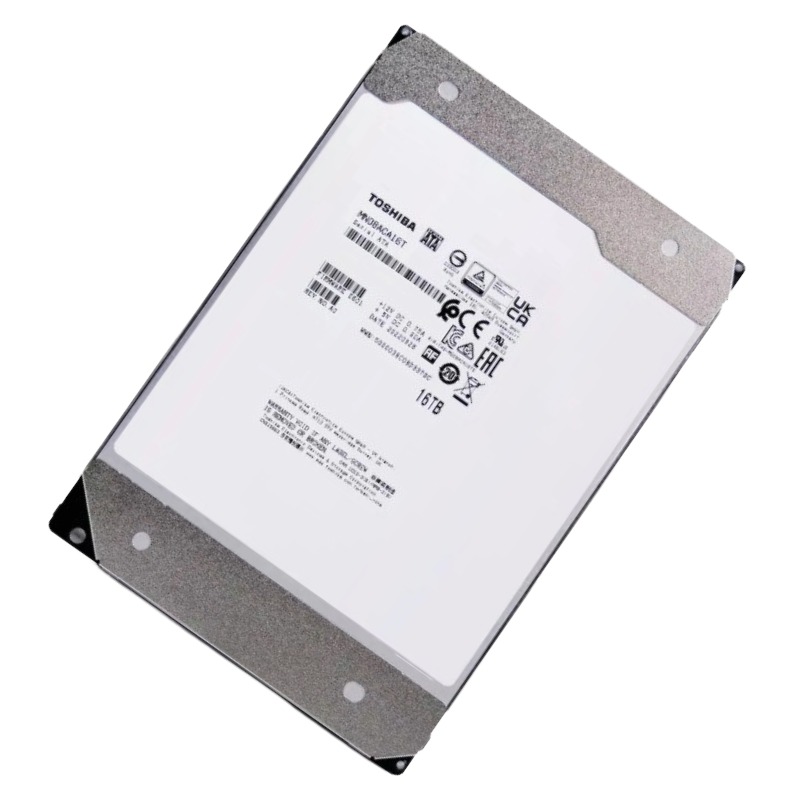
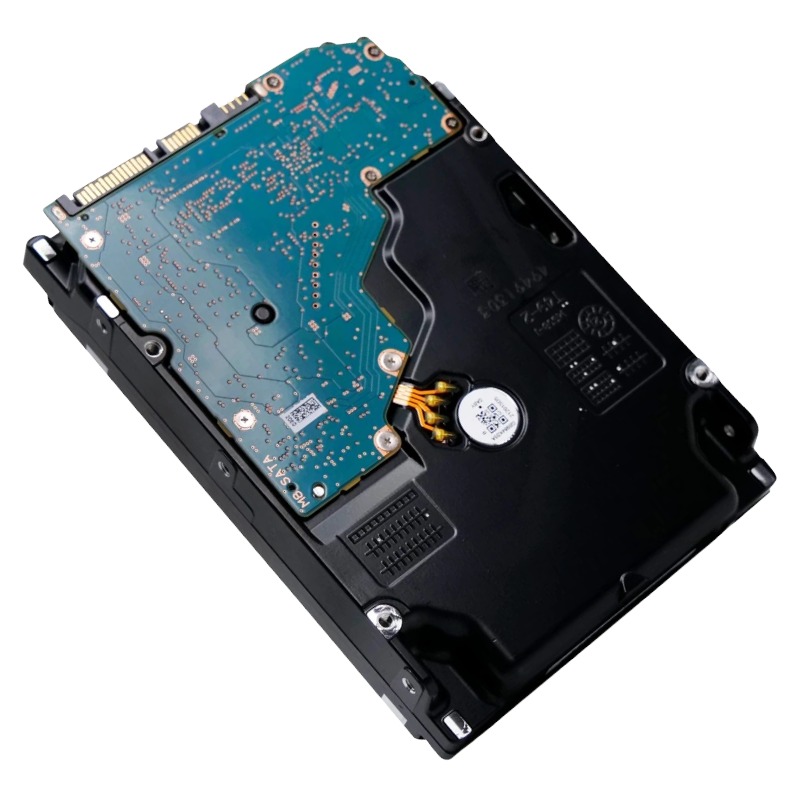
Toshiba MG08ACA16TE 16TB 3.5inch SATA 6GBPS 7.2K RPM 512E Internal Hard Drive. Excellent Refurbished with 1 year replacement warranty
The Toshiba MG08ACA16TE is a high-capacity 16TB enterprise-class 3.5-inch internal hard drive engineered for demanding storage environments. Operating on a SATA 6Gbps interface with a stable 7200 RPM spindle speed, this drive delivers reliable performance for large-scale data handling, archival systems, and business-critical workloads. Designed with a 512E advanced format and optimized caching, it ensures smooth data transfer, improved responsiveness, and long-term durability in continuous operation scenarios.
The Toshiba MG08ACA16TE 16TB 3.5inch SATA 6Gbps 7200RPM 512E Internal Hard Drive represents a high capacity storage solution designed for environments where reliability, endurance, and consistent performance are essential. Built for enterprise scale data handling, this storage device is engineered to support modern data driven infrastructures that require stable long term operation under continuous workloads. Its architecture focuses on balancing capacity density with mechanical precision, allowing organizations to store massive volumes of structured and unstructured data within a single drive unit.
This storage platform is particularly aligned with data center expansion strategies, archival systems, cloud infrastructure layers, and large scale backup environments. Its design emphasizes sustained throughput under multi user access conditions, ensuring that operations remain stable even when subjected to demanding read and write cycles. The integration of advanced magnetic recording technology contributes to improved areal density, enabling 16 terabytes of storage within a standard 3.5 inch form factor without compromising reliability or thermal stability.
The internal engineering of this hard drive is based on refined mechanical balancing and precision motor control systems that maintain consistent platter rotation at 7200 revolutions per minute. This rotational speed is optimized for enterprise workloads, delivering a balance between access speed and durability. The actuator assembly is designed to position read and write heads with high accuracy, reducing latency variations and ensuring consistent response times during heavy workloads.
Vibration resistance is a critical aspect of the drive's architecture. In multi drive server environments, mechanical vibration can impact performance consistency. This device incorporates rotational vibration sensing mechanisms that actively compensate for environmental disturbances, allowing stable operation even when deployed in dense storage arrays. The chassis design further supports thermal dissipation, reducing the risk of overheating during prolonged continuous operation.
The SATA 6Gbps interface provides broad compatibility with existing enterprise and workstation platforms. This interface ensures smooth integration into storage systems without requiring specialized controllers. It supports efficient data transfer pathways that allow the drive to communicate effectively with host systems while maintaining backward compatibility with earlier SATA generations.
Through optimized command processing and queue management, the interface supports consistent data flow even under concurrent access conditions. This is particularly beneficial in environments where multiple virtual machines or database instances are accessing storage simultaneously. The interface design prioritizes reliability and predictable performance rather than peak burst speeds, aligning with enterprise storage requirements.
This storage solution is widely suited for data center deployment scenarios where high capacity per drive is a key requirement. By reducing the number of physical drives needed to achieve large storage pools, infrastructure complexity can be minimized. This contributes to improved power efficiency, reduced rack space usage, and simplified maintenance cycles.
In cloud storage architectures, this drive supports object storage systems, cold storage tiers, and backup repositories. Its ability to sustain continuous workloads makes it suitable for environments where data is accessed periodically but must remain reliably stored for extended durations. The drive's endurance characteristics ensure that it can handle repetitive data verification and integrity checks without degradation in performance.
Performance consistency is a defining characteristic of this storage category. The drive is engineered to maintain stable throughput levels during long duration operations, avoiding significant performance fluctuations that can occur under heavy workloads. This stability is essential for applications such as large database management systems, media storage servers, and enterprise backup solutions.
The caching architecture supports efficient data buffering, allowing frequently accessed information to be retrieved with reduced latency. While not designed as a high speed solid state alternative, the mechanical design ensures predictable access patterns that are crucial for system planning and workload distribution in enterprise environments.
The drive is optimized for workloads characterized by sequential access patterns and large file storage operations. These include backup systems, surveillance data storage, media archives, and scientific data repositories. Its architecture is not oriented toward high transaction random workloads but instead focuses on sustained data flow efficiency.
In virtualization environments, the drive supports multiple virtual disk instances, providing a stable foundation for virtual machine storage pools. The ability to handle concurrent access requests ensures smooth operation of virtualized infrastructures where storage demand fluctuates dynamically.
Reliability is a central design principle in this storage category. The drive is built to operate continuously over extended periods, making it suitable for always on systems. Its mechanical components are tested for endurance under continuous rotation conditions, ensuring longevity in enterprise deployments.
Firmware level monitoring continuously tracks operational health parameters such as temperature, vibration, and read write error rates. These diagnostics allow system administrators to predict potential failures and perform preventive maintenance before data loss scenarios occur. This predictive capability enhances system resilience in critical infrastructure environments.
This storage device integrates seamlessly with a wide range of enterprise storage ecosystems including RAID configurations, network attached storage systems, and storage area networks. Its standardized interface ensures compatibility across diverse hardware platforms, enabling flexible deployment strategies.
In RAID arrays, the drive contributes to redundancy and performance balancing across multiple disks. Its consistent performance characteristics make it suitable for parity based configurations where predictable behavior is essential for rebuild operations and data synchronization tasks.
This storage device is designed to operate effectively in a variety of environmental conditions typically found in enterprise data centers. Controlled airflow systems, rack mounted configurations, and high density storage enclosures are all compatible deployment environments. The drive maintains stable operation under consistent thermal management systems that regulate airflow and temperature distribution.
Its mechanical resilience allows it to function in systems where continuous uptime is required. This includes remote data centers, distributed cloud infrastructures, and edge storage nodes where physical maintenance access may be limited.


 Contact Us
 Information
 Catalog
 Solid State Drives (SSD)
 Network Switches
 Hard Disk Drives
 HBA & Controllers
 PC & Servers
 PC & Server Memory
 CPU & Processors
 Network Routers
 Power Supplies
 Tape Drives & Libraries
 Network Devices
 Computer & Network Cables