(7% discount is applied at checkout)
Cart is empty
Your go-to destination for cutting-edge server products
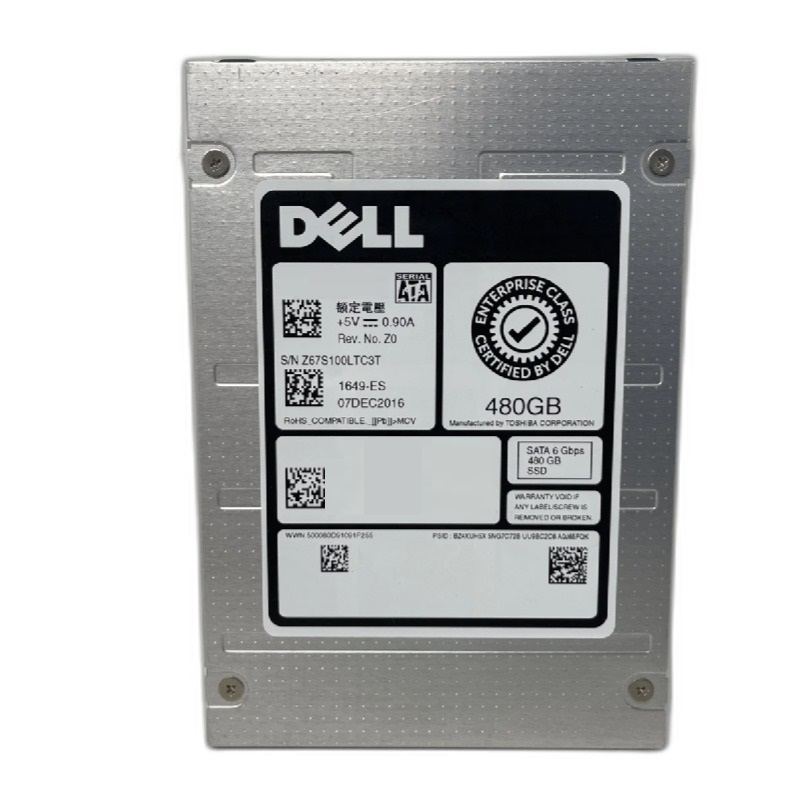


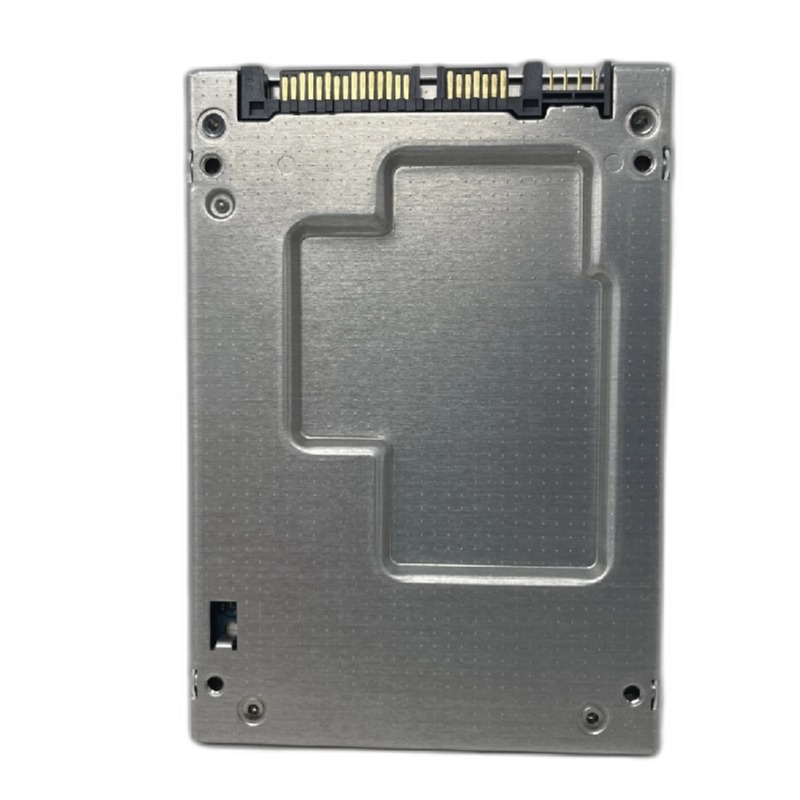
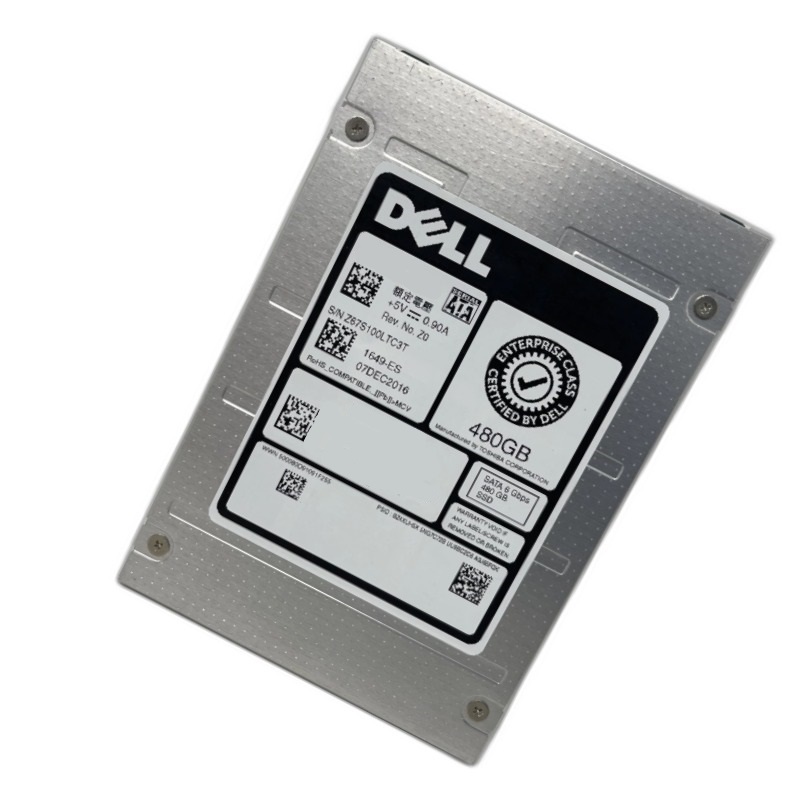
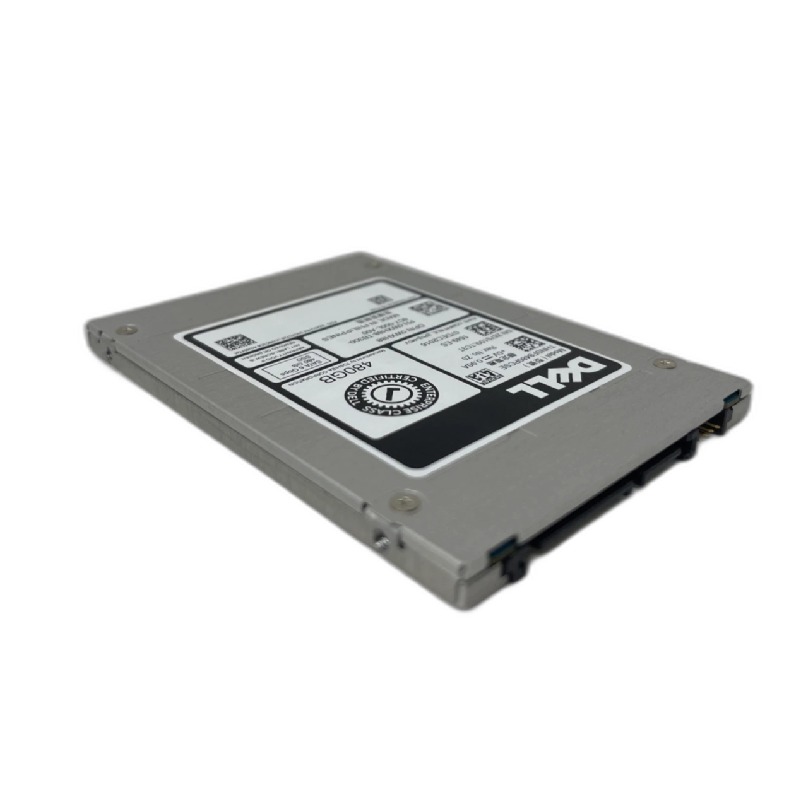
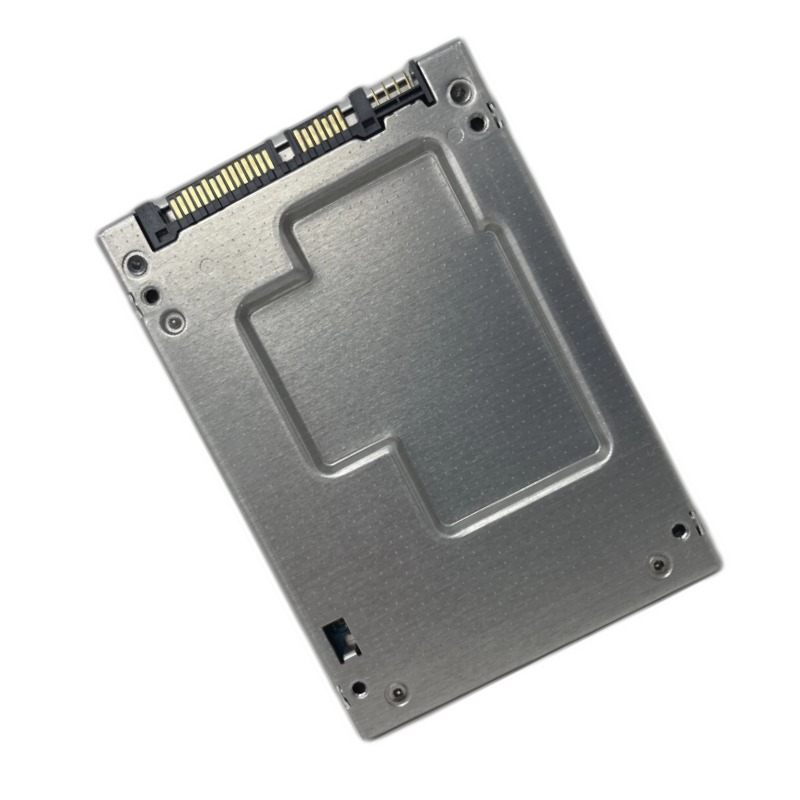
Toshiba THNSF8480CCSE 480GB SATA 6GBPS 2.5inch Read Intensive MLC Solid State Drive. Excellent Refurbished with 1 year Replacement Warranty - Dell Version
The Toshiba THNSF8480CCSE 480GB Solid State Drive is engineered for high-speed data access, dependable storage performance, and enhanced system responsiveness. Designed with advanced Multi-Level Cell (MLC) NAND flash technology, this read-intensive SSD delivers reliable operation for enterprise systems, servers, workstations, and professional computing environments.
The Toshiba THNSF8480CCSE 480GB SATA 6GBPS 2.5inch Read Intensive MLC Solid State Drive is engineered for environments where dependable read-focused performance, long operational stability, and enterprise-grade endurance are critical for infrastructure success. Designed around Multi-Level Cell NAND architecture, this SSD delivers a balanced combination of speed, efficiency, and sustained data handling capability for servers, storage arrays, virtualization deployments, and enterprise computing systems. Organizations searching for a high-quality SATA SSD solution for read-intensive workloads frequently select this Toshiba enterprise SSD because of its proven consistency and reliable operation under demanding conditions.
Enterprise IT infrastructures increasingly depend on solid state storage to reduce latency, improve system responsiveness, and enhance application performance. The Toshiba THNSF8480CCSE 480GB SSD supports these objectives by integrating high-speed SATA 6Gbps connectivity with optimized read-intensive firmware behavior. This combination allows enterprises to accelerate data retrieval tasks while maintaining predictable throughput across multiple operational scenarios. Data centers, cloud environments, virtualization clusters, and enterprise application servers benefit from reduced bottlenecks and enhanced responsiveness when deploying enterprise-grade Toshiba SSD solutions.
The architecture behind the Toshiba THNSF8480CCSE 480GB SSD focuses on enterprise operational consistency and reliability. Unlike consumer-grade storage devices, enterprise SSDs are specifically developed to sustain heavy workloads over extended periods while maintaining data integrity and thermal stability. Toshiba designed this drive with enterprise data handling requirements in mind, ensuring stable operation during continuous read-heavy usage.
The 2.5-inch form factor allows seamless integration into standard enterprise server bays, rackmount storage systems, and professional workstation configurations. Compatibility with existing SATA infrastructure simplifies deployment while minimizing upgrade complexity. Organizations replacing older spinning hard drives can dramatically improve application loading times, database query responsiveness, and operating system performance through SSD migration.
The SATA 6Gbps interface ensures efficient communication between the storage device and host systems. While newer NVMe technologies serve ultra-high-performance environments, SATA SSDs remain highly valuable for enterprise systems requiring broad compatibility, cost efficiency, manageable thermal characteristics, and reliable read-centric storage acceleration. The Toshiba THNSF8480CCSE delivers strong operational value for these deployment categories.
Multi-Level Cell NAND flash technology remains one of the most respected storage technologies in enterprise SSD deployment. The Toshiba THNSF8480CCSE leverages MLC NAND to provide stronger endurance characteristics compared to many lower-cost TLC-based alternatives. Enterprise administrators often prefer MLC SSDs for workloads requiring stable write endurance, lower latency variability, and dependable long-term operational consistency.
MLC NAND stores two bits per cell, enabling an effective balance between storage density and endurance capability. This structure helps reduce wear-related degradation while supporting consistent performance across prolonged operational cycles. For enterprise systems that remain active around the clock, the durability advantages of MLC NAND become especially important.
Read-intensive enterprise applications frequently involve repetitive access patterns where rapid retrieval and low latency significantly impact overall infrastructure efficiency. The Toshiba THNSF8480CCSE is optimized for these scenarios, enabling rapid access to frequently requested datasets while minimizing delays associated with mechanical storage technologies.
Data reliability remains one of the most critical considerations in enterprise storage procurement. The Toshiba THNSF8480CCSE incorporates enterprise-oriented reliability mechanisms designed to maintain data integrity and operational continuity. Advanced firmware algorithms help manage NAND wear distribution, optimize garbage collection processes, and sustain performance consistency under continuous utilization.
Enterprise SSD reliability extends beyond raw endurance figures. Stable thermal behavior, predictable latency, firmware consistency, and reduced failure susceptibility contribute to overall infrastructure reliability. Toshiba enterprise SSD engineering emphasizes these operational qualities to support mission-critical deployment environments.
Storage reliability becomes increasingly important in virtualized environments where multiple virtual machines rely on shared storage resources. In these deployments, storage instability can impact numerous workloads simultaneously. The Toshiba THNSF8480CCSE helps minimize such risks through enterprise-focused design methodologies and stable SATA SSD architecture.
The Toshiba THNSF8480CCSE 480GB SSD is categorized as a read-intensive enterprise solid state drive, meaning it is specifically optimized for workloads involving significantly more reads than writes. Many enterprise applications fit this operational profile, including content delivery systems, web hosting infrastructure, cloud application platforms, analytics environments, digital libraries, virtualization repositories, and read-heavy database operations.
Read-intensive SSD optimization enables organizations to achieve strong performance efficiency while controlling storage infrastructure costs. By tailoring endurance characteristics toward read-dominant usage patterns, Toshiba provides an enterprise SSD capable of supporting demanding workloads without unnecessary overprovisioning for excessive write-intensive environments.
Modern databases require low-latency storage to deliver rapid query response times and maintain application responsiveness. The Toshiba THNSF8480CCSE supports efficient database operations by significantly reducing access delays compared to traditional mechanical hard drives. Applications involving customer records, inventory management, enterprise reporting, analytics platforms, and business intelligence systems benefit from SSD-based acceleration.
Analytics environments often involve repeated reading of large datasets to generate reports, visualizations, and predictive insights. Read-intensive SSDs help improve data processing speed by accelerating retrieval operations and minimizing storage-related delays. Faster data access contributes directly to improved analytical efficiency and reduced reporting times.
Virtualized server environments place substantial demands on shared storage infrastructure. Multiple virtual machines simultaneously access operating system files, application data, and user workloads, creating highly active read patterns. The Toshiba THNSF8480CCSE SSD helps improve virtualization responsiveness by delivering faster boot times, reduced application launch delays, and improved virtual desktop performance.
Virtual desktop infrastructure deployments also benefit from enterprise SATA SSD technology. User experience in VDI environments depends heavily on storage responsiveness, particularly during login storms and simultaneous access periods. The Toshiba enterprise SSD architecture supports stable operational performance under these demanding conditions.
Virtual machine image repositories represent another ideal deployment scenario for read-intensive SSDs. Frequently accessed VM templates, snapshots, and application images benefit from rapid retrieval speeds and low latency behavior.
Cloud platforms and web hosting providers require dependable storage capable of supporting large numbers of simultaneous access requests. The Toshiba THNSF8480CCSE helps maintain responsive performance in multi-user environments where web content, databases, cached resources, and application assets are continuously accessed.
Enterprise SSD deployment in cloud infrastructure can improve customer satisfaction by reducing page load times and enhancing application responsiveness. Faster storage access contributes directly to improved end-user experiences across hosted services and web-based platforms.
Content delivery infrastructure also benefits from read-intensive SSD optimization. Frequently requested media files, static website assets, downloadable resources, and cached content can be delivered more rapidly when stored on enterprise-grade solid state storage.
The 480GB storage capacity of the Toshiba THNSF8480CCSE provides an effective balance between storage density, performance capability, and deployment flexibility. This capacity level is suitable for numerous enterprise applications, including operating system acceleration, application hosting, virtualization storage, caching layers, and database optimization.
Organizations deploying enterprise SSD infrastructure often prioritize efficient storage allocation strategies. A 480GB SSD allows administrators to store substantial datasets while maintaining manageable deployment costs. This capacity is especially effective for environments requiring fast access to frequently used applications and active datasets.
The Toshiba THNSF8480CCSE can also serve effectively as part of a tiered storage strategy. Organizations frequently deploy enterprise SSDs as high-performance cache layers positioned between slower bulk storage and application workloads. This approach improves overall infrastructure responsiveness while maintaining cost-effective storage scalability.
Hybrid storage architectures commonly combine SSD and HDD resources to optimize both performance and capacity economics. Read-intensive SSDs are particularly valuable in these configurations because they accelerate frequently accessed data while bulk archival content remains on larger-capacity hard drives.
Enterprise caching applications benefit from rapid read performance and low latency consistency. Frequently requested files, databases, and application resources can be cached on the Toshiba SSD to improve access speed across the broader infrastructure environment.
The SATA 6Gbps interface remains one of the most widely supported enterprise storage standards in modern computing infrastructure. The Toshiba THNSF8480CCSE leverages this mature and reliable interface to ensure broad compatibility with servers, storage systems, professional workstations, and enterprise motherboards.
Organizations upgrading legacy infrastructure often prefer SATA SSDs because they integrate easily into existing environments without requiring extensive hardware modifications. This simplifies migration planning and reduces deployment complexity. Existing SATA backplanes, RAID controllers, and storage management frameworks typically support enterprise SATA SSD deployment with minimal configuration adjustments.
The Toshiba THNSF8480CCSE supports integration into enterprise RAID configurations for enhanced redundancy, availability, and performance scalability. RAID arrays built with enterprise SSDs can improve storage throughput while providing fault tolerance capabilities essential for mission-critical operations.
Enterprise storage administrators frequently deploy SATA SSDs in RAID 1, RAID 5, RAID 10, and hybrid array configurations depending on performance and redundancy requirements. The stable operational characteristics of Toshiba enterprise SSDs contribute to reliable RAID behavior and consistent storage availability.
Storage arrays supporting virtualization clusters, enterprise databases, and shared application environments benefit from the low latency and rapid access speeds associated with SSD technology. Faster rebuild times and improved array responsiveness further enhance infrastructure reliability.
Data center operators continuously seek methods for improving infrastructure efficiency while reducing operational overhead. The Toshiba THNSF8480CCSE contributes to these objectives through lower power consumption, reduced heat generation, and improved performance-per-watt characteristics compared to traditional hard drives.
Mechanical hard drives rely on moving components that consume more power and generate greater thermal output during operation. SSD technology eliminates rotational media and mechanical actuator systems, resulting in more efficient energy utilization and quieter operation.
Lower power consumption translates directly into operational savings for enterprise data centers. Large-scale deployments involving hundreds or thousands of storage devices can realize substantial energy efficiency improvements through SSD adoption.
Reduced power requirements also contribute to improved rack density planning and lower cooling infrastructure demands. Data centers operating under strict thermal constraints benefit from storage technologies that minimize heat generation while maintaining high performance capability.
Power-efficient storage infrastructure supports sustainability initiatives and helps organizations reduce overall energy costs. Enterprise SSD deployment aligns with modern data center optimization strategies focused on efficiency and environmental responsibility.
Thermal management remains essential in enterprise environments where systems operate continuously under sustained workloads. The Toshiba THNSF8480CCSE is engineered to maintain stable performance characteristics under ongoing operational stress while minimizing thermal fluctuations.
Consistent thermal behavior contributes to long-term component reliability and reduces the likelihood of thermal throttling events. Stable storage performance is especially important in enterprise applications where predictable responsiveness supports operational continuity.
Reduced vibration sensitivity also distinguishes SSD technology from mechanical hard drives. Enterprise rack environments containing multiple servers and storage systems can generate significant vibration levels, which may affect spinning disk reliability over time. Solid state storage eliminates this concern through non-mechanical architecture.
Data integrity and storage security represent foundational requirements for enterprise infrastructure planning. The Toshiba THNSF8480CCSE incorporates enterprise-oriented reliability mechanisms designed to protect stored information and maintain operational stability.
Enterprise SSD firmware typically includes advanced error correction technologies, wear leveling algorithms, and bad block management systems that help sustain long-term data integrity. These mechanisms improve storage reliability while reducing the likelihood of corruption-related operational disruptions.
Error correction technology plays a vital role in enterprise SSD reliability. NAND flash memory experiences wear over time, making advanced error management systems essential for sustaining stable operation. Toshiba enterprise SSD engineering focuses on maintaining data accuracy throughout the device lifecycle.
Wear leveling algorithms distribute write activity evenly across NAND cells to reduce uneven degradation. This helps maximize usable lifespan while preserving consistent performance behavior across long-term operational periods.
Bad block management systems automatically isolate problematic memory regions to maintain storage stability and protect overall drive functionality. These enterprise reliability features contribute to predictable operational performance under continuous workloads.
Mechanical hard drives contain moving components subject to wear, vibration damage, and physical degradation over time. SSD technology eliminates these mechanical vulnerabilities, contributing to improved operational durability and reduced maintenance concerns.
Lower failure susceptibility supports improved uptime and infrastructure reliability. Enterprise organizations benefit from reduced service interruptions and lower replacement frequency when deploying high-quality SSD storage solutions.
Maintenance efficiency also improves because SSDs generate less heat, produce no mechanical noise, and require fewer environmental considerations compared to traditional spinning disk technologies.
Media production environments frequently involve large file libraries and repetitive content access operations. SSD storage improves responsiveness during editing, rendering preparation, asset management, and project retrieval tasks.
Read-intensive workflows involving video playback, audio libraries, digital asset management, and image repositories can benefit significantly from enterprise-grade SSD performance consistency. Stable storage behavior supports smoother content production operations.
Professional creative applications often rely heavily on storage responsiveness during project loading and media preview generation. Reduced latency contributes directly to more efficient creative workflows and improved productivity.


 Contact Us
 Information
 Catalog
 Solid State Drives (SSD)
 Network Switches
 Hard Disk Drives
 HBA & Controllers
 PC & Servers
 PC & Server Memory
 CPU & Processors
 Network Routers
 Power Supplies
 Tape Drives & Libraries
 Network Devices
 Computer & Network Cables