(7% discount is applied at checkout)
Cart is empty
Your go-to destination for cutting-edge server products
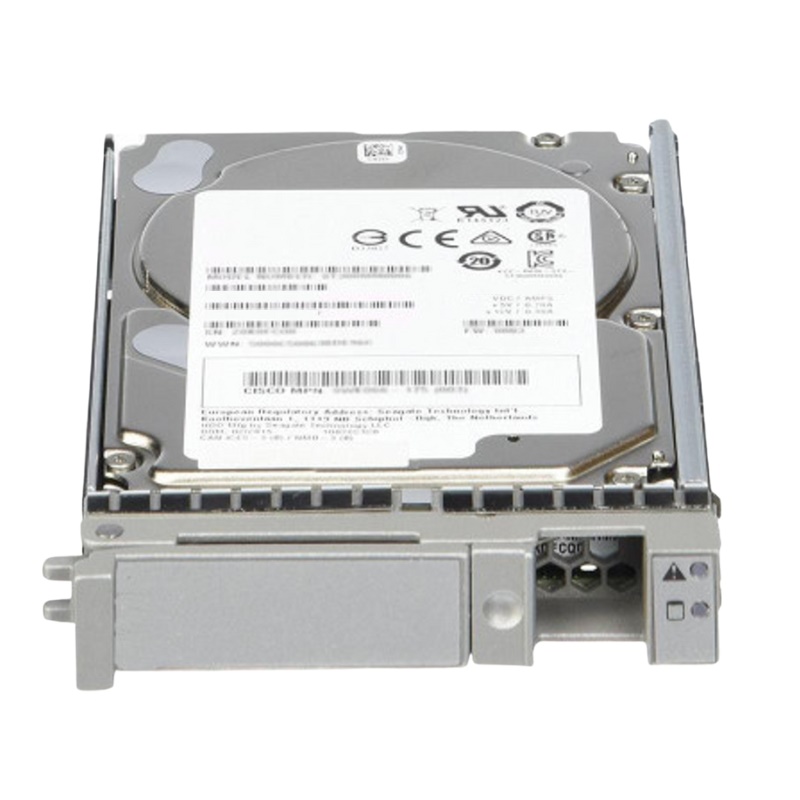


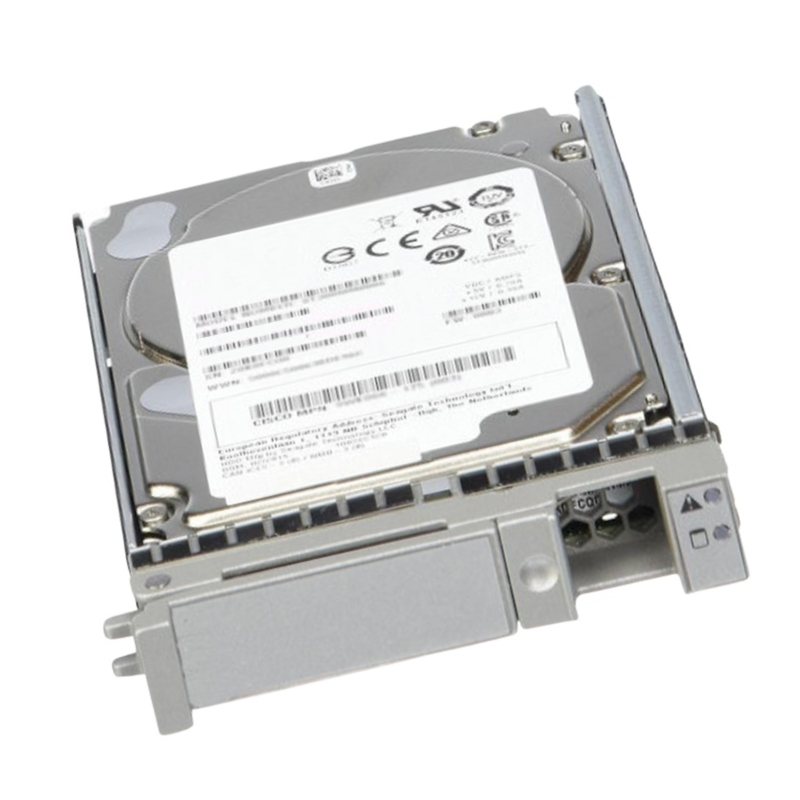
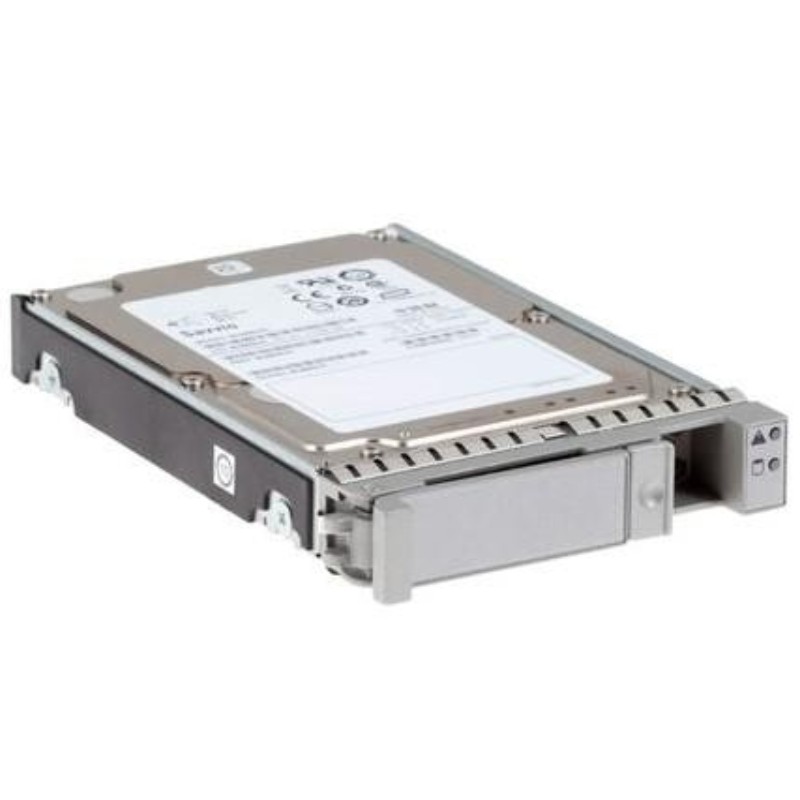
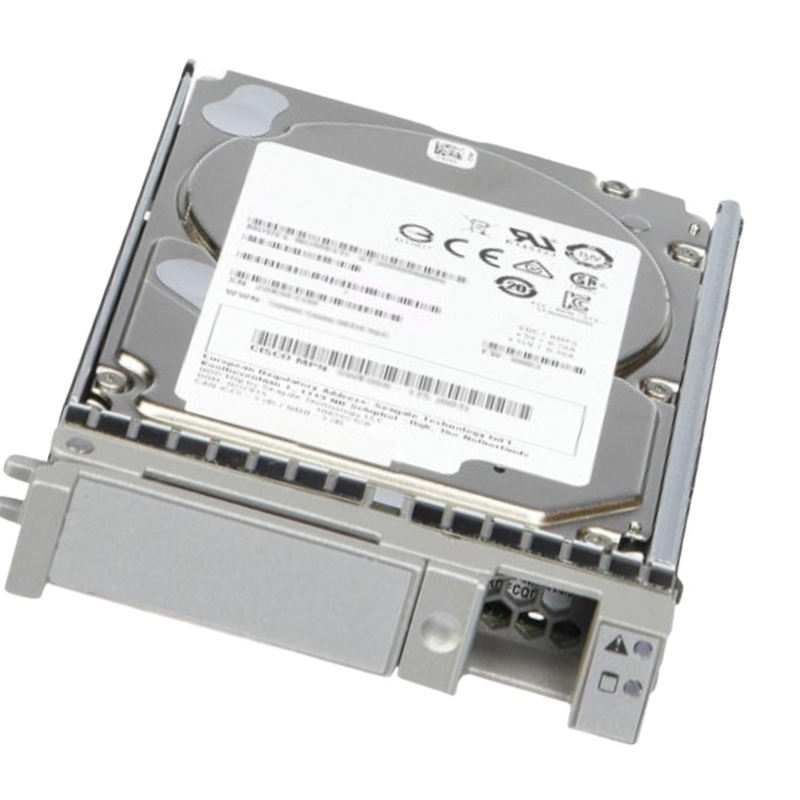
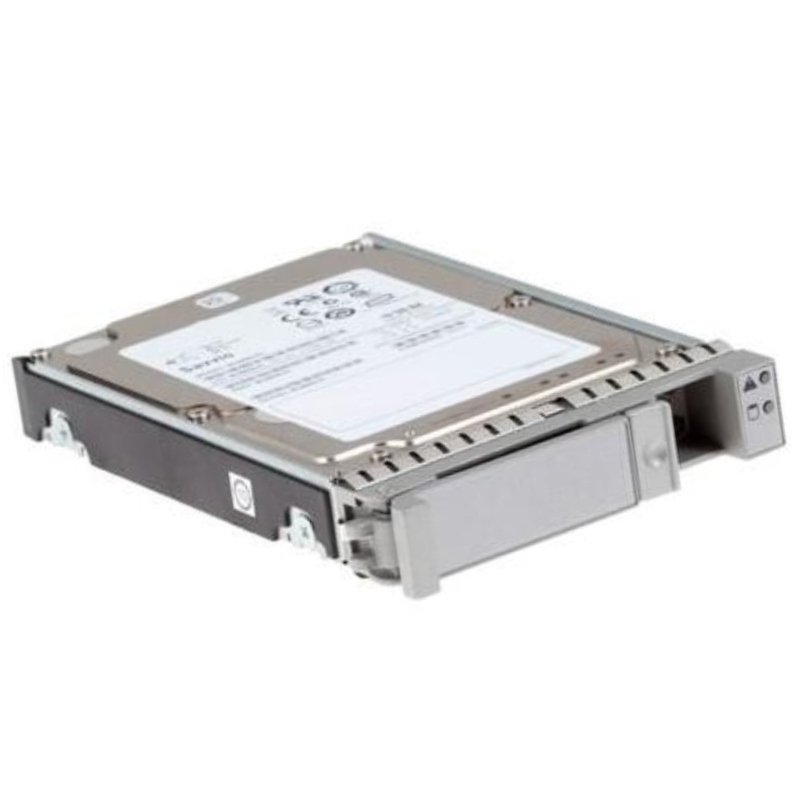
Cisco UCS-HD18TW7KL4KN 18TB SAS 12GBPS 7.2K RPM 4K LFF Hot Plug Sled Mounted Hard Drive. Excellent Refurbished with 1 year replacement warranty
The Cisco UCS-HD18TW7KL4KN is a high-capacity enterprise-grade hard disk drive engineered for modern data center environments, cloud infrastructures, virtualization platforms, and mission-critical storage applications. Featuring an impressive 18TB storage capacity, a 12Gbps SAS interface, and a reliable 7,200 RPM spindle speed, this large form factor (LFF) hard drive delivers the performance, scalability, and dependability required by organizations managing extensive data workloads.
Designed specifically for Cisco Unified Computing System (UCS) environments, this hot-pluggable drive comes pre-mounted in a compatible sled, simplifying installation, maintenance, and system upgrades while minimizing downtime.
The Cisco UCS-HD18TW7KL4KN 18TB SAS 12Gbps 7.2K RPM 4K LFF Hot Plug Sled Mounted Hard Drive belongs to a specialized category of enterprise-grade storage components engineered for Cisco Unified Computing System environments. This category focuses on high-capacity, large form factor SAS drives designed to support data-intensive workloads, long-term storage requirements, and scalable infrastructure deployments. With its 18TB capacity, 7.2K RPM rotational speed, and 12Gbps SAS interface, this drive category is optimized for organizations that require a balance of massive storage density, dependable throughput, and seamless integration with Cisco UCS servers.
The sled-mounted design ensures compatibility with Cisco UCS chassis and simplifies installation, replacement, and maintenance. This category is particularly relevant for businesses that manage large datasets, run extensive virtualization environments, or maintain hybrid cloud infrastructures. The 4K native sector format enhances data integrity and efficiency, making the Cisco UCS-HD18TW7KL4KN category suitable for modern applications that demand high reliability and optimized storage structures.
The Cisco UCS-HD18TW7KL4KN category represents a class of large form factor 3.5-inch SAS drives engineered for enterprise data centers that prioritize capacity and durability. These drives are designed to handle continuous operation in demanding environments, supporting workloads such as data warehousing, backup repositories, archival storage, and large-scale content libraries. The 12Gbps SAS interface provides robust connectivity, ensuring stable data transfer rates even under heavy load.
In Cisco UCS deployments, storage components must meet strict performance and compatibility standards. This category of drives is validated for use across UCS rack servers and modular systems, ensuring seamless integration with Cisco’s unified management framework. Administrators benefit from consistent performance, predictable behavior, and simplified lifecycle management when deploying drives within this category.
The 7.2K RPM spindle speed offers a balance between performance and energy efficiency, making these drives ideal for workloads that require high capacity but do not demand the ultra-low latency of solid-state storage. This category is commonly used in tiered storage architectures, where it serves as a high-capacity tier supporting less frequently accessed data while still delivering reliable throughput.
A defining characteristic of the Cisco UCS-HD18TW7KL4KN category is its 3.5-inch large form factor design, which allows for significantly higher storage capacities compared to small form factor alternatives. The 18TB capacity enables organizations to consolidate storage resources, reduce the number of drives required, and optimize rack space utilization. This is particularly valuable in environments where physical space and power consumption are critical considerations.
The large form factor design also supports improved thermal management, as the increased surface area allows for better heat dissipation. Cisco UCS chassis are engineered to maintain optimal airflow, ensuring that drives in this category operate within safe temperature ranges even during sustained workloads. This contributes to long-term reliability and reduces the risk of thermal-related failures.
High-density storage solutions like those in this category are essential for organizations that manage massive datasets, such as media production companies, research institutions, cloud service providers, and enterprises with extensive backup and archival needs. The ability to store large volumes of data in a compact footprint helps reduce operational costs and simplifies storage expansion planning.
The hot plug capability of the Cisco UCS-HD18TW7KL4KN category is a major advantage for enterprise environments that require continuous uptime. Hot plug functionality allows administrators to replace or add drives without shutting down the server or interrupting running applications. This is essential for mission-critical systems where downtime can lead to significant operational or financial impact.
The sled-mounted design ensures that each drive is securely housed in a standardized carrier that aligns perfectly with Cisco UCS drive bays. This simplifies installation and removal, reduces the risk of improper seating, and ensures consistent electrical and mechanical connections. The sled also provides structural stability, protecting the drive from vibration and physical stress during operation.
For organizations managing large-scale UCS deployments, the standardized sled architecture streamlines maintenance workflows. Technicians can quickly identify, replace, or upgrade drives without specialized tools, reducing service times and improving overall operational efficiency. This category is therefore closely associated with ease of management and reduced maintenance overhead.
The 7.2K RPM spindle speed of the Cisco UCS-HD18TW7KL4KN category provides a balance between performance and energy efficiency. While not as fast as 10K or 15K RPM drives, 7.2K RPM SAS drives offer sufficient throughput for workloads that prioritize capacity over raw speed. The 12Gbps SAS interface compensates for the lower rotational speed by providing high bandwidth and robust command queuing, ensuring stable performance under sustained workloads.
Drives in this category are optimized for sequential read and write operations, making them ideal for applications such as data archiving, media streaming, backup storage, and large file repositories. The 4K native sector format enhances storage efficiency and improves error correction capabilities, contributing to overall data integrity and reliability.
The combination of high capacity and moderate performance makes this category suitable for tiered storage environments, where it can serve as a bulk storage tier supporting less latency-sensitive workloads. Organizations can pair these drives with faster SSD tiers to create a balanced storage architecture that meets diverse performance requirements.
The Cisco UCS-HD18TW7KL4KN category is particularly well-suited for workloads that require large storage capacity and consistent throughput. Backup and recovery systems benefit from the high capacity and reliability of these drives, allowing organizations to store extensive backup sets and maintain long-term retention policies. Data warehousing and analytics platforms can also leverage this category for storing large datasets that are accessed periodically for reporting or analysis.
Media and entertainment companies often use drives in this category to store high-resolution video files, audio libraries, and production assets. The ability to store massive amounts of data on a single drive simplifies asset management and reduces the number of drives required for large content repositories. Similarly, cloud service providers and hosting companies can use this category to support object storage, file storage, and archival services.
In virtualization environments, this category can serve as a capacity tier for virtual machine backups, templates, and infrequently accessed VM data. While not intended for high-performance VM workloads, these drives provide an efficient and cost-effective solution for secondary storage needs within virtualized infrastructures.
Drives in the Cisco UCS-HD18TW7KL4KN category are commonly deployed in RAID configurations to enhance data protection and improve performance. RAID 6 and RAID 5 are frequently used with high-capacity drives, providing redundancy against drive failures while maximizing usable capacity. RAID 6, in particular, offers dual parity protection, making it well-suited for large arrays where rebuild times may be longer due to the high capacity of each drive.
RAID 10 can also be used for workloads that require a balance of redundancy and performance, though it reduces usable capacity due to mirroring. The 18TB capacity of this category allows organizations to build large RAID arrays with substantial storage space, supporting extensive datasets and long-term retention requirements.
Beyond RAID, organizations may implement additional data protection strategies such as snapshotting, replication, and backup-to-disk workflows. Drives in this category integrate seamlessly with Cisco UCS management tools, enabling administrators to monitor drive health, track performance metrics, and respond proactively to potential issues.
Reliability is a core attribute of the Cisco UCS-HD18TW7KL4KN category. Enterprise SAS drives are engineered to operate continuously in demanding data center environments, with features such as advanced error correction, vibration resistance, and enhanced durability. These drives undergo rigorous testing to ensure they meet the reliability standards required for mission-critical applications.
The mechanical design of 7.2K RPM drives must account for rotational forces, vibration, and long-term wear. Manufacturers incorporate technologies to minimize these effects, ensuring consistent performance throughout the drive’s lifecycle. In Cisco UCS environments, these drives are validated to meet specific reliability criteria, including mean time between failures and error rate thresholds.
Firmware plays a significant role in maintaining reliability. Drives in this category include firmware optimized for enterprise workloads, managing caching behavior, error handling, and communication with SAS controllers. Regular firmware updates and compatibility testing within the UCS ecosystem help ensure long-term stability and performance.
The Cisco UCS-HD18TW7KL4KN category is designed for seamless integration with Cisco UCS servers, ensuring compatibility with UCS rack servers, blade servers, and converged infrastructure solutions. Cisco’s validation processes confirm that these drives work reliably with UCS storage controllers, backplanes, and management tools, reducing the risk of interoperability issues.
Administrators benefit from centralized management through Cisco UCS Manager, which provides visibility into drive health, performance, and configuration. This integration simplifies storage administration and helps maintain consistent operational standards across large-scale deployments.
The sled-mounted design ensures proper alignment and secure installation within UCS drive bays. This reduces installation complexity and ensures consistent mechanical and electrical connections, contributing to overall system stability.
Cisco UCS is built around the concept of unified computing, where compute, network, and storage resources are integrated into a cohesive system. The Cisco UCS-HD18TW7KL4KN category plays a vital role in this ecosystem by providing high-capacity storage for a wide range of workloads. In converged and hyperconverged infrastructure solutions, these drives may be used to support virtualized storage pools, backup repositories, and large-scale data storage.
As organizations adopt hybrid cloud strategies and software-defined data centers, the need for reliable, scalable storage becomes increasingly important. This category supports these initiatives by offering predictable performance, massive capacity, and seamless integration with UCS infrastructure.
The unified nature of Cisco UCS allows administrators to align storage decisions with broader infrastructure strategies. The Cisco UCS-HD18TW7KL4KN category provides a consistent, validated option for high-capacity storage needs, simplifying planning and deployment.
Scalability is a key advantage of the Cisco UCS-HD18TW7KL4KN category. As data volumes grow, organizations can add additional drives or expand storage arrays without major infrastructure changes. The high capacity of each drive reduces the number of drives required to achieve large storage pools, simplifying expansion and reducing operational overhead.
Future-proofing is also an important consideration. While storage technologies continue to evolve, high-capacity SAS drives remain essential for many enterprise workloads. The 12Gbps SAS interface ensures compatibility with current-generation controllers and provides a performance envelope suitable for a wide range of applications.
The ability to integrate these drives into hybrid storage environments provides flexibility for future optimization. As certain workloads migrate to flash storage, others may continue to rely on high-capacity SAS drives for cost-effective bulk storage.
Energy efficiency and thermal management are important considerations in modern data centers. The Cisco UCS-HD18TW7KL4KN category addresses these concerns through its optimized mechanical design and compatibility with UCS cooling systems. While high-capacity drives consume more power than smaller alternatives, their ability to store large amounts of data on a single drive reduces the total number of drives required, improving overall energy efficiency.
The 3.5-inch form factor supports effective heat dissipation, and UCS chassis are engineered to maintain optimal airflow. This ensures that drives in this category operate within safe temperature ranges, contributing to long-term reliability.
Administrators can use UCS management tools to monitor power consumption and thermal metrics, optimizing drive deployment and cooling strategies to maintain efficient data center operations.
The Cisco UCS-HD18TW7KL4KN category supports a wide range of enterprise use cases. Backup and recovery systems benefit from the high capacity and reliability of these drives, enabling organizations to store extensive backup sets and maintain long-term retention policies. Data warehousing platforms can leverage this category for storing large datasets used in analytics and reporting.
Media and entertainment companies use drives in this category to store high-resolution video files, audio libraries, and production assets. Cloud service providers rely on this category for object storage, file storage, and archival services. Enterprises with hybrid cloud environments use these drives to support on-premises storage tiers that complement cloud-based resources.
Virtualization environments can use this category as a capacity tier for virtual machine backups, templates, and infrequently accessed data. While not intended for high-performance VM workloads, these drives provide an efficient and cost-effective solution for secondary storage needs.
Tiered storage architectures assign different types of storage media to different performance tiers based on workload requirements. The Cisco UCS-HD18TW7KL4KN category fits naturally into the capacity tier, where high storage density and cost efficiency are prioritized. Data that is infrequently accessed but must be retained for long periods can be stored on these drives.
In a typical tiered architecture, the top tier may consist of NVMe or SAS SSDs, the middle tier of 10K RPM SAS drives, and the lower tier of high-capacity 7.2K RPM drives like those in this category. This structure allows organizations to optimize performance and cost by placing data on the most appropriate storage tier.
Automated storage management tools can move data between tiers based on access patterns, ensuring that frequently accessed data resides on faster storage while less active data is placed on high-capacity drives.
Effective management of the Cisco UCS-HD18TW7KL4KN category involves regular monitoring, maintenance, and planning. Administrators should review drive health metrics, including temperature, error rates, and performance statistics, using UCS management tools. Early detection of potential issues allows for proactive maintenance and reduces the risk of unexpected failures.
Firmware updates are essential for maintaining stability and performance. Ensuring that drives run the latest validated firmware helps prevent compatibility issues and enhances reliability. Capacity planning is also important, as organizations must anticipate data growth and plan storage expansions accordingly.
The 18TB capacity of this category provides a strong foundation for long-term planning, allowing organizations to build storage pools that can accommodate future growth without frequent hardware replacements.
The strategic value of the Cisco UCS-HD18TW7KL4KN 18TB SAS 12Gbps 7.2K RPM 4K LFF Hot Plug Sled Mounted Hard Drive category lies in its ability to deliver massive storage capacity, reliable performance, and seamless integration with Cisco UCS infrastructure. By standardizing on this category for high-capacity storage needs, organizations can simplify procurement, deployment, and management processes.
As enterprises continue to expand their data footprints, adopt hybrid cloud strategies, and implement advanced analytics, the need for scalable, reliable storage becomes increasingly important. This category provides a proven solution that supports a wide range of workloads and aligns with long-term infrastructure strategies.
Ultimately, the Cisco UCS-HD18TW7KL4KN category represents a critical component in building resilient, scalable, and efficient data center environments. Organizations that leverage the strengths of this category can create storage infrastructures that support their strategic objectives, maintain high availability, and protect critical data for years to come.


 Contact Us
 Information
 Catalog
 Solid State Drives (SSD)
 Network Switches
 Hard Disk Drives
 HBA & Controllers
 PC & Servers
 PC & Server Memory
 CPU & Processors
 Network Routers
 Power Supplies
 Tape Drives & Libraries
 Network Devices
 Computer & Network Cables