(7% discount is applied at checkout)
Cart is empty
Your go-to destination for cutting-edge server products
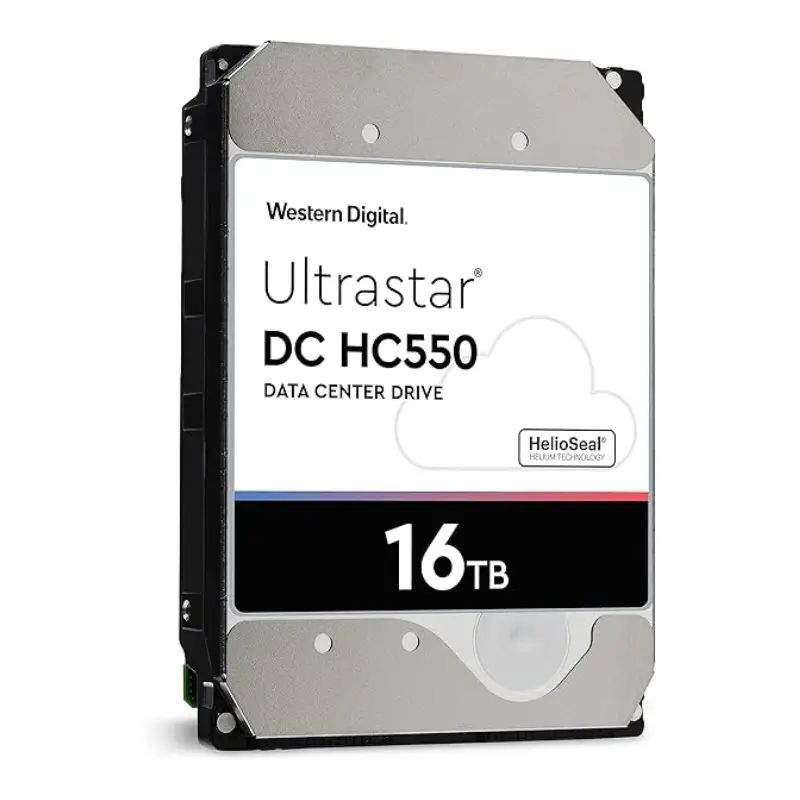


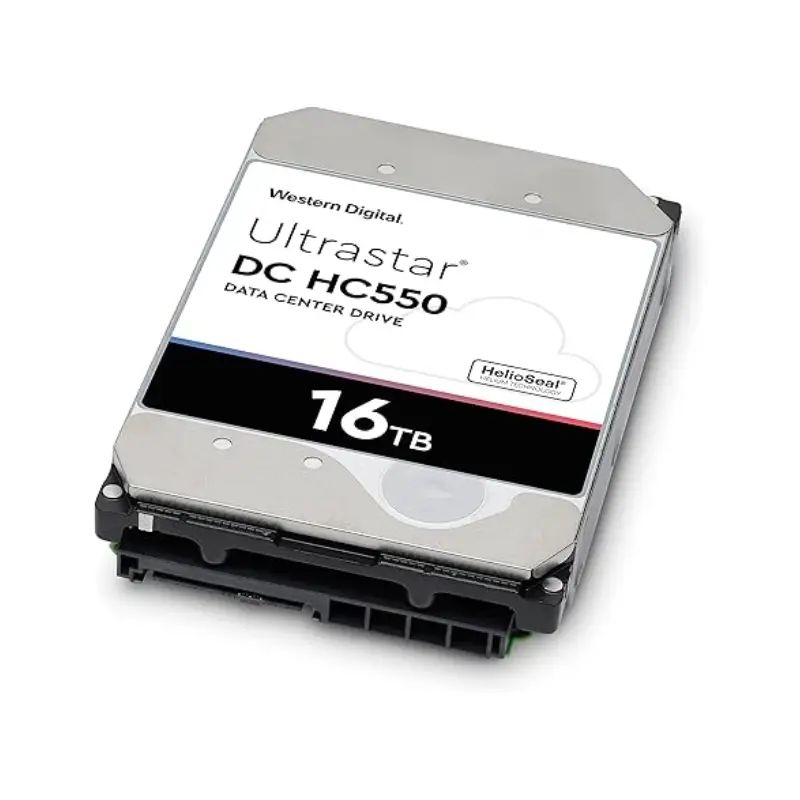
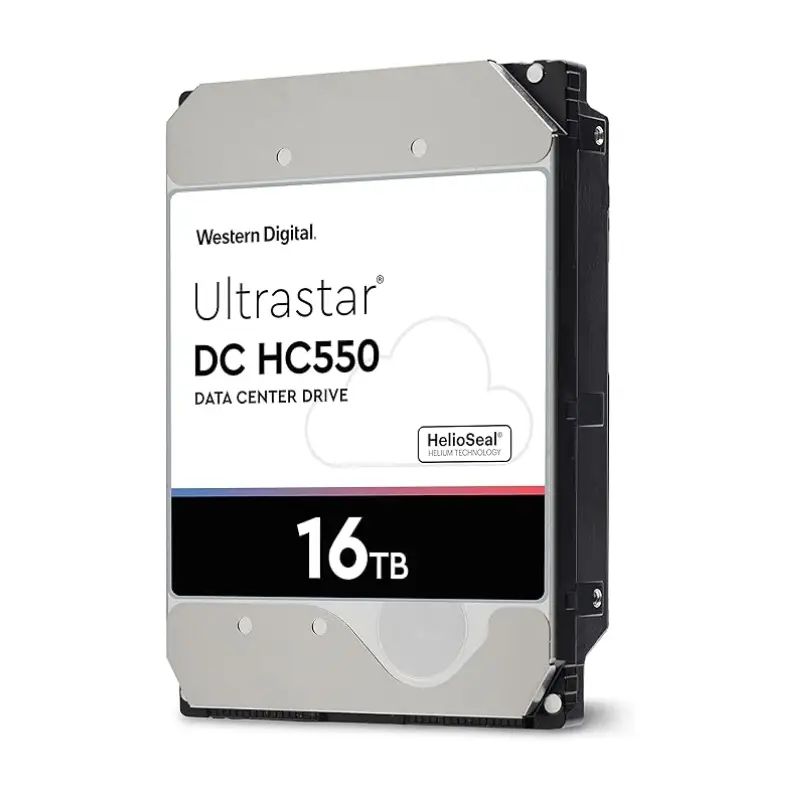
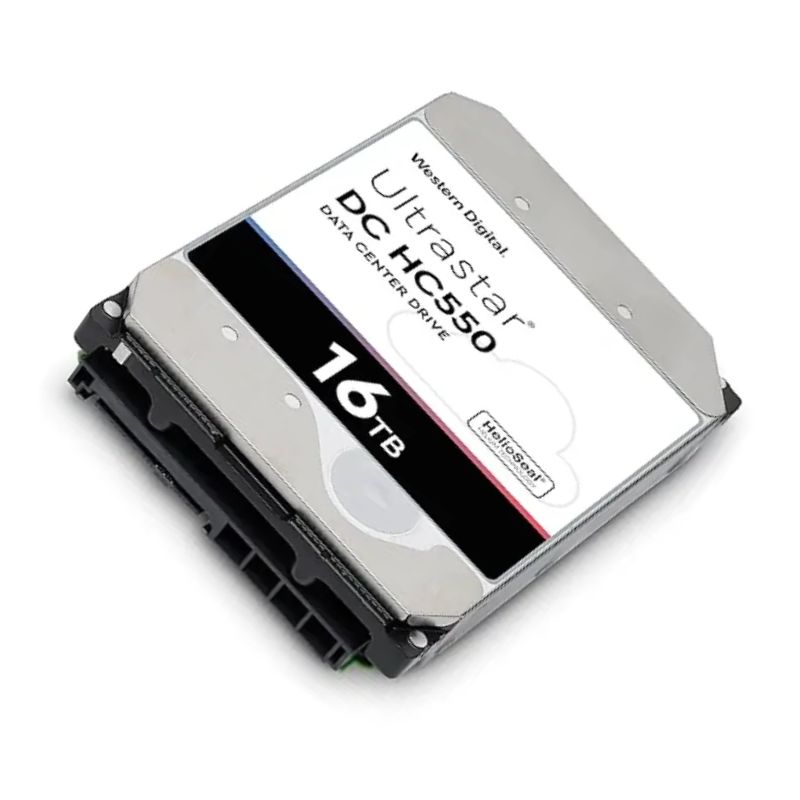
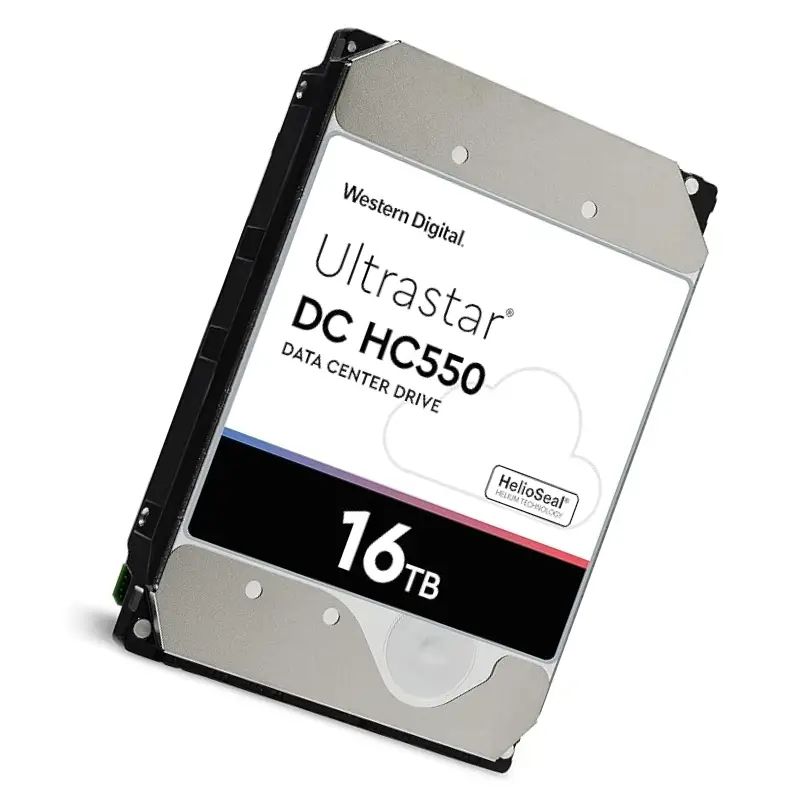
Western Digital 0F38376 Ultrastar DC HC550 16TB 7.2K RPM SAS-12GBPS 512MB Buffer 512e SED-FIPS 3.5Inch Helium Platform Enterprise HDD. New Sealed in Box (NIB) with 3-Years Warranty - Dell Version
The Western Digital 0F38376 Ultrastar DC HC550 16TB enterprise hard drive is engineered for hyperscale and cloud environments. Featuring 7.2K RPM spindle speed, SAS-12Gbps interface, and a 512MB buffer, this helium-based 3.5-inch HDD with SED-FIPS security ensures reliable, secure, and high-capacity storage for mission-critical workloads.
The Western Digital 0F38376 Ultrastar DC HC550 16TB enterprise hard disk drive belongs to a specialized category of high-capacity, helium-sealed storage platforms engineered for data centers, hyperscale environments, cloud infrastructure, and mission-critical enterprise storage systems. This category represents the evolution of mechanical storage technology where reliability, density, and sustained performance are prioritized over consumer-grade metrics. Helium-filled enterprise HDD platforms redefine traditional air-filled drive limitations by reducing internal turbulence, mechanical friction, and thermal instability, allowing higher platter counts and greater areal density within a standard 3.5-inch form factor.
Helium-based drive architecture enables tighter component tolerances, lower power draw, and improved mechanical stability at scale. This technology supports multi-platter configurations while maintaining consistent rotational stability at 7,200 RPM, which is critical for enterprise workloads requiring predictable latency and continuous throughput. The Ultrastar DC HC550 platform exemplifies this category by combining helium-sealed engineering with enterprise-grade materials, precision manufacturing, and long-term operational durability designed for nonstop data center operation.
High-capacity enterprise HDD categories focus on maximizing terabytes per rack unit and per server node. The 16TB capacity tier is strategically positioned to support large-scale storage consolidation, reducing physical footprint while increasing total usable capacity. This approach enables organizations to scale storage infrastructures without linear increases in hardware density, power consumption, or cooling complexity.
Helium platform engineering allows for more platters within the enclosure, increasing data density while maintaining mechanical balance and vibration control. This results in stable rotational performance, consistent head positioning accuracy, and long-term mechanical reliability. These characteristics are essential for enterprise storage arrays, where multiple drives operate simultaneously in dense configurations.
Operating at 7,200 RPM, this category of enterprise HDDs balances performance efficiency with mechanical longevity. The rotational speed ensures consistent data access latency while supporting high sustained transfer rates required for large-scale data processing and storage operations. Mechanical stability is enhanced by helium’s lower density compared to air, which reduces drag on spinning platters and minimizes micro-vibrations that can affect read/write accuracy.
Advanced vibration protection technologies further enhance operational stability in multi-drive enclosures. This ensures that performance consistency is maintained even in high-density rack deployments, where vibration interference can impact traditional HDD reliability.
The SAS 12Gbps interface defines a core characteristic of enterprise storage categories focused on reliability, scalability, and high-throughput connectivity. Serial Attached SCSI technology provides dual-port capability, enterprise-grade command queuing, and advanced error recovery features that exceed the capabilities of consumer SATA interfaces. This category of storage devices integrates seamlessly into enterprise backplanes, RAID controllers, and storage fabrics.
Dual-port SAS architecture enables redundant data paths, which is essential for high-availability storage systems. This design supports continuous operation even during component failures or maintenance operations, aligning with enterprise uptime requirements. SAS connectivity also ensures predictable performance under heavy concurrent access loads, making it ideal for shared storage environments and multi-host architectures.
Enterprise HDD categories prioritize sustained throughput over burst performance. The 12Gbps SAS interface ensures that the drive can deliver consistent data flow to storage controllers without bottlenecking under heavy workloads. This sustained throughput model is essential for data warehousing, backup systems, archival storage, and large-scale data ingestion platforms.
Optimized command queuing and intelligent caching mechanisms allow enterprise drives to handle parallel read and write operations efficiently. This ensures smooth performance in environments where multiple applications access storage simultaneously.
This category of HDDs is designed for seamless integration into enterprise storage fabrics, including SAN and DAS architectures. Compatibility with enterprise controllers, JBOD enclosures, and software-defined storage platforms ensures deployment flexibility. This interoperability allows organizations to build scalable storage ecosystems without vendor lock-in constraints.
Enterprise HDD categories increasingly integrate advanced security frameworks to protect sensitive data. The SED-FIPS classification indicates self-encrypting drive functionality combined with compliance to stringent security standards. This category supports hardware-level encryption, ensuring that data at rest remains protected without impacting system performance.
Hardware encryption eliminates the processing overhead associated with software-based encryption, enabling full-speed data access while maintaining compliance with regulatory frameworks. This is particularly critical for industries such as finance, healthcare, government, and enterprise cloud services where data protection is legally mandated.
FIPS-certified storage devices meet strict cryptographic security standards required for regulated environments. This category of enterprise HDDs ensures compliance with international security frameworks, supporting secure data handling, encrypted storage, and controlled access protocols. Regulatory alignment simplifies certification processes for organizations operating in highly regulated sectors.
Security integration at the hardware level ensures that encryption keys are protected within the drive architecture, reducing vulnerability to external threats and unauthorized access attempts.
The 512MB buffer capacity represents a defining characteristic of enterprise HDD categories focused on performance consistency and workload optimization. Large onboard cache memory improves read/write efficiency by reducing latency during repeated access operations and optimizing data flow between storage controllers and disk platters.
Enterprise cache architectures support intelligent prefetching, write-back caching, and command reordering, enabling smoother performance under mixed workloads. This category of storage devices is engineered to handle unpredictable access patterns common in enterprise environments.
Large buffer memory enables efficient handling of transaction-heavy workloads, streaming data operations, and batch processing tasks. This improves system responsiveness and reduces bottlenecks during peak usage periods. Enterprise storage platforms rely on buffer optimization to maintain consistent service levels across diverse applications.
Enterprise HDD categories prioritize predictable latency profiles over raw speed metrics. Buffer optimization ensures consistent access times, which is critical for database systems, virtualization platforms, and enterprise applications requiring stable I/O behavior.
Enterprise HDD categories are engineered for continuous 24/7 operation in controlled data center environments. The Ultrastar platform represents a class of storage devices designed for high workload ratings, extended duty cycles, and long operational lifespans. These drives undergo extensive validation testing, including thermal cycling, vibration stress, endurance testing, and long-duration performance simulations.
Reliability engineering focuses on minimizing failure rates and ensuring predictable performance over years of continuous use. This supports enterprise objectives of minimizing downtime, reducing maintenance costs, and maintaining service continuity.
Helium-filled architecture improves thermal management by reducing internal friction and heat generation. Lower operating temperatures contribute to longer component lifespan and improved reliability. Power efficiency improvements also reduce operational costs and cooling requirements in large-scale deployments.
Enterprise HDD categories integrate advanced monitoring and diagnostic capabilities that support predictive maintenance strategies. These systems enable early detection of potential failures, allowing proactive intervention before service disruption occurs.


 Contact Us
 Information
 Catalog
 Solid State Drives (SSD)
 Network Switches
 Hard Disk Drives
 HBA & Controllers
 PC & Servers
 PC & Server Memory
 CPU & Processors
 Network Routers
 Power Supplies
 Tape Drives & Libraries
 Network Devices
 Computer & Network Cables