(7% discount is applied at checkout)
Cart is empty
Your go-to destination for cutting-edge server products
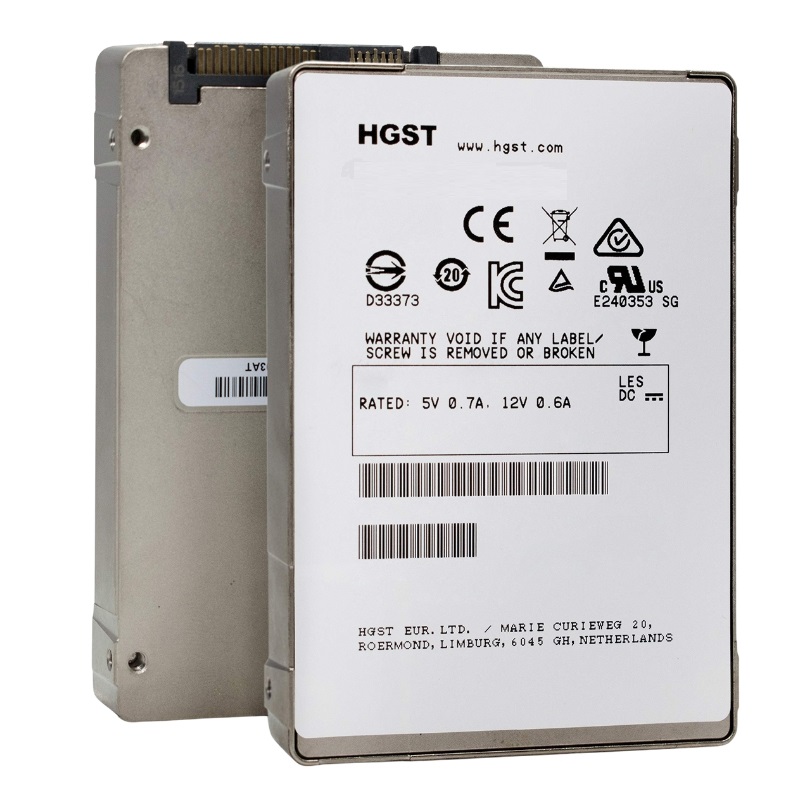


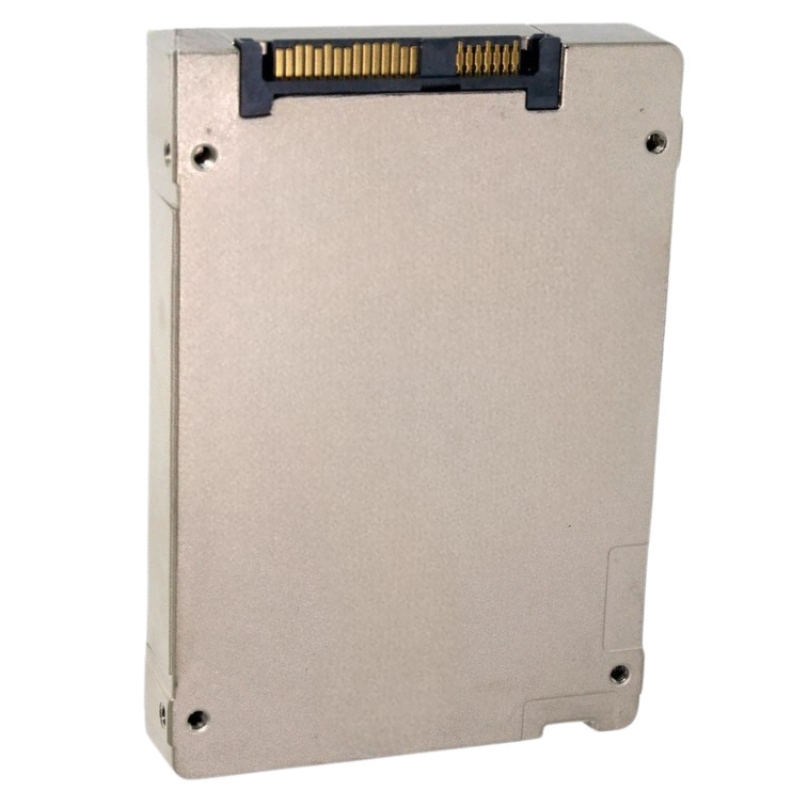
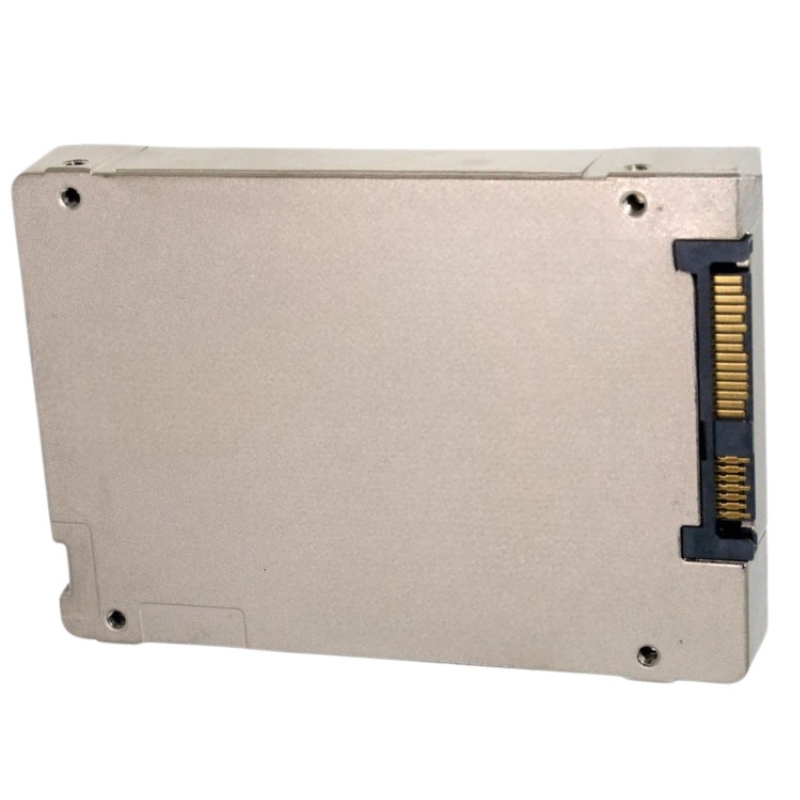
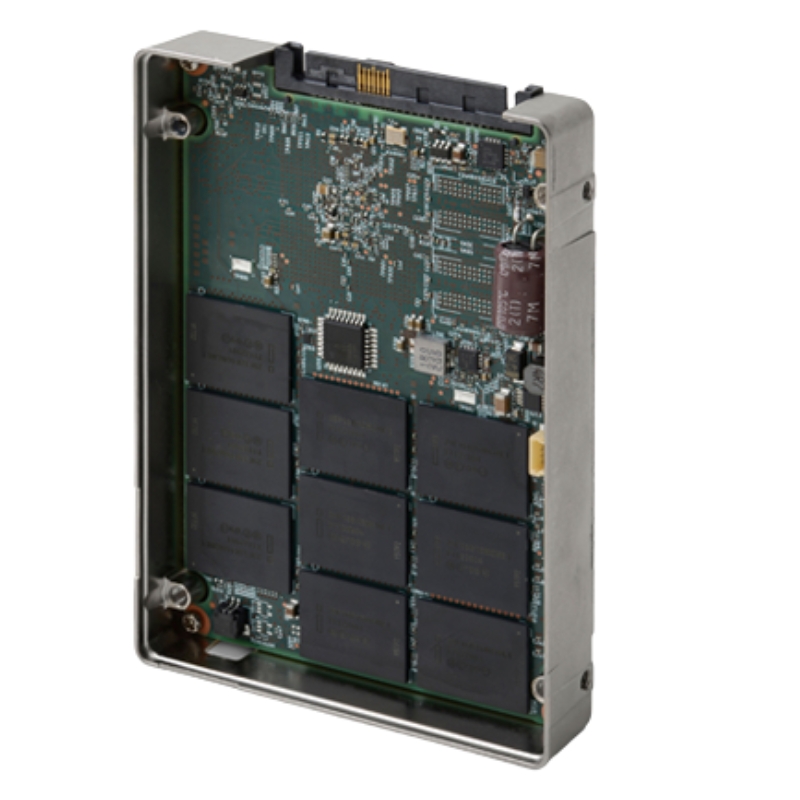
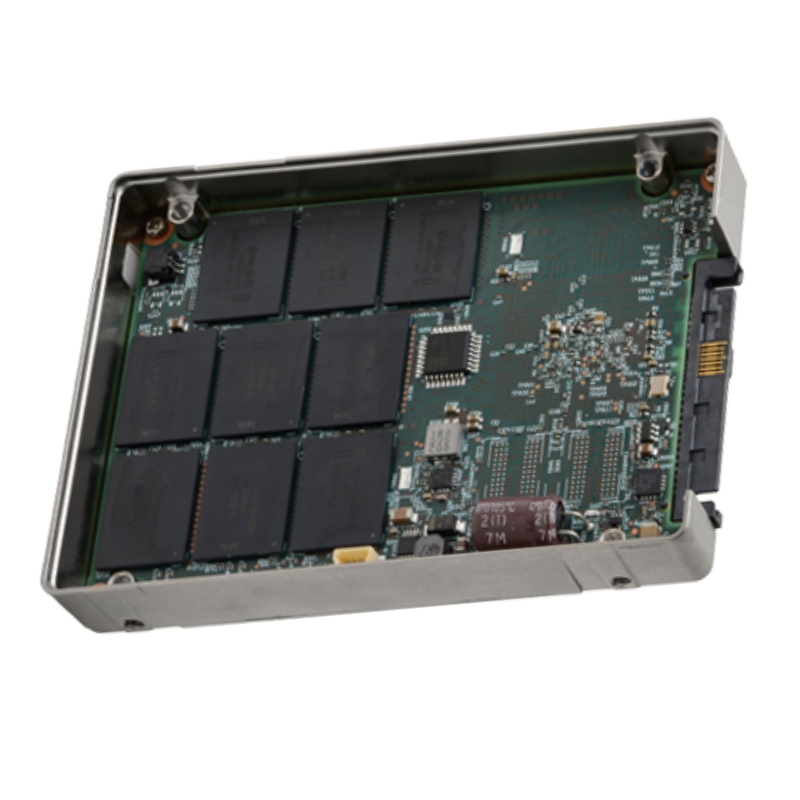
Western Digital HUSMR1616ASS200 1.6TB SAS 12GBPS 1600mr MLC 2.5 Inch SSD. Excellent Refurbished with 1 year replacement warranty - Dell Version
The HUSMR1616ASS200 model from Western Digital exemplifies this category: a 1.6 TB, 12 Gbps SAS, MLC (multi-level cell) 2.5‑inch SSD tailored for mission-critical workloads.Within the broader category of enterprise SSDs, SAS models bridge legacy infrastructure and next-generation performance, offering data centers and organizations a path toward accelerated I/O, predictable latency, and strong endurance.
Enterprise SSDs divide primarily by interface:
Among these, SAS remains significant for environments with existing SAS infrastructure or where dual-port availability and enterprise-level features are required.
Solid‑state drives differ by flash cell design:
The HUSMR1616ASS200 adopts true MLC engineering to sustain endurance in write-heavy yet critical applications.
Sequential performance represents sustained data transfer capacity under large block load:
Enterprise SSDs are often evaluated by random I/O performance, since mixed workloads consist of many concurrent small reads and writes:
Beyond raw performance, the drive is designed with features to preserve data integrity and longevity:
Enterprise SAS Solid‑State Drives: The HUSMR1616ASS200 Class
In the high-demand enterprise storage domain, SAS (Serial Attached SCSI) solid‑state drives define a class of robust, high-throughput storage media. The HUSMR1616ASS200 model from Western Digital exemplifies this category: a 1.6 TB, 12 Gbps SAS, MLC (multi-level cell) 2.5‑inch SSD tailored for mission-critical workloads. Within the broader category of enterprise SSDs, SAS models bridge legacy infrastructure and next-generation performance, offering data centers and organizations a path toward accelerated I/O, predictable latency, and strong endurance.
The Western Digital HUSMR1616ASS200—also designated 1600mr in some datasheets—is a product specifically crafted for enterprise SAS environments. The "1600mr" suffix hints at both its series lineage and its target class of applications. Positioned in the 1.6 TB tier, it serves as a mid-to-upper class drive in capacities ideal for caching, transaction logs, metadata storage, or high-performance applications requiring both speed and endurance.
Because of its strong random I/O characteristics, the HUSMR1616ASS200 is well-suited for online transaction processing (OLTP) workloads. High-volume databases that require low latency for small-block operations benefit significantly from its 130,000 IOPS read capability and resilient write performance.
Virtual machine storage hosts often demand consistent I/O under mixed read/write workloads. The dual-port SAS connectivity helps support multipath I/O and redundancy. In these environments, it can act as cache or high-performance VM storage layer.
Analytics engines, log servers, and metadata indexing layers often comprise many small random operations. The HUSMR1616ASS200’s capability in serving such workloads makes it ideal for tiered storage in larger systems: a high-speed “front tier” ahead of slower bulk storage mediums.
In RAID‑protected or active-active clustered systems, the dual SAS ports allow failure redundancy. Combined with high endurance and predictable latency, this model can be integrated into enterprise arrays without creating performance bottlenecks.
Within enterprise SSD classes, 1.6 TB is often seen as a “sweet spot” capacity: large enough to serve many workloads but not so large as to drive up cost per gigabyte drastically. The 1600mr series usually targets users wanting balance—not just raw performance, but also cost-effectiveness and endurance.
In this class, the 1600mr series leans more toward consistency and longevity rather than absolute peak speeds. Its specification sheet shows sustained throughput, solid IOPS, and robust reliability rather than aggressively tuned ultra-high burst values.
Enterprise-grade SSDs must avoid performance collapse under stress. The 1600mr class includes firmware and architecture designed to maintain low-latency responsiveness even as the drive wears or becomes filled.
A key decision factor is whether your infrastructure supports SAS 12 Gbps. Many systems use SAS controllers, expanders, or backplanes that can fully exploit this throughput class. Ensure that host adapters, cables, and backplanes are rated accordingly.
For many enterprise use cases, mixed or random patterns dominate, making the HUSMR1616ASS200 a versatile choice.
Sustained high throughput often stresses both drive power and cooling:
Over time, flash cells degrade and may experience charge loss. As part of category best practices:
In enterprise SSD categories, you should maintain hot spares (identical model or series) for rapid replacement. Maintain firmware compatibility and rotate spares regularly.
When a drive leaves service:
Google values substantial, authoritative content. This category page should:
Though SAS 12 Gbps has been a stalwart in enterprise storage, newer protocols like NVMe over Fabric (NVMe-oF) and PCIe Gen4/5 devices challenge traditional architectures. However, SAS SSDs remain relevant when:
Many enterprise systems adopt hybrid tiers: ultra-fast NVMe cache or tier-0, SAS SSDs for tier-1, and slower HDD or archival media for bulk. Within that architecture, 1600mr-class SAS SSDs serve as reliable middle-ground high-performance layers.
Organizations considering a path toward NVMe while maintaining SAS backplanes often choose drives like the HUSMR1616ASS200 as transitional assets. Compatibility layers, SAS-to-NVMe bridges, and multiprotocol controllers may further extend SAS SSD relevance into hybrid environments.


 Contact Us
 Information
 Catalog
 Solid State Drives (SSD)
 Network Switches
 Hard Disk Drives
 HBA & Controllers
 PC & Servers
 PC & Server Memory
 CPU & Processors
 Network Routers
 Power Supplies
 Tape Drives & Libraries
 Network Devices
 Computer & Network Cables