(7% discount is applied at checkout)
Cart is empty
Your go-to destination for cutting-edge server products
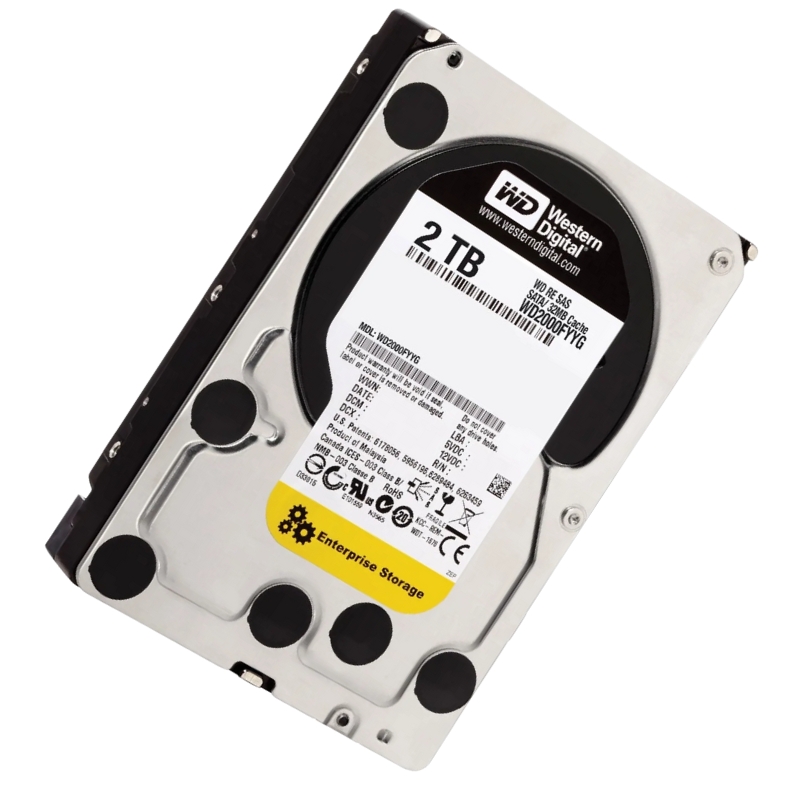


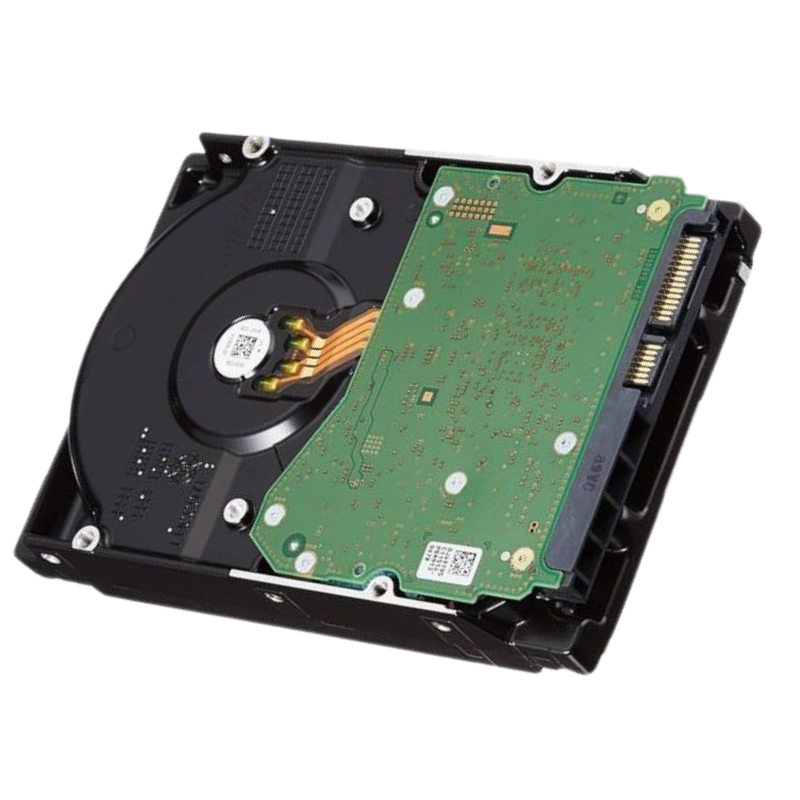
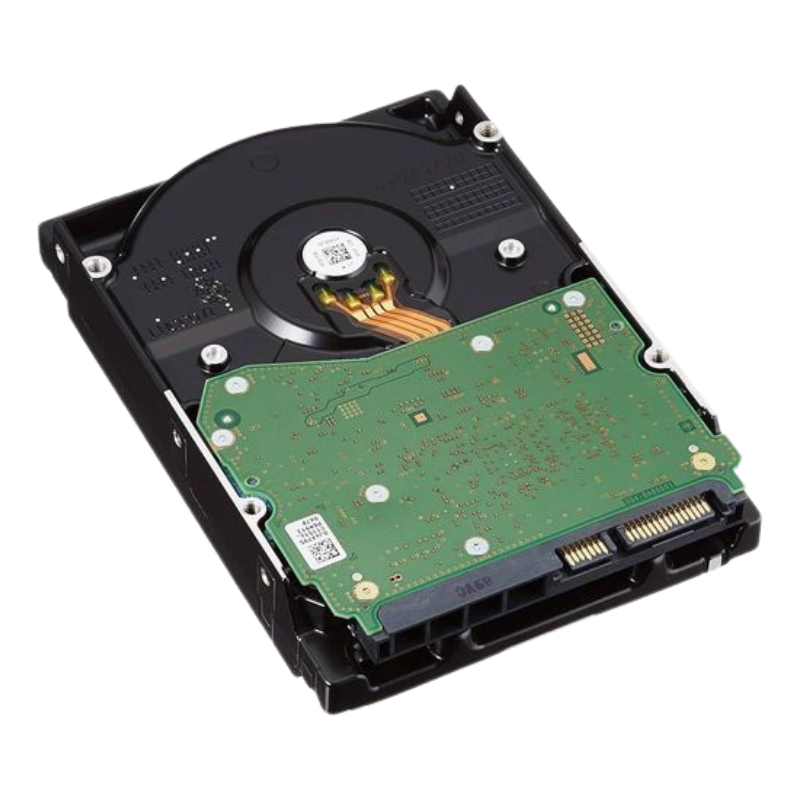
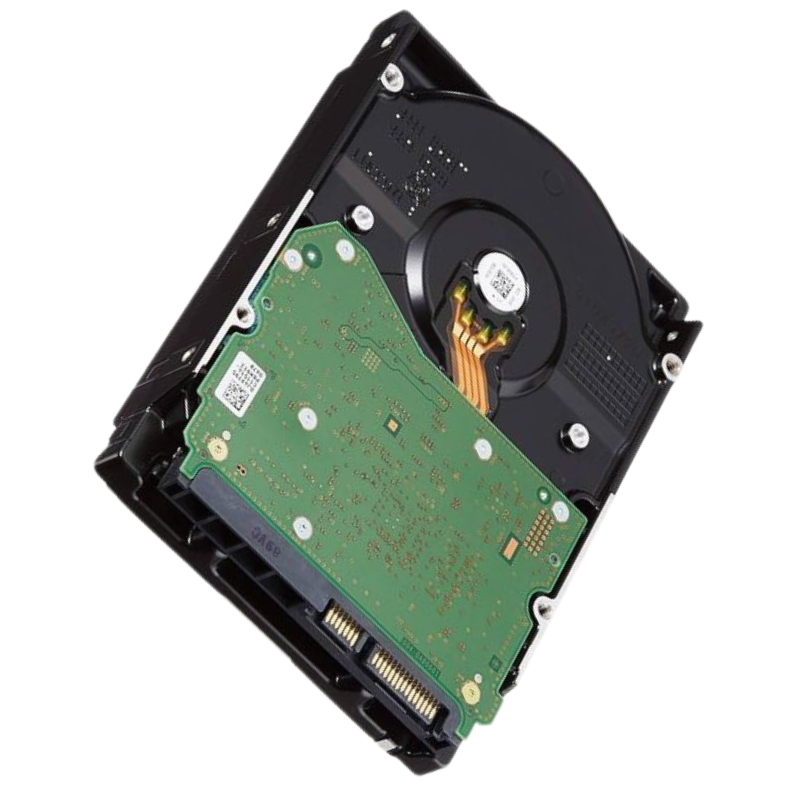
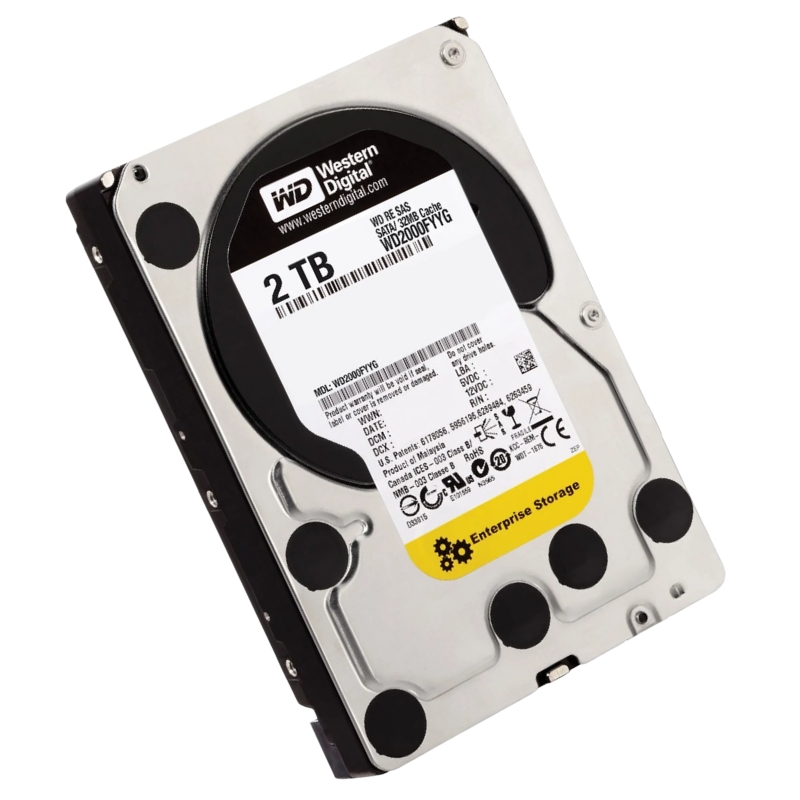
Western Digital WD2003FYYS 2TB 7.2K RPM SATA-II Storage Drive 64MB Buffer Form Factor Hard Drive. Excellent Refurbished with 1 year replacement warranty
The WD2003FYYS is a high-performance 2TB enterprise-class 3.5-inch hard disk drive engineered for dependable data storage, stable throughput, and long-term reliability. Operating at 7200 RPM, this SATA-II (3Gb/s) storage solution is designed for professional workloads, legacy systems, and enterprise environments requiring consistent performance and durable data handling. With a 64MB cache buffer, it enhances read/write efficiency while maintaining smooth data access across intensive applications and multi-user systems.
The Western Digital WD2003FYYS 2TB 7.2K RPM SATA-II storage drive represents a class of hard disk technology engineered for enterprise-grade reliability, sustained workload endurance, and consistent data throughput under continuous operational demands. Built for professional environments where storage stability and predictable performance outweigh consumer-oriented burst speed optimization, this hard drive is designed around a mechanical platform that emphasizes durability, thermal stability, and long service life.
At its core, this storage device integrates a carefully balanced combination of rotational magnetic media, precision head positioning systems, and firmware-level optimization that ensures consistent data delivery. The architecture is aligned with enterprise storage requirements such as server hosting environments, archival systems, backup arrays, and data-intensive applications where sustained access patterns are more common than short-term peak transfers.
The design philosophy behind this model is centered on maintaining operational continuity in environments that require uninterrupted data availability. Instead of focusing purely on maximum sequential speed, the drive prioritizes error correction robustness, vibration tolerance, and sustained workload management, making it suitable for multi-drive configurations and rack-mounted systems.
Operating at a spindle speed of 7,200 rotations per minute, the WD2003FYYS delivers a balance between speed and mechanical stability. This rotational class is widely recognized as the standard for enterprise nearline storage, offering a compromise between high-speed performance and long-term mechanical reliability. The rotation rate ensures that data access times remain consistent across large datasets while minimizing thermal stress on the mechanical components.
The internal actuator assembly is engineered with precision servo control, enabling accurate head positioning across multiple platters. This ensures that read and write operations maintain consistency even under continuous workloads. The mechanical calibration of the drive reduces latency variations and improves predictable response times, which is essential in server environments where multiple users or applications may access stored data simultaneously.
The drive’s rotational stability is further enhanced through advanced vibration resistance mechanisms. These mechanisms mitigate performance degradation caused by multi-drive chassis environments where mechanical resonance can impact head alignment. As a result, the storage device is capable of maintaining consistent throughput in densely packed storage arrays.
This storage unit utilizes the SATA-II interface standard, operating at a theoretical maximum transfer rate of 3.0 Gb per second. While newer interface generations offer higher bandwidth ceilings, the SATA-II protocol remains widely supported across legacy and mid-generation server infrastructures, making this drive highly compatible with a broad range of enterprise systems.
The interface design incorporates command queuing capabilities that allow multiple data requests to be processed efficiently. Native command queuing improves performance in multi-threaded environments by optimizing the order of read and write operations, reducing mechanical head movement and improving overall efficiency.
Data integrity during transmission is maintained through error detection protocols embedded within the SATA communication layer. These protocols ensure that any inconsistencies in data transfer are corrected or retransmitted, preserving the reliability of stored information. This makes the drive suitable for mission-critical applications where data accuracy is essential.
Equipped with a 64MB buffer memory, the WD2003FYYS enhances data throughput by temporarily storing frequently accessed or recently written data. This cache system acts as an intermediary between the mechanical disk and the host system, reducing the frequency of physical disk access and improving overall responsiveness.
The buffer management system dynamically allocates memory resources based on workload patterns. Sequential read operations benefit from prefetching algorithms that anticipate future data requests, while write operations are temporarily staged in cache before being committed to disk. This reduces latency and smooths out performance fluctuations under variable workloads.
In enterprise environments where multiple applications may simultaneously request access to stored data, the buffer system plays a critical role in balancing performance demands. It ensures that high-priority requests are handled efficiently while maintaining background processing for less time-sensitive tasks.
With a total storage capacity of 2 terabytes, this hard drive is designed to accommodate large-scale data repositories. The capacity makes it suitable for applications such as database storage, media archives, virtualization environments, and backup infrastructures where large volumes of structured and unstructured data must be stored reliably.
The internal data organization structure is optimized for high-density recording, allowing efficient utilization of platter surfaces. This ensures that storage space is maximized without compromising data integrity or access performance. The drive’s firmware manages data placement strategies to reduce fragmentation and improve long-term efficiency.
In environments where storage scalability is important, multiple units of this drive can be deployed in parallel configurations, forming arrays that increase total capacity while distributing workload evenly across all devices. This approach enhances both redundancy and performance in enterprise storage systems.
Thermal management is a critical aspect of enterprise storage design, and this model incorporates advanced heat dissipation strategies to ensure stable operation under continuous workloads. The internal components are designed to minimize friction and optimize airflow within sealed drive enclosures.
Power consumption is regulated through intelligent firmware controls that adjust activity levels based on system demand. During periods of low activity, the drive reduces mechanical movement intensity, thereby conserving energy and reducing heat generation. This contributes to improved system efficiency in large-scale deployments where multiple drives operate simultaneously.
The balance between thermal output and performance consistency ensures that the drive can operate within standard server cooling environments without requiring specialized thermal solutions. This makes it suitable for data centers with standardized cooling infrastructures.
Reliability is a defining characteristic of this storage device. The firmware includes advanced error correction algorithms that detect and resolve data inconsistencies during read and write operations. These systems ensure that data integrity is preserved even in the presence of minor physical imperfections on the magnetic platters.
The drive is engineered with predictive failure analysis mechanisms that monitor operational parameters such as spin-up cycles, head movement patterns, and read error rates. These metrics help in identifying potential issues before they escalate into hardware failure, allowing system administrators to take preventive action.
In multi-drive environments, reliability is further enhanced through redundancy configurations where data is mirrored or distributed across multiple units. This ensures continuity of operations even in the event of a single drive malfunction.
The WD2003FYYS is commonly deployed in enterprise environments where consistent data availability is required. It is suitable for file servers that handle large volumes of user data, backup systems that store long-term archives, and surveillance storage systems that require continuous recording capabilities.
In virtualization environments, the drive supports virtual machine storage by providing stable and predictable performance under concurrent access loads. This makes it suitable for infrastructure hosting multiple operating systems and applications simultaneously.
Additionally, the drive is frequently used in network-attached storage systems where centralized data access is required across multiple client devices. Its combination of capacity and reliability ensures that it can support collaborative workflows and shared storage environments effectively.
The mechanical construction of the WD2003FYYS is designed for extended operational life under continuous workloads. The spindle motor, actuator arm, and head assembly are all engineered to withstand prolonged usage cycles without significant degradation in performance.
Lubrication systems within the motor assembly reduce friction and ensure smooth rotational movement even after extended periods of operation. This contributes to lower failure rates and improved reliability in enterprise environments.
The drive is also designed to withstand vibration and shock conditions commonly found in multi-drive server enclosures. Reinforced structural components reduce the impact of external mechanical disturbances, ensuring stable operation in dense storage configurations.
One of the defining advantages of this storage device is its compatibility with a wide range of system architectures. The SATA-II interface ensures seamless integration with older server platforms while still maintaining functional relevance in newer systems that support backward compatibility.
This compatibility makes it a practical choice for infrastructure upgrades where existing systems require expanded storage capacity without complete hardware replacement. It allows organizations to extend the lifespan of legacy systems while improving storage capabilities.
The drive’s standardized form factor also ensures physical compatibility with most server chassis, storage enclosures, and desktop systems that support 3.5-inch hard drives. This flexibility enhances deployment versatility across different environments.
When deployed in large-scale storage arrays, this hard drive contributes to scalable infrastructure capable of handling increasing data demands. Multiple drives can be configured in parallel to expand storage capacity while improving redundancy and throughput.
In array configurations, workload distribution ensures that no single drive becomes a performance bottleneck. This enhances system resilience and allows for continuous operation even during maintenance or partial hardware failure scenarios.
The drive’s consistent performance profile makes it suitable for RAID configurations where data integrity and redundancy are critical. These configurations are commonly used in enterprise environments to protect against data loss and ensure high availability.


 Contact Us
 Information
 Catalog
 Solid State Drives (SSD)
 Network Switches
 Hard Disk Drives
 HBA & Controllers
 PC & Servers
 PC & Server Memory
 CPU & Processors
 Network Routers
 Power Supplies
 Tape Drives & Libraries
 Network Devices
 Computer & Network Cables